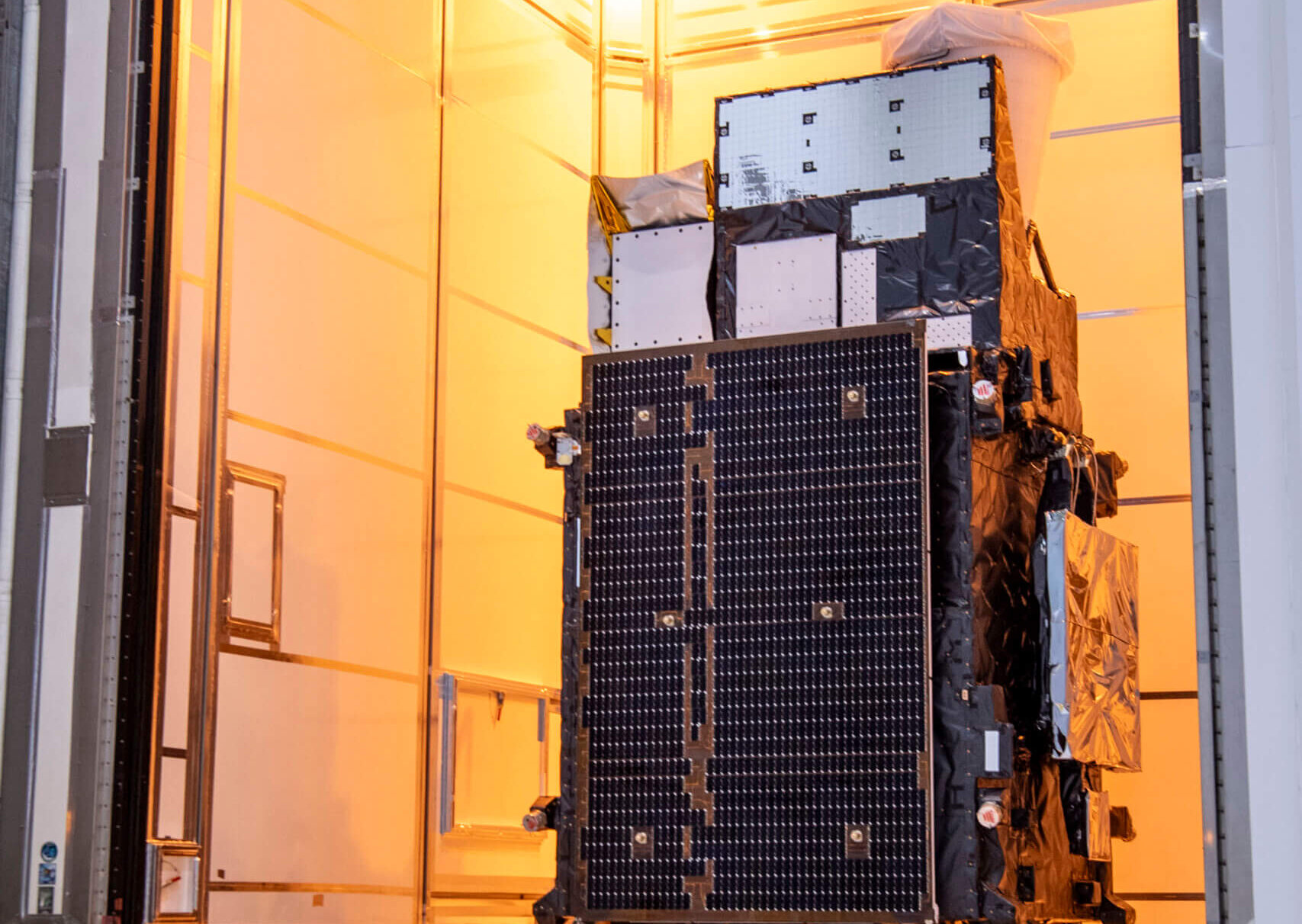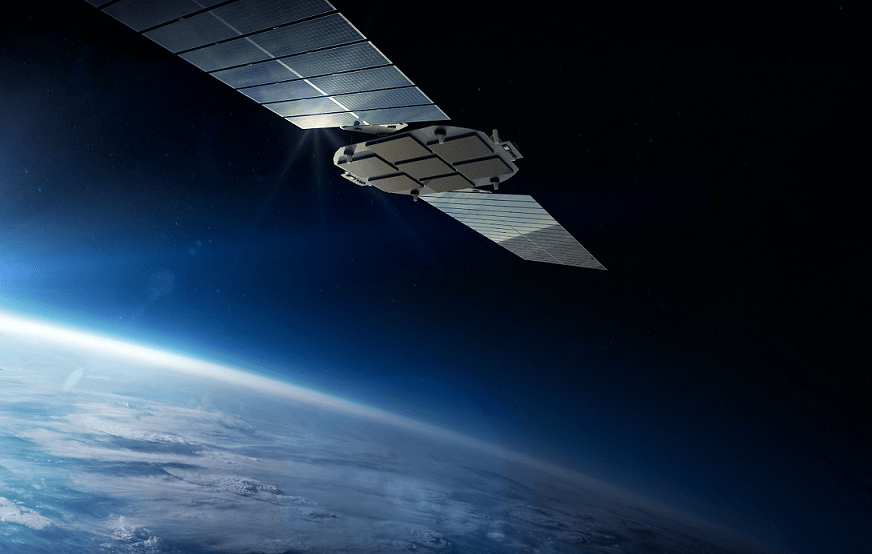
The U.S. Space Force (USSF) is preparing for a significant advancement in satellite technology with plans to demonstrate in-space refueling and satellite servicing by 2027. The initiative, part of the USSF-23 mission, will focus on launching vehicles capable of refueling and servicing satellites in geostationary orbit. This marks an important step in extending the life and capabilities of satellites, potentially transforming how satellite operations are conducted.
Geostationary orbit, located approximately 35,786 kilometers above the Earth's equator, is a prime location for communication and weather satellites due to its fixed position relative to the Earth's surface. However, the challenges of maintaining and servicing satellites in such an orbit have been a long-standing issue. The USSF-23 mission aims to address these challenges by deploying vehicles specifically designed to perform tasks such as refueling and minor repairs, thereby extending the operational life of these vital assets.
This planned demonstration reflects the growing interest in autonomous satellite servicing within the space industry. By proving the feasibility of in-space refueling, the Space Force hopes to reduce the frequency and cost of launching replacement satellites. This could lead to significant cost savings and more sustainable satellite operation practices in the long run.
The USSF-23 mission is a critical component of the Space Force's broader strategy to enhance the resilience and longevity of U.S. space infrastructure. In-space servicing capabilities are expected to play a crucial role in maintaining a robust and responsive space presence, especially as international competition in space intensifies.
The demonstration of these capabilities also raises important considerations regarding the strategic and tactical advantages they might provide. Enhanced satellite servicing capabilities could offer the U.S. military greater flexibility in managing its satellite constellations, ensuring continuous operational capability even in challenging scenarios.
While the concept of in-space refueling and servicing is not new, the practical implementation of such technologies has been limited. The upcoming demonstration by the Space Force could be a pivotal moment in proving the viability of these technologies on a larger scale.
As the USSF-23 mission approaches, it represents a significant milestone in the evolution of satellite technology and operations. The successful execution of in-space refueling and servicing in geostationary orbit could set a new standard for satellite maintenance and longevity, with far-reaching implications for both military and commercial space operations.