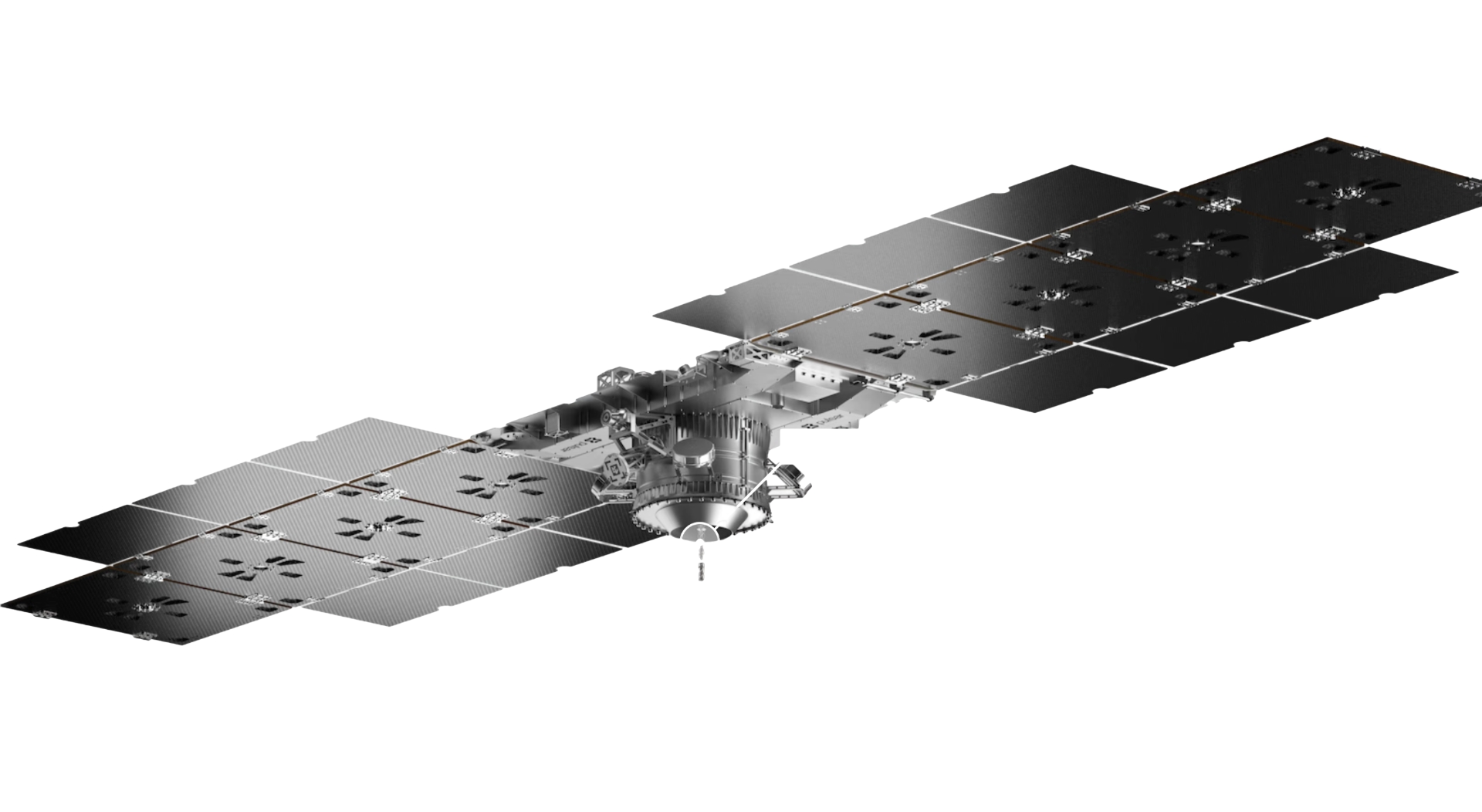
In a significant development for global navigation satellite systems (GNSS), TrustPoint, in collaboration with Hexagon's subsidiary NovAtel, has successfully demonstrated the capabilities of its C-band GNSS technology. This milestone was achieved during a demonstration conducted under a contract with the U.S. Naval Air Systems Command (NAVAIR), marking a pivotal moment in the advancement of positioning, navigation, and timing (PNT) services in environments where traditional GPS could be compromised.
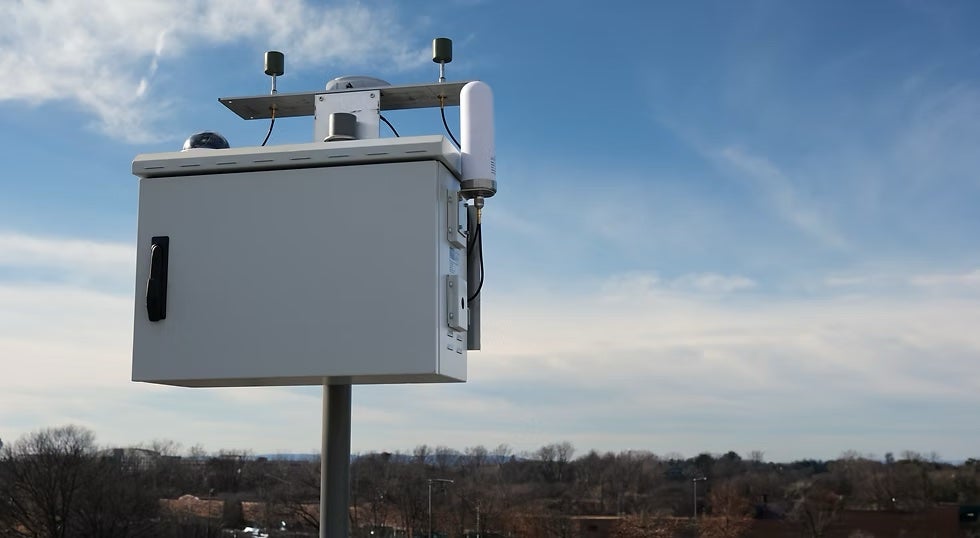
The demonstration showcased a C-band receiver developed by NovAtel operating seamlessly in the presence of GNSS interference. This achievement is part of TrustPoint's ongoing efforts under the Small Business Innovation Research (SBIR) Phase II contract awarded by the Naval Air Warfare Center – Aircraft Division (NAWCAD). The demonstration not only underscores the resilience of C-band signals but also accelerates the commercialization of TrustPoint's GNSS-independent PNT service.
Patrick Shannon, founder and CEO of TrustPoint, highlighted the significance of this breakthrough, stating, "For the first time, C-band signals have operated through interference on a receiver the industry already trusts. This is a new baseline for what resilient PNT means." TrustPoint's collaboration with NovAtel has proven that the technology works, setting the stage for further development and deployment.
The successful demonstration holds substantial implications for environments where GPS signals may be degraded or completely denied due to modern electronic warfare tactics. In such scenarios, maintaining accurate PNT data is crucial for both military and civilian applications, making TrustPoint's innovation particularly relevant.
TrustPoint's journey to this point has been marked by several notable achievements. In 2025, the company won the SATShow's Startup Space competition, a recognition that underscored its potential in the space technology sector. Later that same year, TrustPoint accomplished the first live-sky transmission and real-time reception of a C-band GNSS signal, laying the groundwork for the current demonstration.
This development is part of a broader trend in the aerospace and defense industry, where there is a growing focus on enhancing the robustness of GNSS systems. As electronic warfare capabilities become more advanced, ensuring that PNT services remain reliable is a priority for military operations worldwide. TrustPoint's C-band technology offers a promising solution to these challenges, potentially transforming how the military and other sectors approach navigation and timing.
Looking forward, the successful C-band demonstration sets a new standard for resilient PNT services. While the current focus is on military applications, the technology could have far-reaching implications for commercial and civilian sectors as well. With the increasing reliance on GNSS for various applications, from autonomous vehicles to precision agriculture, enhancing the system's resilience against interference is crucial.
In conclusion, TrustPoint's achievement with its C-band GNSS technology represents a significant stride forward in the field of satellite navigation. By demonstrating the ability to maintain reliable navigation services in challenging environments, TrustPoint is paving the way for a new era of PNT solutions that can withstand the complexities of modern electronic warfare.