4iG Group and SpaceX sign commercial and sovereign satellite agreements
On Sept. 2, 2026, Hungarian technology, telecommunications and defense conglomerate 4iG Group and SpaceX executed a set of agreements to deliver Starlink Mobile direct‑to‑cell services in parts of Europe and to develop an encrypted Sovereign Solutions offering for national security customers. The commercial rollout will bring the current Starlink Mobile service to Hungary and Albania, while a planned second‑generation service, Starlink Mobile V2, is targeted for Hungary, Albania, Montenegro and North Macedonia.
Starlink Mobile (the renamed Starlink Direct‑to‑Cell service) allows Starlink satellites to connect directly to unmodified mobile phones to supplement terrestrial coverage. 4iG said the timetable for the first‑generation rollout will depend on regulatory, technical and commercial conditions in each market. SpaceX has previously delivered commercial Starlink Mobile services through operators such as Kyivstar in Ukraine and Virgin O2 in the U.K., and the company’s president and COO Gwynne Shotwell noted that the V2 constellation is expected to begin launches next year, with service provision by the end of next year.
Shotwell told customers and partners that the second generation will likely consist of roughly 10 times the number of satellites as the current Starlink Mobile constellation (around 650 satellites), creating a much larger NTN (non‑terrestrial network) footprint. The V2 service will operate using SpaceX’s 2 GHz priority rights acquired from EchoStar, and SpaceX has framed the upgrade as enabling high‑speed broadband directly to mobile phones and harmonizing 2 GHz spectrum usage globally. Deutsche Telekom previously became the first partner to sign for Mobile V2 and plans deployment across 10 European countries.
Commercial integration and 5G NTN roadmap
According to the agreements announced in Texas, 4iG will integrate SpaceX’s satellite‑to‑mobile technology into its regional terrestrial mobile networks to provide coverage in unserved or remote areas. SatNews’ coverage emphasized a planned roadmap toward a 3GPP‑compliant 5G Non‑Terrestrial Network (NTN) as the initial direct‑to‑cell rollout transitions to Starlink Mobile V2 using SpaceX’s global 2 GHz spectrum rights.
Sovereign Solutions: encrypted, hardened links for defense and civil resilience
Alongside the commercial service, 4iG and SpaceX will offer a Sovereign Solutions framework described as an “integrated service with augmented satellite communications and end‑to‑end secured data communications.” SatNews reports that 4iG Space and Defence Technologies (4iG SDT) and SpaceX will co‑develop an end‑to‑end encrypted satellite communications architecture providing hardened data links and redundant command‑and‑control capacity intended for national security and civil defence use during terrestrial network outages.
4iG highlighted how this agreement expands its space and defence portfolio. The company previously contracted Northrop Grumman to manufacture Hungary’s HUGEO geostationary satellite under the HUSAT program and made a $100 million strategic equity investment in commercial space station operator Axiom Space, illustrating 4iG’s broader transatlantic and sovereign‑capability ambitions.
Leadership comments and commercial framing
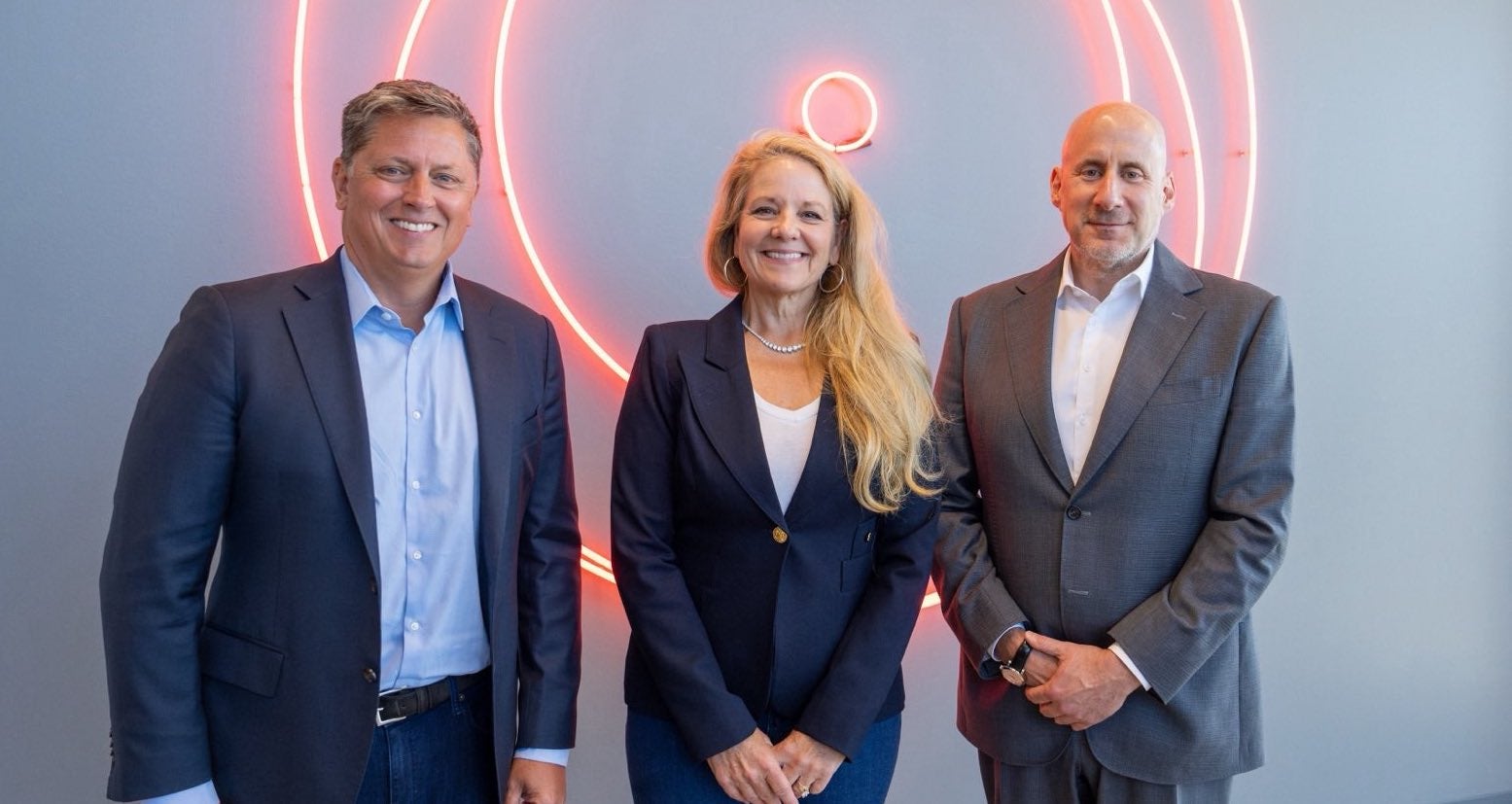
Gwynne Shotwell commented in 4iG’s announcement that “4iG Group’s forward‑leaning adoption of Starlink Mobile, including our next‑gen V2 constellation technology, will deliver resilient direct‑to‑device connectivity to people across Hungary and the Western Balkans. V2 will enable high‑speed broadband directly to mobile phones and harmonize the 2GHz spectrum we’ll use around the world.”
Gellért Jászai, chairman and CEO of 4iG Group, said the companies had “developed a first‑of‑its‑kind model that represents a commercial service with Starlink’s satellite‑to‑mobile technology and establishing the first sovereign solutions in Europe. We are proud to be leading this vision in Europe and setting a new global standard of what’s possible.”
Rollout considerations and market context
Both outlets stress that the rollout schedule will vary by market due to regulatory, technical and commercial constraints. The SatNews account underscores a dual commercial and national security strategy: integrating satellite‑to‑mobile into consumer mobile networks while offering a separate, encrypted sovereign layer intended to ensure continuity of command‑and‑control and secure communications during outages.
This European push follows other recent commercial direct‑to‑device activities elsewhere — for example, Airtel Africa’s partnership with Starlink to launch a commercial direct‑to‑device service in the Democratic Republic of the Congo — and sits within a broader industry trend in which satellite operators seek both consumer market presence and sovereign contracts for defence resilience.
NovΔ mAInd’s launch tracker context
According to NovΔ mAInd's launch database, SpaceX has 139 launches tracked with a 99.3% success rate, its first flight recorded on 2025-01-04 and most recent on 2026-09-02, and a capability listed at 22800 kg to LEO. This transaction adds to SpaceX’s portfolio of satellite services and partnerships as the company expands Starlink’s commercial and governmental reach in Europe.
Implications and next steps
The agreements position 4iG as a regional integrator for both commercial satellite‑to‑mobile services and sovereign encrypted networks across Central and Southeastern Europe. For SpaceX, the deals extend Starlink Mobile’s footprint and lay groundwork for the higher‑capacity V2 constellation planned to use 2 GHz spectrum rights. For regulators and operators in the Western Balkans and Hungary, key upcoming items will be licensing for the direct‑to‑cell service, technical interoperability with existing mobile networks, and procurement details for the Sovereign Solutions layer expected to launch next year.