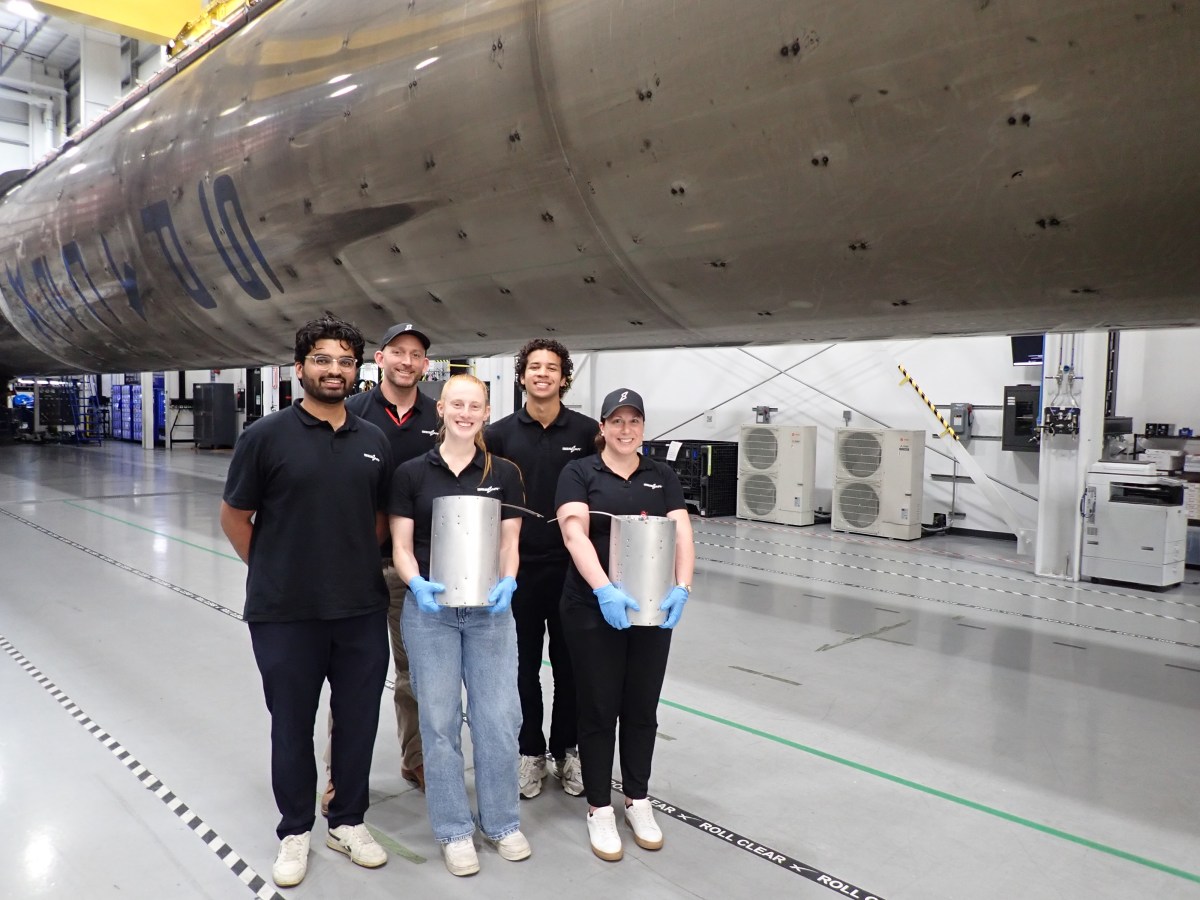
Besxar flies semiconductor test canisters on SpaceX Falcon 9 booster missions
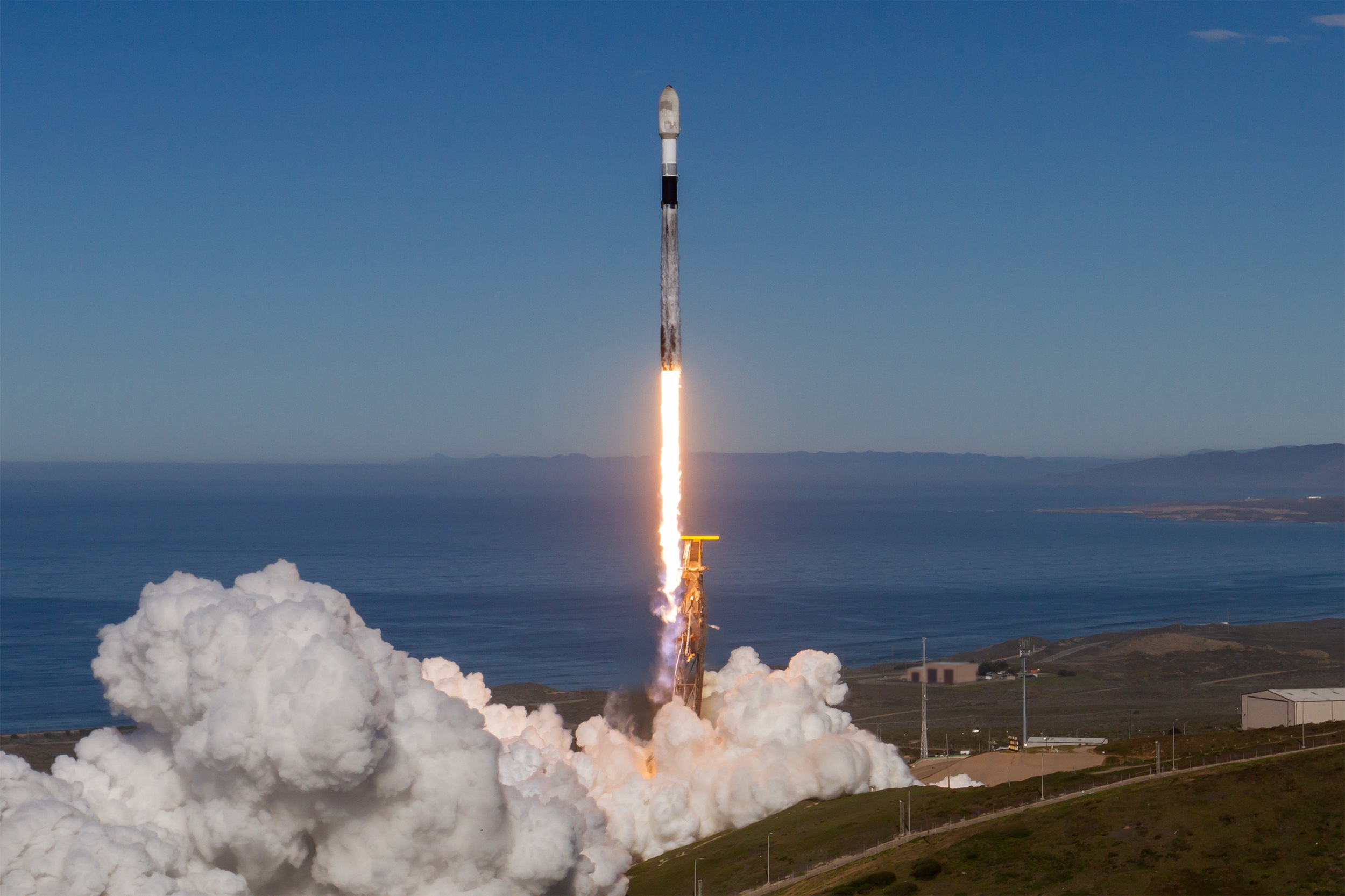
Besxar, a startup founded by former OpenAI staffer Ashley Pilipiszyn, flew two prototype semiconductor "fabship" canisters on a July Starlink mission using SpaceX Falcon 9 boosters to demonstrate that wafers and precursor materials can survive launch, remain protected from contamination, and be exposed to the vacuum of space, the company told TechCrunch on 9 September 2026.
The July flight was a deliberate, low‑risk approach to validate core assumptions for manufacturing semiconductor precursors in orbit: that the launch environment could be tolerated, that samples could be shielded from particulates, and that vacuum exposure could provide cleaner surfaces than terrestrial alternatives. According to Besxar, the flown samples were the cleanest and had the least amount of particulate matter compared with non‑flown terrestrial wafers. One of the canisters experienced a malfunction in its flight data system and the company is investigating that issue.
Besxar positions space as a way to reduce the complexity of ground‑based fabs. The company said on TechCrunch that Earth‑based semiconductor fabrication requires massive pressurized clean rooms to exclude microscopic contaminants, and that certain physics in vacuum may be exploited rather than fought. To date Besxar has raised almost $14 million, including a $9 million seed round led by Dauntless Ventures and Overture VC, and plans to iterate over the next two years across about a dozen booster flights before attempting larger fabrication modules aboard next‑generation vehicles such as SpaceX's Starship.
The startup's first two canisters were designed to prove survival of launch loads, contamination control, and exposure to vacuum. Besxar reported success on those objectives despite the data system malfunction in one canister. The company says it will continue flying progressively larger and more capable "fabships" to de‑risk technology before scaling to bigger orbital factories.
Besxar first approached SpaceX three years prior to the TechCrunch report to discuss buying flights on Starship, but the company settled on using Falcon 9 booster payload space as a pragmatic, lower‑risk path to iterate hardware in orbit and return samples to Earth. Besxar told TechCrunch it views frequent booster reuses as an opportunity: Falcon 9 boosters made 163 round trips in the prior year and had already flown more than 100 times in the current year when the company negotiated access, according to the report.
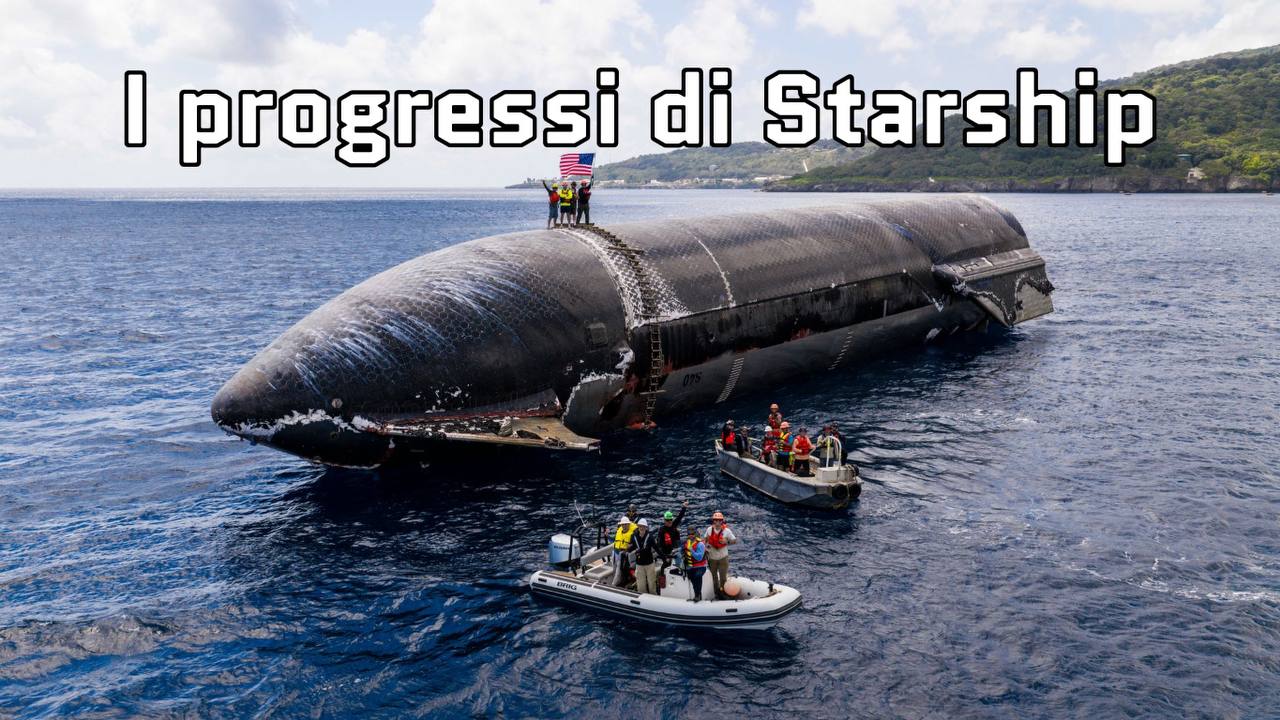
Besxar's timeline calls for continued iterations over about two years with the goal of eventually flying larger fabs aboard vehicles such as Starship. TechCrunch notes Starship remains a next‑generation rocket still in development; Besxar's staged approach is intended to mature processes and packaging before attempting to integrate with that vehicle.
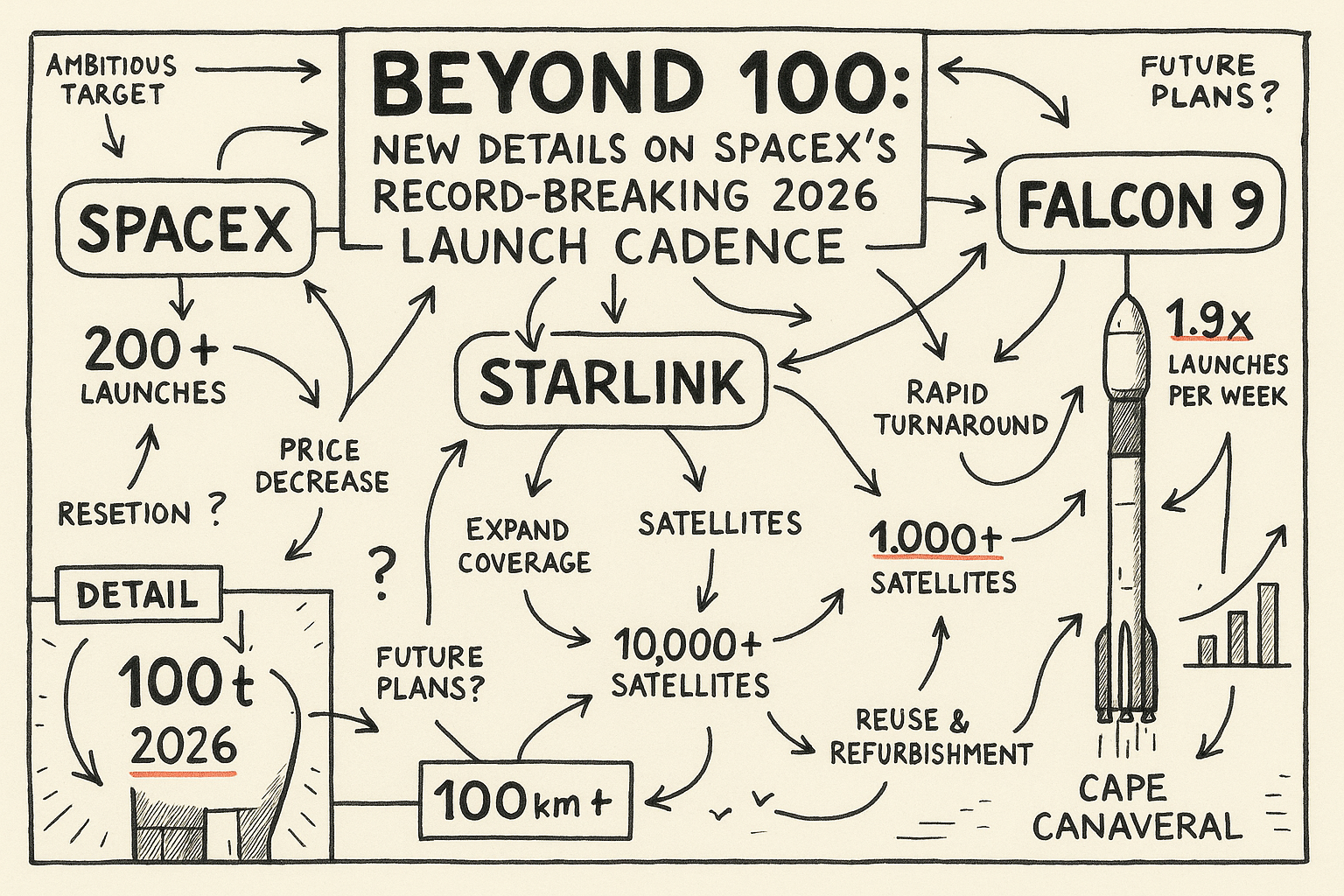
Placing Besxar's work in a launch context: NovΔ mAInd's launch database shows SpaceX has 140 launches tracked with a 99.3% success rate, a first flight on 2025-01-04, a most recent flight on 2026-09-06, and a payload capability of 22800 kg to LEO. That record underscores why Besxar chose to iterate on Falcon 9 booster flights to test and return semiconductor samples.
Historically, proposals to move parts of microfabrication to microgravity or vacuum environments have surfaced occasionally, typically citing potential benefits for processes sensitive to contamination or convection. Besxar's public account emphasizes contaminant reduction: their flown samples, they reported, showed less particulate matter than matched terrestrial controls. The company did not in the TechCrunch piece present finished, space‑manufactured chips or commercial products; rather, the demonstrations are early validation steps aimed at specific precursor processes and packaging challenges.
Several constraints and uncertainties remain. The TechCrunch report notes a malfunction in a flight data system on one canister, which is under investigation. Besxar plans multiple iterative flights over two years, implying that scalability, mass throughput, thermal and power management, and safe return logistics are open development issues. The company also intends to move toward Starship when appropriate, but Starship itself is under development and not guaranteed to be available on Besxar’s timetable.
If the staged approach succeeds, orbital semiconductor processing could shift some steps of wafer preparation to environments that are naturally free of atmosphere and airborne particulates; proponents argue this might lower the need for extremely large cleanroom infrastructure on Earth for certain process steps. But TechCrunch's coverage—based on Besxar's statements—presents these ideas as company strategy and hypothesis rather than proven commercial outcomes.
Besxar's work joins a broader trend of companies testing in‑orbit manufacturing and servicing technologies before committing to larger hardware in space. The company’s next steps — more booster flights, analysis of the data system anomaly, and progressive scale‑up toward Starship‑class payloads — will determine whether the vacuum advantages they describe translate into economically viable semiconductor supply chain roles.
For now, Besxar has demonstrated survivability and improved particulate cleanliness for returned wafer samples on Falcon 9 booster flights, and will use repeated booster missions as a development pathway toward larger orbital fabrication systems.