SpaceX prepares Starship Flight 14 with Ship 41, Booster 21 and Starlink payloads
SpaceX has entered a new phase of its Starship programme as it finalises hardware and infrastructure ahead of the vehicle’s fourteenth test flight, now scheduled for 2026-09-30. In August and early September 2026 the company completed a series of engine static fire tests on two active prototypes — Ship 41 and Booster 21 — and outlined plans that would see Starship carry Starlink satellites into orbit for the first time, pending regulatory approval.
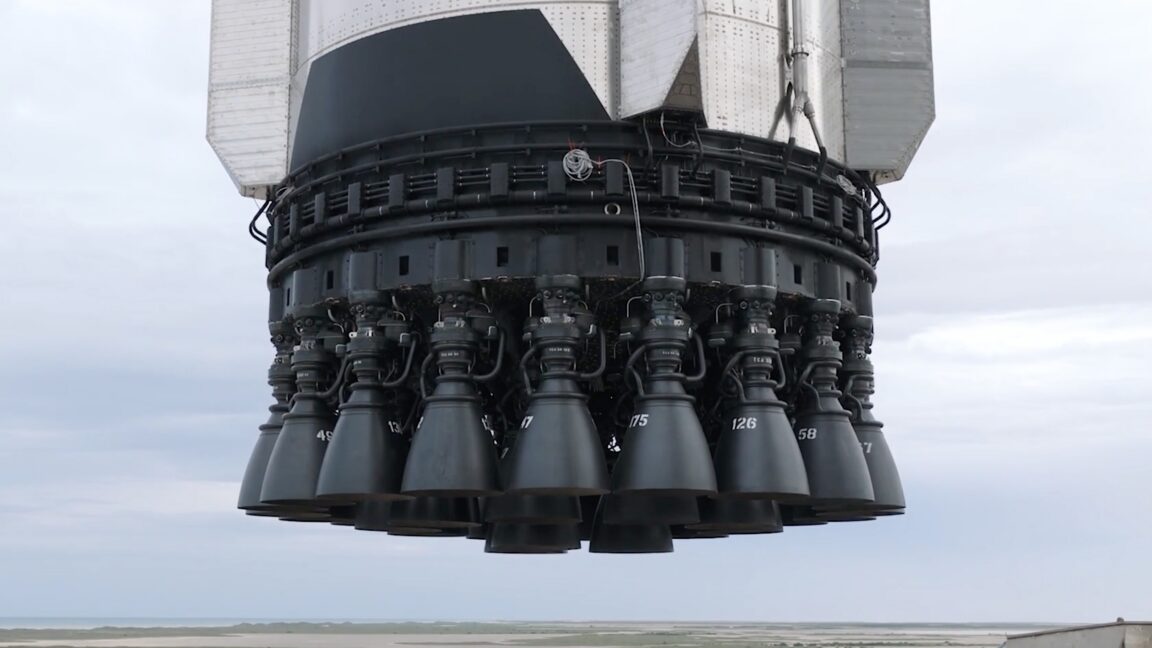
On 20 August Ship 41 underwent a static fire using only the central Raptor engine to simulate the ignition sequence expected for atmospheric re-entry. The following day the same vehicle successfully fired all six of its Raptor engines in a test designed to replicate the hot-staging sequence that will separate the Super Heavy booster and ignite the second stage in flight. After returning to the construction site for inspection and further work, Ship 41’s testing activity moved attention to Booster 21.
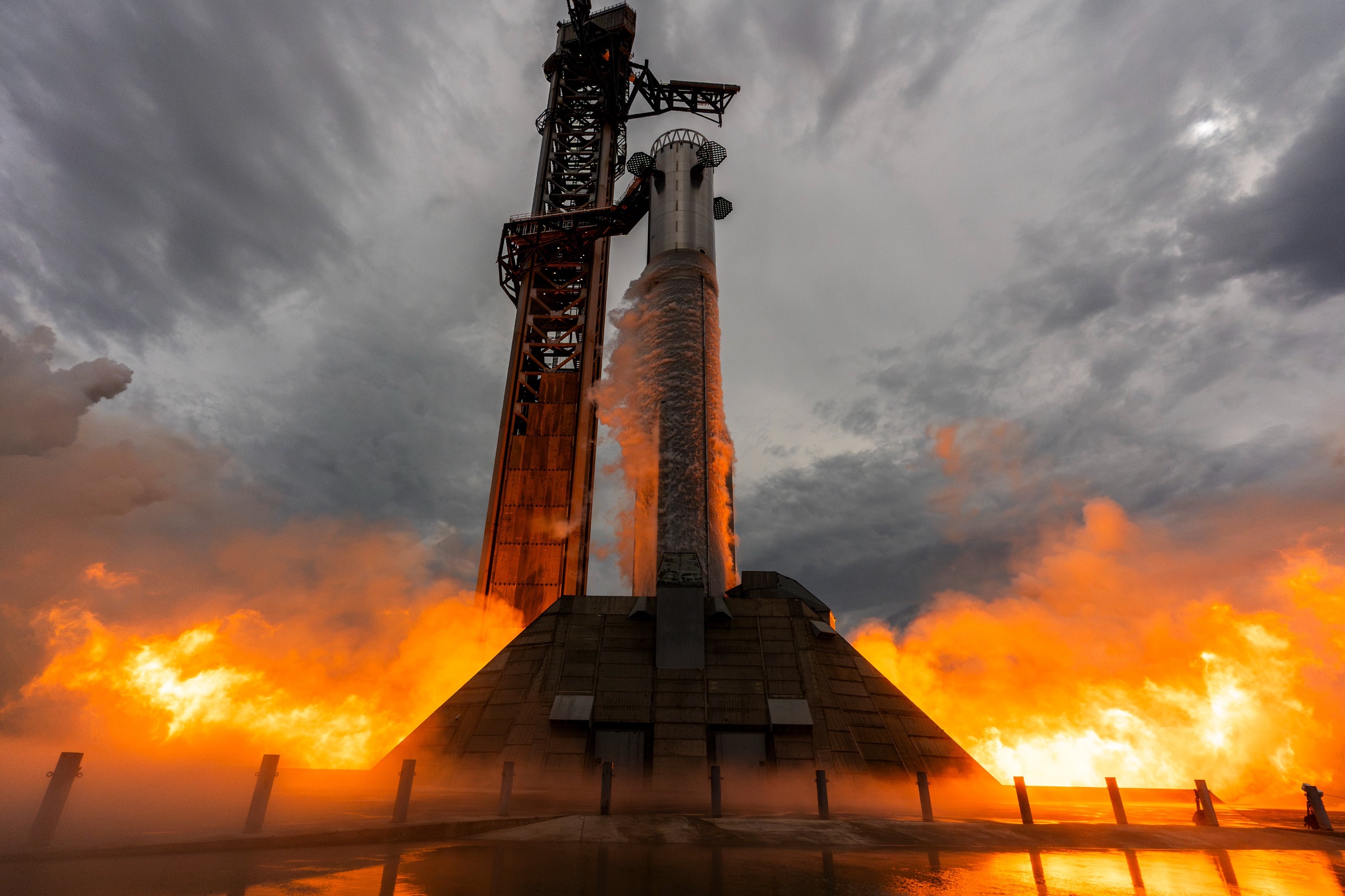
At Pad 2 on 28 August Booster 21 conducted a full-duration static fire, running all 33 of its Raptor engines for approximately 15 seconds. SpaceX reported the test as successful and moved Booster 21 back to the production site for post-test processing. According to Italian outlet AstroSpace.it, these tests represent key milestones as SpaceX prepares what the outlet calls the most important phase of Starship since the project’s inception: the transition toward operational missions.
One of the concrete shifts in that direction is the stated plan for Flight 14 to carry Starlink satellites that would be deployed into orbit and join the megaconstellation. AstroSpace.it reports that this would be the first time Starship attempts to place Starlink payloads into orbit; the launch still requires permits from the Federal Aviation Administration (FAA) before it can proceed. The launch could take place as early as late September 2026, though the exact date is contingent on regulatory clearances.
Parallel to vehicle testing, SpaceX continues to expand Starbase ground infrastructure. Reporting from NASASpaceFlight, cited in AstroSpace.it’s summary of recent events, documents active build-out of assembly, test and launch facilities at Starbase as the company scales toward higher flight cadence. In August SpaceX also submitted plans for a second Starbase in Louisiana while continuing to expand its existing Texas complex. These infrastructure efforts aim to support increased production and launch tempo if operational flights commence.
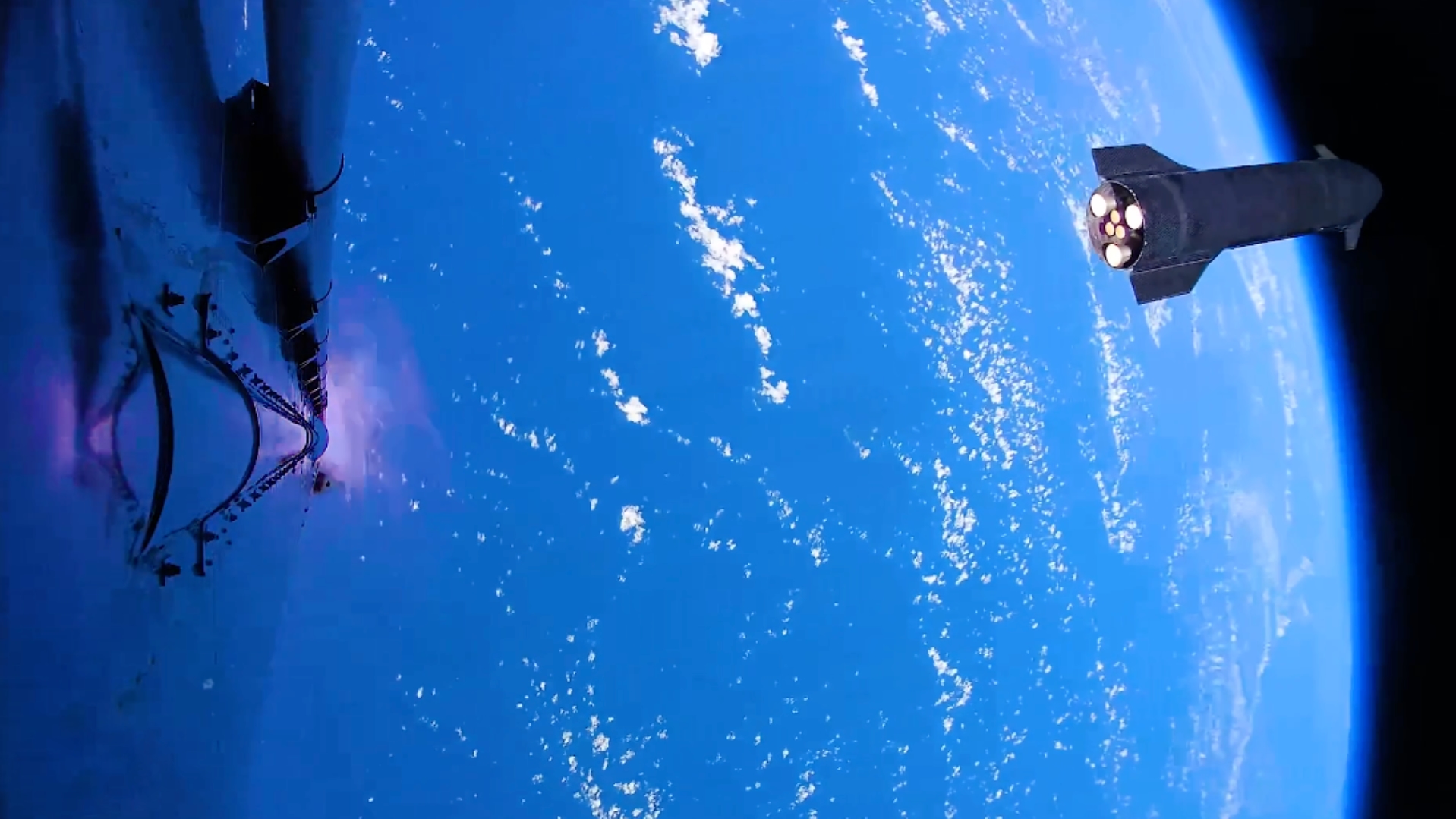
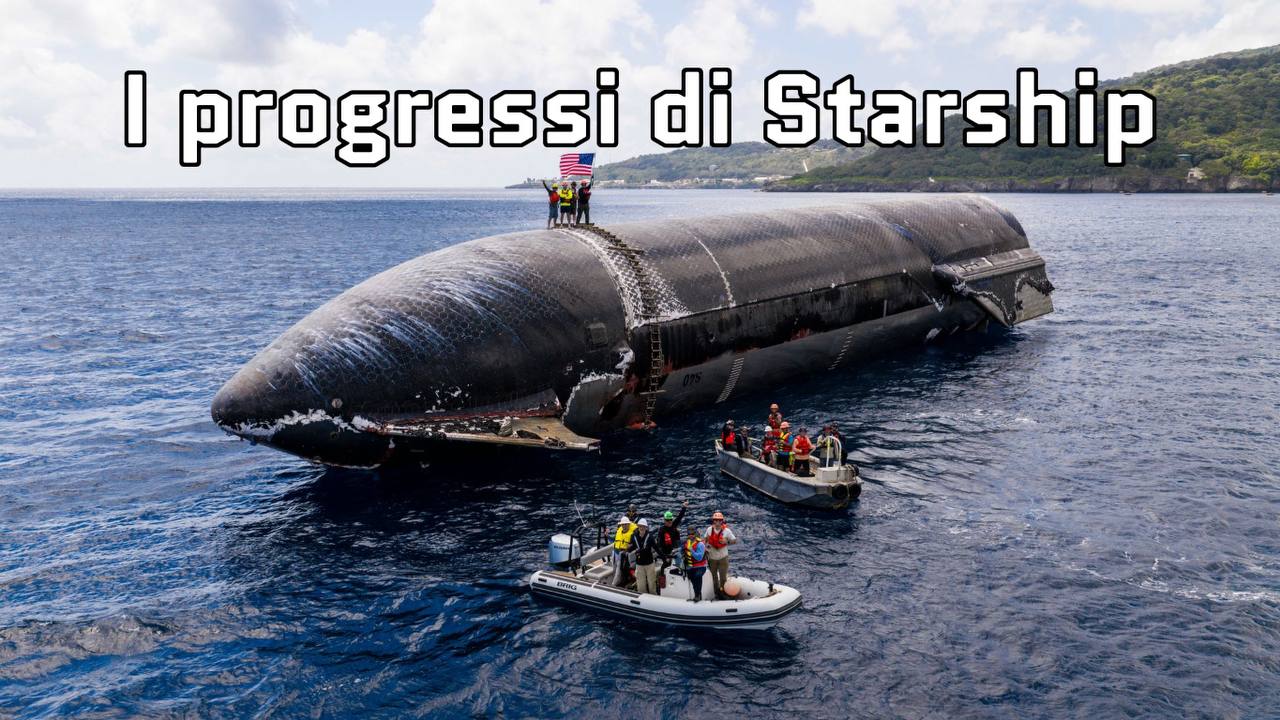
Another visible milestone came when Ship 40 — a previous Starship prototype — was recovered at sea and transferred onto a recovery vessel, then began a return transit. Photographs and reporting covered by media outlets highlight the logistical chain SpaceX is establishing for retrieving and processing flight hardware after ocean recovery.
Looking at the wider launch industry for context, other companies are advancing reusable vehicles in parallel; NASASpaceFlight notes activity at Stoke Space and elsewhere as competitors develop their own large reusable architectures. However, the immediate focus for SpaceX remains pushing Starship into operational service and demonstrating its ability to carry payloads such as Starlink into orbit.
NovΔ mAInd's launch database records SpaceX with 140 launches tracked and a 99.3% success rate, with a first flight on 2025-01-04 and the most recent tracked launch on 2026-09-06; the listed payload capability is 22800 kg to LEO. Our tracker shows Starship | Flight 14 is scheduled for 2026-09-30 and has NOT flown yet.
Uncertainties remain. The FAA must still issue launch and re-entry licenses or waivers for the orbital flight and any associated overflight corridors; AstroSpace.it explicitly notes the permit requirement as a gating item. Technical risk also persists: although static fires demonstrate engine function and integrated systems behaviour on the ground, they do not guarantee success through ascent, staging, re-entry and recovery phases. Any attempt to deploy Starlink satellites from Starship will test integration between SpaceX’s launch vehicle and its satellite constellation practices.
Operationalising Starship carries broader implications. If Flight 14 successfully places payloads into orbit, it would mark a transition from incremental flight testing toward routine commercial or constellation-support missions. Expansion of production and ground infrastructure in Texas and a proposed site in Louisiana indicate SpaceX is planning for higher throughput. Conversely, regulatory pauses or technical setbacks would slow that timetable and keep Starship in a predominantly flight-test role for longer.
For now, the programme’s immediate milestones are clear: complete remaining ground checks and regulatory approvals, conduct Flight 14 as scheduled, and demonstrate the vehicle’s ability to carry and release operational payloads. The coming weeks will determine whether Starship moves from high-profile flight tests into its next operational chapter.