SpaceX Faces Setback with Starship Flight 13 Launch Abort
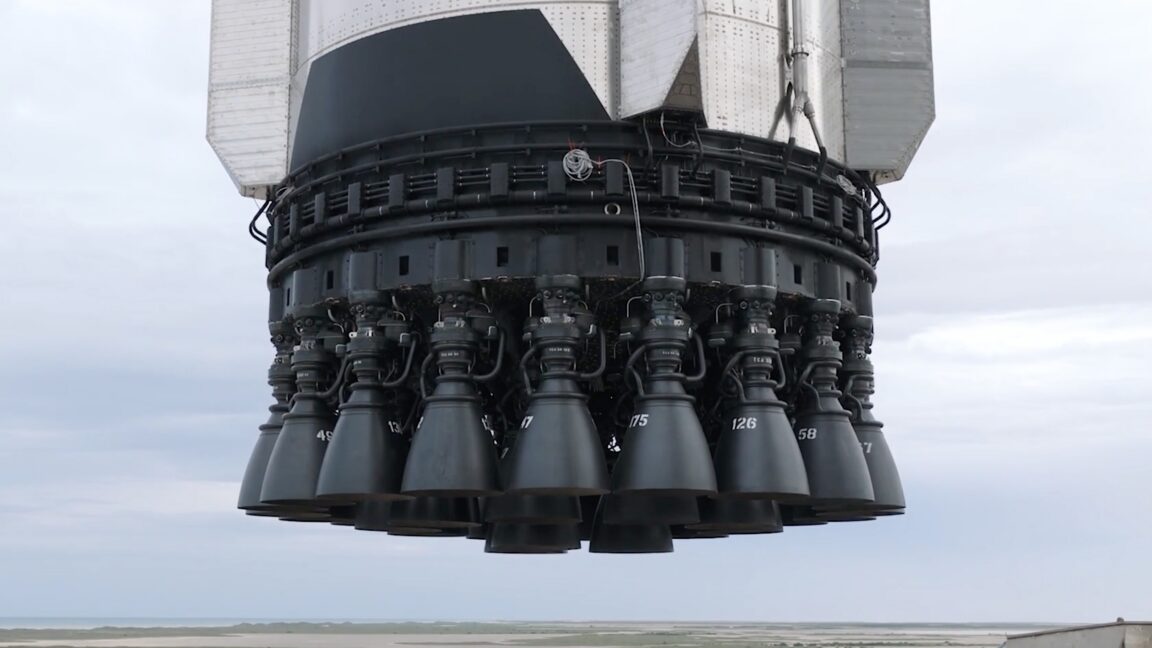
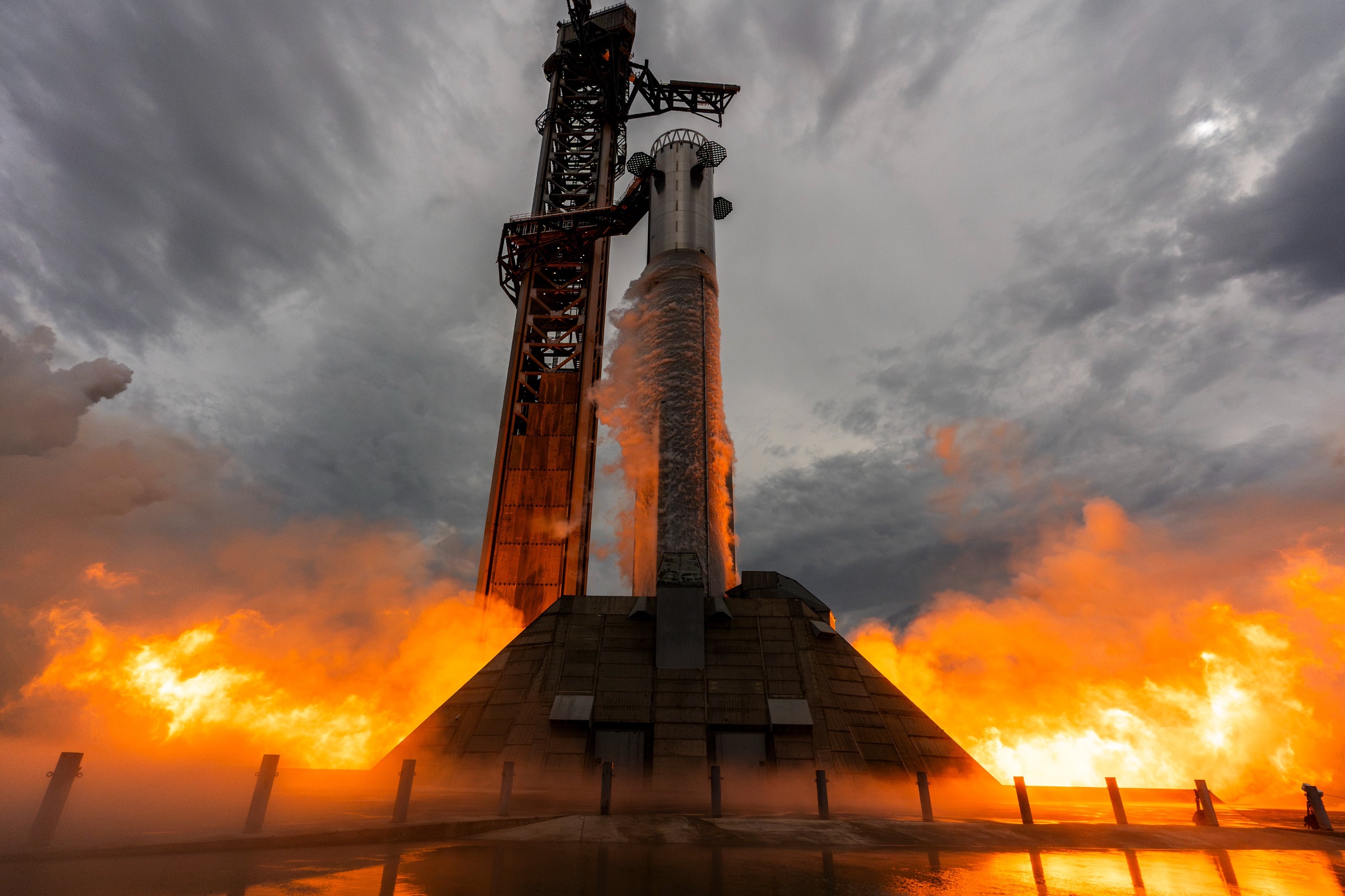
On July 16, 2026, SpaceX's latest Starship test flight, designated Flight 13, was aborted just as the countdown reached T-0 at the company's Starbase facility in Texas. The abort occurred when some of the Raptor engines on the Super Heavy booster failed to ignite. This automatic abort highlights the challenges SpaceX faces as it continues to develop and refine its next-generation spacecraft.
SpaceX CEO Elon Musk quickly addressed the situation on social media platform X, explaining that the company would replace two of the malfunctioning Raptor engines. Musk indicated that the next launch attempt could occur as early as next week. The Starship V3, an upgraded version of the vehicle, is at the heart of SpaceX's plans for future orbital and interplanetary missions.
Technical Challenges and Mission Objectives
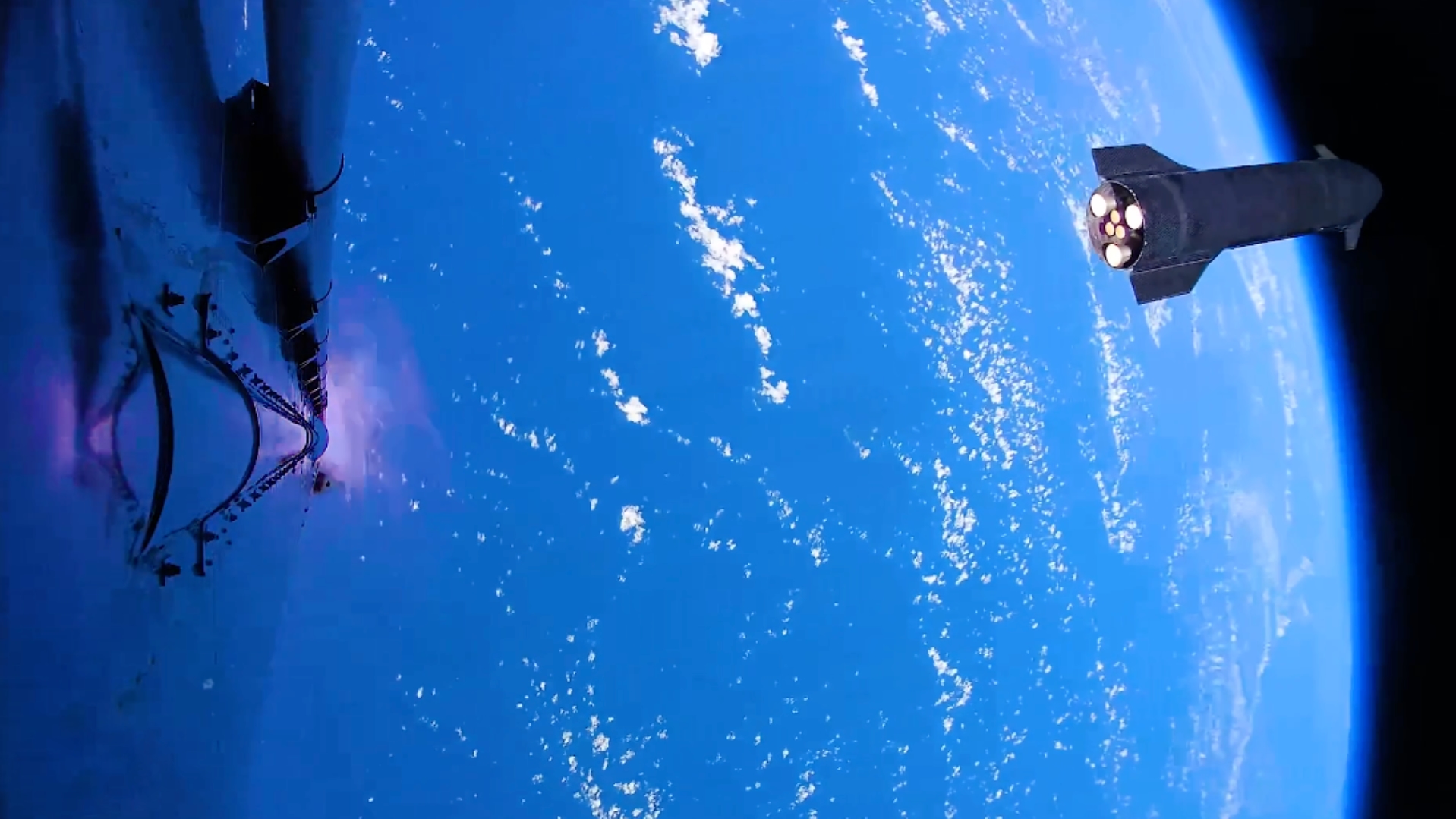
The Flight 13 mission represented the second flight of Starship V3, following Flight 12 in May 2026, which experienced its own set of challenges. While that mission saw the successful deployment of Starlink simulators, it also encountered issues with the Super Heavy booster and the Starship's upper stage engines. To address these issues, SpaceX has implemented changes in the engine startup sequence, aiming to enhance reliability and performance.
Flight 13 was set to carry 20 functioning Starlink V3 satellites, marking a departure from previous test flights that utilized mass simulators. These advanced satellites are designed to offer significantly higher data throughput, with each providing 1 terabit per second of downlink capacity, and 160 gigabits per second of uplink capacity. The mission's brief suborbital trajectory was to include testing satellite deployment, solar array and antenna deployment, and communication tests with ground stations and other satellites.
Financial Implications and SpaceX's Public Offering
This launch attempt was the first for SpaceX as a publicly traded company, following its record-breaking IPO in June 2026, which raised over $85 billion. Despite this financial success, SpaceX's stock has seen fluctuations, partly due to the challenges associated with the Starship program. The aborted launch led to a further decline in stock value, emphasizing the market's sensitivity to SpaceX's performance in its ambitious