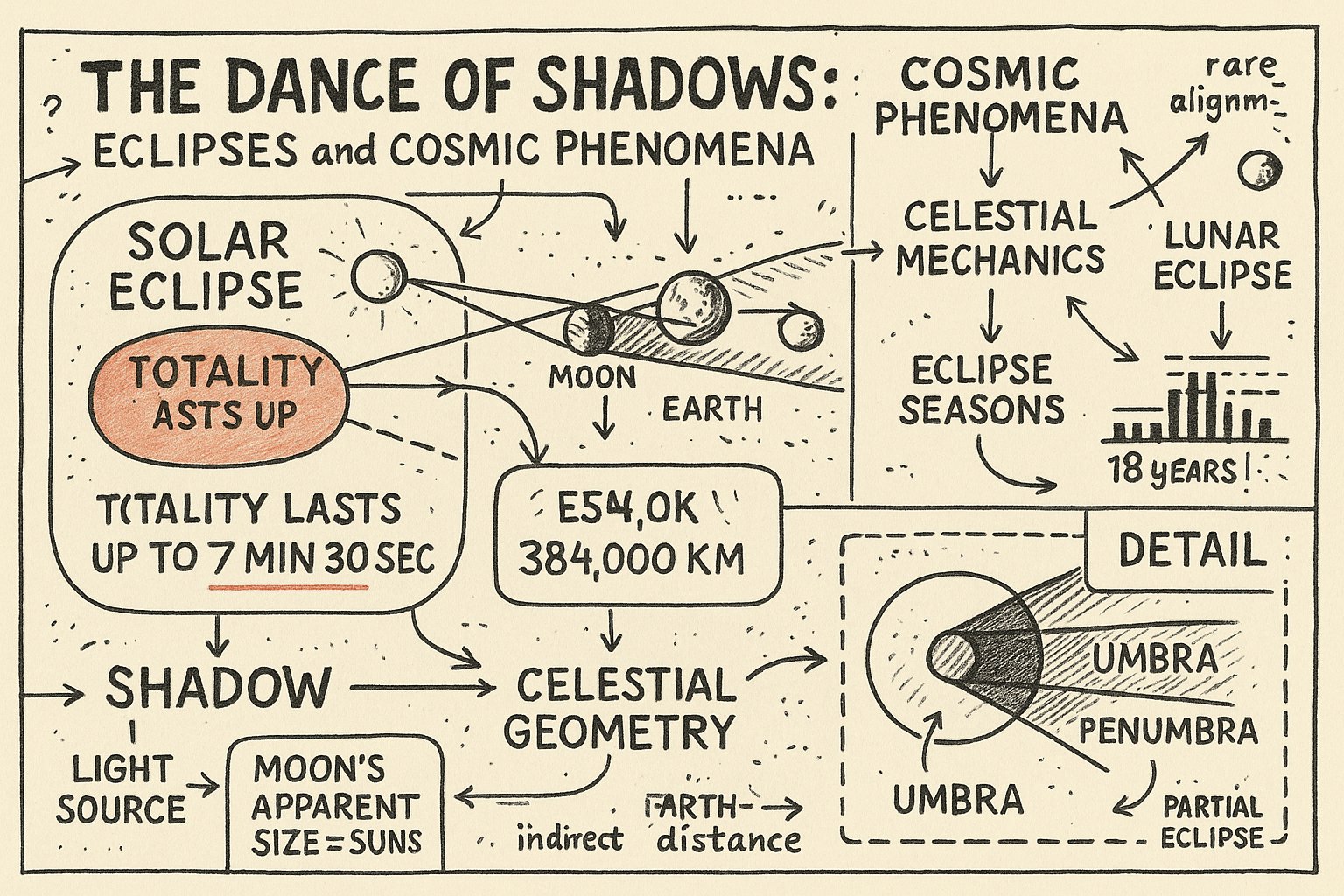
As humanity continues its quest to explore and understand the universe, celestial events like eclipses offer more than just a spectacle; they serve as windows into the mechanics of our solar system and the cultural narratives that accompany them. Recent astronomical events, particularly those captured by NASA's Astronomy Picture of the Day (APOD), highlight the intricate dance of cosmic bodies and their shadows.
The Role of Eclipses in Science and Culture
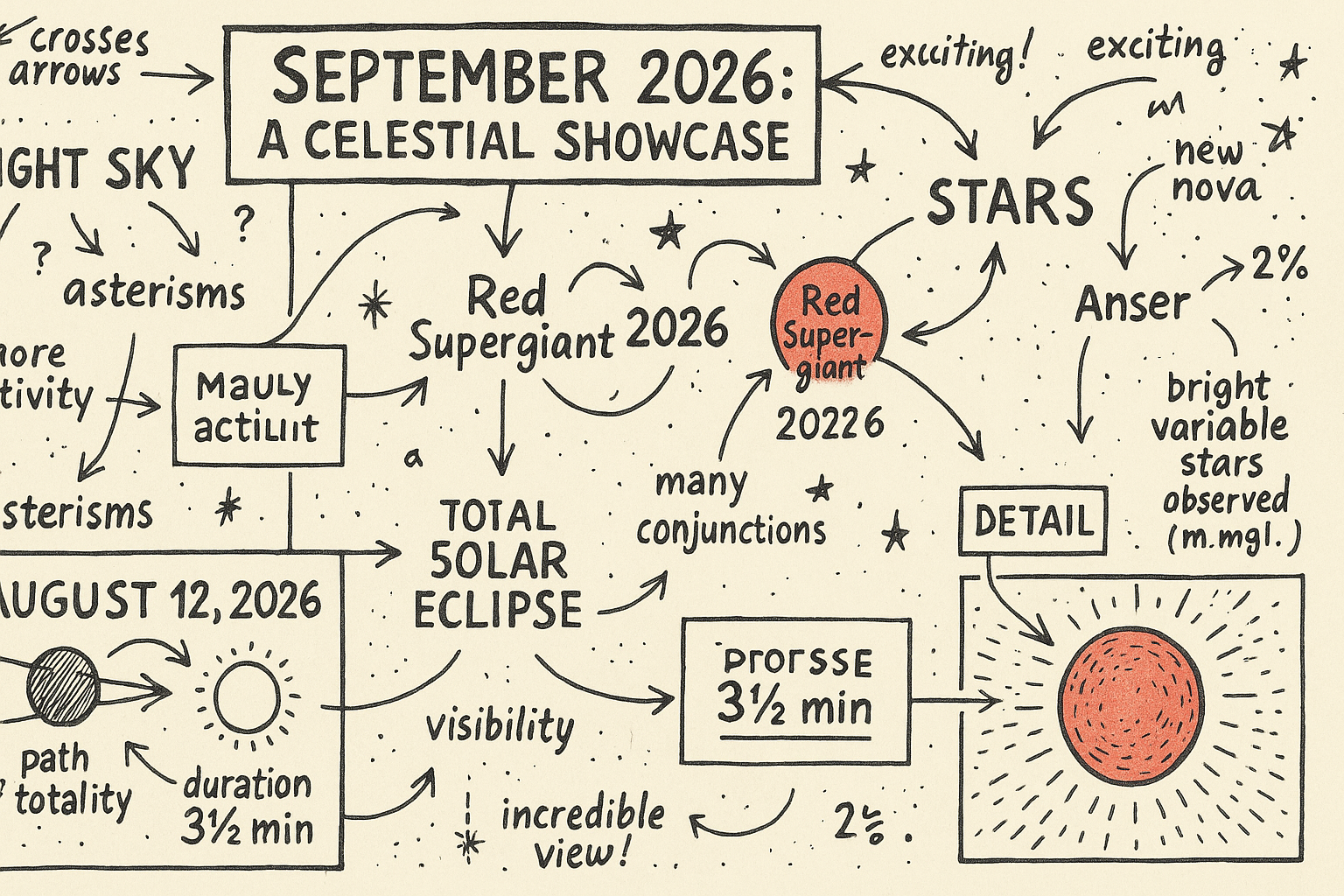
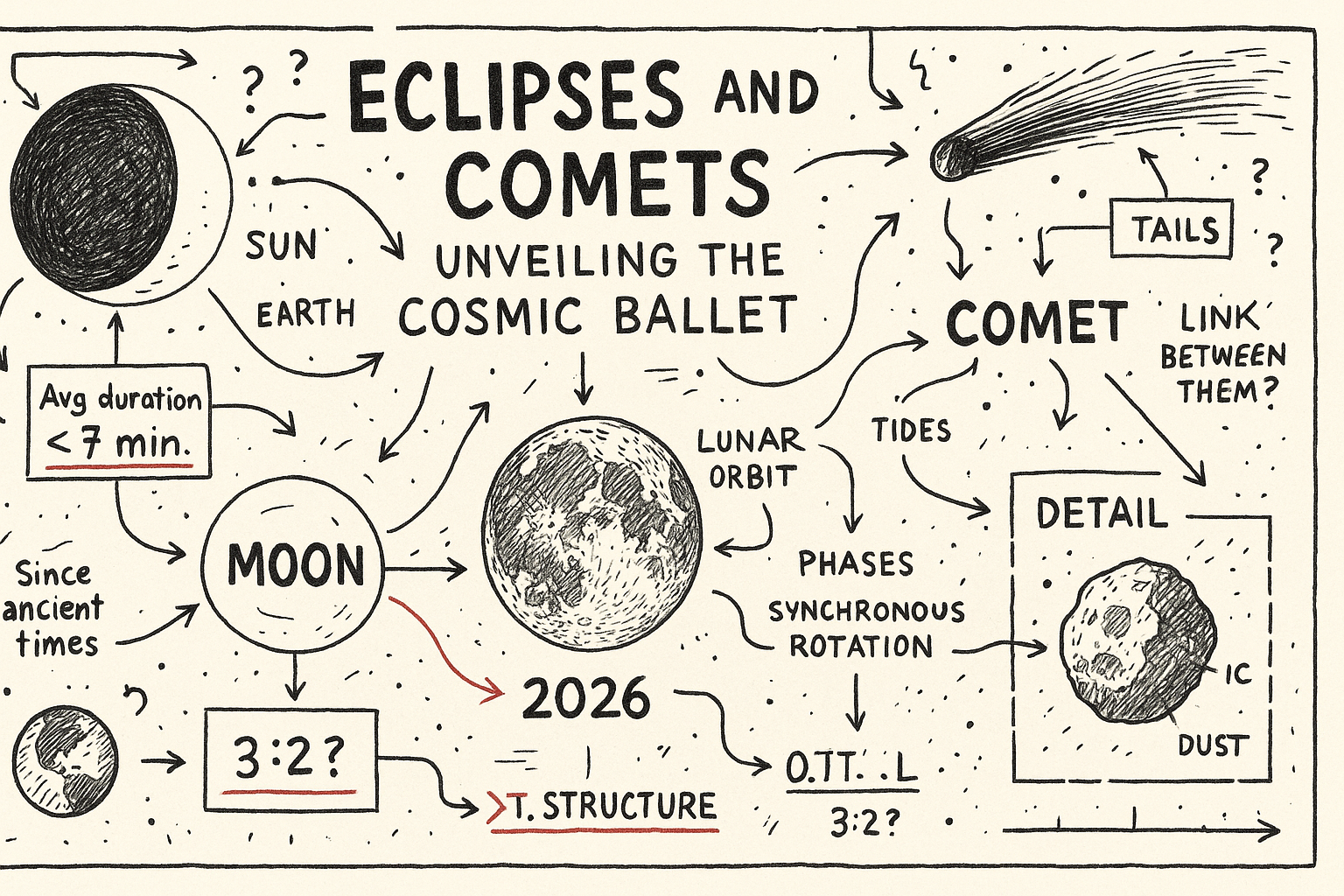
Beyond the awe-inspiring visuals, eclipses provide invaluable scientific opportunities. For instance, the shadow of the Moon during a solar eclipse allows scientists to study the Sun's corona, the outermost part of its atmosphere. These observations can yield insights into solar winds and their effects on Earth's magnetosphere. Intriguingly, such events have also influenced cultural narratives across civilizations, often perceived as omens or divine interventions.
In a recent APOD entry titled 'Chasing the Moon’s Shadow,' the phenomenon of lunar and solar eclipses is explored through both a scientific and cultural lens. This dual perspective is essential in understanding how different societies interpret these events. Another APOD entry, 'Solar Eclipses and Culture,' underscores this by delving into the cultural significance of eclipses throughout history.
From Nebulae to Eclipses: A Universe in Motion
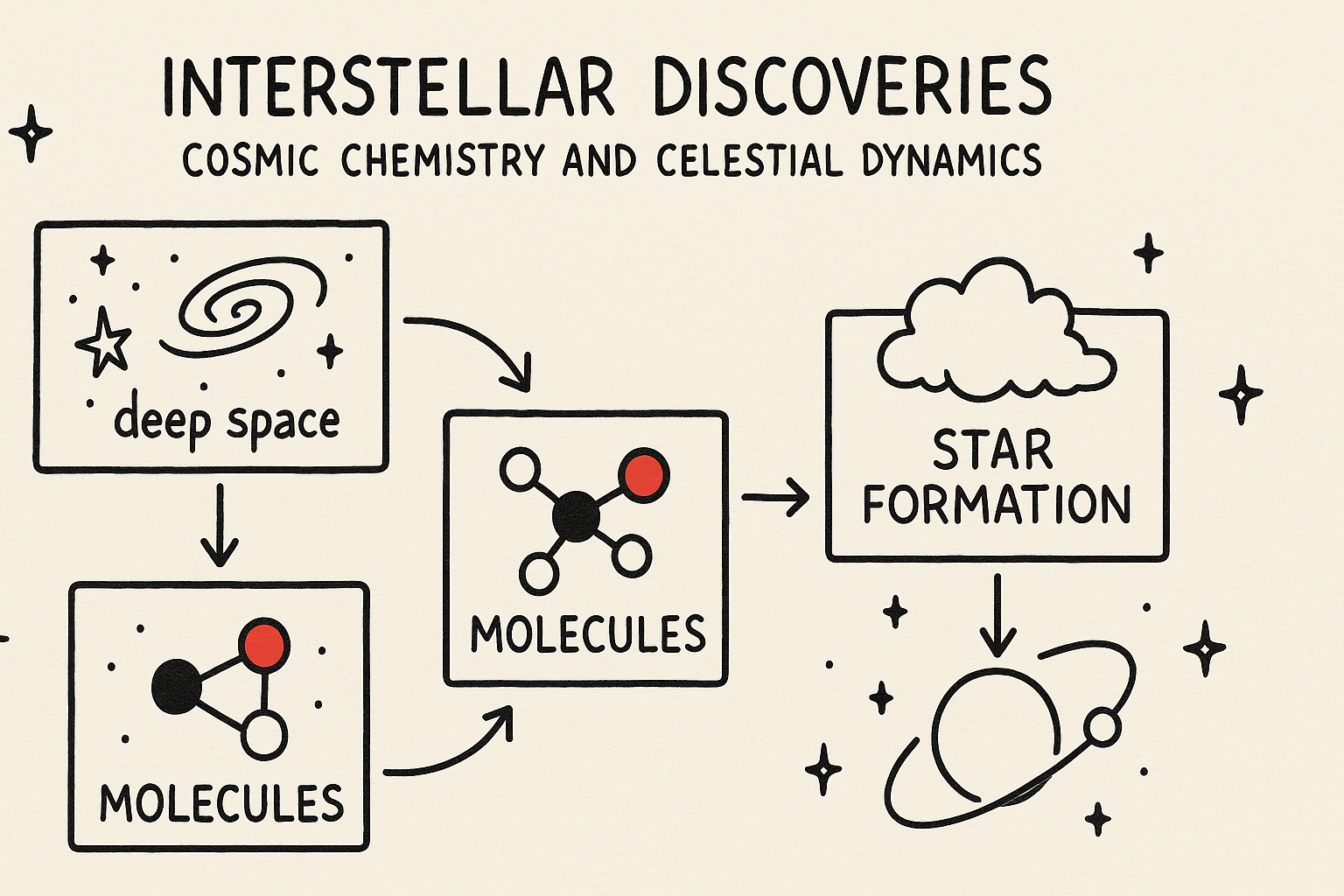
While eclipses capture the imagination with their transient beauty, other celestial phenomena like the Giraffe Nebula (LDN 1295) and the Pelican Nebula reveal the universe's ongoing processes of creation and destruction. These nebulae, consisting of gas and dust, are stellar nurseries where new stars are born. The APOD images of these nebulae serve as reminders of the larger cosmic cycles at play.
Interestingly, these nebulae share a conceptual link with eclipses: both are transient, albeit on vastly different timescales. Eclipses are brief, lasting only a few minutes, while nebulae evolve over millions of years. This juxtaposition invites us to ponder the temporal scales of cosmic phenomena and our place within them.
Surprising Insights and Future Implications
One surprising aspect of recent observations is the role of near-misses in astronomy, as discussed in the article 'The night we nearly saw a 'blood moon.' These near-misses, while not as immediately dramatic as full eclipses, provide critical data that can refine our understanding of celestial mechanics. This raises an intriguing possibility: could these 'almost' events be as scientifically valuable as the phenomena that do occur?
The future of eclipse observation is promising, with technological advancements offering more precise measurements and broader access to these events. As we look ahead, the challenge will be to integrate these observations with cultural narratives, enriching both scientific knowledge and cultural heritage.
In conclusion, the interplay between cosmic events and human culture is a dance as old as civilization itself. As we continue to chase the shadows of the Moon and explore the nebulae of distant galaxies, we find ourselves not only learning about the universe but also about the stories we tell to make sense of it.