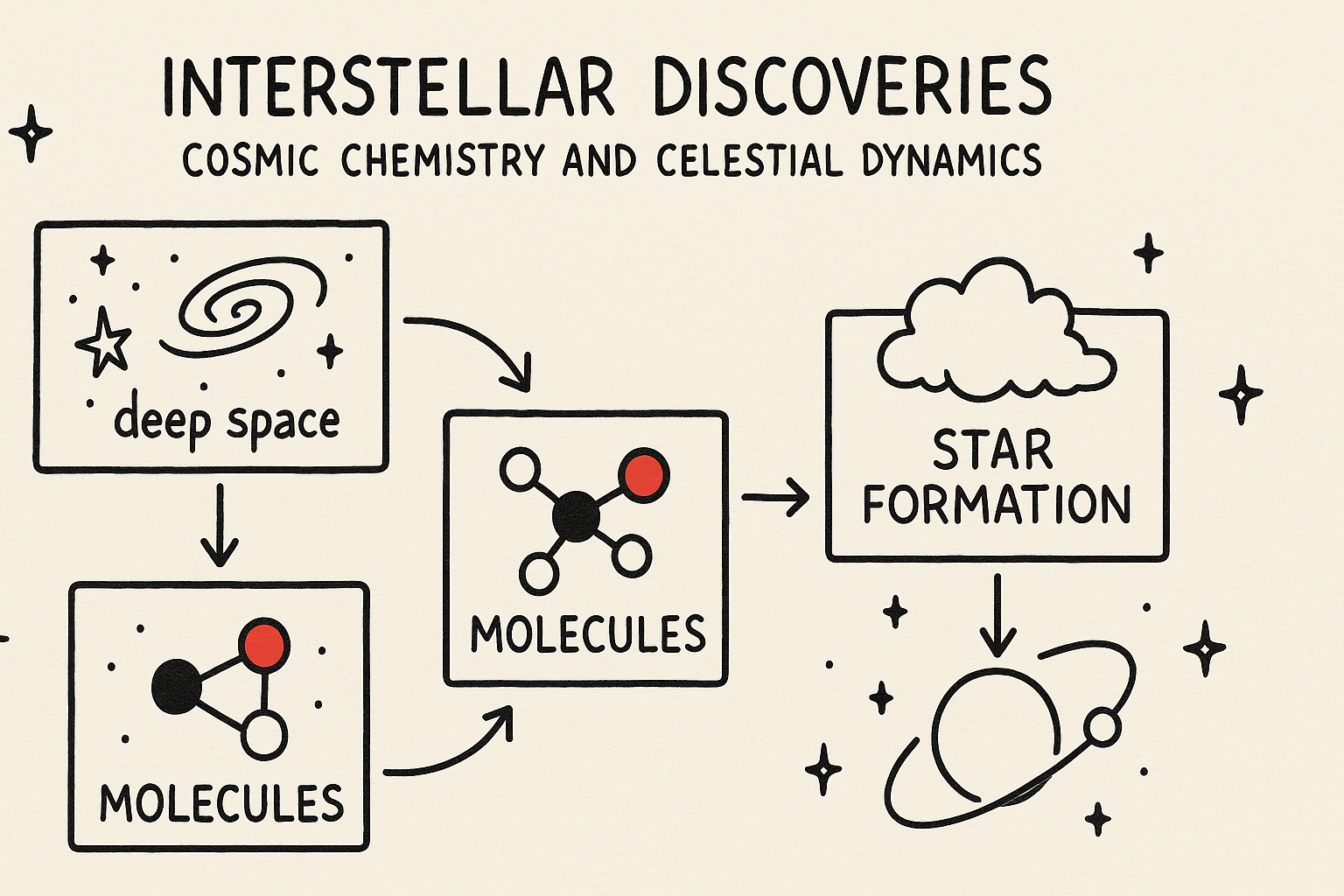
The vastness of space often conjures images of an empty void, yet recent discoveries remind us of its dynamic and complex nature. The identification of a four-carbon sugar in deep space (Source 1) exemplifies the incredible chemical diversity that exists between stars. This discovery adds to the list of organic compounds found in interstellar clouds, hinting at the chemical precursors necessary for life.
Historically, such findings evoke parallels with the Miller-Urey experiment, which simulated early Earth conditions and demonstrated that organic molecules could arise from inorganic compounds. The discovery of complex sugars like erythrose in space suggests a cosmic potential for life's building blocks to form long before planets become hospitable.
Impact Events Shaping Planetary Rotation
In another corner of our cosmic neighborhood, Venus presents an enigma with its slow retrograde rotation. Recent studies suggest that this peculiar spin was likely the result of a collision with a moon-sized impactor (Source 2). Such a cataclysmic event, occurring over 4.5 billion years ago, could explain Venus's unique rotational dynamics, offering insights into how violent impacts can alter planetary characteristics.
This revelation draws attention to the role of celestial collisions in shaping planetary systems. It resonates with theories about Earth's own moon formation, believed to have resulted from a collision with a Mars-sized body. These cosmic billiards highlight the delicate balance and chaos that define planetary evolution.
Survivors of Cosmic Catastrophes
Elsewhere in the solar system, a peculiar moon orbiting Neptune may be the lone survivor of a colossal upheaval (Source 3). This moon's existence hints at the violent history of planetary systems, where moons and planets could be remnants of more extensive bodies shattered by cosmic events.
Such findings invite speculation about the resilience of celestial bodies and their ability to endure through eons of cosmic violence. These survivors serve as time capsules, preserving the history of their tumultuous past.
The Quasar Chronicles: Black Hole Mysteries
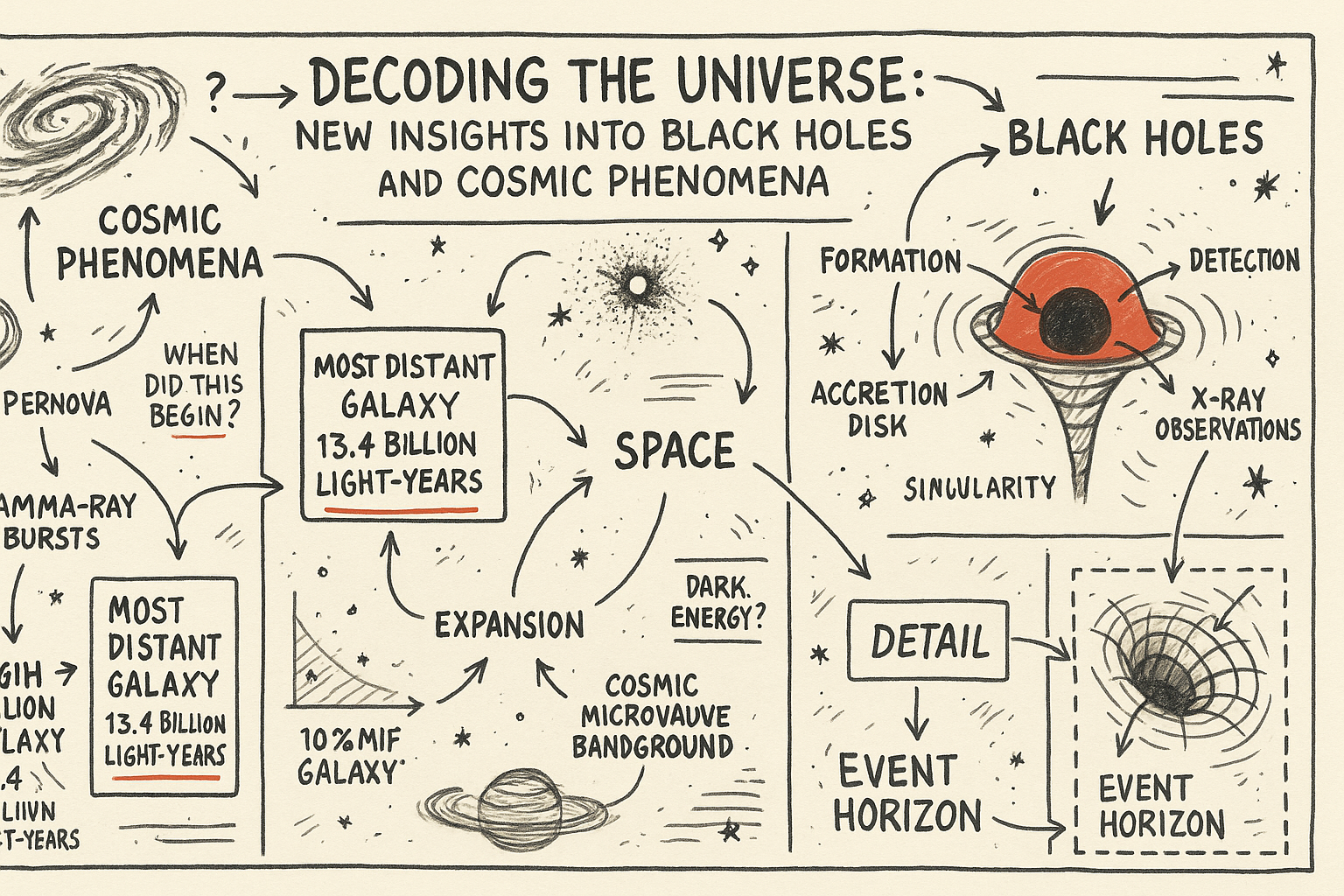
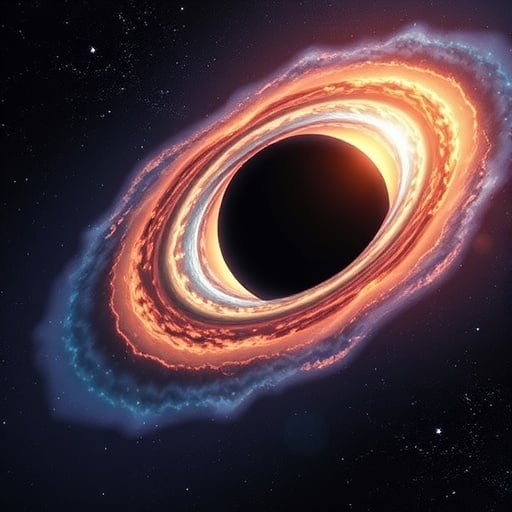
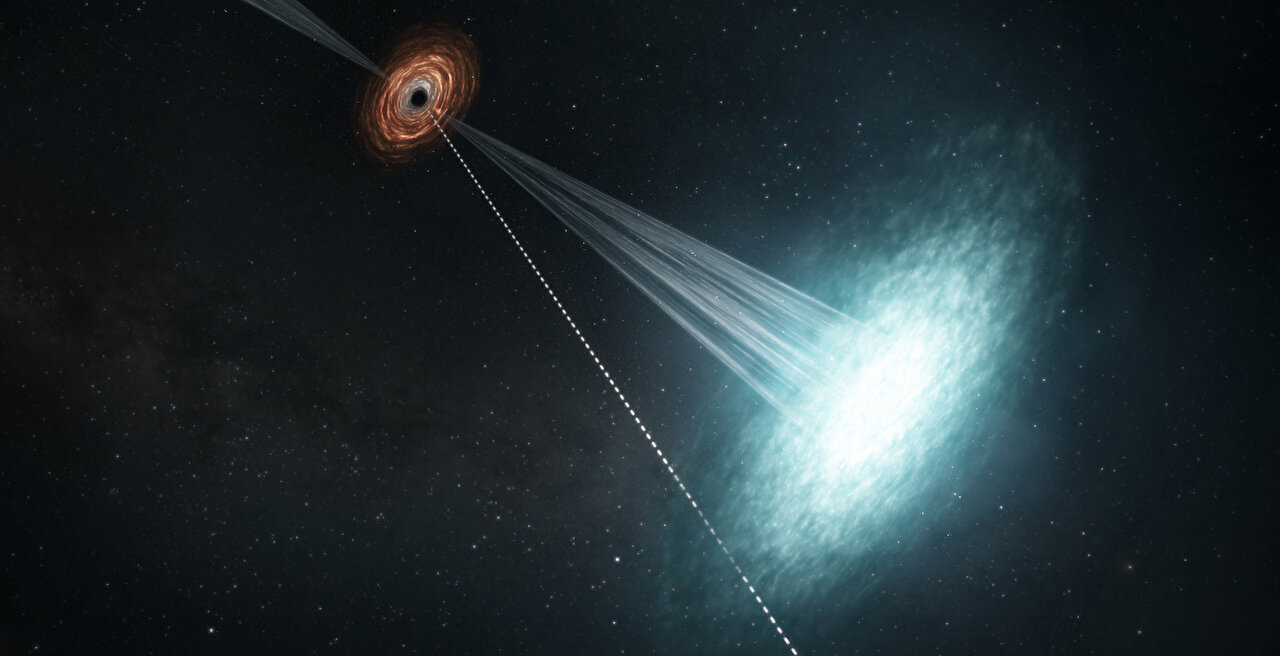
Turning our gaze to the far reaches of the universe, the discovery of the earliest flickering quasar (Source 6) provides clues to the formation and growth of supermassive black holes. These quasars, with their immense energy output, offer a glimpse into the universe's primordial conditions.
In tandem, recent observations of rapid winds emanating from quasars (Source 8) challenge our understanding of black hole environments. These winds, traveling at a significant fraction of the speed of light, reshape our knowledge of the energetic processes occurring near these cosmic giants.
These discoveries underscore the importance of black holes in cosmic evolution, impacting surrounding matter and potentially influencing galaxy formation.
Interconnected Cosmic Narratives
The synthesis of these findings reveals an interconnected narrative of cosmic evolution. From the chemical precursors of life drifting in interstellar clouds to the colossal impacts that shape planetary spins, and the enigmatic forces surrounding black holes, each discovery is a piece of a larger cosmic puzzle.
As we continue to explore the universe, our understanding of these phenomena not only deepens but also raises new questions about the origins and fate of cosmic structures. The integration of these insights could lead to groundbreaking theories about the universe's past and future.
Future Implications
The implications of these discoveries extend beyond academic interest, potentially influencing future space exploration and astrobiology. Understanding the chemical complexity in space could guide the search for life beyond Earth, while insights into planetary dynamics might inform missions to study planetary systems' stability and formation.
In sum, as we unravel the universe's mysteries, each discovery opens new pathways for exploration, challenging our perceptions and expanding the frontier of human knowledge.