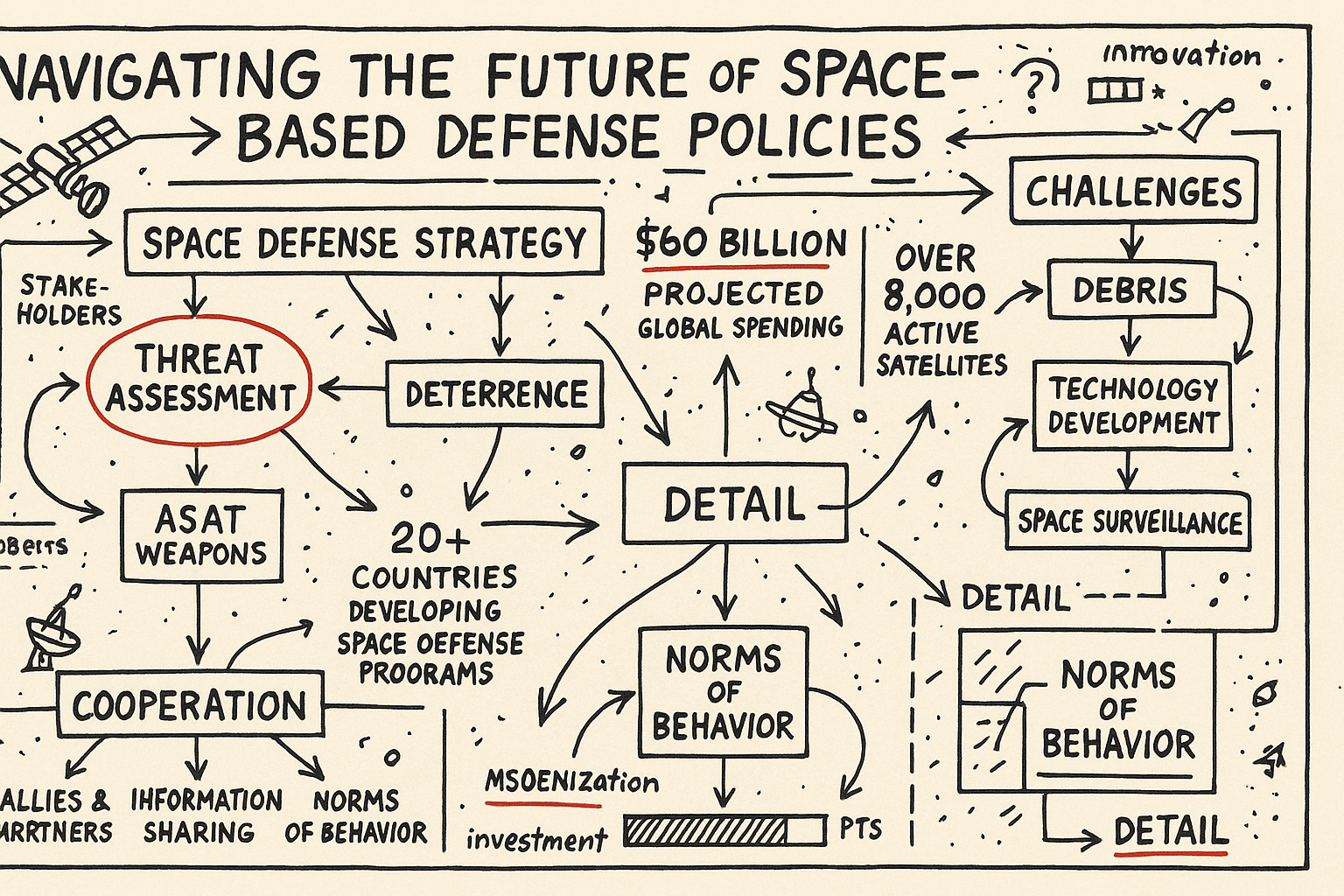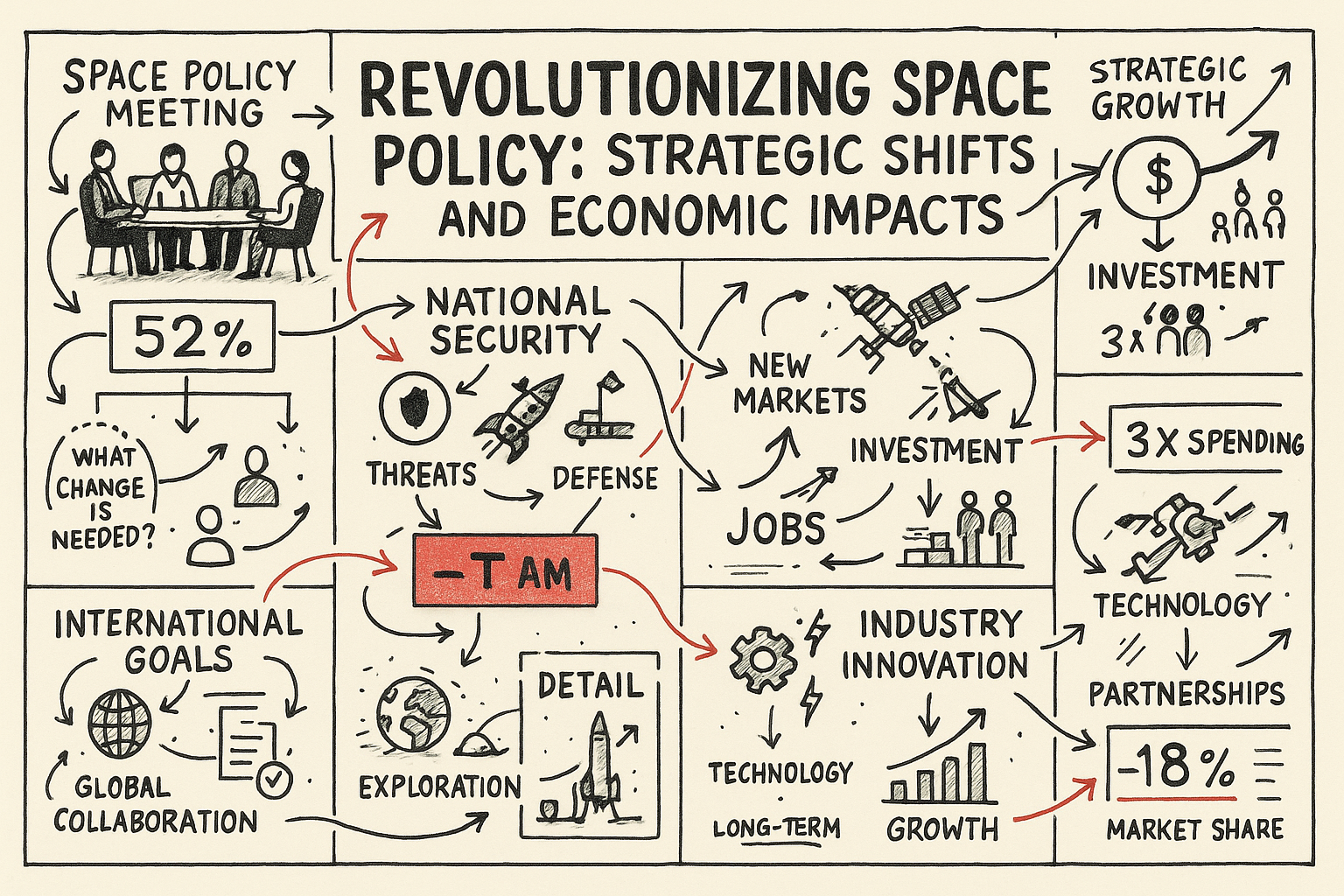
The landscape of global defense is rapidly evolving, with space emerging as a pivotal arena for geopolitical and economic strategies. Recent developments highlight a significant shift towards militarization of space, underscoring both the strategic importance of space assets and the economic ramifications of this transformation.
A New Era of Space Militarization
The United States has publicly acknowledged the deployment of space weapons, marking a new chapter in military strategy. Air Force Secretary Troy Meink's confirmation of these orbital assets emphasizes the importance of space in national defense. This move is not isolated; it aligns with broader international trends. The U.K.'s latest space strategy also highlights defense as a priority, aiming to consolidate space activities for growth and security.
NATO's recent investments in space defense further illustrate this trend. The organization is actively preparing for the 'new era of space defense,' as stated by NCIA GM Dylan Browne. This shift is not just about expanding military capabilities but also about leveraging economic advantages in space technology and infrastructure.
The Role of AI and Data in Space Defense
As the number of satellites monitoring global activities increases, the challenge lies in processing and interpreting the vast amounts of data generated. The Space Force is increasingly relying on artificial intelligence to expedite intelligence delivery to military commanders. This reliance on AI is crucial for maintaining strategic advantages.
The Defense Innovation Unit's call for AI systems to predict space threats is indicative of a broader trend: the intersection of cutting-edge technology and defense strategy. This not only enhances military readiness but also drives economic growth in the tech sector, creating new opportunities for innovation.
Economic Implications of Space Militarization
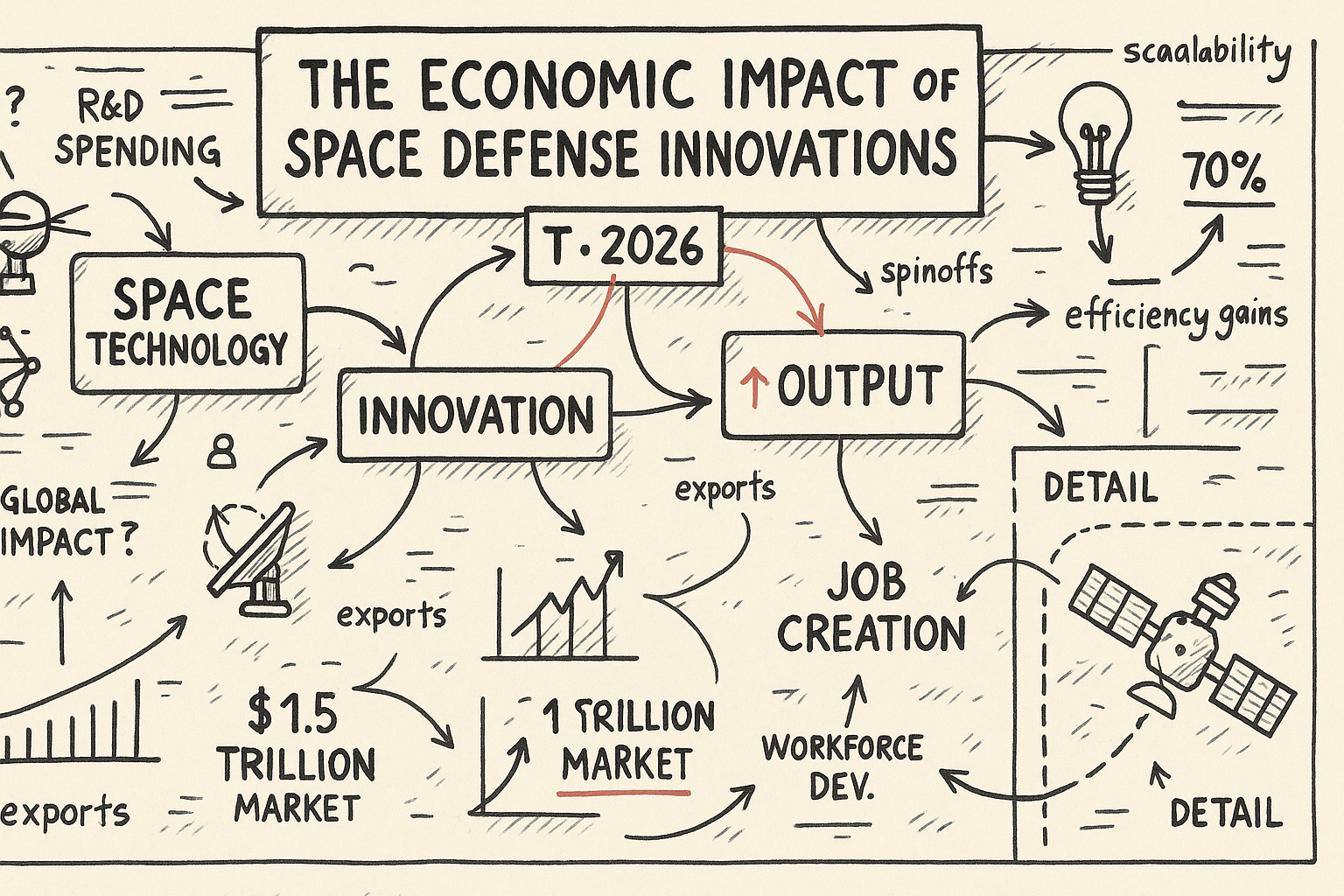
The militarization of space has profound economic implications. Investments in space defense drive technological advancements, which can have spillover effects into civilian sectors. For instance, advancements in satellite technology and AI can enhance telecommunications, weather forecasting, and global positioning systems, all of which have significant economic value.
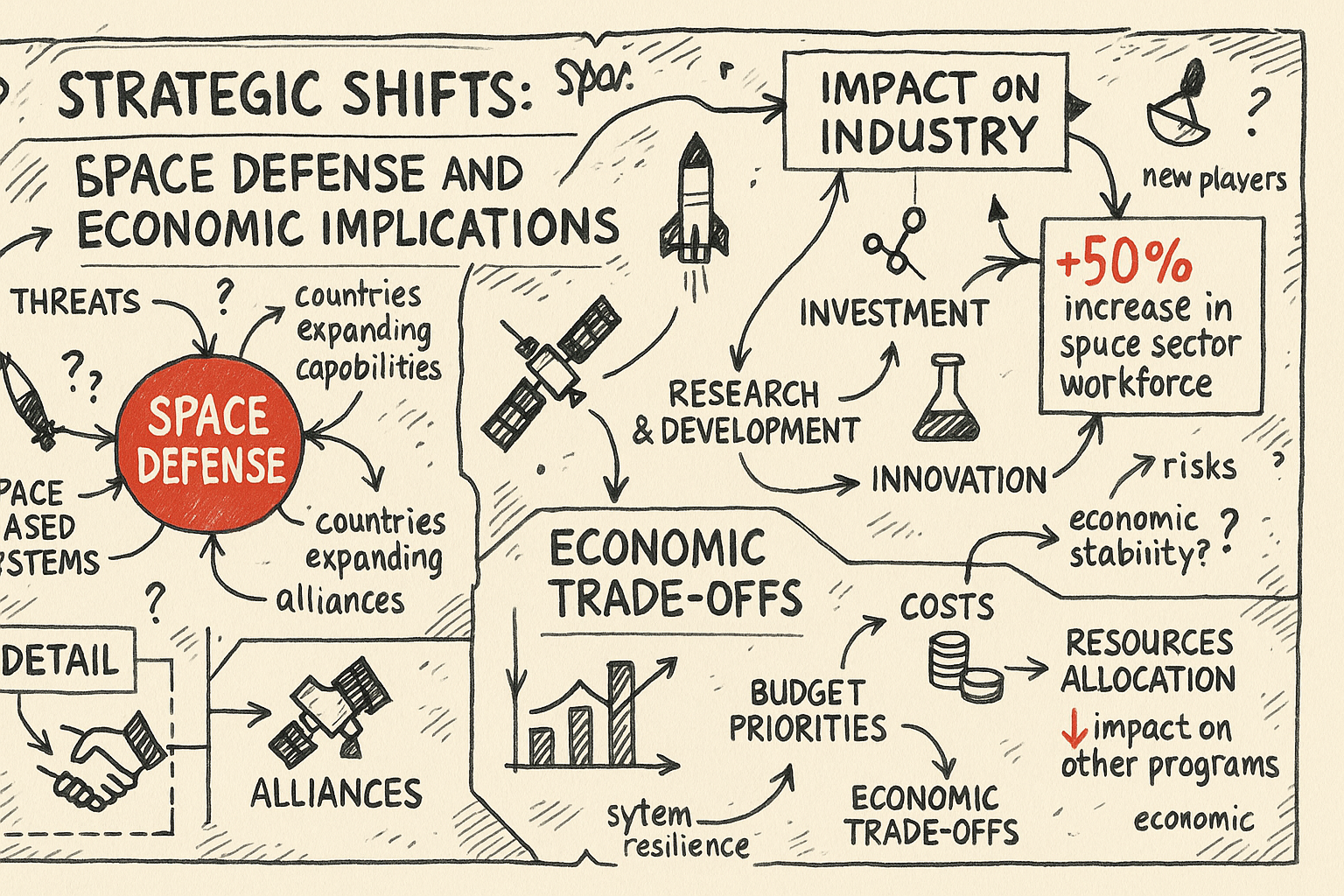
However, this shift also comes with challenges. The economic burden of developing and maintaining space defense capabilities can strain national budgets, particularly in countries with limited resources. Moreover, as space becomes a contested domain, the risk of conflicts could disrupt commercial space activities, impacting industries reliant on satellite services.
Workforce Challenges and Future Prospects
As Gen. Douglas Schiess assumes command of the U.S. Space Force, the service faces workforce shortages. This highlights a critical issue in the space sector: the need for skilled professionals to support expanding military and commercial activities. Addressing this shortage is essential for sustaining growth and innovation in the space economy.
The expansion of space defense capabilities presents both opportunities and challenges. For nations and private enterprises, staying ahead in this domain requires strategic investments in technology, infrastructure, and human resources. As space becomes integral to national security and economic prosperity, the interplay between these factors will shape the future of global power dynamics.