Avio reports surge of commercial customers after SpaceX limits Falcon 9 availability
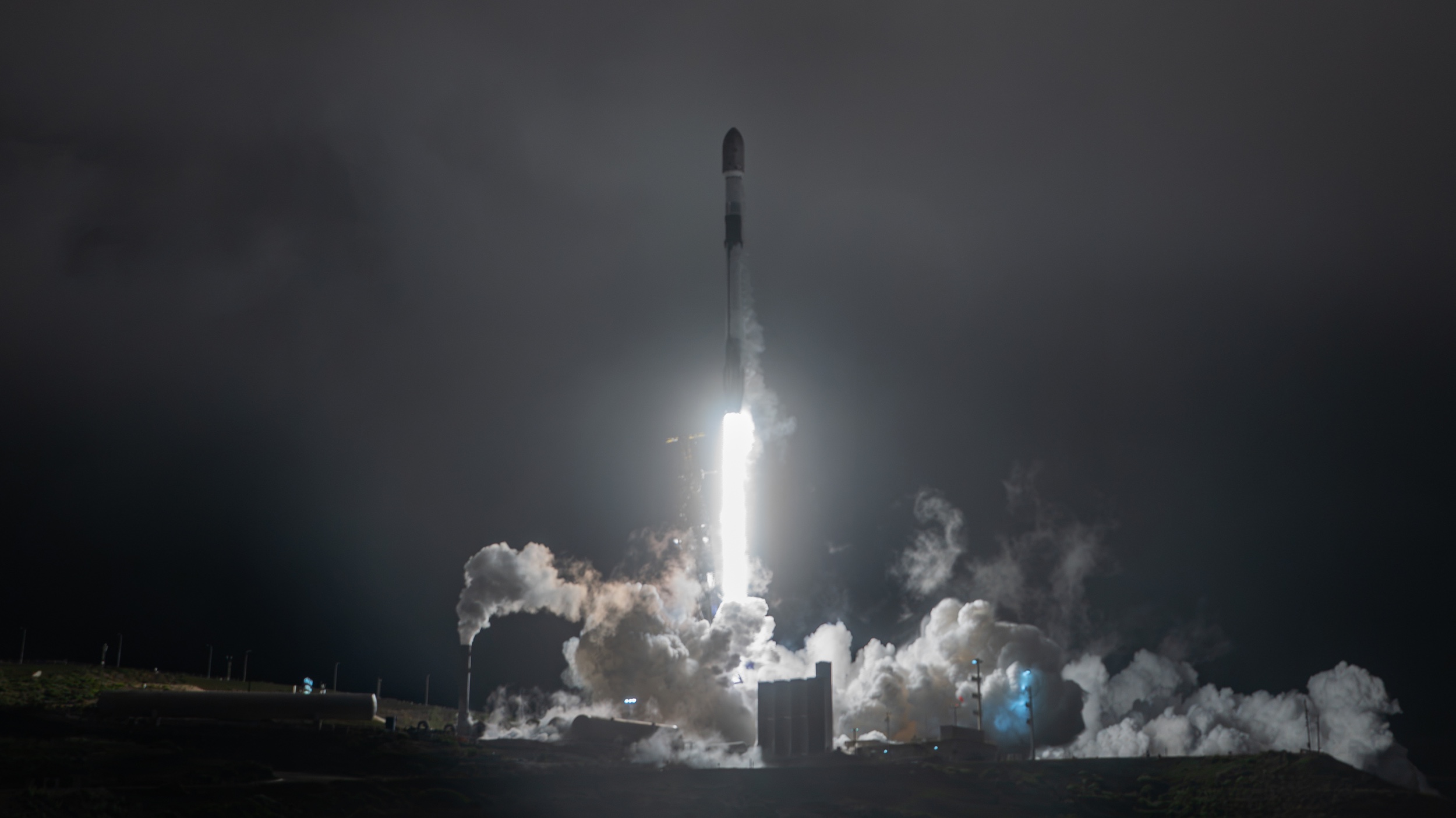
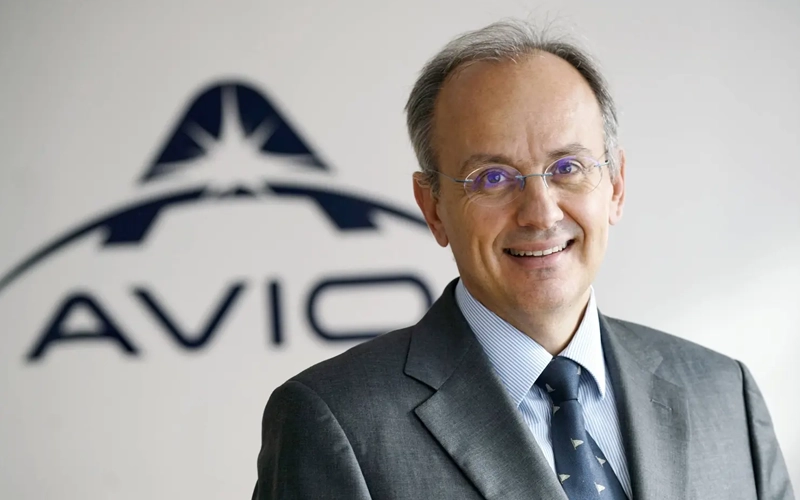
Avio, the Italian launch services provider, has been approached by a wave of commercial satellite operators left without Falcon 9 options after SpaceX began limiting new commercial reservations, Avio Chief Executive Officer Giulio Ranzo said during the company’s 10 September earnings call and at an executive symposium reported in mid-September 2026.
Ranzo told investors that prospective customers have been arriving at Avio asking, “oh my God, can you fly us?” He placed that demand in the context of a shift at SpaceX away from wide commercial rideshare availability — a strategy that for years had exerted strong downward pressure on launch pricing through high-frequency Transporter missions and low-cost Falcon 9 rideshares. “Guess what? The party is finished, and they don’t do that anymore,” Ranzo said, adding that Avio is now entertaining renewed conversations with customers who had previously focused only on SpaceX.
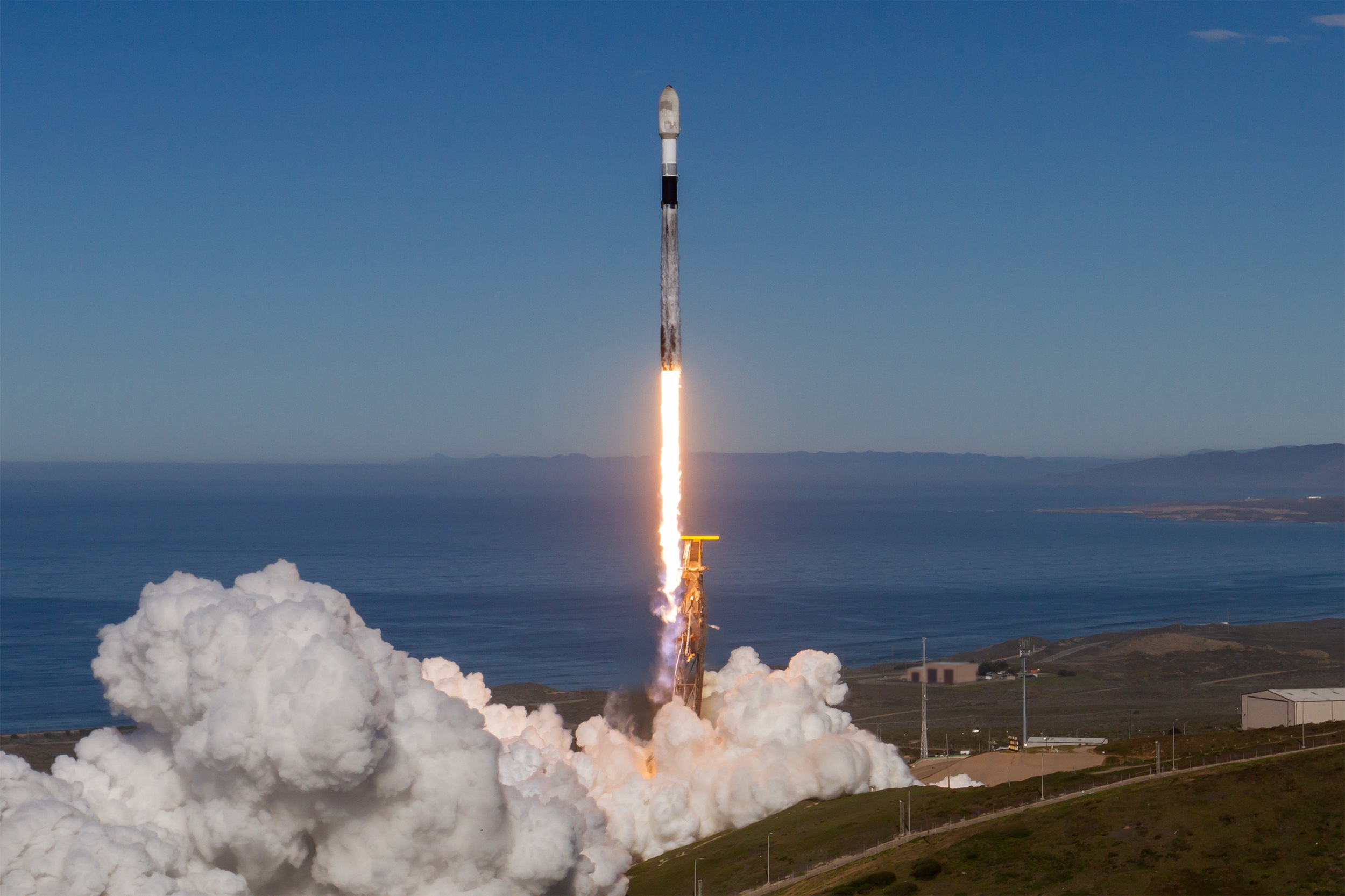
Reporting in June and July flagged the same trend: SpaceX indicated in a June securities filing that it “may prioritize our own launch payloads over additional U.S. government contracts or third-party customers,” and industry reporting has since found that SpaceX told multiple prospective customers it was no longer accepting new orders for commercial Falcon 9 launches. SatNews’ coverage framed the freeze as a response to heavy internal manifesting for Starlink, U.S. Space Force and NASA commitments, producing a commercial launch bottleneck and what several launch competitors described as a “manifest pinch point.”
Both Avio and SatNews accounts indicate the market impact is already tangible. Satellite operators accustomed to Falcon 9’s price-per-kilogram economics now face higher costs when shifting to alternative providers. According to SatNews, operators are therefore examining dual-manifest strategies and secondary-payload configurations on European vehicles to avoid schedule slippage tied to regulatory and orbital deployment deadlines enforced by bodies such as the International Telecommunication Union.
Avio is one of the regional providers positioned to capture diverted demand. The company is preparing to expand output at its Colleferro assembly facilities to support higher flight rates for its Vega C light-to-medium launcher and to accelerate planning for future propulsion platforms, SatNews reported. Ranzo also said customers who had been turned away by SpaceX used the European Space Summit in Paris to lobby European institutions for transitional financial support — asking if funds could “sweeten a little bit” the price differential for launching with European rockets now that a SpaceX option is not available.
The development has broader market implications beyond short-term manifest reshuffling. Multiple outlets covering statements from other launch companies at Paris suggested a wider recalibration of launch pricing is underway as Falcon 9 commercial capacity contracts. SatelliteToday’s reporting, cited in supplementary context, summarized the mood among launch competitors: many see the end of easy, low price-per-kilogram launches and are advocating a new pricing model for sustained industry economics.
For Avio, the immediate question is capacity and schedule. Ranzo said his company will “try to do what we can for them” and is “certainly happy to entertain” discussions with customers. SatNews described that Avio is scaling production planning for higher flight rates — a necessary move if a material portion of displaced Falcon 9 customers choose European providers for time-sensitive constellation deployments.
This shift also has geopolitical and policy dimensions. SatNews noted that with SpaceX prioritizing captive Starlink and national security flights, non-U.S. and commercial operators are actively engaging European institutions seeking support to cover higher European launch costs. That dynamic adds pressure on European launch firms and policymakers to coordinate capacity growth, export-control compliance and potential subsidy or co-financing mechanisms to retain commercially valuable payloads on regional vehicles.
How this compares with SpaceX’s recent record — NovΔ mAInd's launch database shows SpaceX with 142 launches tracked, a 99.3% success rate, first flight 2025-01-04, most recent 2026-09-13, and a published LEO capacity figure of 22800 kg. Those numbers underline why many operators have relied on Falcon 9: a large manifest and a high success rate. The new refusal to accept some new commercial bookings therefore represents a material change in availability even for a launcher with that operational record.
Looking ahead, the market will be watching how quickly regional providers like Avio can increase cadence and whether satellite operators accept higher per-launch prices or turn to emerging heavy-lift entrants and alternative architectures. Ranzo’s comments make clear that, at least in the short term, demand exists — but converting that into flights will require both industrial scaling and, in some cases, government support or customer subsidies to bridge the price gap created by the withdrawal of Falcon 9 commercial slots.
All parties quoted in the reporting framed the situation as an ongoing market realignment rather than a single event. Avio’s openness to new customers and SatNews’ description of manifest pressure reflect a transition point in launch supply dynamics with implications for constellation timelines, launch pricing, and the strategic posture of regional launch ecosystems.