Maverick Space Systems books Kepler’s 10 Tranche‑2 satellites onto Portal’s dedicated Falcon 9 flight
Maverick Space Systems announced that it has secured launch capacity for ten Kepler Communications satellites — part of Kepler’s 400‑kilogram‑class Tranche 2 line — to fly aboard Portal Space Systems’ Motus Via Sol mission, a dedicated SpaceX Falcon 9 launch targeted for mid‑2028. The deal was disclosed in mid‑September 2026 and makes Kepler the first named rideshare customer for the Motus Via Sol flight.
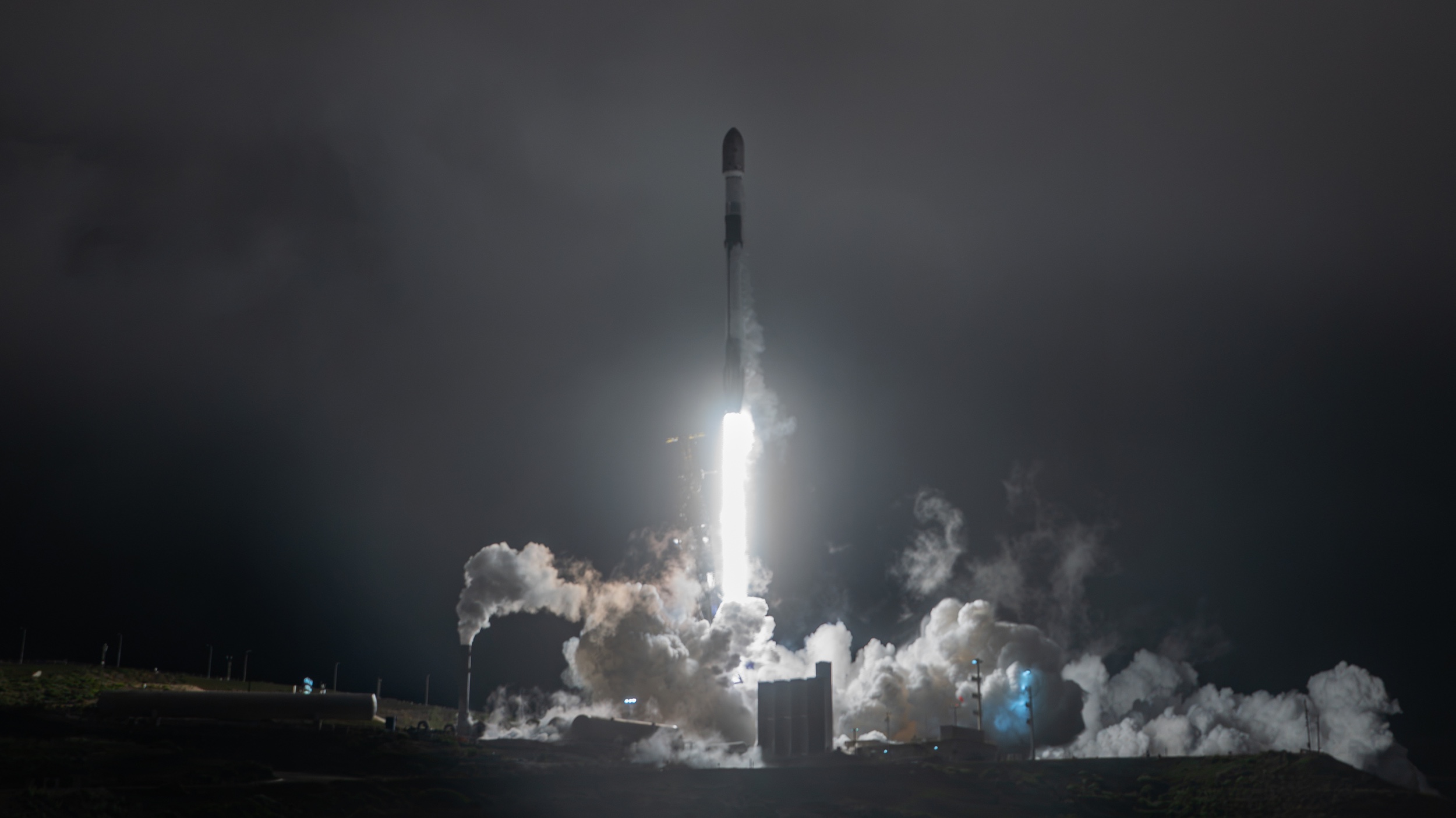
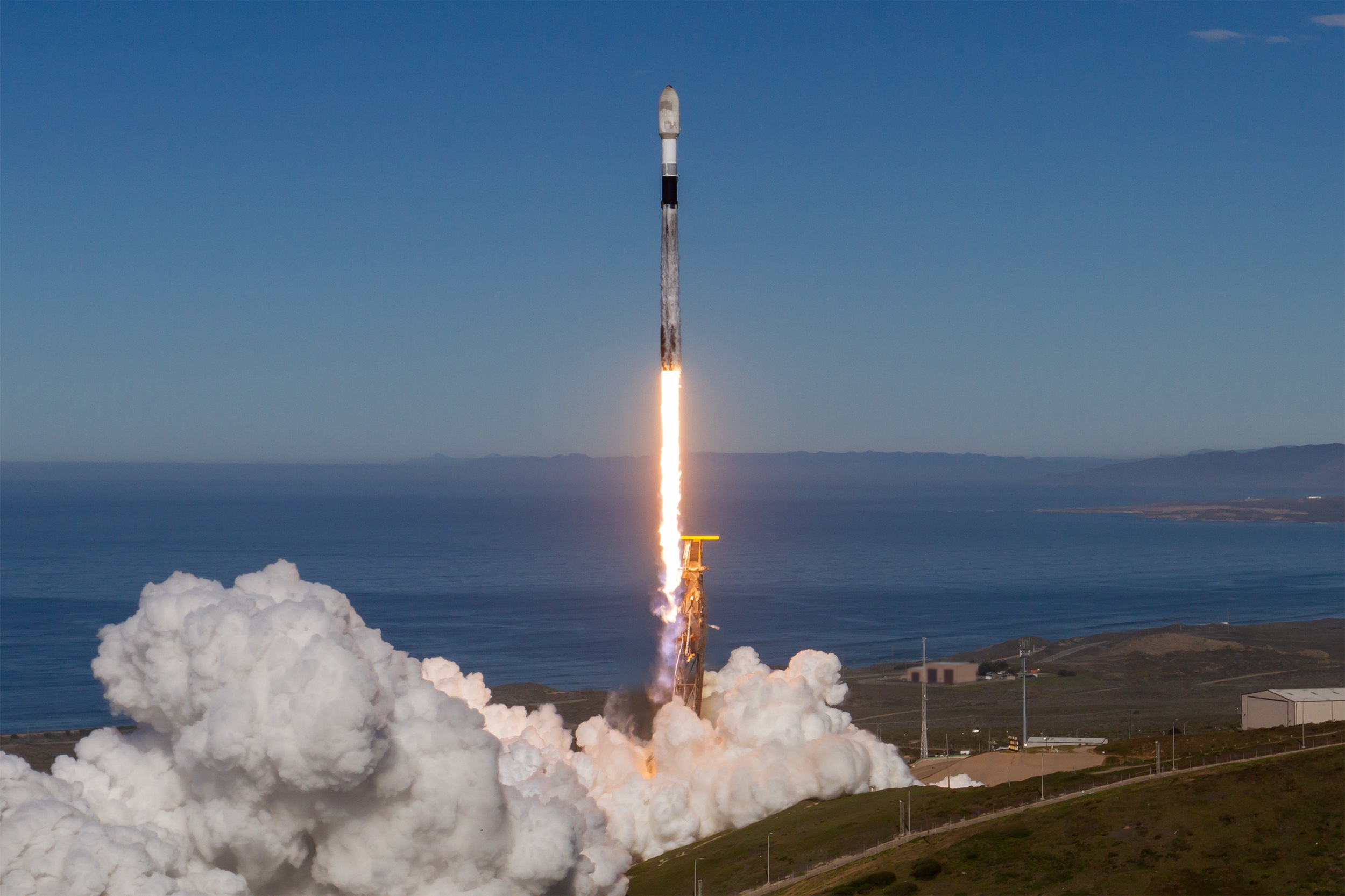
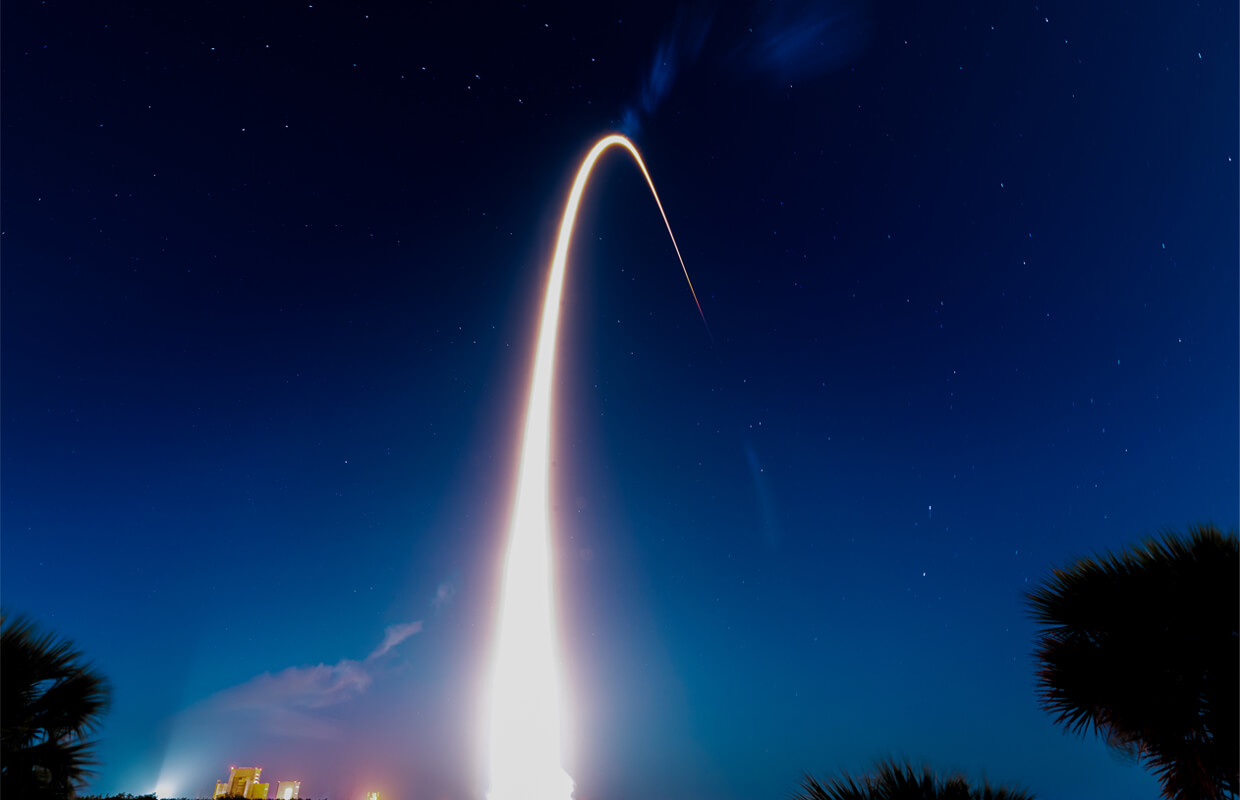
Portal announced the Motus Via Sol mission and its exclusive partnership with Maverick on Aug. 20, 2026. Portal purchased a full Falcon 9 for the mission and will fly its own Supernova spacecraft as the primary payload. Portal’s Supernova bus will demonstrate the company’s proprietary FLARE solar‑thermal propulsion system in space and is designed to manoeuvre beyond its initial drop‑off orbit so Portal can adjust final satellite destinations to customer requirements.
Maverick, based in San Luis Obispo, California, is Portal’s exclusive launch integration partner for Motus Via Sol. Maverick will handle payload accommodation and manifest optimisation across the stack, and the company says it has executed more than 30 launch campaigns since its 2019 founding. "Optimizing a dedicated vehicle’s full capacity with custom full‑stack aggregation hardware, accommodating Portal’s spacecraft, and securing capacity for a partner like Kepler is a technically demanding job that we’re deeply proud to deliver on," Vidur Kaushish, chief operating officer at Maverick Space Systems, said in the company release.
Payload announcements from Maverick and Portal add practical details about the Kepler payloads: the ten satellites are part of Kepler’s Tranche 2 family, which Kepler describes as a 400‑kilogram‑class platform. Kepler intends these satellites to expand its optical data relay network, offering data rates up to 100 gigabits per second, on‑orbit computing and hosted‑payload capability. Kepler has said the broader Tranche 2 line — which is due to begin deploying in 2028 — will serve both government and commercial customers including the European Space Agency and NorthStar Earth & Space.
The booking fills a substantial portion of the rocket’s remaining capacity. Maverick told Payload that signing the ten Kepler Tranche‑2 spacecraft "fills the majority of the remaining capacity, leaving just a single half‑cake‑topper slot open." Maverick is still marketing that final "cake‑topper" slot — a payload position atop the launch stack — to potential customers.
Industry observers place the Motus Via Sol campaign in the context of a tight smallsat launch market. SpaceQ and Payload note that SpaceX has reportedly paused new bookings for its Transporter and Bandwagon rideshare programs beyond late 2028, squeezing near‑term rideshare availability for smallsat operators. That market pressure has encouraged launch integrators and other firms to pursue dedicated rideshare approaches — buying or otherwise securing full vehicles and then selling capacity — and Maverick’s partnership model with Portal is one example. Unlike some competitors that have purchased Falcon 9 rockets outright, Maverick has avoided that capital expenditure by partnering with Portal, which financed the flight. According to Maverick’s COO, the company has not raised equity capital and has therefore not pursued the purchase‑a‑Falcon path.
The Motus Via Sol mission will be the debut flight for Portal’s Supernova spacecraft. Portal’s platform, coupled with FLARE solar‑thermal propulsion, is designed to allow post‑deployment manoeuvring to deliver satellites to tailored orbits. This capability is part of the pitch to customers: a dedicated vehicle that can be reconfigurable on orbit reduces the need for multiple separate launches and can increase final placement accuracy for hosted payloads or multiple customers.
For Kepler, the Motus Via Sol booking complements other launch plans. Kepler is also pursuing dedicated capacity of its own: it booked a first dedicated mission on Rocket Lab’s Neutron vehicle, announced Aug. 10, 2026, with a launch no earlier than 2028. Kepler is simultaneously rolling out services from its next‑generation optical data relay constellation to commercial and government users, according to related industry reporting.
From an industry perspective, Motus Via Sol illustrates a wider trend: integrators and platform owners are taking greater responsibility for end‑to‑end mission delivery, including filling excess capacity with third‑party payloads. Portal’s approach — acquiring the Falcon 9 and flying its Supernova bus while partnering with a specialist like Maverick to commercialise residual volume — could be a model and a market response to constrained blanket rideshare schedules.
NovΔ mAInd's launch database: SpaceX appears prominently in the launch cadence of recent years; our launch tracker shows SpaceX with 142 launches tracked and a 99.3% success rate, first flight 2025-01-04, most recent 2026-09-13, and a published capacity figure of 22800 kg to LEO. The Falcon 9 Block 5 | USSF-259 launch is scheduled for 2026-09-17 and has NOT flown yet.
Looking ahead, Motus Via Sol’s mid‑2028 target places it among a growing set of dedicated rideshare and integrator‑led missions planned to ease capacity bottlenecks. If Portal successfully demonstrates FLARE solar‑thermal propulsion on Supernova, and Maverick successfully integrates a high‑density stack including Kepler’s relatively large Tranche‑2 satellites, this mission could become a reference case for similar ventures — but outcomes will depend on vehicle availability, integration complexity, and the evolving market for rideshare capacity through 2028.