Introduction
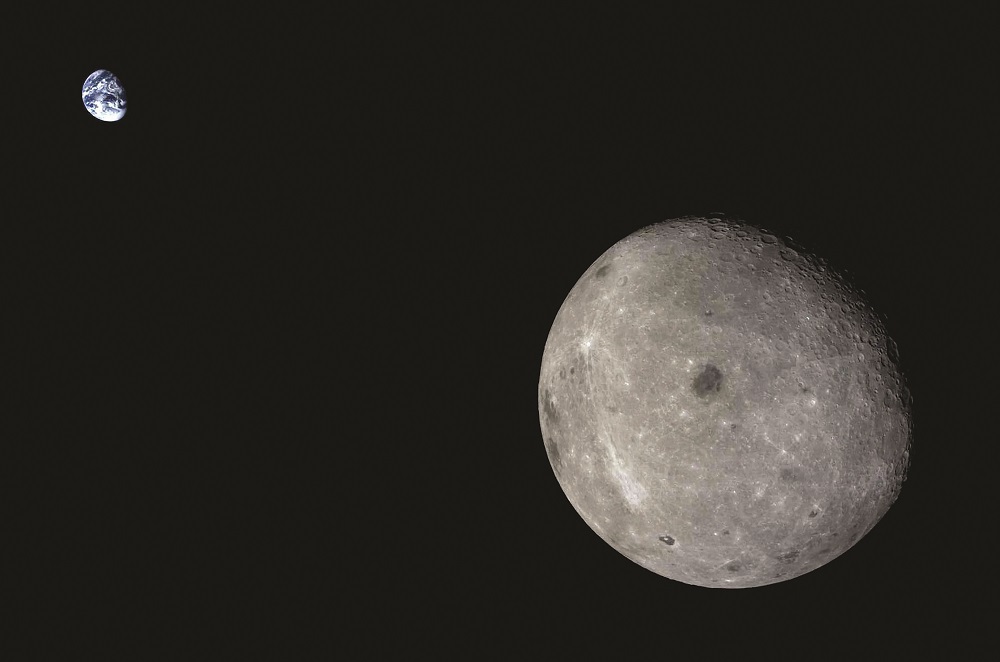
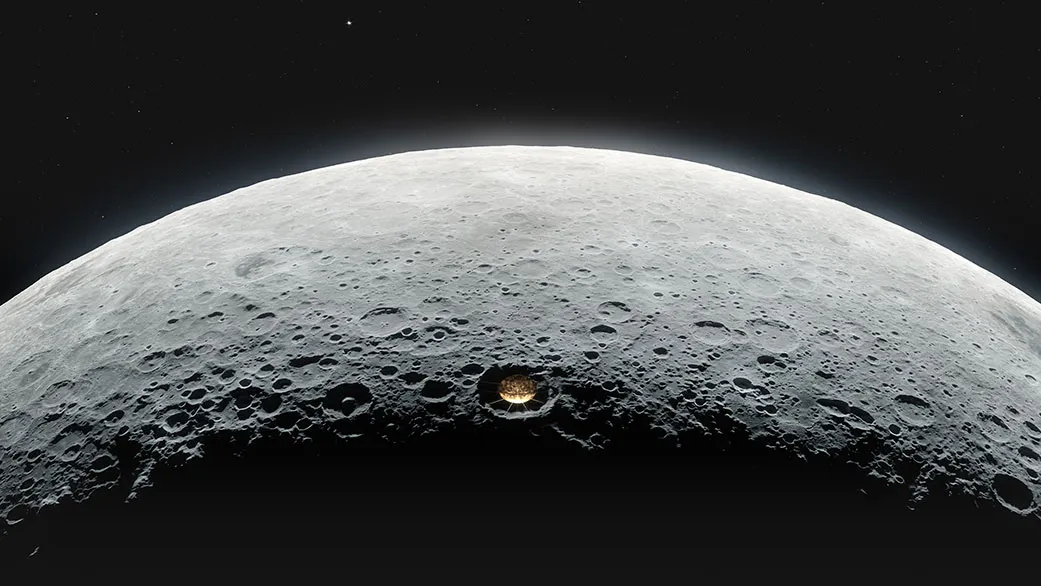
Scientists at the University of Hawaii Institute of Geophysics and Planetology have produced a new stochastic model to help decode the Moon’s regolith — the fine dust and broken rock that blankets the lunar surface — and to guide future core sampling aimed at finding deposits from nearby supernovae. The work, described in Universe Today on 2026-08-30, addresses how constant meteoroid bombardment, a process called impact gardening, mixes and redistributes material on the Moon and complicates efforts to read its long-term cosmic record.
Why the Moon is a cosmic archive
When massive stars explode as supernovae, they eject a range of elements and radioactive isotopes — including species of iron, nickel, zinc, uranium, plutonium, iodine, hafnium, and curium — into interstellar space. Some of this material has reached the Solar System and settled on planetary surfaces. On Earth, deposited dust quickly becomes buried on the ocean floor, which can obscure or erase parts of the record. The lunar regolith, by contrast, acts as a long-term archive that can preserve signals spanning tens of millions of years. According to Emily Costello and her team, the lunar regolith "acts as a long-term cosmic archive that can preserve history spanning 80 to 100 million years or more."
Impact gardening: a mixing problem
The challenge is that the lunar surface is not static. Meteorites and dust particles, ranging from micrometeoroids to larger asteroids, constantly strike the Moon. Each impact excavates, flips, and redistributes regolith, producing a dynamic mixing process referred to as impact gardening. Because any single lunar core sample will have been affected by the particular history of impacts at that location, separating broad, interstellar signals (such as past nearby supernova deposits) from local variability requires advanced statistical treatment.
The stochastic model
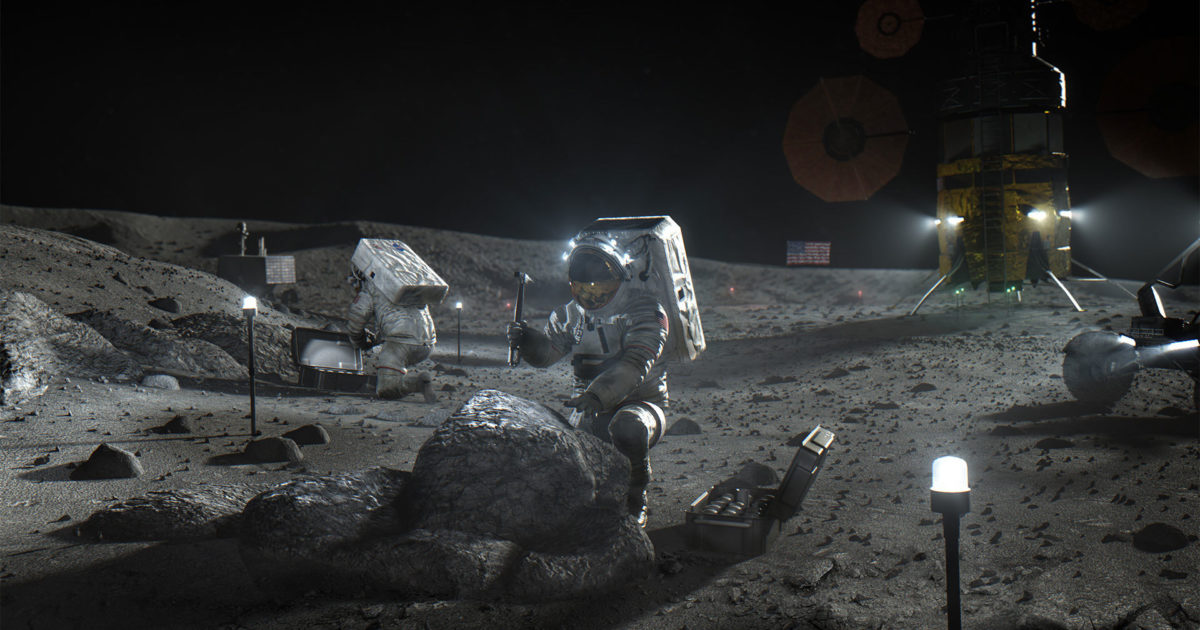
Costello and her colleagues developed a stochastic model that simulates the statistical effects of impact gardening on regolith layers. The model aims to "unscramble" the combined effects of many impacts so that scientists can better interpret signals preserved in lunar cores. This approach is specifically intended to help future lunar explorers pick optimal locations for taking deeper cores, allowing those samples to be read as records of the Solar System’s journey through the Galaxy rather than simply snapshots of local disturbance.
Practical implications for lunar exploration
The model has two practical outcomes. First, it can inform site selection for future core sampling by identifying locations where the overprinting from impact gardening is minimal or where statistical deconvolution will be most effective. Second, when cores are returned, the model provides a framework to separate the broader interstellar signal from the noise produced by local impact history. Costello emphasized the importance of understanding regolith physics so that "when future astronauts return deeper cores, we can properly read the scrambled layers to reconstruct the history of our Solar System’s journey through the Galaxy."
Context and background
The idea of using lunar regolith as a recorder of nearby stellar events is not new, but the Moon’s value as a repository of extraterrestrial material has gained renewed attention with renewed lunar exploration plans. Apollo-era samples such as lunar regolith sample 70050 demonstrate the tangible nature of preserved material on the Moon. Modern analytical techniques applied to well-selected cores could reveal changes in fluxes of radioactive isotopes tied to specific supernova events or other astrophysical occurrences.
Uncertainties and limits
The authors acknowledge that impact gardening is a stochastic process and that any reconstruction will carry uncertainty. The model provides statistical tools to quantify and reduce that uncertainty, but hypothesis must be distinguished from fact: the presence of a given interstellar deposit in a specific core remains subject to measurement and interpretation. The approach helps to prioritize promising sampling sites and to frame the interpretation of returned samples, but it does not guarantee unambiguous identifications of past supernova events without corroborating chemical and isotopic analyses.
Future implications
As lunar exploration advances, models like the one developed by the University of Hawaii team will become important components of mission planning and sample analysis. By integrating impact-gardening simulations with site reconnaissance and laboratory isotopic work, scientists will be better positioned to extract meaningful records of the Solar System’s passage through varying interstellar environments. That, in turn, could improve our understanding of how nearby stellar explosions have influenced the local cosmic environment over the past tens of millions of years.
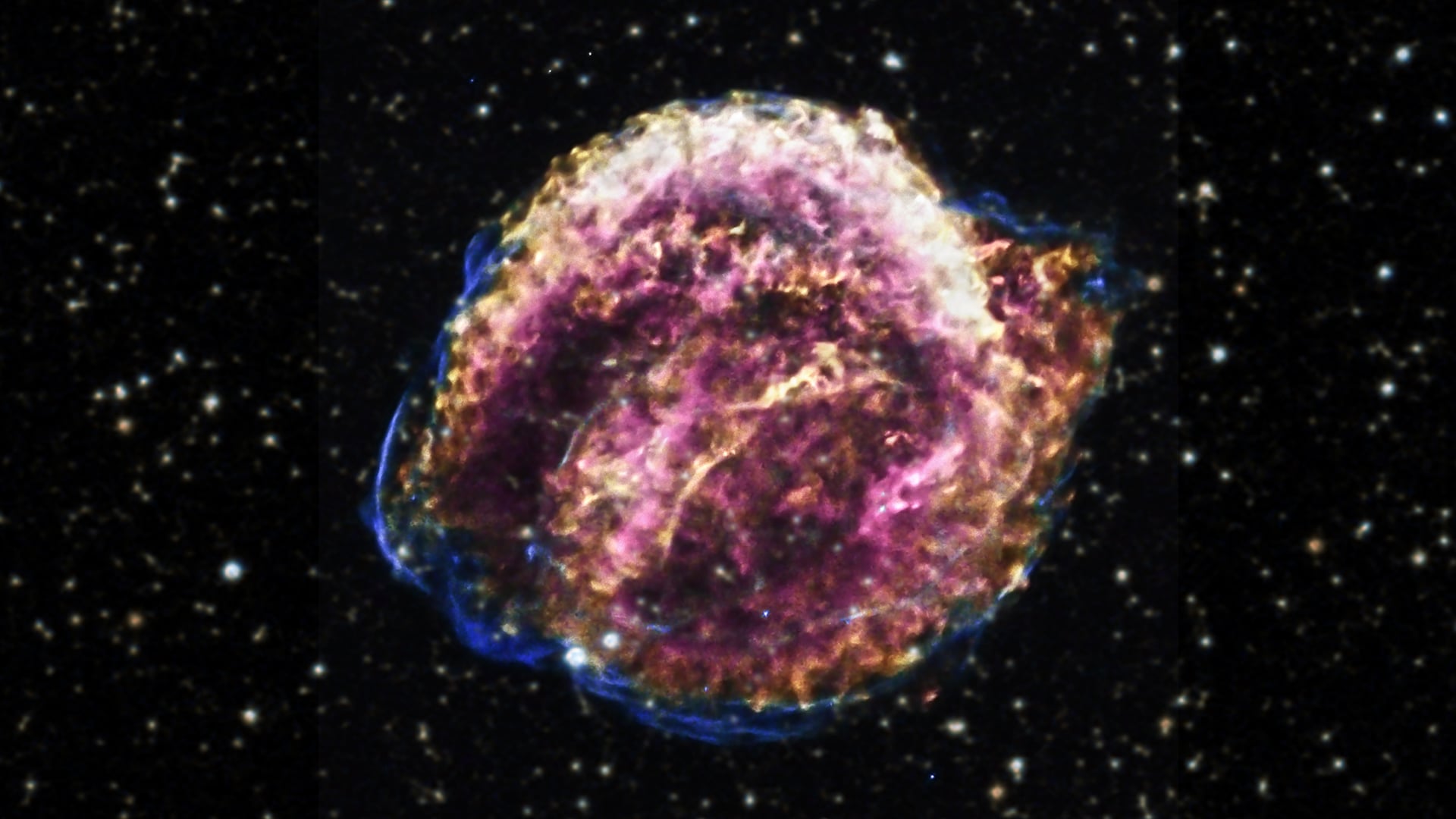
Image credit: NASA/CXC/SAO/DSS/D. Patnaude (as used in Universe Today article).