NASA outlines risks of decompression sickness and venous thromboembolism for spaceflight crews
NASA on 22 September 2026 published a review titled "Risks of Decompression Sickness and Venous Thromboembolism during Spaceflight and Patent Foramen Ovale Implications" that synthesizes current evidence about two cardiovascular and vascular problems relevant to crewed missions: decompression sickness (DCS) and venous thromboembolism (VTE), and how a cardiac anatomical variant — patent foramen ovale (PFO) — can modify risk.
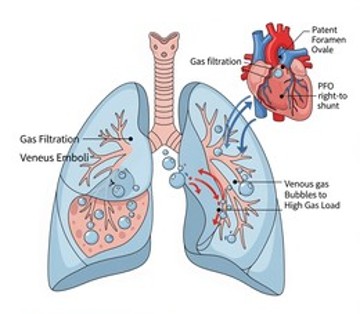
The NASA review examines how exposure to pressure changes, microgravity, and operational factors aboard spacecraft and habitats create unique pathways to DCS and VTE. Decompression sickness is associated with formation of inert gas bubbles when ambient pressure decreases, while venous thromboembolism arises when blood clots form in the venous circulation and can embolize. The document also considers how a PFO — an opening between the heart's atria present in some people — may permit venous bubbles or clots to cross into the arterial circulation with potentially serious consequences.
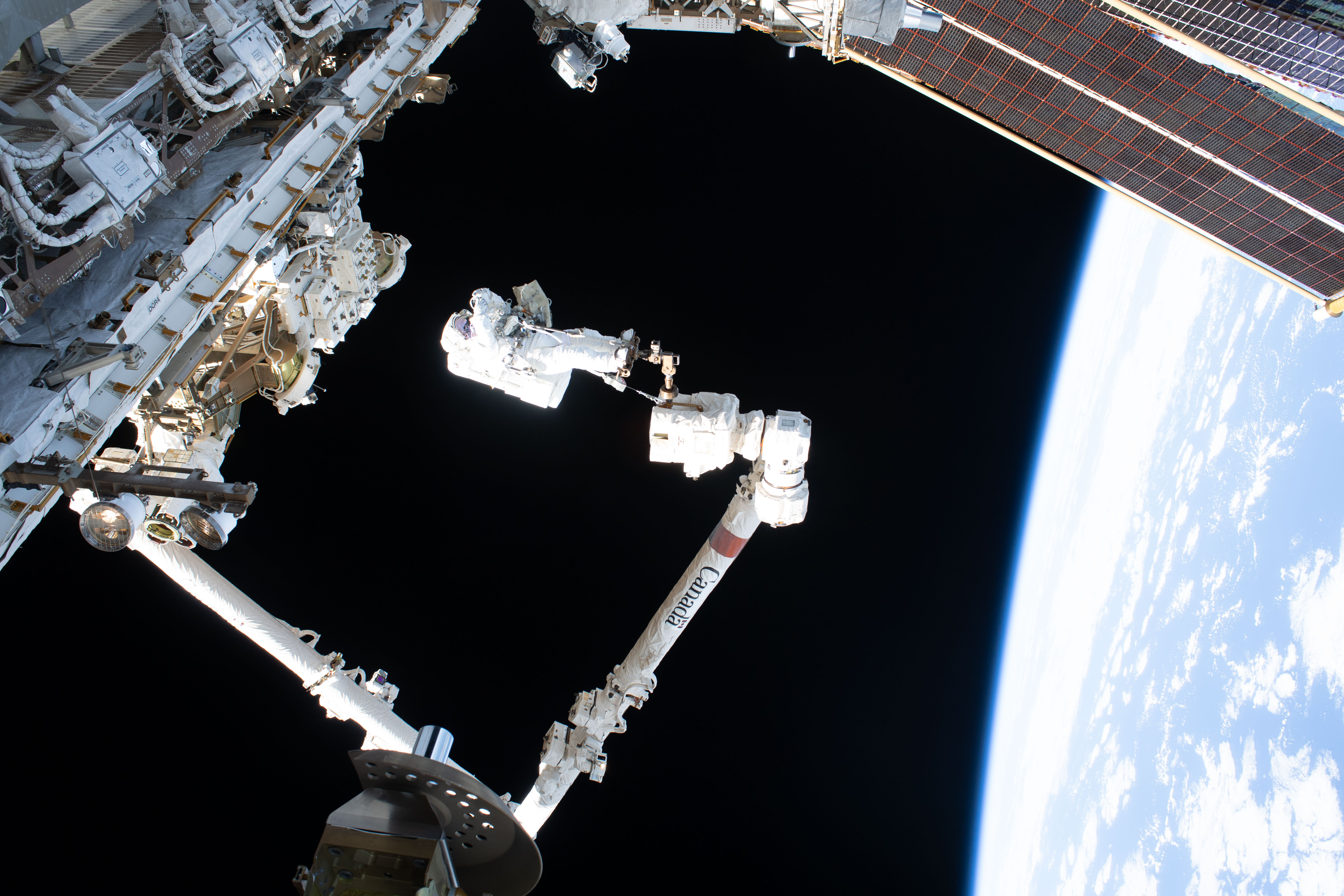
NASA frames these concerns in an operational context. Crews experience multiple pressure transitions during spaceflight activities such as extravehicular activity (EVA), airlock operations, and habitat pressure management. The review discusses how the rate and magnitude of pressure changes, combined with individual susceptibility and habitat design, can influence bubble formation and DCS risk. It also recognizes that microgravity and prolonged immobilization can alter venous blood flow and may contribute to VTE risk.
The review emphasizes that these conditions are not isolated: DCS and VTE may interact, and the presence of a PFO can change the clinical picture by allowing embolic material to bypass the lungs and enter arterial circulation. NASA presents this interaction as an important consideration for crew medical screening, mission planning, and in-flight clinical protocols. The agency calls attention to gaps in evidence and to operational tradeoffs that mission designers and medical planners must weigh.
Among practical implications, the NASA document highlights the need to reconcile pressure protocols for EVA and habitat operations with individual crew risk factors. It notes that preventing DCS depends on managing decompression profiles and pre‑breathe or other denitrogenation strategies, while VTE prevention centers on mobility, thromboprophylaxis where appropriate, and surveillance. The presence of a PFO introduces additional complexity because it can convert a venous event into an arterial one, with increased risk to neurological or cardiac tissues.
NASA's review does not present new incidence numbers in this release, but it draws attention to recent in‑flight medical events and research that motivated this synthesis. It places the discussion within the broader context of preparing for longer and more distant missions, where rapid evacuation to Earth is not available and on‑board medical management must be robust. The review therefore supports mission planning for the International Space Station, Artemis lunar operations, and future Mars mission concepts by identifying where medical countermeasures, diagnostics, and operational constraints intersect.
Historically, concerns about DCS trace back to early diving and high‑altitude aviation medicine and were adapted for spaceflight as EVAs and cabin pressure regimes became routine. VTE has been a focus for terrestrial medicine for decades; its appearance as an in‑flight hazard has been the subject of increasing study as crews spend longer periods in microgravity. The patent foramen ovale is a common anatomical variant in the general population and has been implicated in paradoxical embolism scenarios on Earth; NASA's review applies that terrestrial knowledge to the spaceflight environment and underscores uncertainties that require investigation.
Looking forward, NASA identifies areas where more data and capability are needed: improved in‑flight diagnostics for bubble detection and clot identification, better risk stratification tools that integrate individual physiology (including PFO status), and validated operational protocols that balance crew safety with mission objectives. The agency's Integrated Medical Model and other decision‑support tools used in mission planning are relevant to these needs, although the review stresses that direct evidence from spaceflight operations remains critical.
NASA's synthesis is a reminder that as missions extend in duration and distance, medical risks that were once manageable by rapid return to Earth need anticipatory solutions. The agency's document frames decompression sickness, venous thromboembolism, and patent foramen ovale as interconnected issues requiring coordinated research, operational policy, and in‑flight medical preparedness to protect crew health on the ISS, Artemis missions, and beyond.
Sources: NASA — "Risks of Decompression Sickness and Venous Thromboembolism during Spaceflight and Patent Foramen Ovale Implications", 22 September 2026.