When NASA and SpaceX’s Crew‑13 Dragon completed its approach and docking with the International Space Station in a record time for a U.S. vehicle, the milestone was notable not only for speed but for its immediate operational ripple effects on the station’s crew manifest and departure planning.
Record transit and immediate station impacts
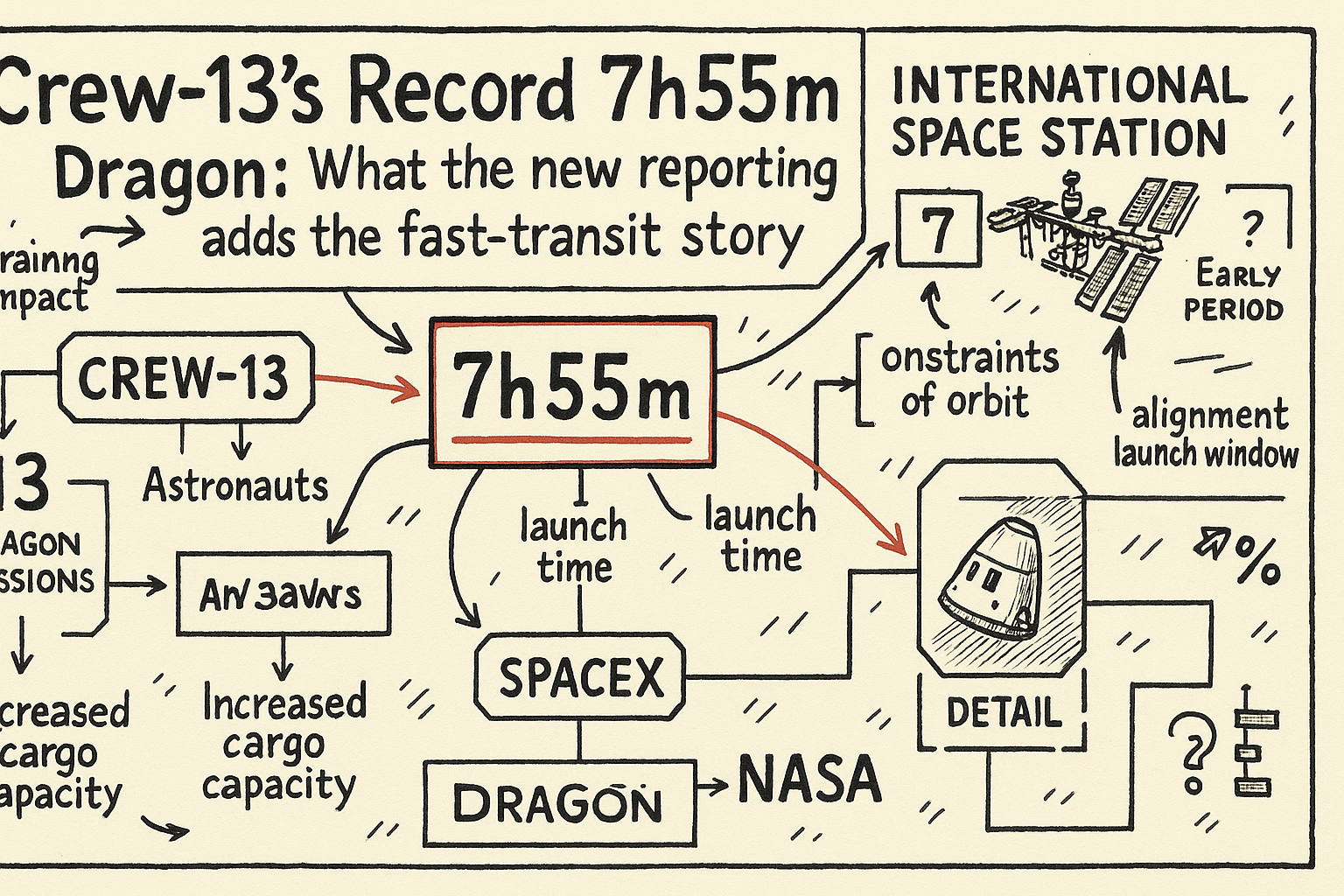
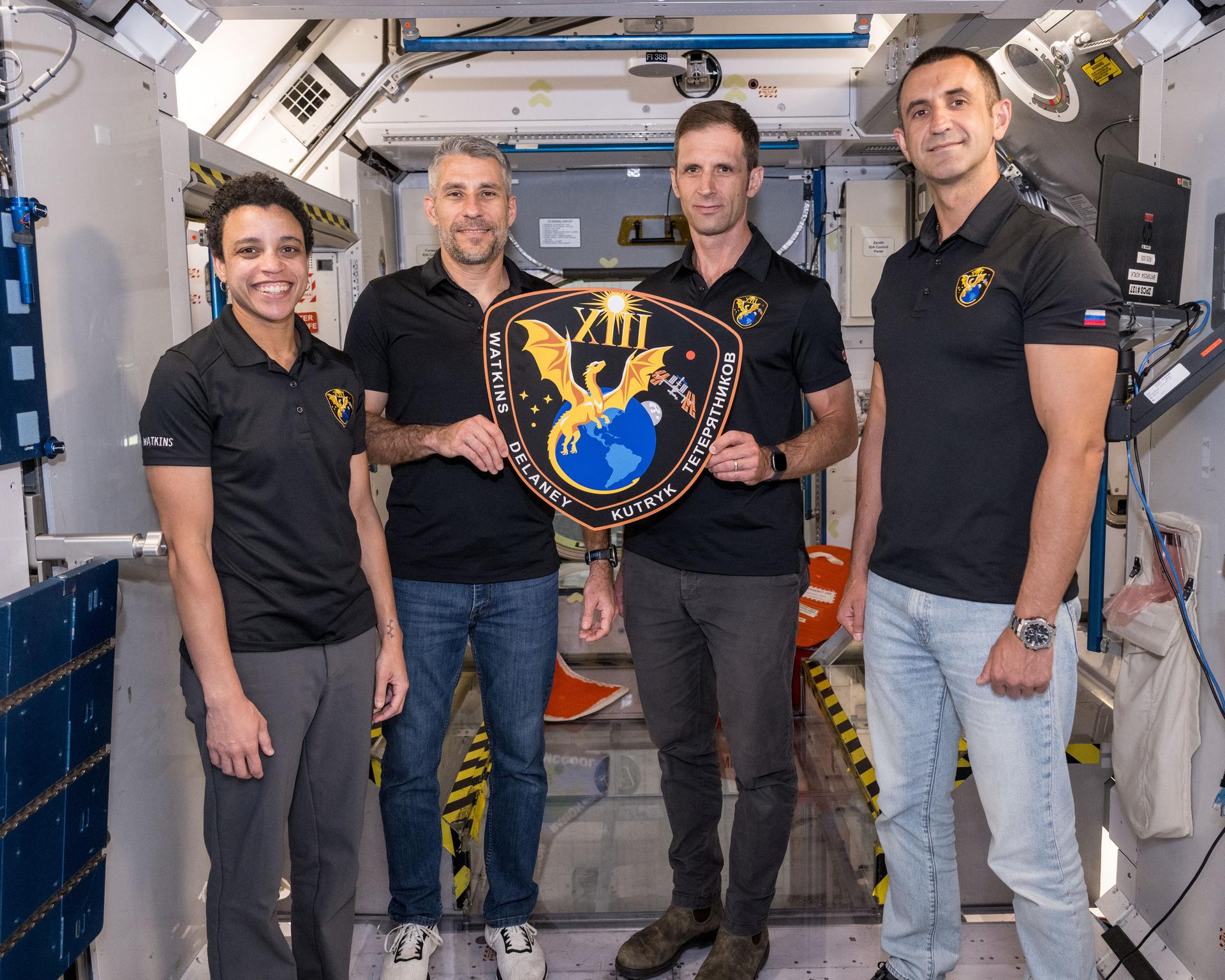
NASA described the Crew‑13 flight as the fastest trip to the orbiting laboratory by any U.S. spacecraft, with the Dragon reaching the station in under eight hours. Media accounts around the arrival noted a 7 hour 55 minute transit time for Canadian Space Agency astronaut Joshua Kutryk to reach the station, and related coverage put the docking at roughly 7 hours and change for the Crew‑13 Dragon.
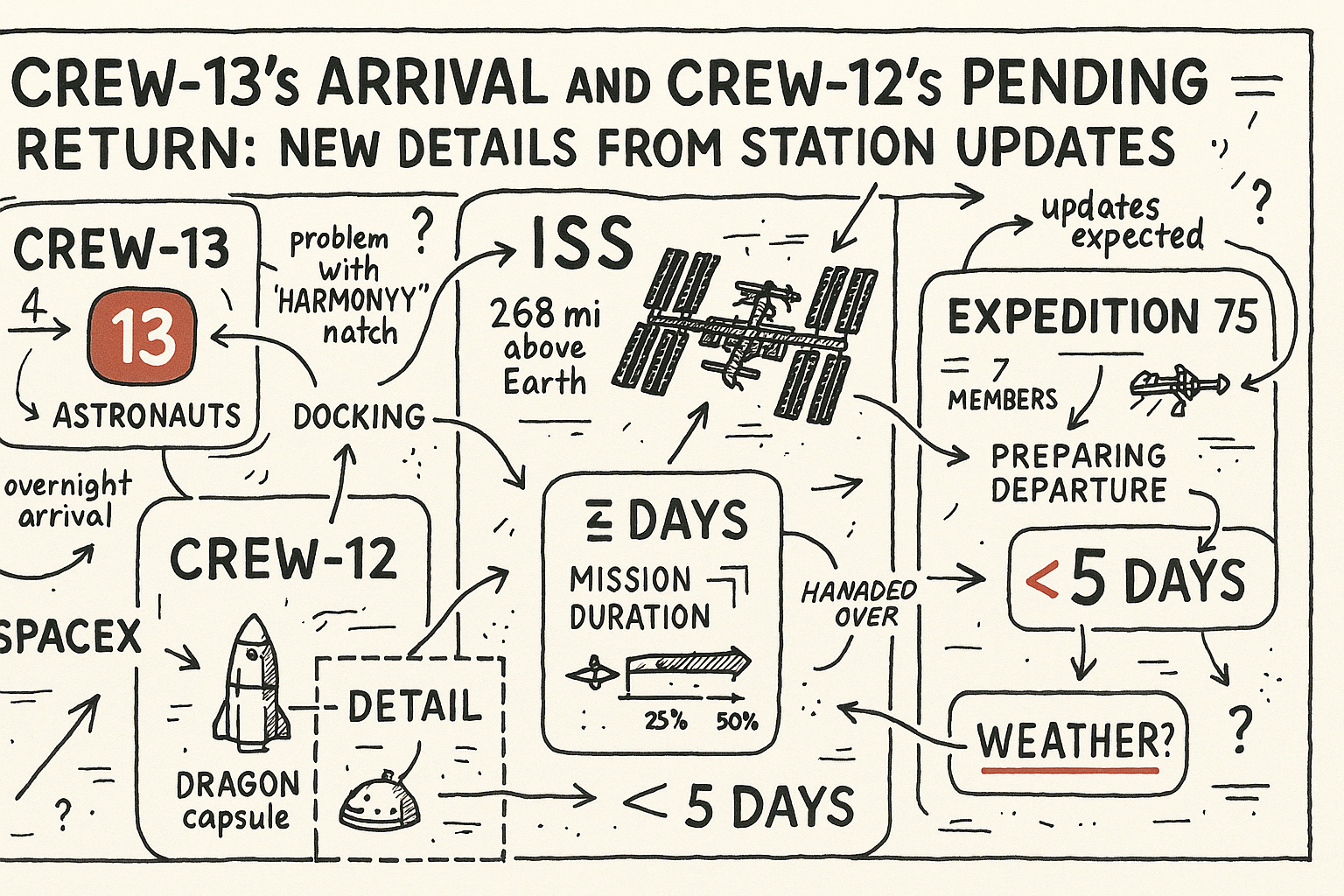
The fast docking changed the cadence of on‑station activity: the arrival raised the number of people aboard the ISS to eleven, according to SpaceQ. That temporary increase came as Crew‑12 was preparing for departure, illustrating how rapid crew transfers can compress overlap windows on the station and create short periods of unusually high population for handovers and station operations.
Operational considerations of rapid rendezvous
NASA’s live coverage of the approach and docking emphasized mission control activity around the arrival. The speed of the rendezvous means key events—approach, docking and hatch opening—occur on a short timeline, concentrating checks and procedures that otherwise would be spread over a longer rendezvous profile.
In the days after Crew‑13’s arrival, NASA also documented routine cadence of spacecraft operations when they later prepared for Crew‑12’s return. On Oct. 7, NASA reported that Crew‑12’s Dragon hatch was closed at 9:20 a.m. EDT to begin return operations, an example of how arrival and departure activities are tightly scheduled and coordinated.
Why the timing matters for station operations and crew handovers
Briefer transit windows, like the sub‑eight‑hour profile used by Crew‑13, concentrate crew onboarding and familiarization into a tighter timeframe. SpaceQ’s reporting on the arrival and subsequent weekly update highlighted that Kutryk entered the station on the same day as the record docking, and that the station population temporarily rose to eleven while Crew‑12 prepared to leave. Those sequencing effects matter for how mission teams handle transfer briefings, cargo transfers and experiment handoffs.
Short overlap periods are operationally useful in some respects—minimizing the time two crews must coexist aboard a tightly provisioned vehicle—and challenging in others, since more tasks must be completed in less time. NASA’s coverage of both the Crew‑13 approach and the later Crew‑12 hatch closure illustrates how the agency schedules and streams those activities for public and internal coordination.
Context in the broader commercial crew era
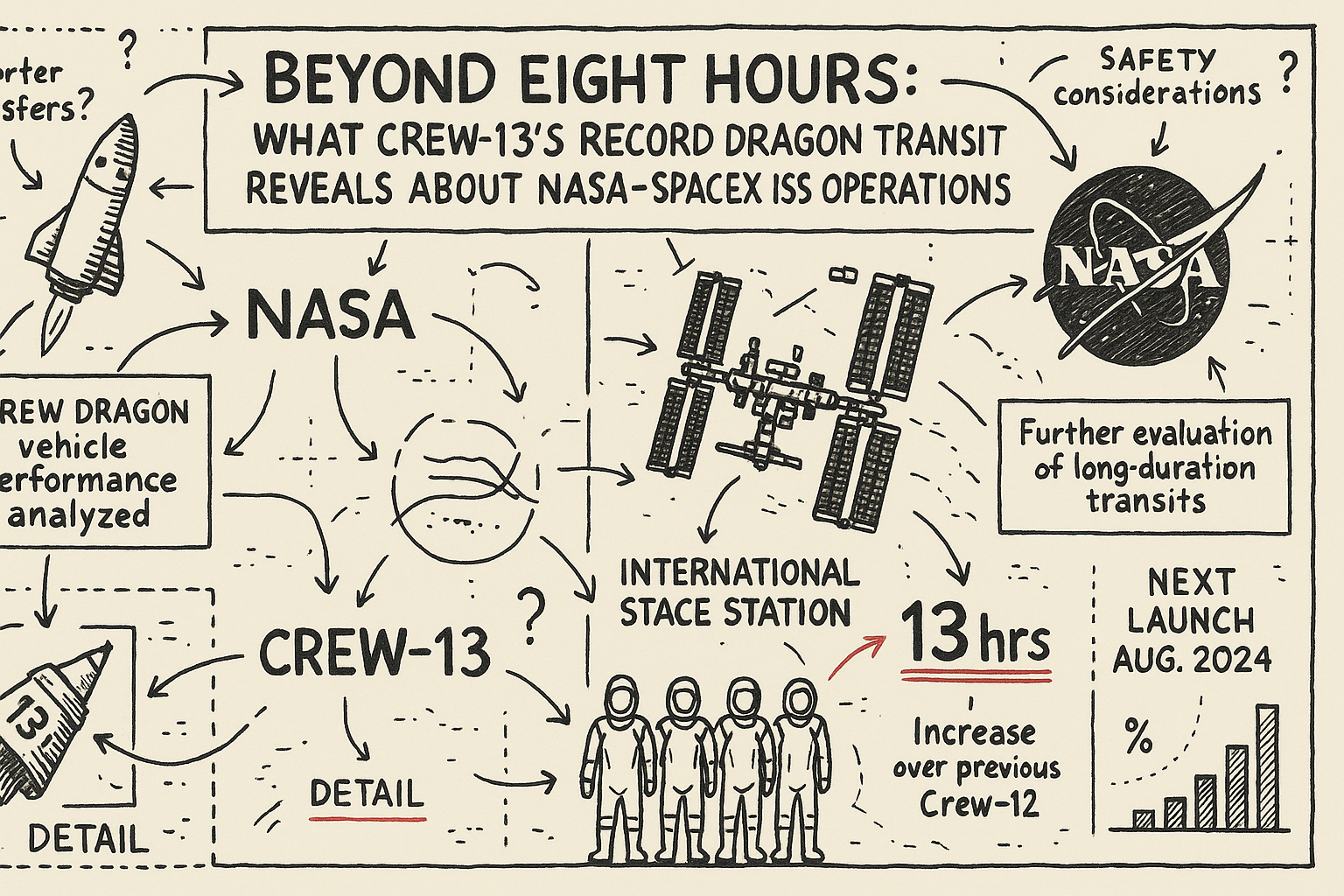
The Crew‑13 flight is another data point in the commercial crew partnership between NASA and SpaceX, demonstrating both the performance envelope of crewed Dragon flights and the flexibility of mission planning enabled by crew transport on commercial vehicles. Coverage from NASA and independent outlets focused on both the milestone transit time and the immediate operational outcomes aboard the ISS, such as the temporary eleven‑person station population and the sequencing of Crew‑12 departure procedures.
As commercial crew operations continue, these short, well‑executed rendezvous profiles will remain a factor in how NASA and its partners plan crew rotations, handovers and station activities—balancing the efficiencies of fast transit against the compressed timelines for post‑arrival tasks.