ISRO Chairman V Narayanan Outlines Roadmap to 2047, Highlights Indigenous Rockets and Cryogenic Engines
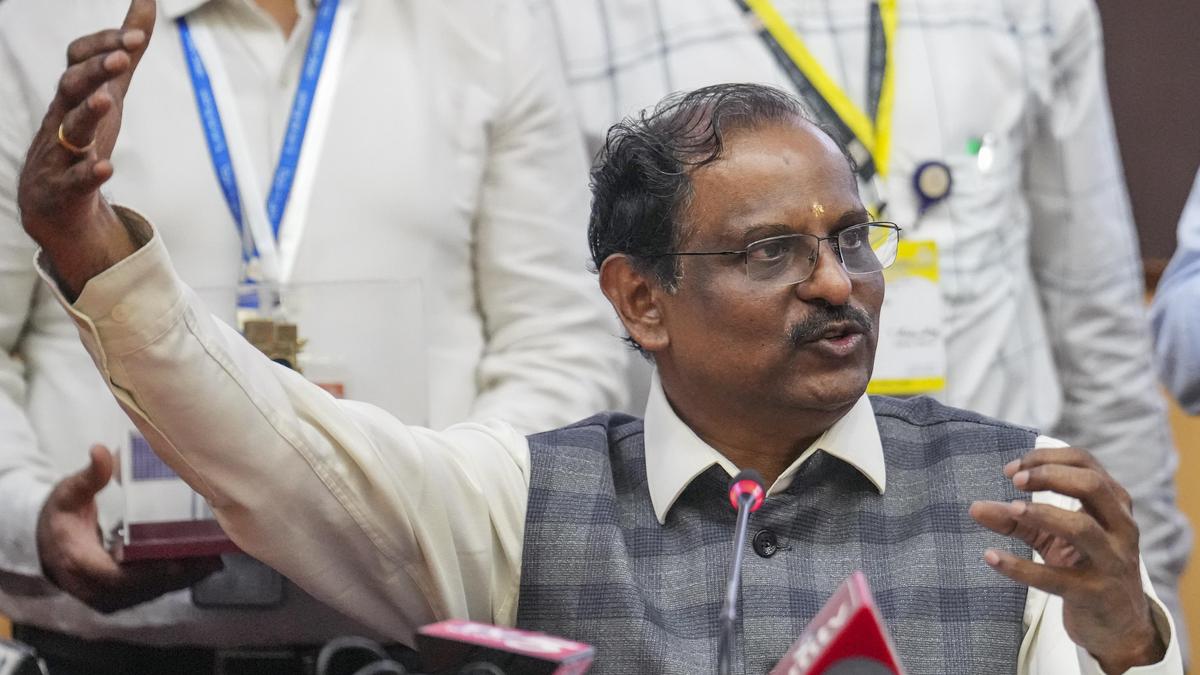
ISRO Chairman V Narayanan spoke at the Indian Institute of Technology on 25 September 2026 about India’s space programme and its direction toward the country’s 2047 goals, placing particular emphasis on rockets and cryogenic propulsion systems developed on Indian soil.
In his lecture titled "India's Space Programme: The Challenges and Way Forward," Narayanan traced the arc of the Indian Space Research Organisation (ISRO) from its early days. He recalled the first rocket launch from Thumba in November 1963, an effort that relied on equipment gathered internationally, and contrasted that origin story with India’s present-day capability to build and commercially launch satellites for other nations.
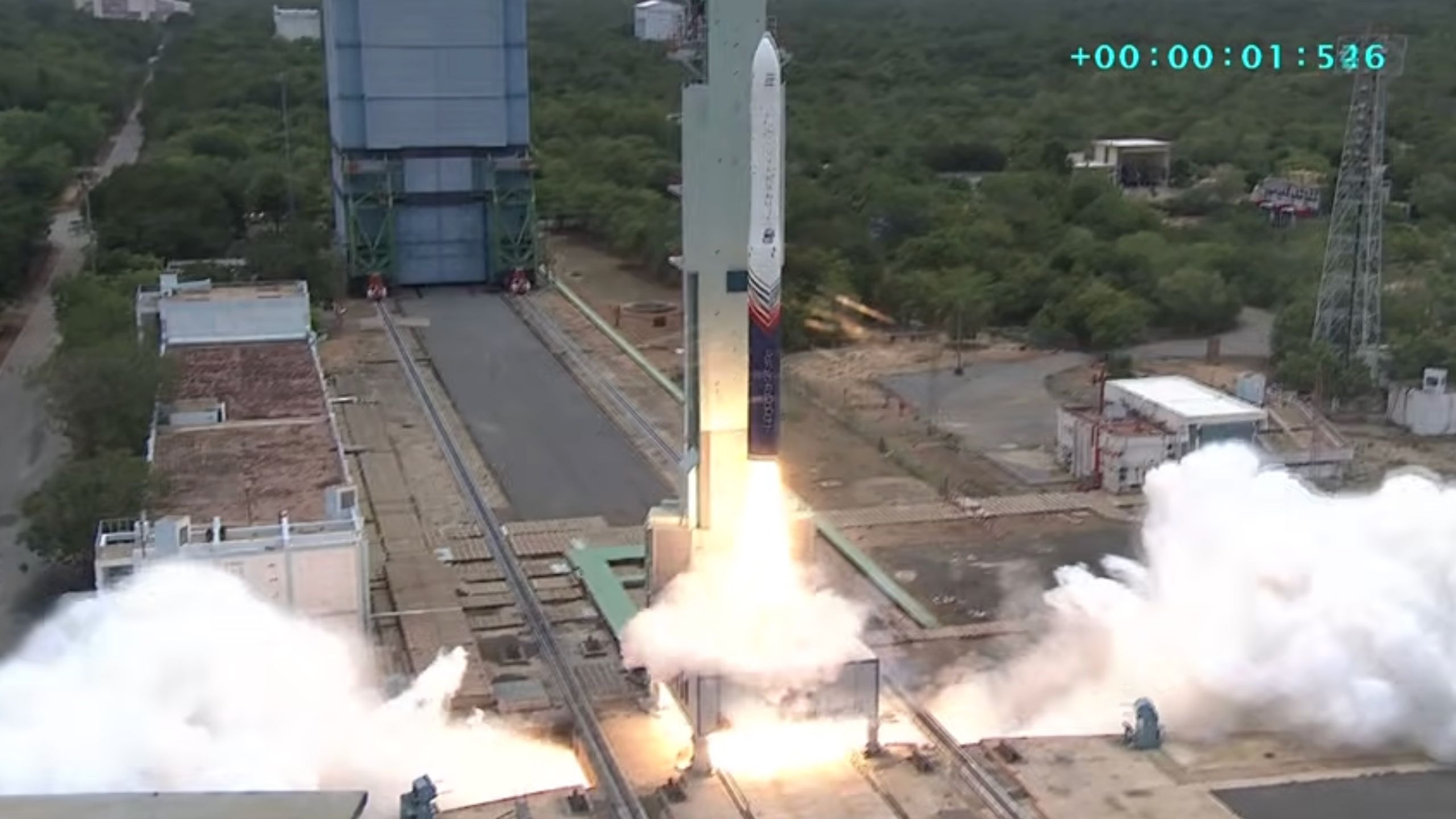
Narayanan highlighted cryogenic propulsion as a defining example of technological self-reliance. He noted that the cryogenic technology had been denied to India in the early 1990s, and said that "we have developed three cryogenic propulsion systems entirely on our own." He framed those achievements as emblematic of wider national ambitions: "As India looks towards 2047, its journey towards a Viksit Bharat is not confined to the boundaries of Earth. It is being written in the rockets built on Indian soil, in the cryogenic engines the world once refused to share, and in the young engineers who will carry the country's ambitions in space still further," Narayanan said.
The ISRO chief also outlined programme-level priorities for the coming decade, mentioning the Gaganyaan human spaceflight programme. He stated that Gaganyaan is "currently working towards its first uncrewed mission." Narayanan's remarks situate Gaganyaan within a broader narrative of capacity building: the programme is one of several efforts meant to deepen indigenous skills across launch vehicles, spacecraft, and human-rating technologies.
Narayanan’s lecture framed India’s space trajectory as not only scientific but developmental. He linked early national priorities in food security and literacy in the 1960s to the more recent push for self-reliant space technology, implying that space capabilities now play a role in national development goals that extend to 2047. The language he used—referring to 'rockets built on Indian soil' and 'young engineers'—emphasised domestic industrial and human-capital growth alongside technical milestones.
Historically, the denial of cryogenic technology to India in the 1990s was widely reported as a constraint that slowed certain classes of launch vehicle development. Narayanan’s statement that India has produced three cryogenic propulsion systems "entirely on our own" is a clear marker of the organisation's push to close capability gaps from earlier decades. Those systems are central to higher-performance upper stages and to enabling heavier payloads to higher orbits.
Gaganyaan, referenced by Narayanan, has been a long-running national human spaceflight initiative aimed at developing crewed launch capabilities. By stating that the programme is working toward its first uncrewed mission, Narayanan conveyed that ISRO remains focused on incremental testing and validation — a traditional approach in human spaceflight — even as it pursues broader commercial launch activity.
Looking forward, the assertions made by Narayanan at IIT point toward several implications. First, indigenous cryogenic engines and domestically produced launchers strengthen India’s autonomy in access to space, which can support both national policy goals and commercial services, including launching satellites for other countries. Second, the emphasis on young engineers suggests ISRO sees human capital development as essential to sustaining and expanding those technical capabilities over the coming decades. Third, the continued development of Gaganyaan, progressing through uncrewed missions before crewed flights, indicates ISRO’s commitment to methodical testing despite the political and prestige dimensions of human spaceflight.
Narayanan framed these steps within the 2047 horizon — the year marking 100 years of India’s independence — portraying advanced space capabilities as part of a longer national project. Whether these plans translate into specific launch schedules, mission manifests, or commercial contracts will depend on technical milestones, budgetary decisions, and programme reviews that ISRO and the Department of Space undertake in coming years.
For now, Narayanan’s remarks make clear that ISRO is positioning indigenous rocket and cryogenic engine development as cornerstones of India’s path toward broader strategic and developmental objectives up to 2047, with Gaganyaan’s early uncrewed steps serving as a near-term focal point.