New reporting from Indian and international outlets provides a sharper view of two near-term priorities for India’s space programme: the status of the Gaganyaan human spaceflight programme’s initial tests and an urgent campaign to restore NavIC positioning capacity after a satellite failure.
Gaganyaan: initial phase tests nearly finished
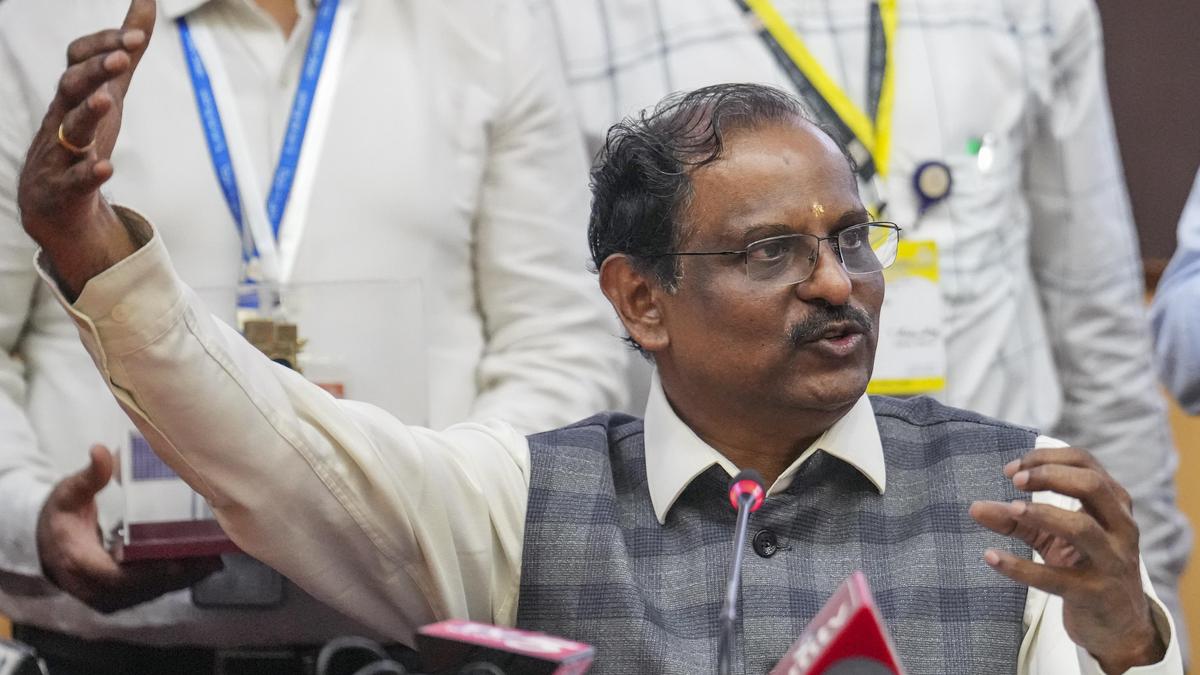
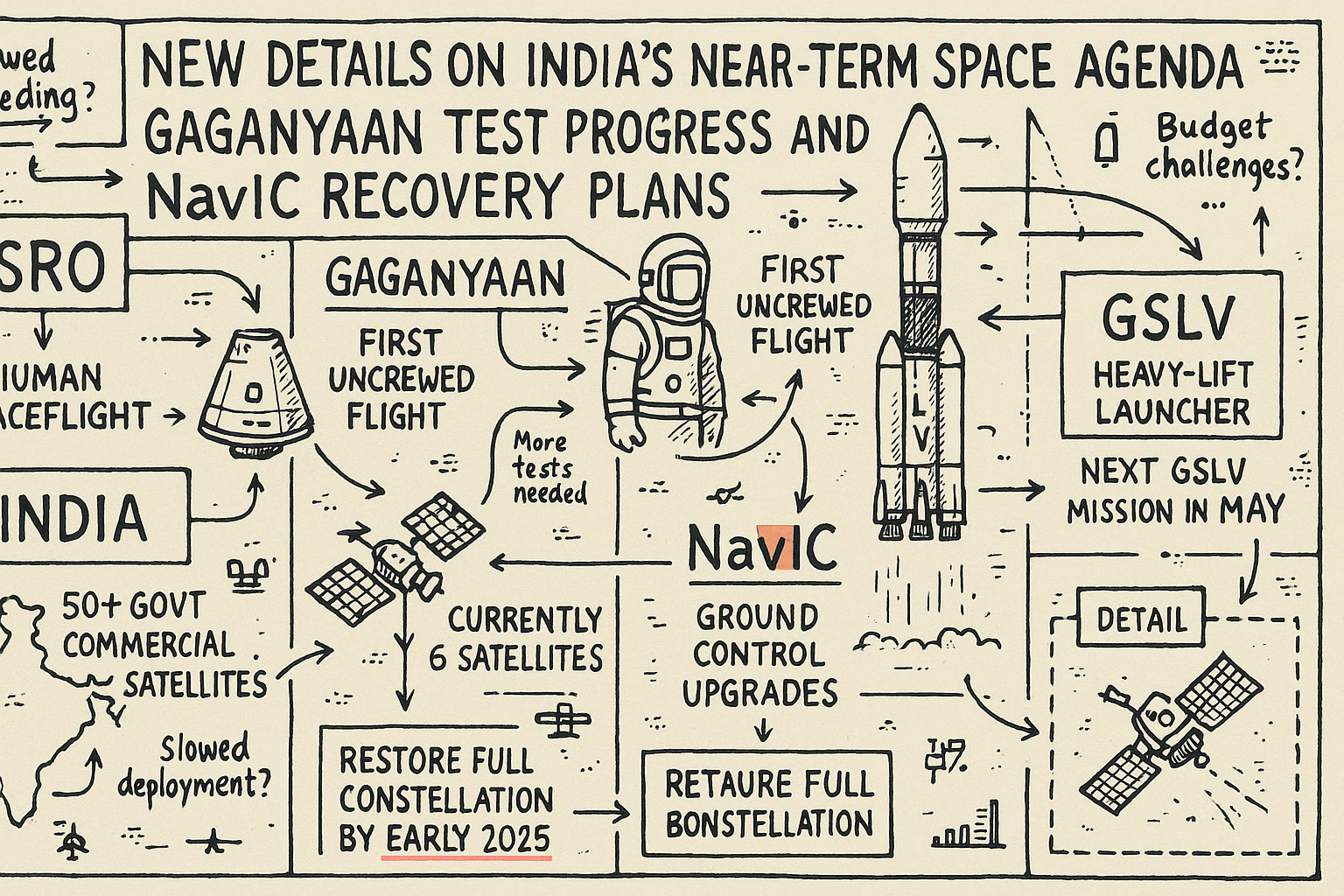
An Indian Space Research Organisation official told the Times of India that about 95% of the initial phase tests for the Gaganyaan human spaceflight programme are complete. The remark was published from Coimbatore and attributed to Narayanan Appu in reporting that updated the programme’s test status.
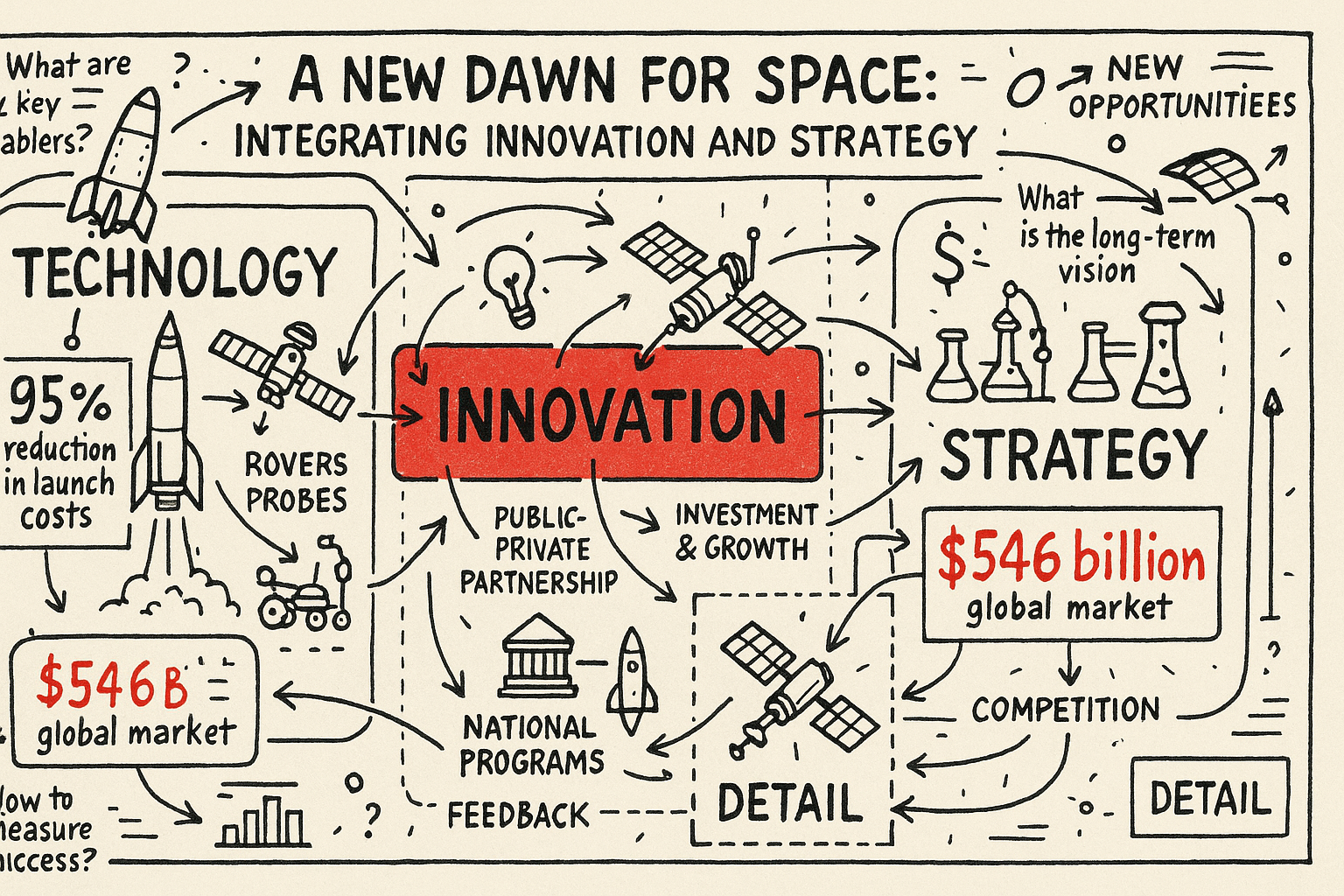
The update supports the broader narrative that India has progressed from asking whether it can build complex spacecraft to actually executing increasingly sophisticated missions, as noted in a Times of India analysis of the nation’s space sovereignty and capability growth. That analysis stressed how India has crossed multiple technical fronts — from indigenous launch vehicles and navigation systems to lunar and solar missions, autonomous docking and preparations for human spaceflight — and now faces the next challenge of translating those capabilities into sustained programmes and external demand.
NavIC recovery: a compressed launch campaign
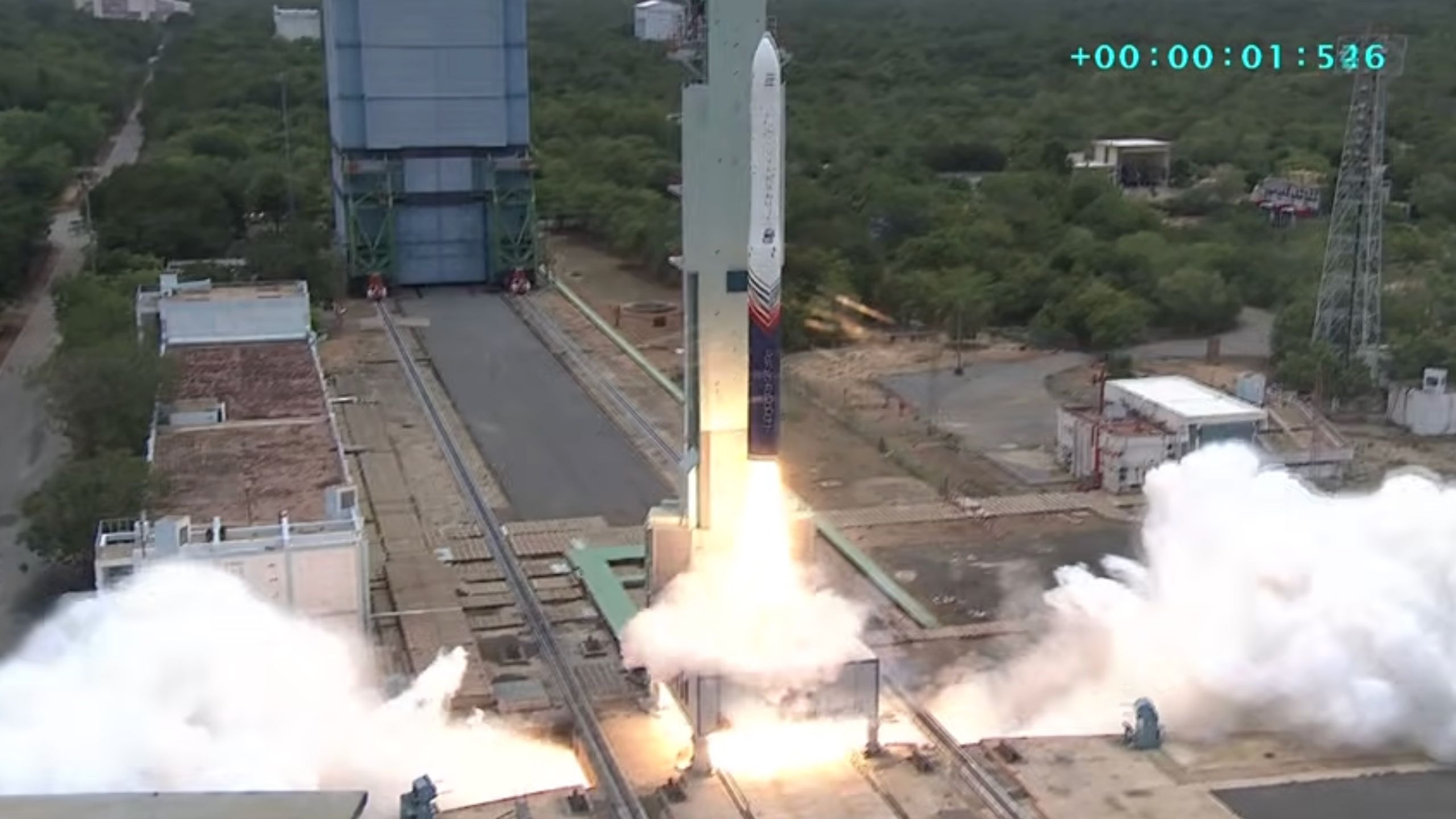
Separate coverage from SpaceDaily and The Times of India outlines an active campaign to launch the next second-generation NavIC navigation satellite, NVS-03, on a GSLV-Mk2 from Sriharikota. Sources cited by SpaceDaily reported that the campaign began on 14 September 2026, that the GSLV-Mk2 first stage had been stacked, and that the spacecraft was on site following a government clearance granted in September.
That reporting places an internal target launch window between 15 and 20 October 2026, with a preference for the earlier part of the window. The Times of India reporting that SpaceDaily cites frames the timeline as a working target driven by vehicle integration, spacecraft testing and range availability; SpaceDaily emphasized that ISRO had not issued a formal launch date and that the window reflects internal campaign targeting rather than an announced countdown.
The NavIC push comes after a costly satellite failure that degraded the navigation constellation. SpaceDaily described the NVS-03 launch as high-stakes and framed it as an effort to restore India’s independent positioning system; the outlet reported that confidence exists among those involved that remaining vehicle integration and checkout could be finished within about a month from the campaign start.
From capability to choice
Two themes connect the new reporting. First, India’s space programme is operating on multiple fronts simultaneously: human spaceflight testing and an expedited navigation-satellite replacement campaign. Second, commentators in the Times of India piece argued that having demonstrated technical sovereign capability, India’s next tasks include building depth, customers and international collaboration from a position of choice rather than necessity.
Taken together, the updates portray a programme moving from milestone demonstration toward operational resilience: Gaganyaan’s early test campaign is largely complete according to ISRO’s reporting, and NavIC stakeholders are pushing a compressed launch campaign to recover lost capability following a satellite failure. Both efforts underline how timetable pressures and integration work remain critical in the months ahead.