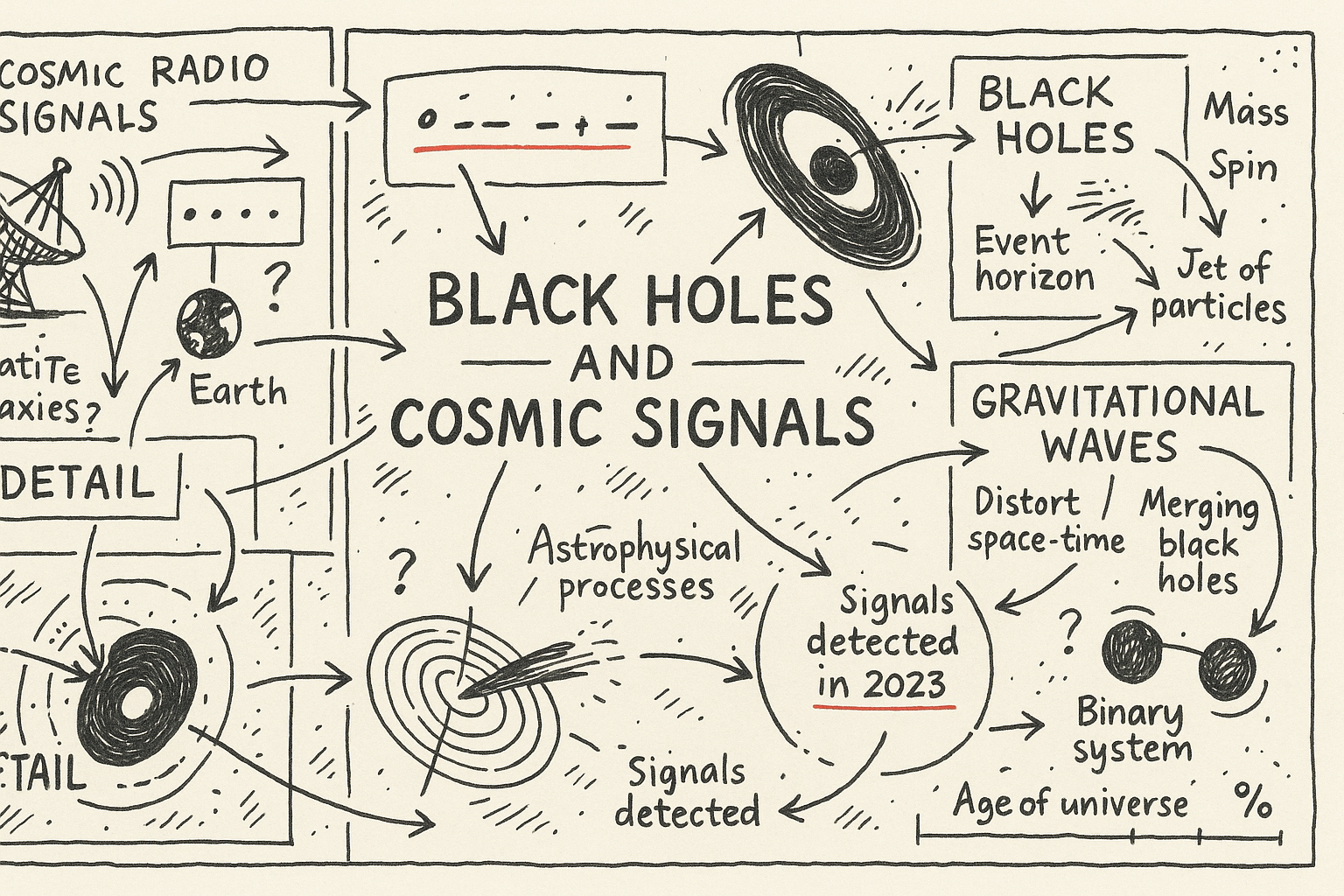
Recent astronomical discoveries have painted a portrait of a universe more dynamic and interconnected than previously imagined. From the detection of radio signals from an exoplanet to the intricate behavior of black hole jets, these findings offer profound insights into the cosmic processes that shape galaxies and potentially influence their fate.
Black Hole Jets: Cosmic Architects
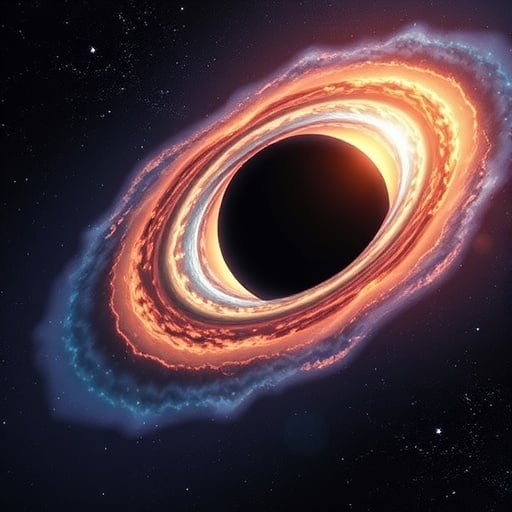
The discovery of a radio galaxy with four separate jet outbursts (Source 1) introduces a new class of celestial phenomena. Black holes, often perceived as cosmic vacuum cleaners, play a more complex role. These massive objects emit jets during 'burp' phases, as described in recent studies (Source 2). These jets can extend far beyond a galaxy's visible edge, interacting with the circumgalactic medium (Source 7). This interaction can influence star formation and, consequently, a galaxy's evolution, suggesting that black holes are not mere cosmic end points but active participants in galactic life cycles.
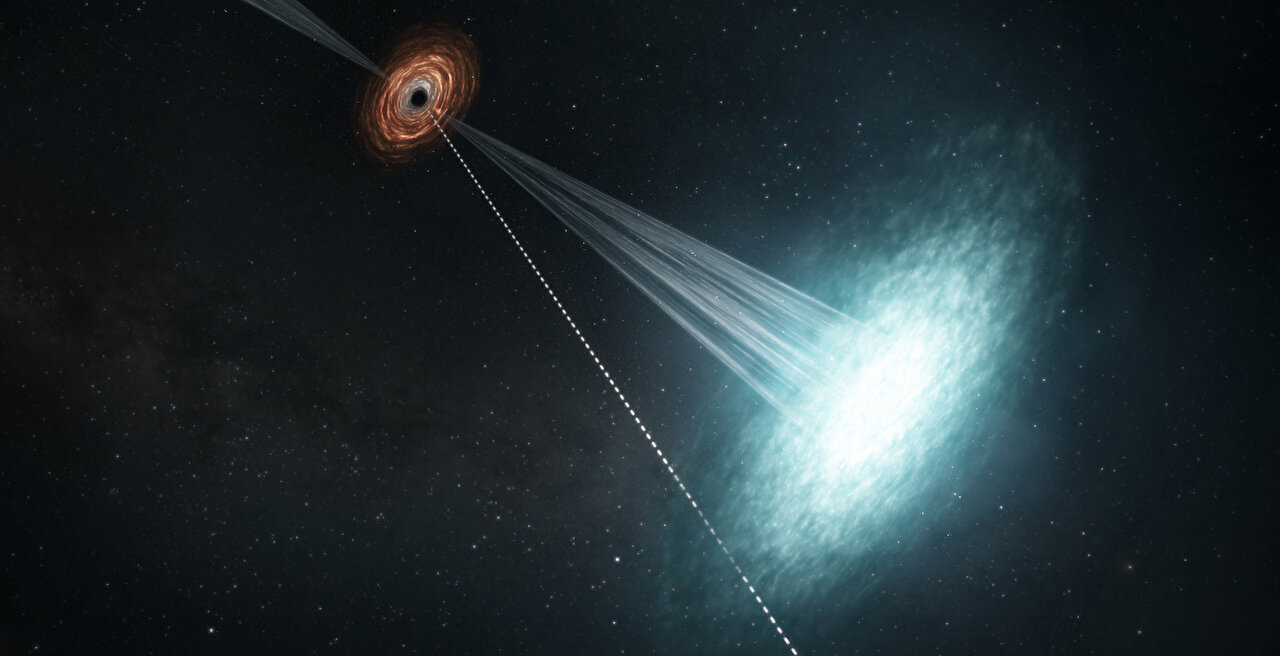
Interestingly, the Milky Way has its own share of black hole activity. The first microblazar detected in our galaxy features a jet aimed directly at Earth (Sources 3 and 5). This discovery not only raises questions about the potential for such systems to accelerate particles to near-light speeds but also highlights the energetic processes occurring within our own galactic neighborhood.
Exoplanetary Radio Signals: A New Frontier
In a groundbreaking achievement, scientists have detected radio signals emanating from an exoplanet for the first time (Sources 4 and 6). This observation marks a milestone in exoplanet research, providing a new method to study these distant worlds. The detected signals were not from extraterrestrial civilizations but rather from magnetic activity on the gas giant β Pictoris b, offering insights into the magnetic environments of exoplanets.
The ability to detect such signals opens up possibilities for understanding planetary atmospheres and magnetic fields, which are crucial for assessing habitability. This development signifies a shift in exoplanetary studies from mere detection to detailed characterization, paving the way for future explorations.
Interconnected Cosmos
The simultaneous advancements in understanding black holes and exoplanets underscore the interconnected nature of cosmic phenomena. Black hole jets can influence the formation of stars, providing the materials necessary for planet formation. Meanwhile, studying radio signals from exoplanets can enhance our understanding of planetary systems, which may be influenced by the galactic environment shaped by black holes.
Moreover, these discoveries challenge the static view of the universe, presenting it as a dynamic entity where energy and matter constantly interact and evolve. The role of black holes as both destroyers and creators adds a layer of complexity to our understanding of the cosmos.
Future Implications
The implications of these findings are vast. For one, understanding the mechanics of black hole jets can inform models of galaxy evolution, impacting how we understand the universe's structure. Furthermore, the ability to detect radio signals from exoplanets could revolutionize the search for extraterrestrial life, allowing scientists to probe the magnetic and atmospheric conditions of distant worlds.
As technology advances, astronomers will likely uncover more about these phenomena, further blurring the lines between different cosmic processes and revealing the intricate tapestry of the universe.