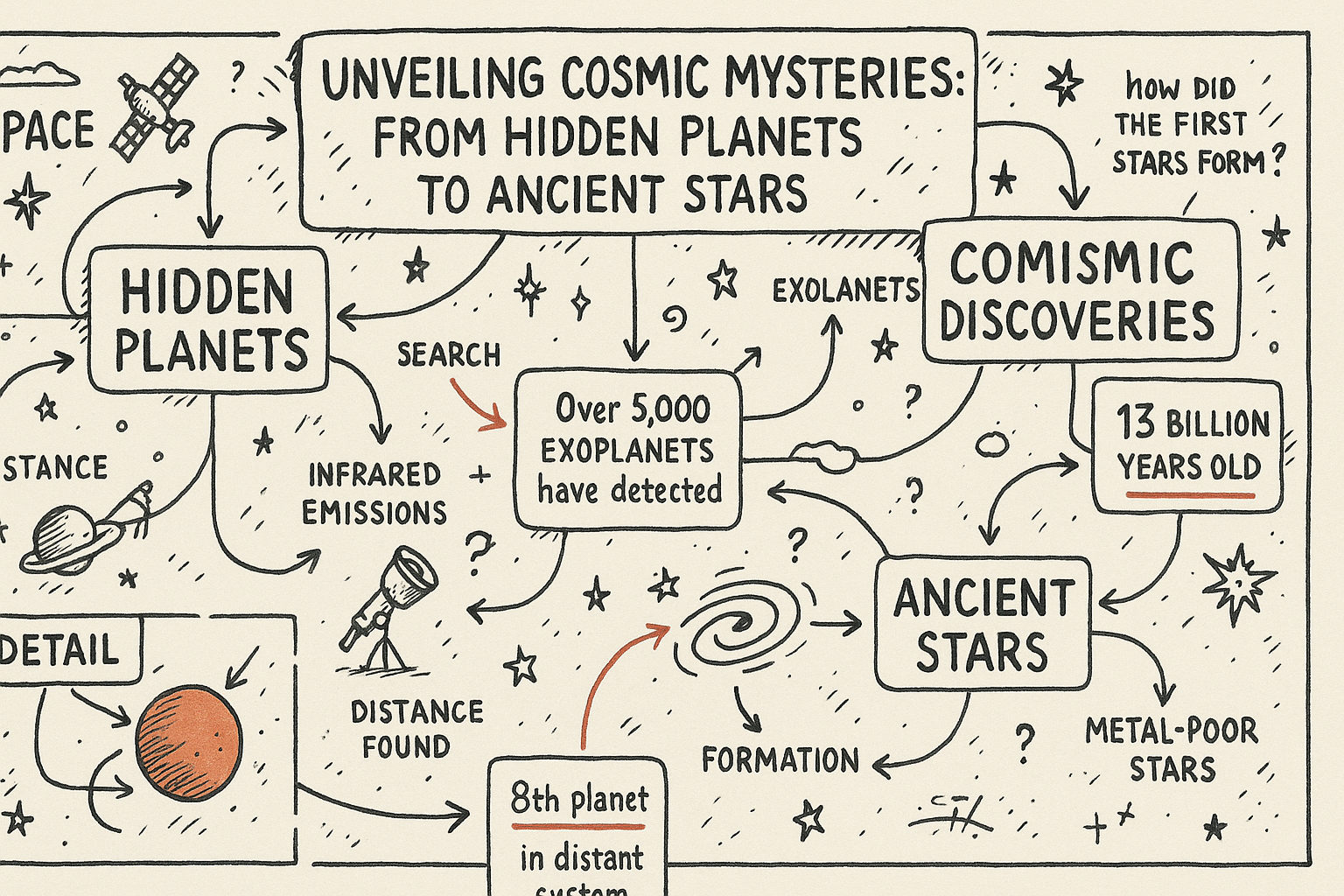
The vastness and complexity of the universe continue to astound scientists and enthusiasts alike. Recent discoveries have cast new light on long-standing cosmic mysteries, offering insights that bridge the past and future of astronomy.
Rediscovering Omega Centauri's Black Holes
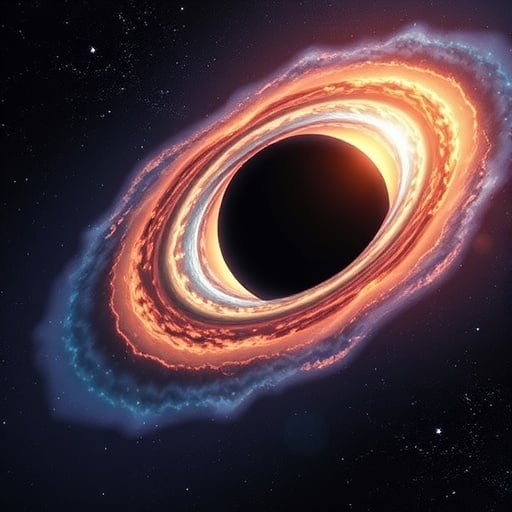
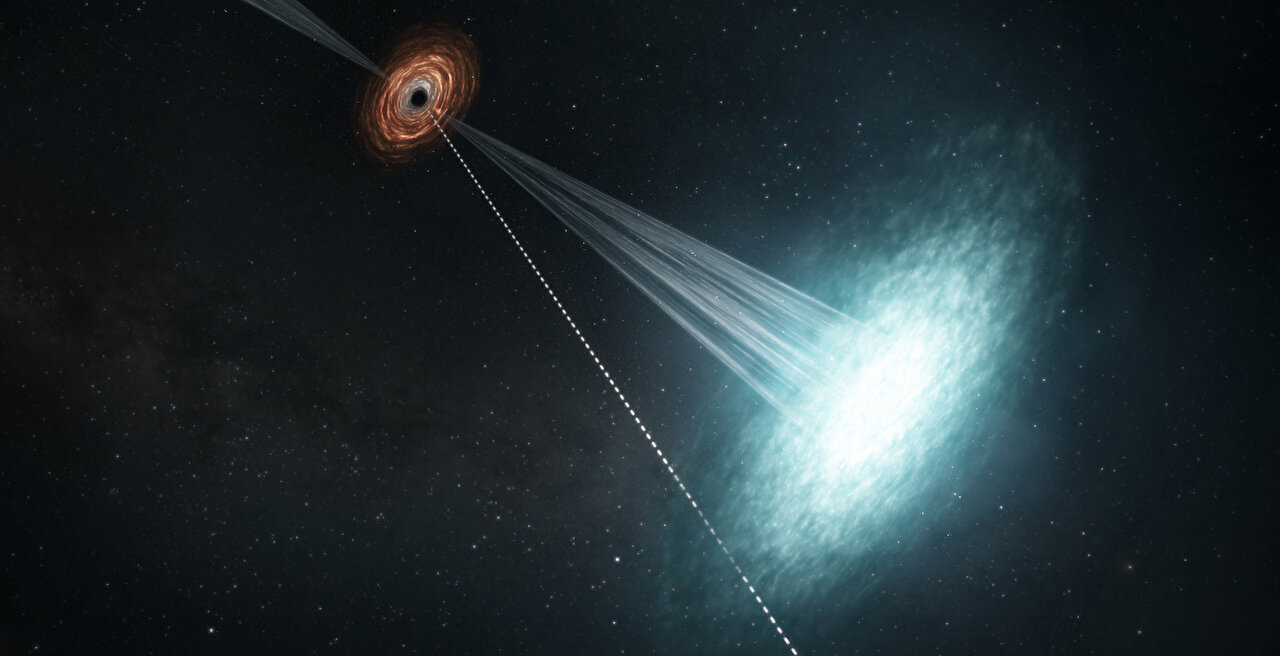
For decades, Omega Centauri, a massive globular cluster, has baffled astronomers. It was expected to host numerous black holes, remnants of ancient stars. Yet, evidence was elusive until the Hubble Space Telescope, supported by the James Webb Space Telescope (JWST), recently identified the first stellar-mass black hole within the cluster. This breakthrough not only solves a celestial enigma but also paves the way for understanding stellar evolution in dense star environments.
The Curious Case of Theta Eridani
Another mystery that has perplexed astronomers for over a century is the brightness discrepancy of Theta Eridani. Historical records depicted it differently than its current magnitude. A new study proposes a plausible explanation, potentially linked to variable star behavior or observational errors in ancient times. This finding underscores the importance of revisiting historical data with modern technology, offering a fresh perspective on stellar characteristics.
New Horizons in Exoplanetary Discoveries
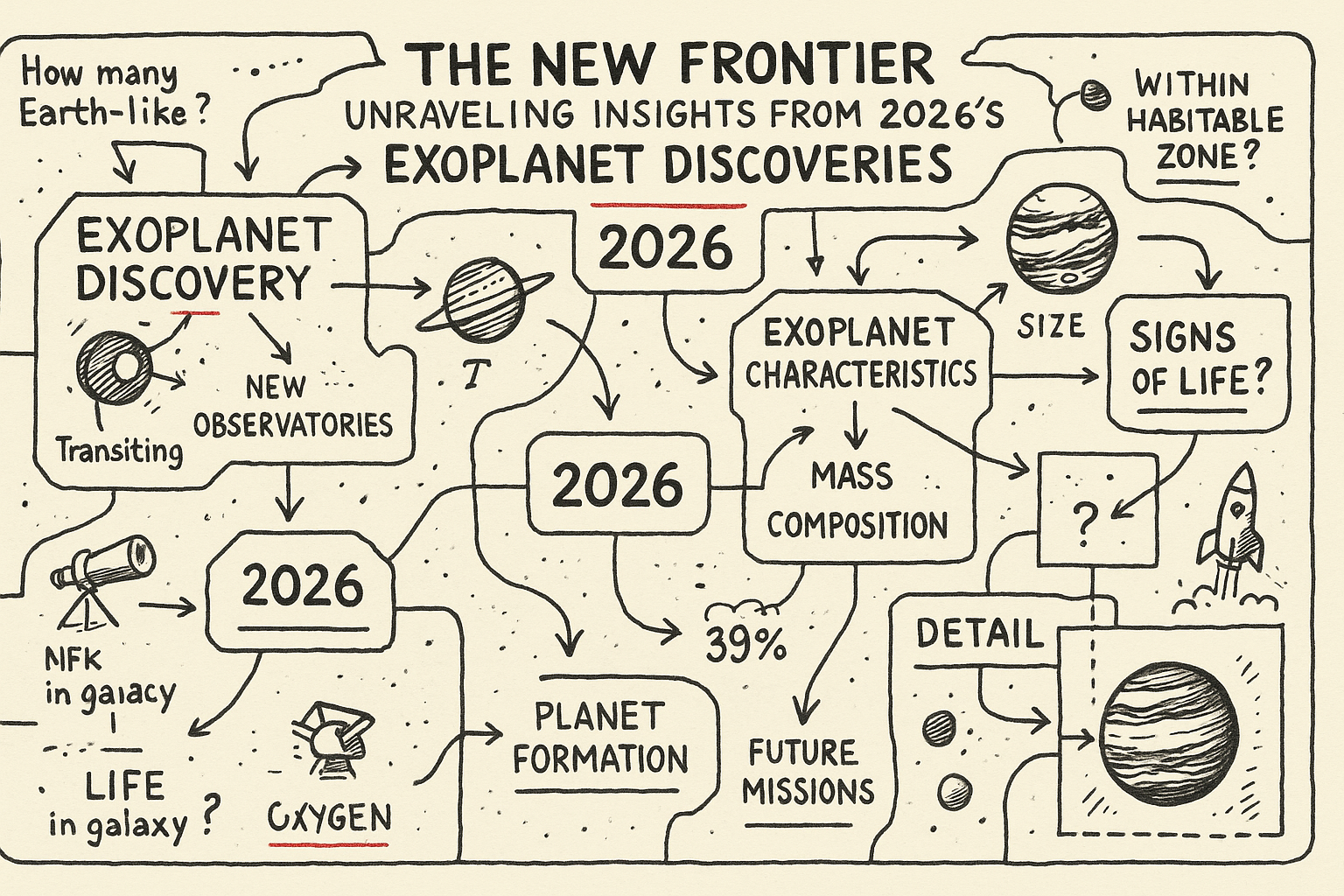
The JWST has also expanded our understanding of planetary systems by discovering a hidden exoplanet within a well-known star system. This discovery challenges previous models of planetary formation and hints at a plethora of undiscovered worlds in our galaxy. The implications are profound, suggesting that our current catalog of exoplanets is just the tip of the iceberg.
Galactic Mergers and Star Formation Quenching
One of the most intriguing revelations comes from the study of massive quenched galaxies in the early universe. The JWST has revealed that many of these galaxies ceased star formation much earlier than previously thought. The key to this mystery lies in galaxy mergers, which were often obscured in earlier observations. These mergers play a critical role in halting star formation, reshaping our understanding of galactic evolution.
Supporting this, astronomers have observed a massive galaxy losing its star-forming gas merely 1.4 billion years after the Big Bang. Such discoveries highlight the dynamic nature of galaxies and the forces that influence their development over cosmic time scales.
Hunting for Population III Stars
The quest to find Population III stars, the universe's first stars, is another frontier in cosmology. These stars are a missing link between the primordial universe and the metal-rich cosmos we know today. Although elusive, recent research is honing in on where to search for these ancient celestial bodies, promising to fill crucial gaps in our understanding of the early universe.
The Broader Picture
These discoveries collectively paint a picture of a universe that is far more dynamic and interconnected than previously imagined. They challenge existing paradigms and push the boundaries of what we know about stellar and galactic evolution. As technology advances, particularly with instruments like the JWST and ESA's Euclid space telescope, our ability to peer into the cosmos will continue to grow, potentially revealing even more startling truths about our universe.
Future ImplicationsThe insights gained from these discoveries not only enhance our understanding of cosmic history but also inform the search for life beyond Earth. By comprehending the formation and evolution of stars and planets, scientists can better identify conditions conducive to life. Moreover, unraveling the intricacies of galaxy formation and evolution may provide clues about our own galaxy's past and future trajectory. As we stand on the brink of these new revelations, the universe beckons with promises of further mysteries to unravel.