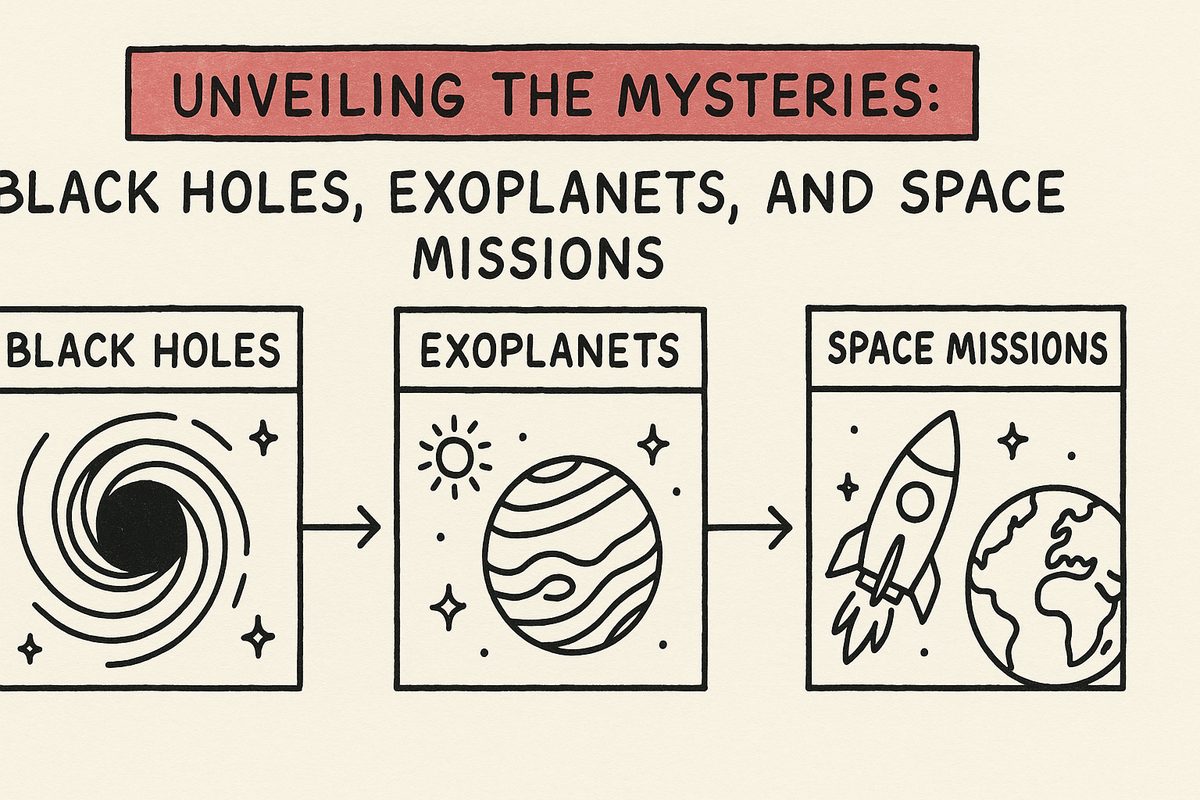
In the ever-expanding tapestry of space science, recent discoveries have shed light on some of the universe’s most enigmatic phenomena—from the winds of quasars to the dormant giants that lurk at the edges of galaxies. These findings not only enhance our understanding of cosmic events but also highlight the intricate dance between the forces of nature and the technologies we deploy to study them.
Quasar Winds: A Cosmic Gale
In a groundbreaking study, researchers from York University have identified the fastest ultraviolet quasar wind ever recorded, reaching speeds of up to 30% of the speed of light near a supermassive black hole. This discovery offers significant insights into the dynamics of quasars, the luminous disks of matter surrounding black holes, which play a pivotal role in galaxy formation and evolution. The detection of such high-speed winds helps astronomers understand how energy and matter are distributed in the universe, potentially affecting star formation rates in galaxies.
Dormant Black Holes: The Silent Giants
Meanwhile, the James Webb Space Telescope (JWST) continues to push the boundaries of our cosmic understanding by 'weighing' a dormant black hole 10 billion light-years away. This black hole, part of the galaxy MRG-M0138, is the most distant dormant black hole ever detected. The ability to study such distant objects provides a window into the early universe, unraveling the history of cosmic structures and offering clues about the conditions that led to the formation of galaxies.
Exoplanetary Weather: A New Horizon
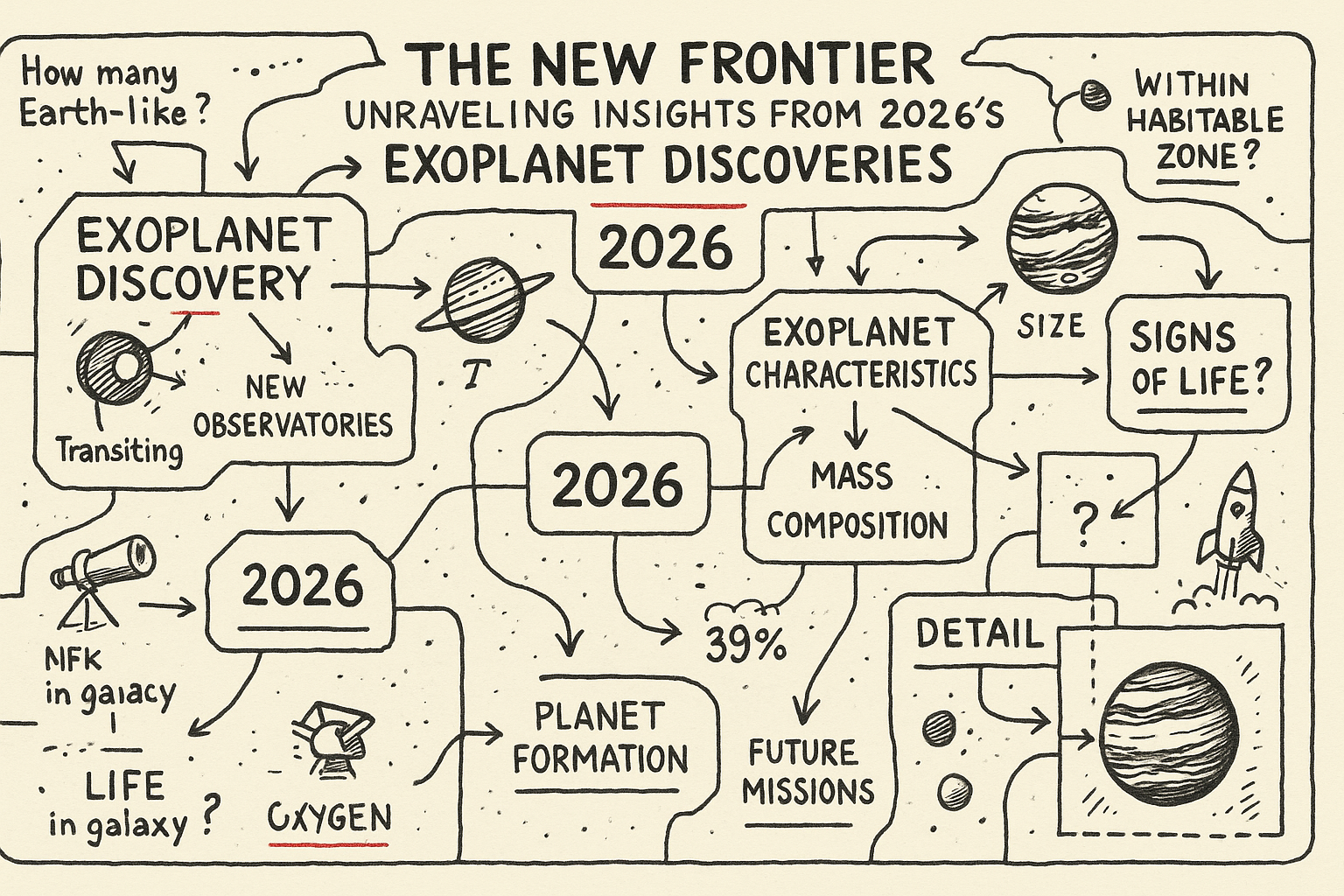
In another fascinating development, astronomers have developed a new technique to detect cloud patterns on exoplanets, using data from JWST. This method has revealed distinct weather patterns on the gas giant WASP-94A b, with sand clouds prevalent in the mornings and clear skies in the evenings. Understanding the atmospheric conditions of exoplanets is crucial for assessing their habitability and for the broader search for life beyond Earth.
ESA's Scout-Class Missions: Eyes on Earth
On a more terrestrial note, the European Space Agency (ESA) has announced two new scout-class missions aimed at enhancing our understanding of Earth's environment. These missions underscore the importance of satellite-based observations in providing a comprehensive view of global changes. By transcending national boundaries, these missions aim to address critical environmental issues, from climate change to natural resource management.
Future Implications and Insights
The synthesis of these discoveries highlights a few surprising insights. Firstly, the presence of high-speed quasar winds suggests a more dynamic interaction between black holes and their host galaxies than previously thought. Secondly, the ability to 'weigh' dormant black holes at such vast distances challenges our understanding of black hole evolution. Lastly, the detection of exoplanetary weather patterns opens up new avenues for characterizing distant worlds, potentially transforming our search for extraterrestrial life.
As we continue to unravel the mysteries of the universe, these findings reflect the symbiotic relationship between technological advancements and scientific discovery. The future of space science promises even more profound insights, driven by the relentless pursuit of knowledge and the ever-evolving capabilities of our observational tools.