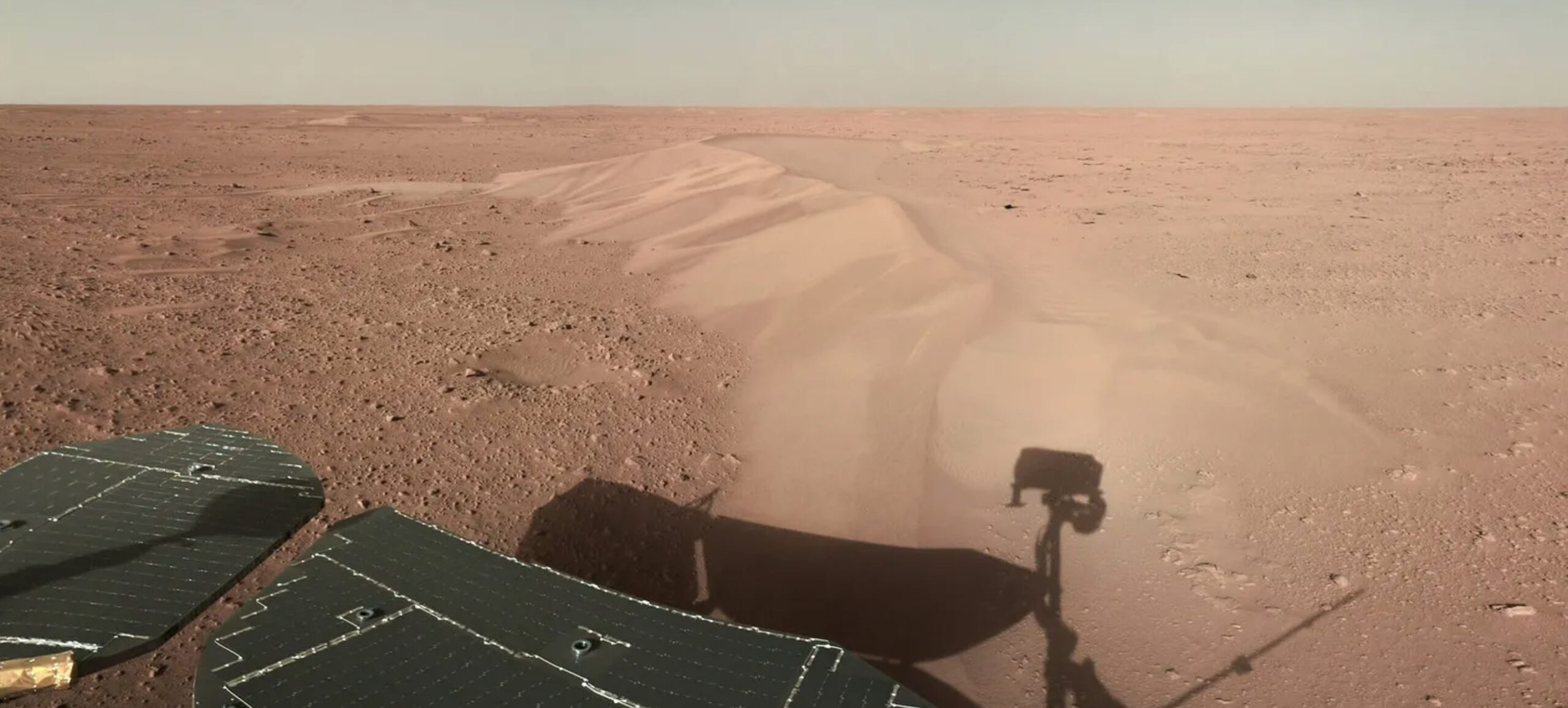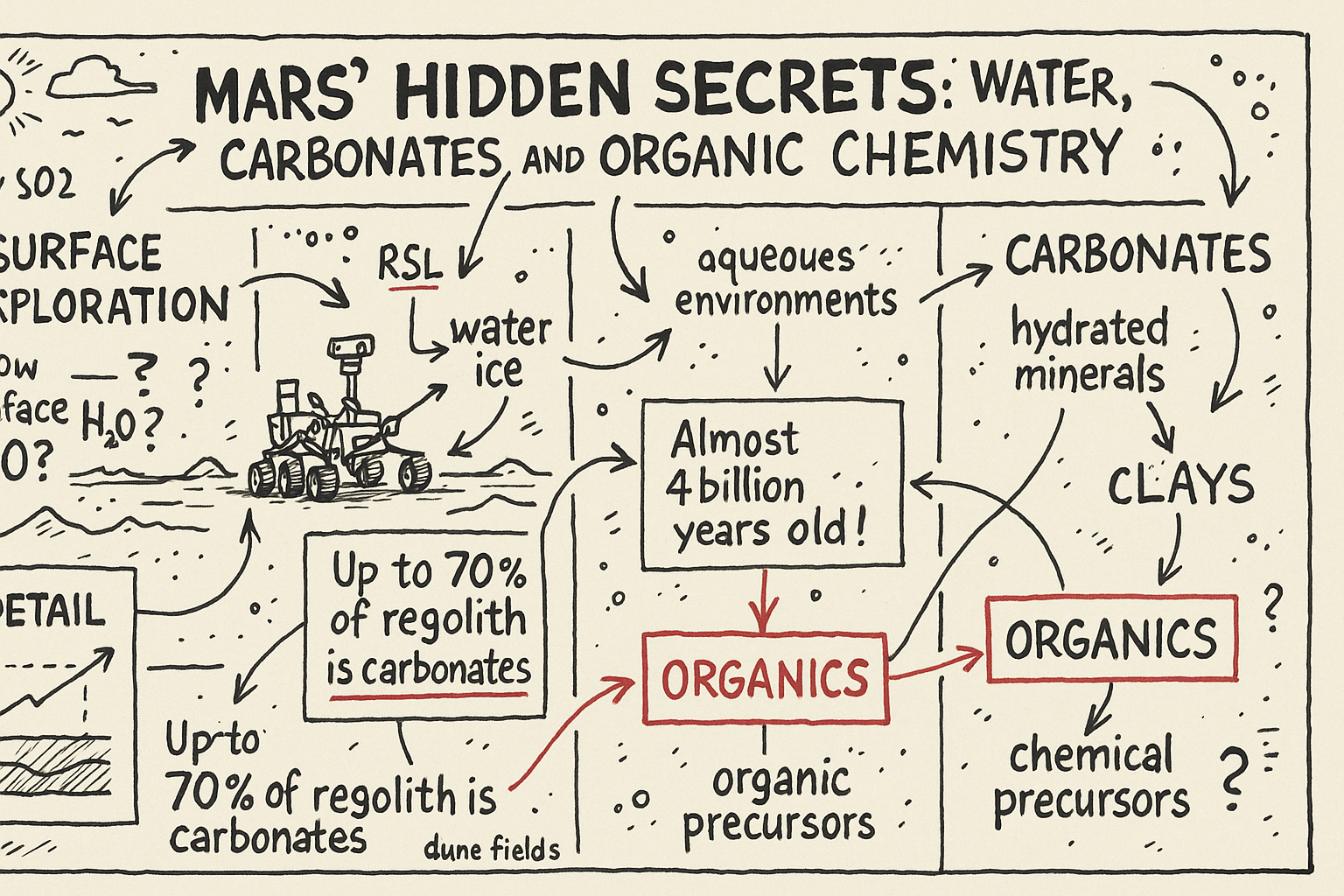
Mars has long been a focal point for scientists seeking to understand the history of water in our solar system. Recent studies have revealed surprising insights into the planet's past, suggesting that Mars may have experienced a more complex and dynamic hydrological history than previously thought.
Uncovering Mars' Watery Past
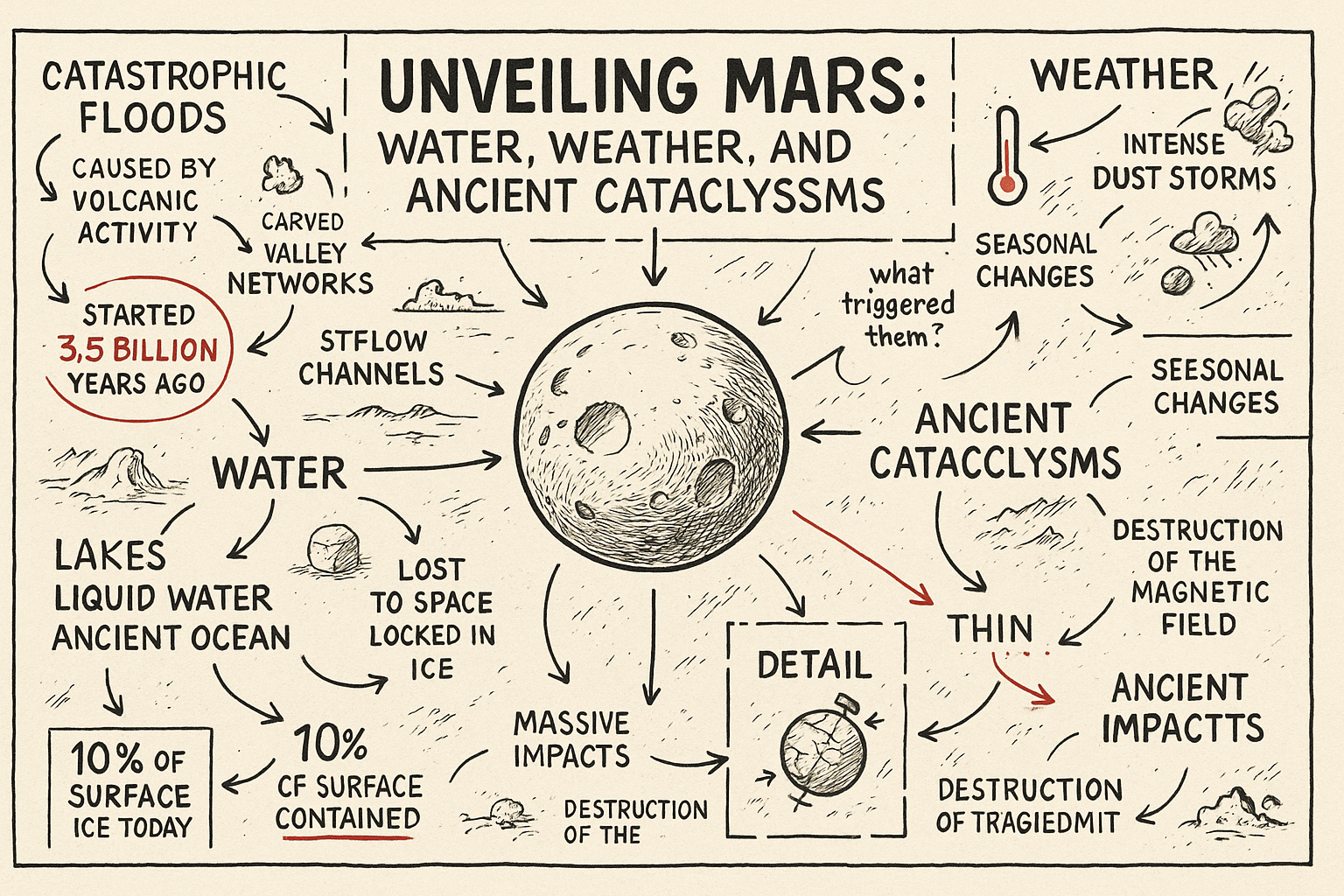
One of the most intriguing aspects of Mars is its carbonate rock formations, which are believed to hold clues about the planet's ancient climate. Carbonate minerals form when water interacts with carbon dioxide, a process that should have been abundant given Mars' once thick CO2-rich atmosphere. However, as highlighted in recent research from JAXA and the University of Tokyo, the expected carbonate reserves are largely missing from the Martian surface. This discrepancy has led scientists to hypothesize that significant carbonate deposits may be hidden deep underground, potentially providing evidence of Mars' once watery surface.
Further deepening the mystery, the Perseverance rover's exploration of the Jezero Crater has unearthed evidence of at least three distinct episodes of water activity in Mars' history. The Margin Unit, a region within the crater, has revealed a complex stratigraphy shaped by ancient lakes, groundwater systems, and hydrothermal fluids. This paints a picture of Mars as a planet with a dynamic water system, capable of sustaining liquid water over extended periods.
Decoding the Martian Mantle
Adding to the puzzle is the discovery of a warm region within Mars' mantle, identified through tidal tomography by researchers at the University of Arizona. This anomaly, located in the southern hemisphere, is significantly warmer than the surrounding mantle. It suggests that Mars not only has a complex history of surface water but also an intricate internal evolution that could have influenced its surface conditions.
Organic Molecules: Building Blocks of Life
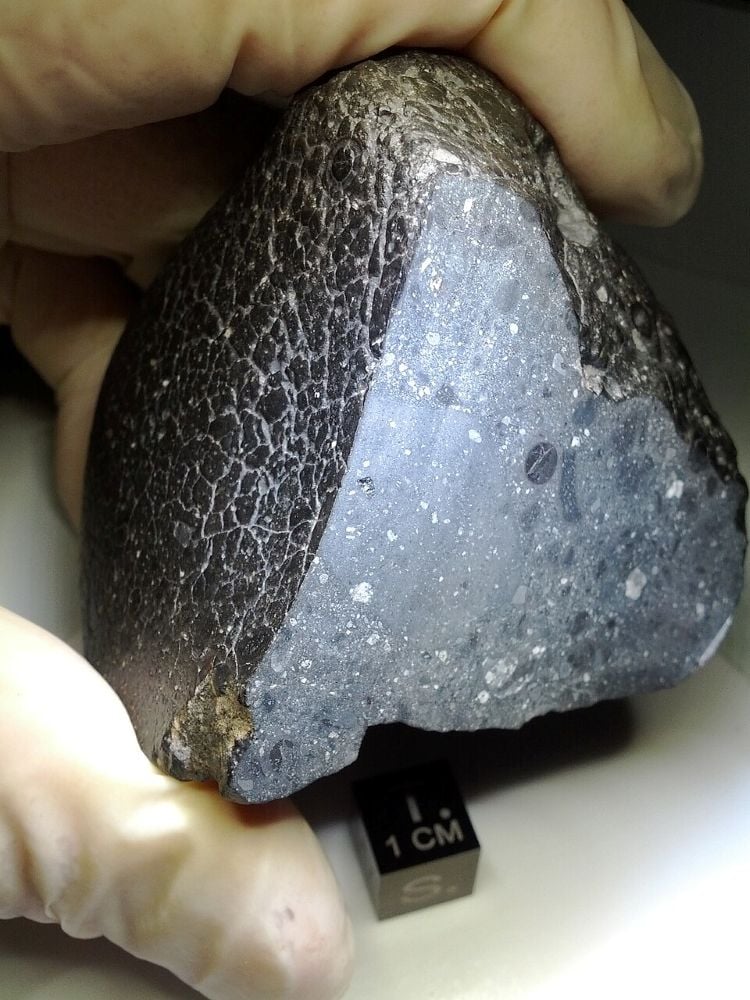
Meanwhile, the presence of complex organic molecules in space rocks has further fueled speculation about life's building blocks arriving from extraterrestrial sources. A study led by Joseph W. Frye-Jones has documented hundreds of thousands of such molecules in meteorites. These findings remind us that the universe is a vast chemistry lab, where the ingredients for life are not as rare as once assumed.
Interconnected Insights
The collective insights from these studies suggest a Martian past that is far more intricate than previously understood. The existence of underground carbonates, episodic water presence, and internal heat anomalies indicate that Mars was not just a static, barren planet but one that may have been quite dynamic. These findings have implications for the search for life, as they suggest that Mars might have been habitable at various points in its history.
Moreover, the discovery of organic molecules in meteorites bridges the gap between planetary science and astrobiology. It challenges us to consider the possibility of life-sustaining conditions elsewhere in the solar system and beyond. These revelations compel us to rethink the conditions necessary for life and the potential for discovering life beyond Earth.
Looking Ahead
As exploration technology advances, our ability to probe these mysteries will only improve. Future missions may focus on drilling into Mars' subsurface to directly detect these hidden carbonates. Additionally, continued study of meteorites will help clarify the role of organic molecules in the origins of life.
In conclusion, Mars continues to surprise and challenge us. Each new discovery adds to the tapestry of knowledge, painting a picture of a planet with a rich and varied history. As we continue to explore, the Red Planet may yet reveal secrets that fundamentally alter our understanding of life's potential in the cosmos.