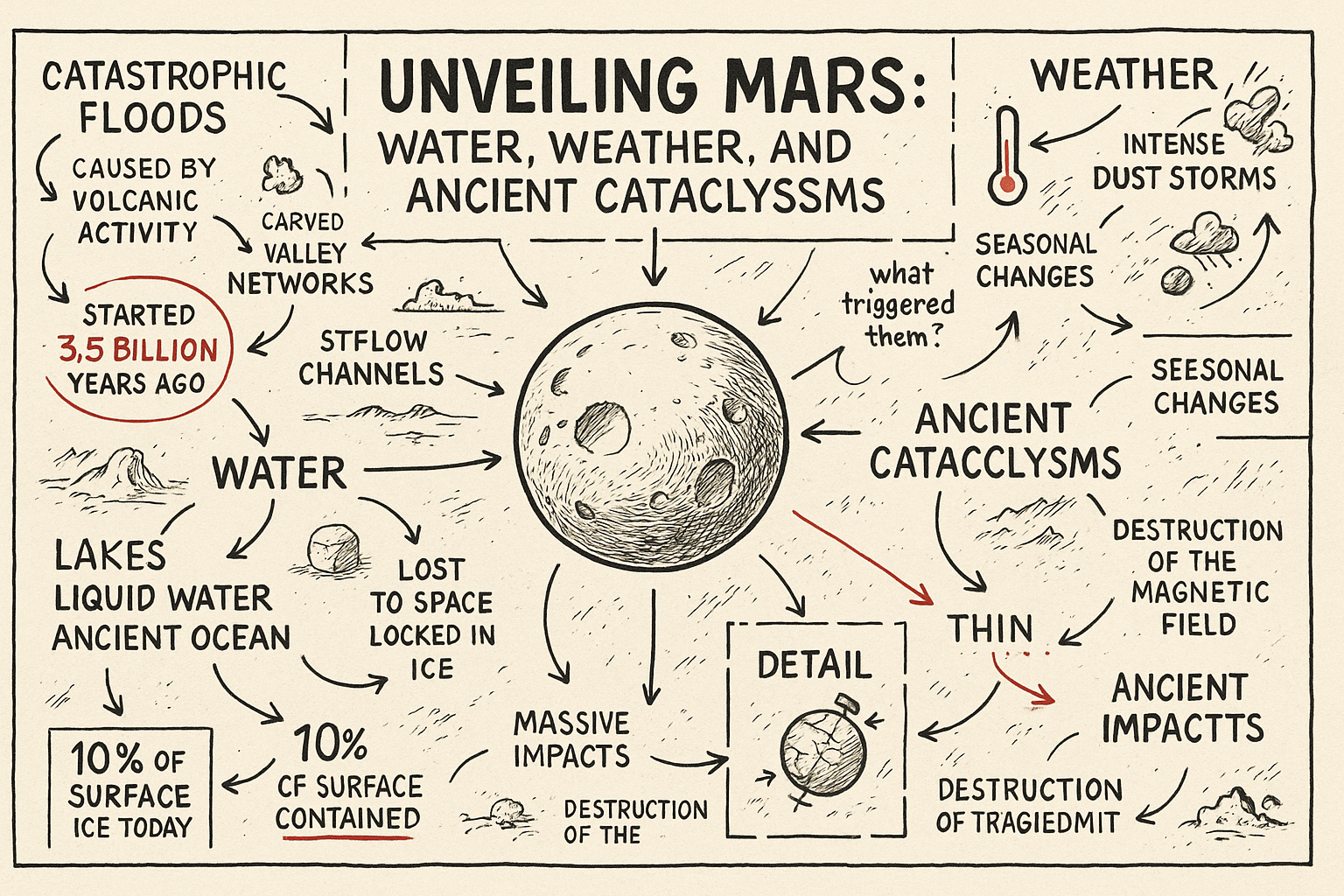
The story of Mars is one written in the ancient rocks and meteorites that have traveled across the solar system to provide clues about the Red Planet's storied past. Recent scientific investigations have painted a more nuanced picture of Mars, revealing insights into its water history, atmospheric dynamics, and past geological upheavals.
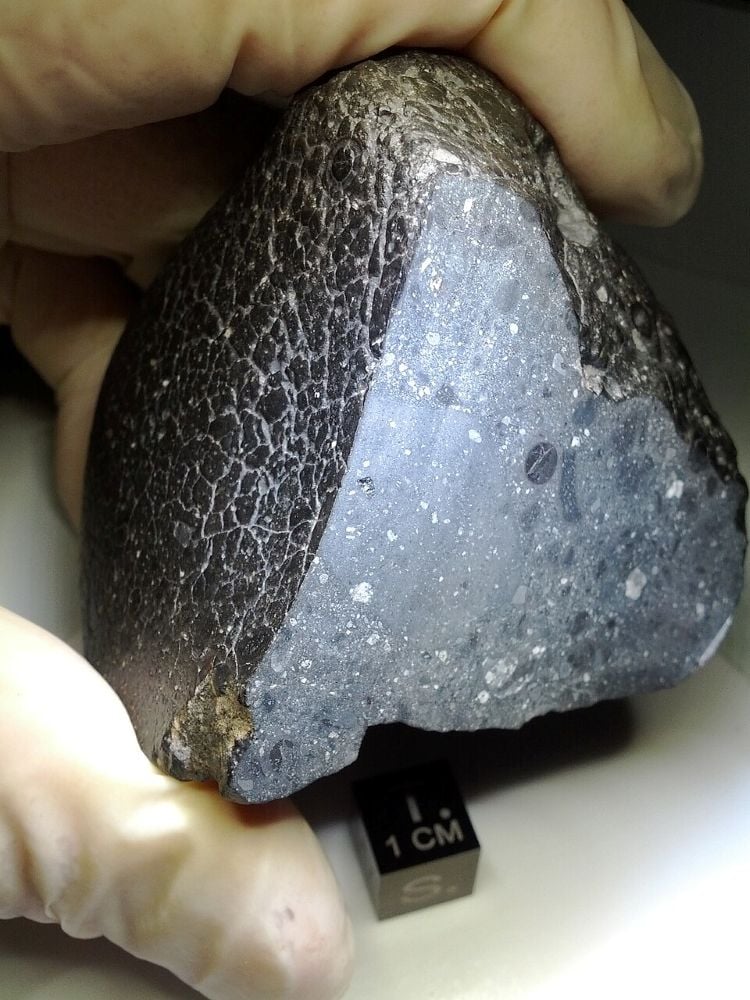
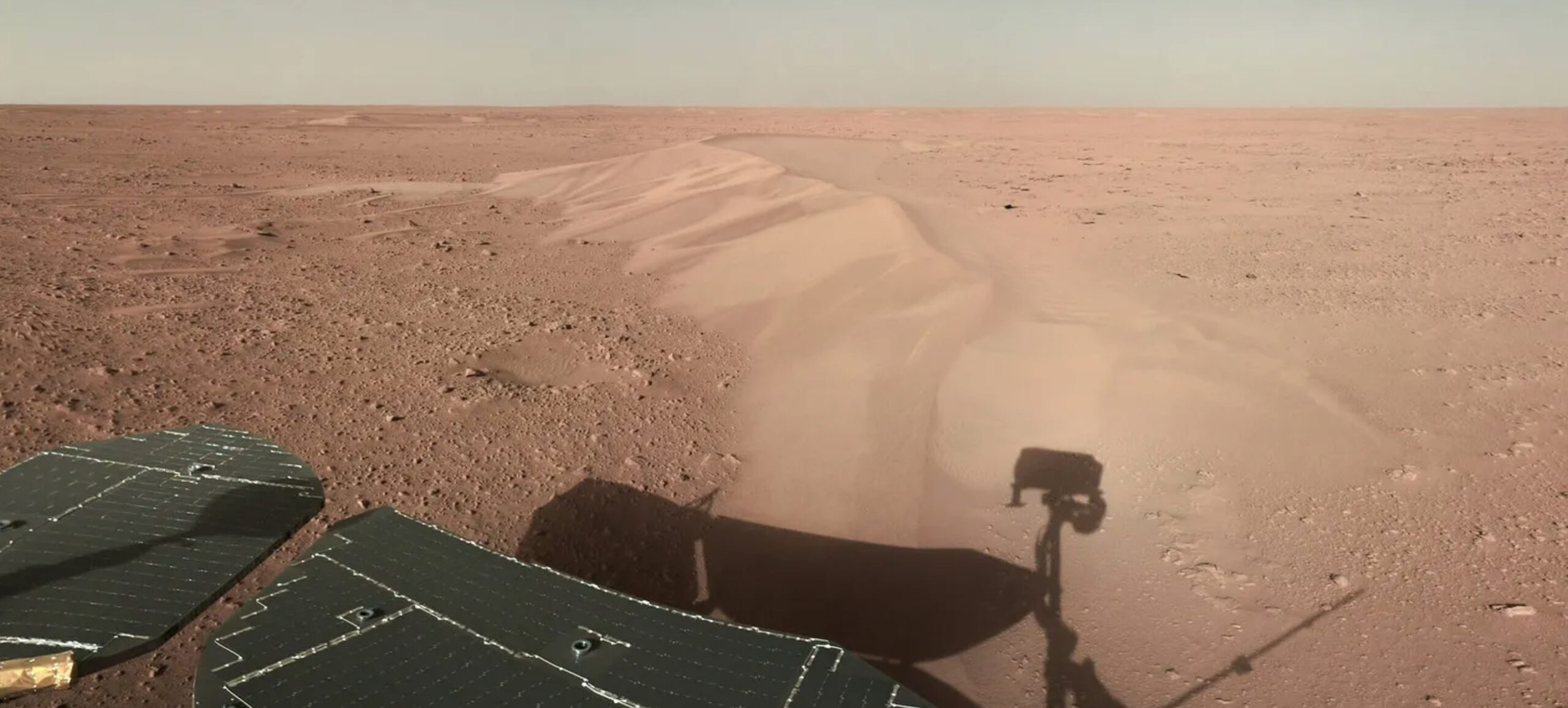
New analysis of the Mars meteorite, Teghaza 001, suggests that Mars lost its water early in its history. The granite-like crust of the meteorite indicates that Mars once had significant water activity, which dwindled over time. This aligns with findings from the Spirit rover, which, even after more than two decades since its mission ended, continues to provide data suggesting that large parts of Mars were once covered by water.
The presence of water on Mars is further corroborated by recent studies on the rivers of magma that once bubbled beneath its crust. These magma systems could have created conditions supportive of life, expanding the list of rocky planets that may have been habitable. This echoes the sentiments of many planetary scientists who believe that Mars, in its early years, was potentially a cradle for life.
Another layer of Mars's complexity is its weather system, which may be more sophisticated than previously thought. The 2018 planetwide dust storm on Mars might have been influenced by solar activity, hinting at a solar influence on Martian weather. This theory challenges our understanding of Martian climate, suggesting that Mars's atmosphere may be dynamically interacting with solar phenomena.
Adding to the narrative of Mars's dynamic past are findings from NASA's Perseverance Rover, which uncovered evidence of 4-billion-year-old impacts in the Jezero Crater. These ancient rocks offer a cosmic weather report from the solar system's most volatile era, a time when Mars was bombarded by meteorites, reshaping its surface and possibly affecting its habitability.
Meanwhile, the European Space Agency's Mars Express orbiter captured images of 'metallic' waves in an ancient Martian crater, a visual spectacle that challenges the usual perception of Mars as merely a dusty, red planet. Such discoveries remind us that Mars still holds visual and scientific surprises.
On Earth, meteorites like the one that recently crashed in New Jersey provide analogous insights into the early solar system. They help scientists draw parallels between Mars and Earth, offering glimpses into the processes that shaped our neighboring planets.
The synergy between these findings suggests that Mars's history is a mosaic of water, weather, and cosmic impacts. It challenges the simplistic narrative of Mars as a cold, dry, and dead world, opening possibilities for more complex interactions over its geological history.
Looking forward, these discoveries prompt further exploration and study. Mars's past, as revealed by these scientific inquiries, invites questions about its potential to have harbored life and its habitability in the future. As we continue to explore, Mars remains a canvas of scientific intrigue, with each discovery adding depth to our understanding of the planet and its place in the solar system.