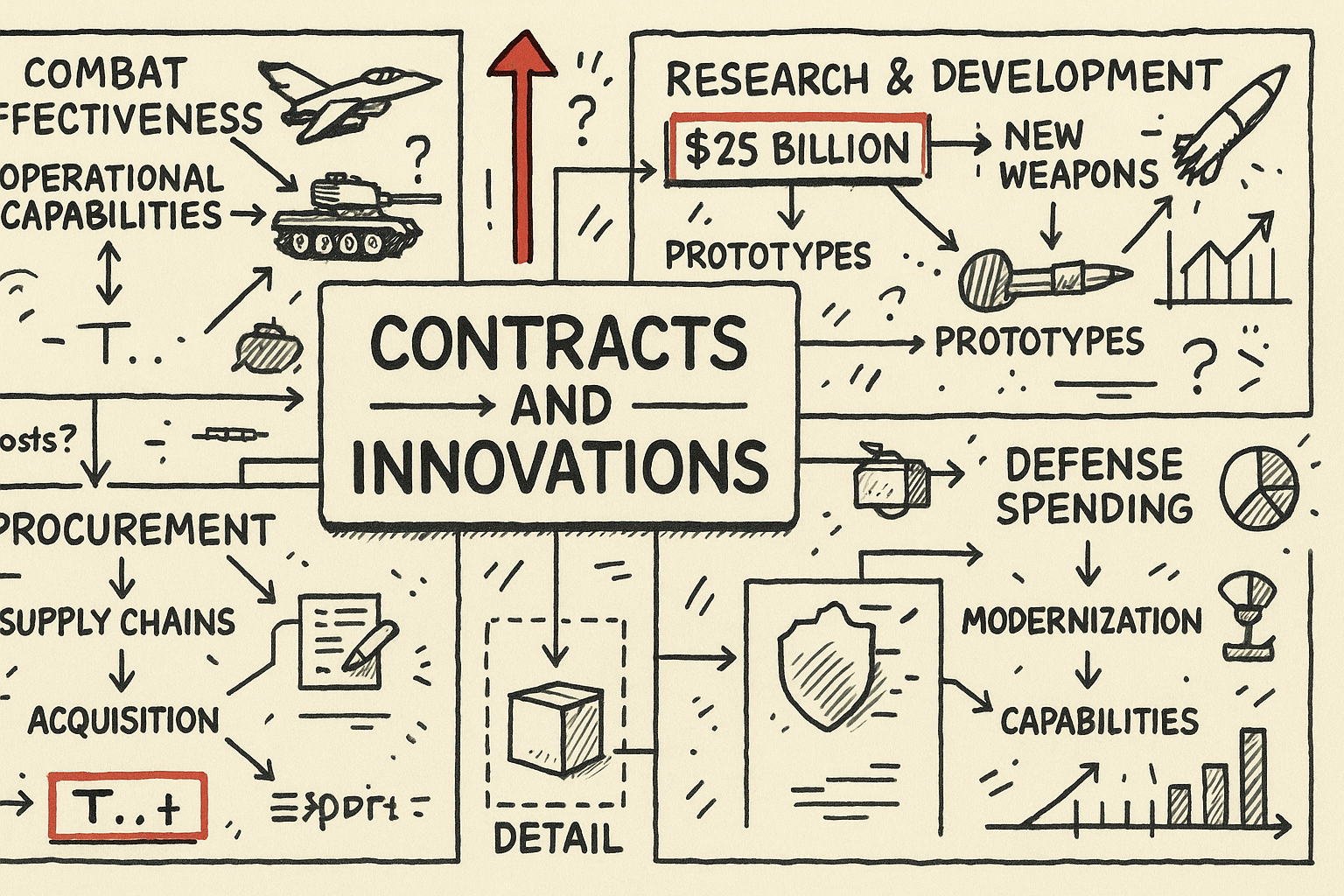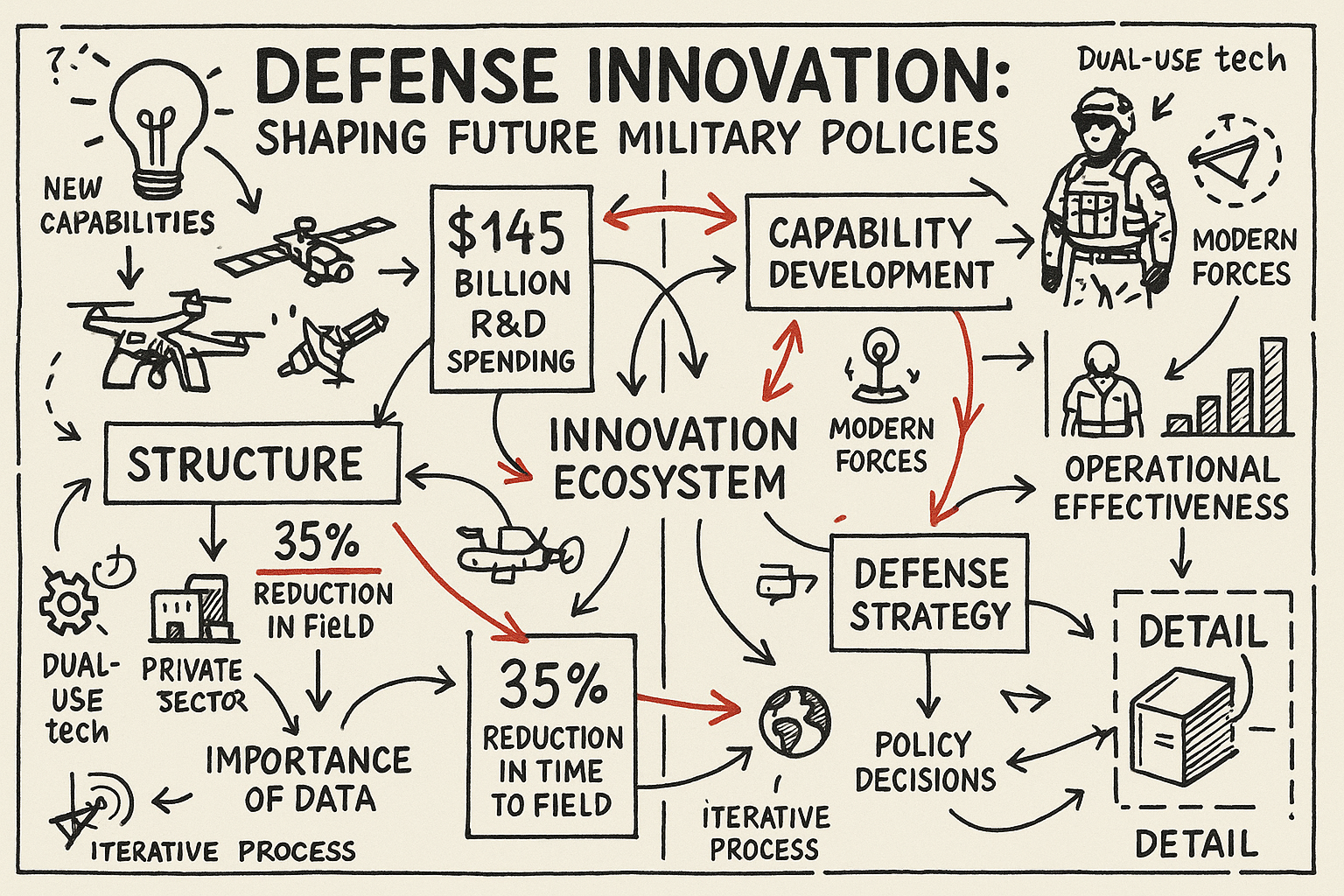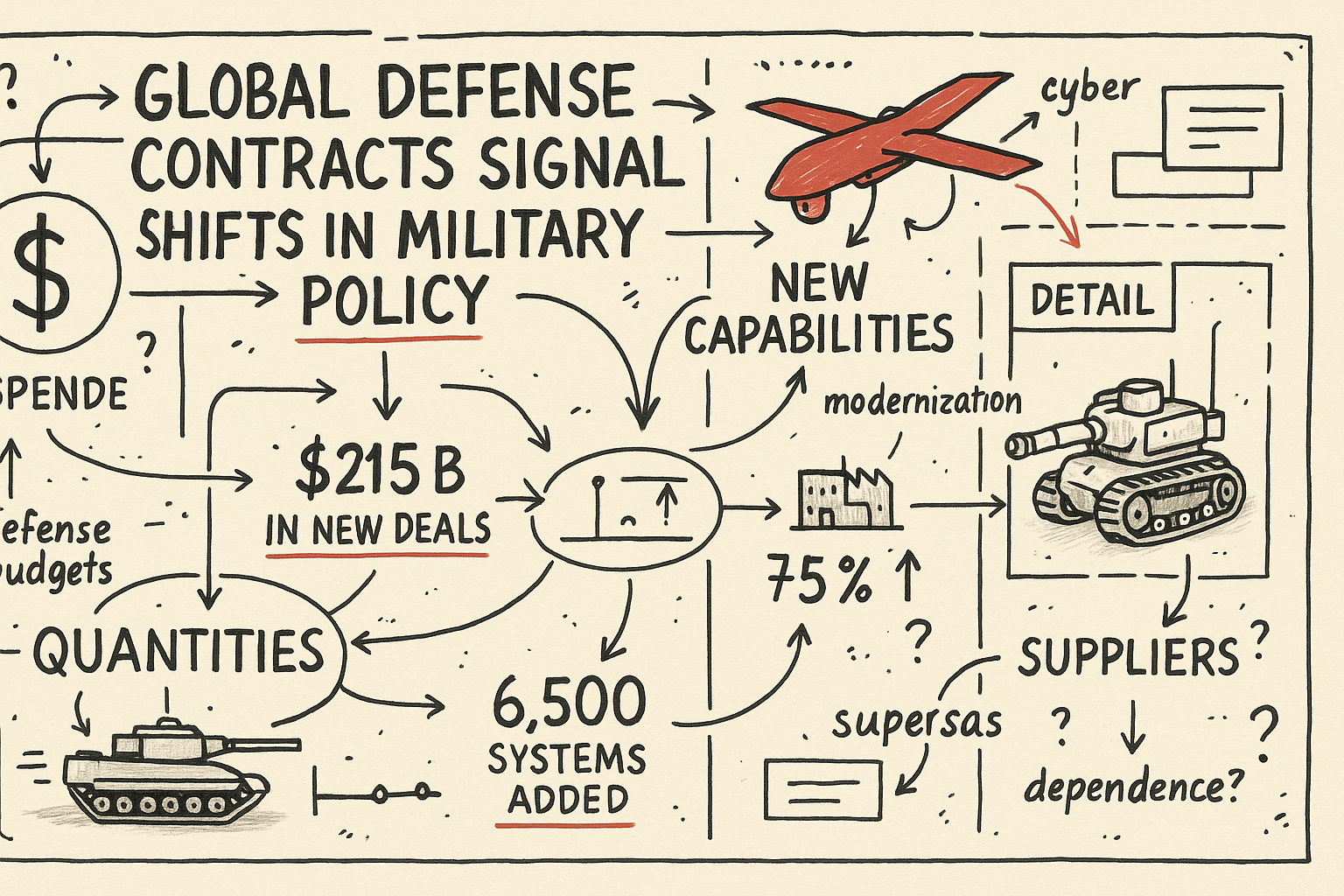
The recent spate of high-profile defense contracts underscores a significant shift in global military policy, with nations investing heavily in advanced technologies to bolster their defensive capabilities. These contracts, collectively worth tens of billions of dollars, reflect both a response to evolving geopolitical threats and a strategic drive to maintain technological superiority.
Raytheon's $20.7 Billion AMRAAM Deal
Raytheon Technologies' potential $20.7 billion deal for the Advanced Medium-Range Air-to-Air Missile (AMRAAM) highlights the increasing importance of air dominance in military strategy. This contract, one of the largest in recent years, indicates a renewed emphasis on air superiority amidst rising tensions globally. Notably, the deal includes a separate $6 billion contract for L3Harris to supply propulsion systems for the Terminal High Altitude Area Defense (THAAD) interceptor, a clear signal that missile defense remains a top priority.
Boeing's Strategic Moves
Boeing's $2.4 billion contract for additional F-15EX fighters and a separate deal to develop a sixth-generation fighter jet for the US Navy illustrate the dual approach of enhancing current capabilities while investing in future technologies. This strategy ensures that the military is equipped to handle present threats while also preparing for future challenges.
European Defense Consolidation
In Europe, the award of a $4.2 billion contract to a Fincantieri-Leonardo joint venture by OCCAR for the DDX destroyer program marks a pivotal moment for the Italian Navy. This initiative is set to redefine Italy's naval capabilities, particularly in air and missile defense, highlighting a broader trend of European nations consolidating their defenses amidst uncertain geopolitical climates.
Addressing Capability Gaps
Ireland's investment in long-range radar technology, backed by a record €1.5 billion defense budget, is a strategic move to close capability gaps. This investment reflects a broader European trend of nations enhancing their surveillance and reconnaissance capabilities to better manage emerging threats.
Implications and Future Directions
The acceleration of the SM-6 missile program through a $24.4 billion deal between the US Navy and Raytheon further emphasizes the focus on missile technology. Such investments are driven by the need to counter sophisticated threats from adversaries who are rapidly advancing their own missile capabilities.
Additionally, the Army's selection of five companies, including Lockheed Martin and Anduril, for the Precision Strike Missile (PrSM) Inc 4 prototypes, represents a shift towards more agile and precise long-range strike options. This move highlights a growing recognition of the need for versatile and rapid-response capabilities in modern warfare.
Surprisingly, despite the scale of these investments, there is a growing emphasis on collaboration and joint ventures, such as the OCCAR contract, indicating that even as countries seek to bolster their defenses, they recognize the value of collective security frameworks.
The future landscape of defense policy will likely be shaped by these investments, with an increased focus on interoperability, advanced technology integration, and cooperative defense strategies. As nations continue to navigate complex geopolitical landscapes, these defense contracts serve as both a shield and a signal of intent, demonstrating a commitment to maintaining peace through strength and innovation.