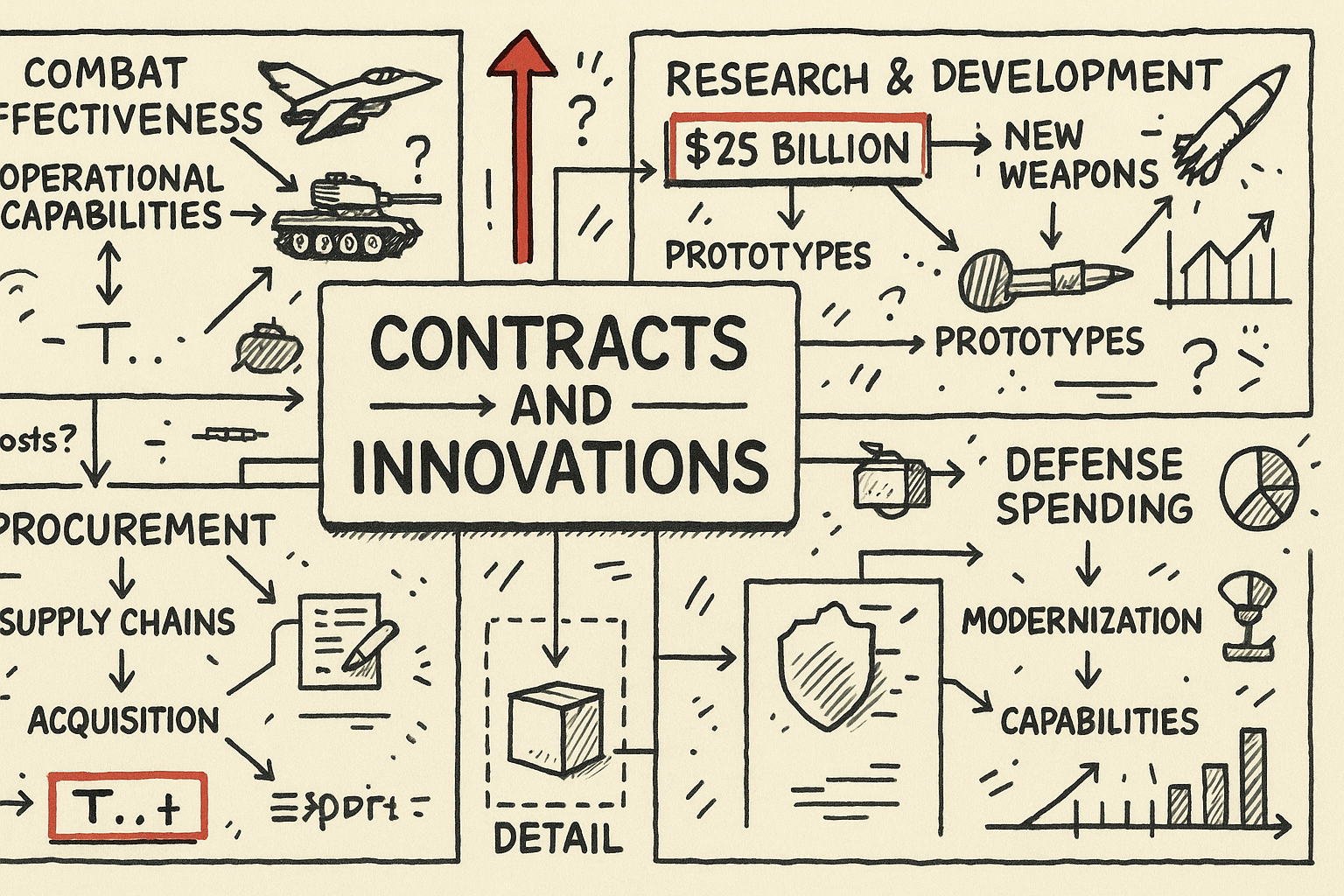
The recent flurry of contracts awarded by the U.S. Department of Defense highlights a pivotal moment in the evolution of military policy and technological advancement. As global threats loom and the geopolitical landscape shifts, the U.S. is doubling down on its defense capabilities, emphasizing the integration of advanced technologies and strategic partnerships.
Lockheed Martin: A Strategic Powerhouse
Lockheed Martin has emerged as a central figure, securing multiple high-value contracts. The $1.2 billion PrSM Increment 2 system contract awarded by the Army underscores the importance of precision-strike capabilities in modern warfare. This move follows Lockheed's successful missile launch earlier in the year, indicating a strong trajectory towards enhancing long-range strike options.
Additionally, Lockheed's agreement to boost JATM missile production, although shrouded in secrecy, suggests a significant ramp-up in efforts to maintain aerial superiority. These developments are complemented by the company's $950 million Australian air battle management contract, part of Project AIR6500. This project aims to create a scalable framework for future technological integrations, reflecting a trend towards global collaboration and interoperability.
Innovations and New Frontiers
The Army's recent $465 million contract with AV for the production of laser systems marks a historic shift towards directed-energy weapons. This groundbreaking initiative introduces production-directed energy systems, promising a new frontier in defense technology. AV's vice president of directed-energy systems highlighted the transformative potential of these technologies, which could redefine the parameters of future combat scenarios.
Similarly, the Army's additional $234 million funding for the Black Hawk deal signifies ongoing investments in longstanding defense platforms. As Sikorsky's multiyear deal approaches its conclusion, this funding ensures the continuity and advancement of helicopter capabilities.
Collaborative Efforts and Emerging Players
The selection of Lockheed and the Boeing-Anduril team for the next phase in the IFPC Inc 2 competition illustrates the growing importance of collaborative ventures in defense contracting. These partnerships leverage the strengths of each entity, fostering innovation and enhancing the development process.
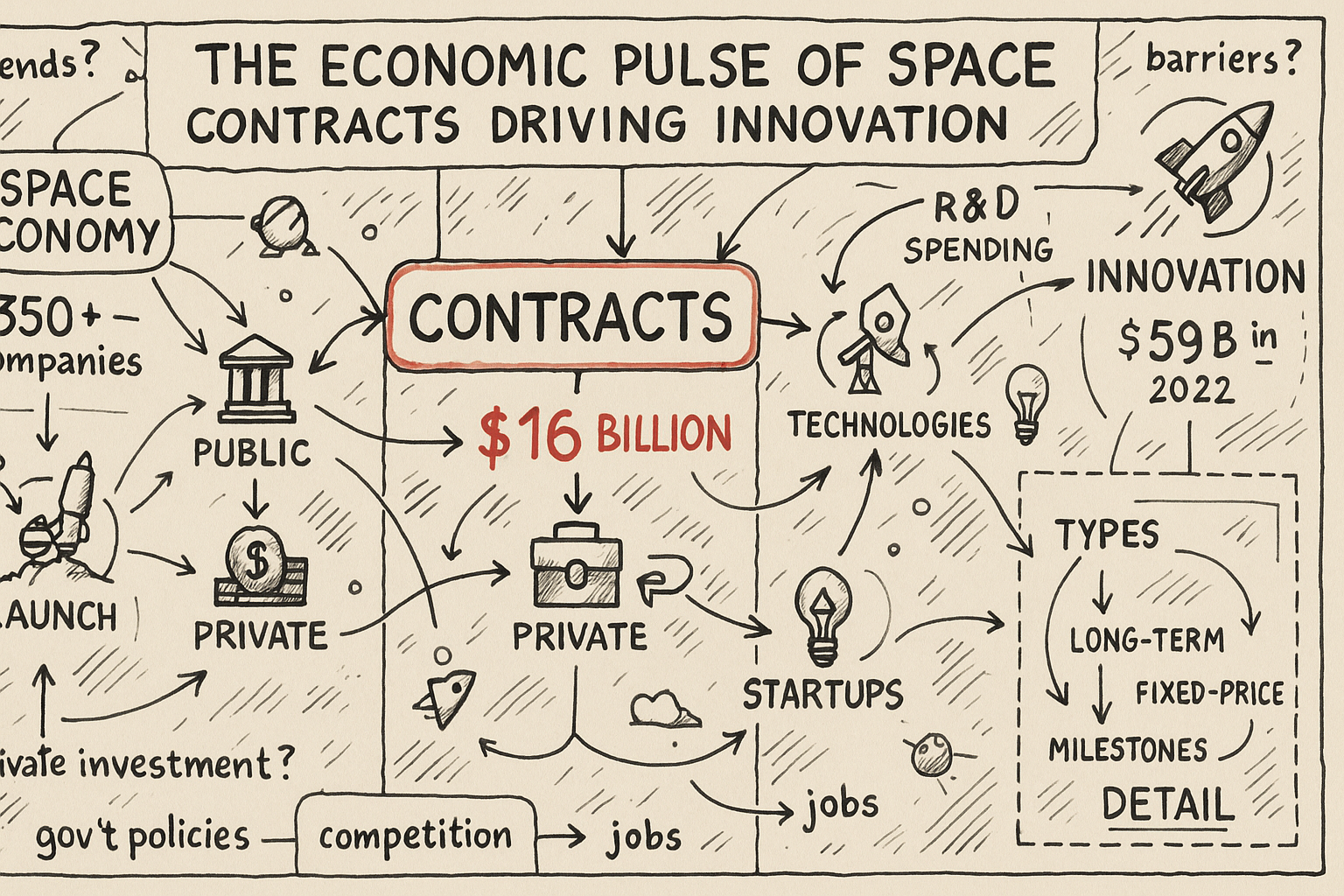
BAE Systems' $16 million contract for radiation-hardened RH45 microelectronics further showcases the commitment to developing resilient technologies. This award under the Defense Production Act Title III funding highlights the critical nature of ensuring systems can withstand the harsh conditions of both terrestrial and space environments.
Implications and Future Directions
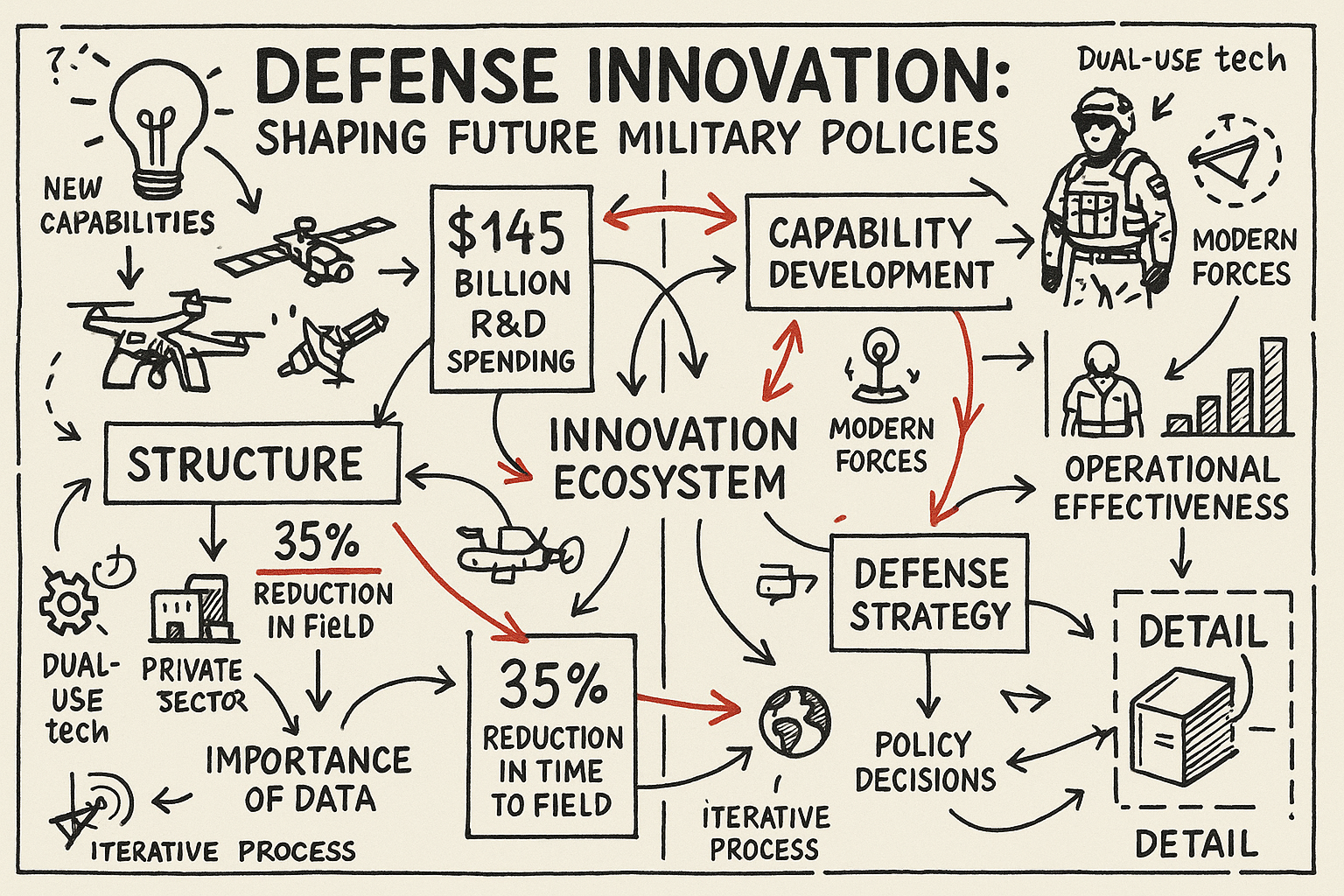
The burgeoning number of contracts and the emphasis on cutting-edge technologies suggest a strategic pivot in defense policy. The integration of advanced systems like directed-energy weapons and precision-strike missiles indicates a move towards more sophisticated and adaptable military capabilities.
Furthermore, the international collaboration seen in projects like AIR6500 points to a future where defense strategies are increasingly interconnected across borders. The policy implications of these developments are profound, potentially altering defense postures and strategies worldwide.
In conclusion, the current wave of defense contracts and technological advancements reflects a dynamic policy environment. As the U.S. and its allies navigate this landscape, the focus on innovation and collaboration will likely shape the future of military engagements and global security strategies.