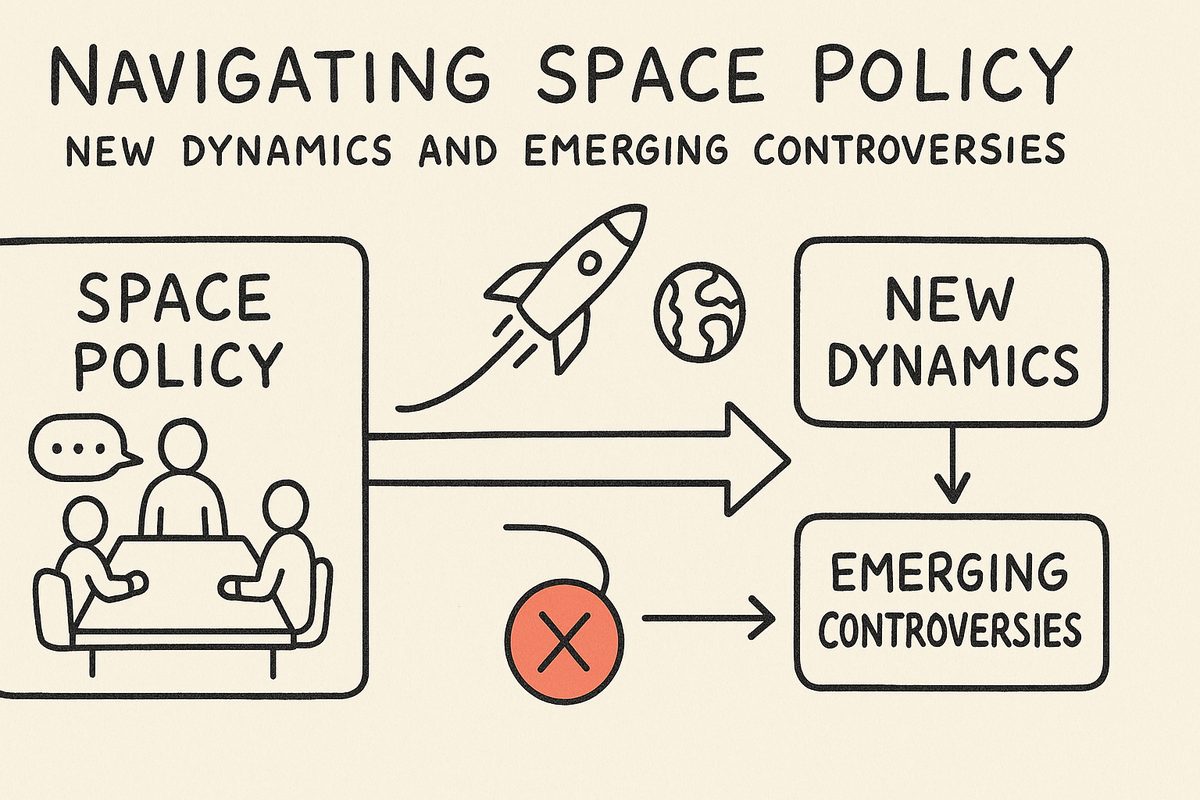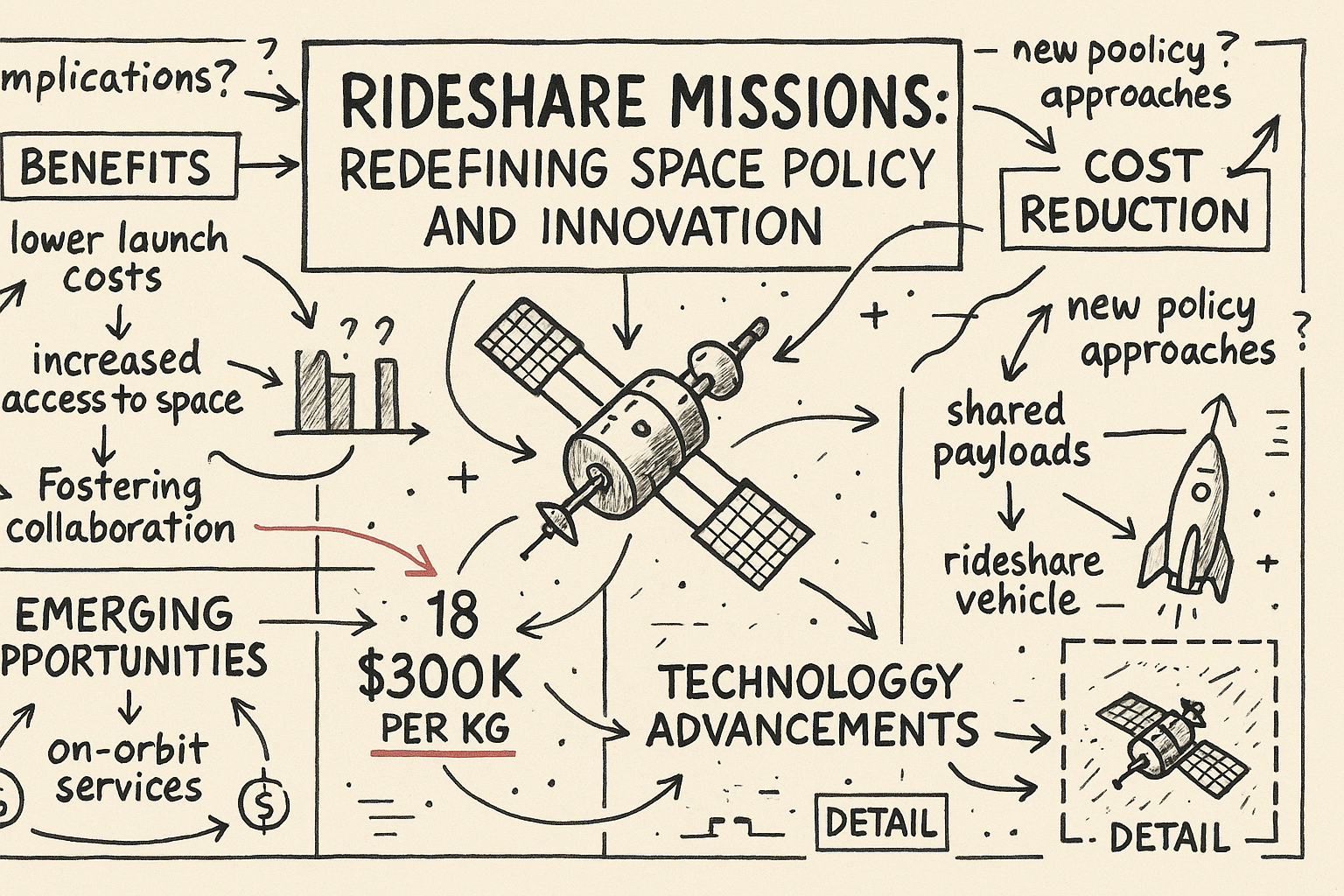
The evolution of space policy is being increasingly shaped by the burgeoning rideshare missions, as evidenced by SpaceX's recent Transporter-18 launch. With 130 payloads, this mission underscores a paradigm shift in how orbital access is conceived and executed. No longer confined to single-purpose launches, these missions are fostering an ecosystem where commercial and institutional entities can test, innovate, and deploy technologies more frequently and cost-effectively.
Historically, space missions were largely the domain of government agencies with substantial budgets and singular objectives. However, the democratization of space access through rideshare programs is challenging this status quo. SpaceX's Transporter-18 mission, which carried diverse payloads like Star Catcher's Protostar orbital power demonstrator and Google's Project Suncatcher, illustrates a shift toward a more collaborative and multifaceted use of space.
The Policy Implications of Rideshare Missions
From a policy perspective, the implications of rideshare missions are profound. They are enabling smaller companies and start-ups to share the stage with established players, fostering innovation and competition. This democratization is prompting policymakers to rethink regulatory frameworks to accommodate a wider variety of stakeholders while ensuring safety and sustainability in space.
Moreover, the ability to launch multiple payloads from different entities on a single mission highlights the need for robust international cooperation and standardization. As space becomes more accessible, the risk of orbital congestion and debris increases, necessitating comprehensive policies to manage these challenges.
Innovation at the Intersection of Policy and Technology
Technological advancements are at the heart of this transformation. The rideshare model allows for rapid iteration and testing of new technologies, as seen with Blackwing Space's Baby Bird nanosatellite for Earth observation. This approach aligns with global trends in technology development, where rapid prototyping and agile methodologies are preferred over traditional, slower processes.
Portal Space Systems' decision to purchase an entire rocket for testing solar thermal propulsion further exemplifies the innovative spirit enabled by current space policies. Such bold moves are indicative of a new era in space exploration where private companies are taking unprecedented risks and driving technological advancements.
Surprising Insights and Future Implications
A surprising insight from this analysis is that the rideshare model not only supports technological innovation but also poses counterintuitive challenges. For instance, the increased frequency of launches could paradoxically strain regulatory bodies that are not yet equipped to handle the pace of innovation and the diverse nature of payloads.
Looking ahead, the future of space policy will likely involve greater emphasis on international collaboration and frameworks that support sustainable growth in the space sector. As companies like Dawn Aerospace explore in-orbit refueling and reusable satellites, policies will need to evolve to address new capabilities and ensure long-term viability of space operations.
In conclusion, the rideshare missions are a microcosm of the broader trends in space policy and innovation. They are reshaping the landscape by lowering barriers to entry, fostering competition, and driving technological advancements. Policymakers must stay ahead of these changes to harness the potential benefits while mitigating risks associated with increased activity in space.