SpaceX scrubbed a Falcon 9 launch carrying 21 Space Development Agency Tranche 1 Transport Layer satellites on Oct. 5, 2026
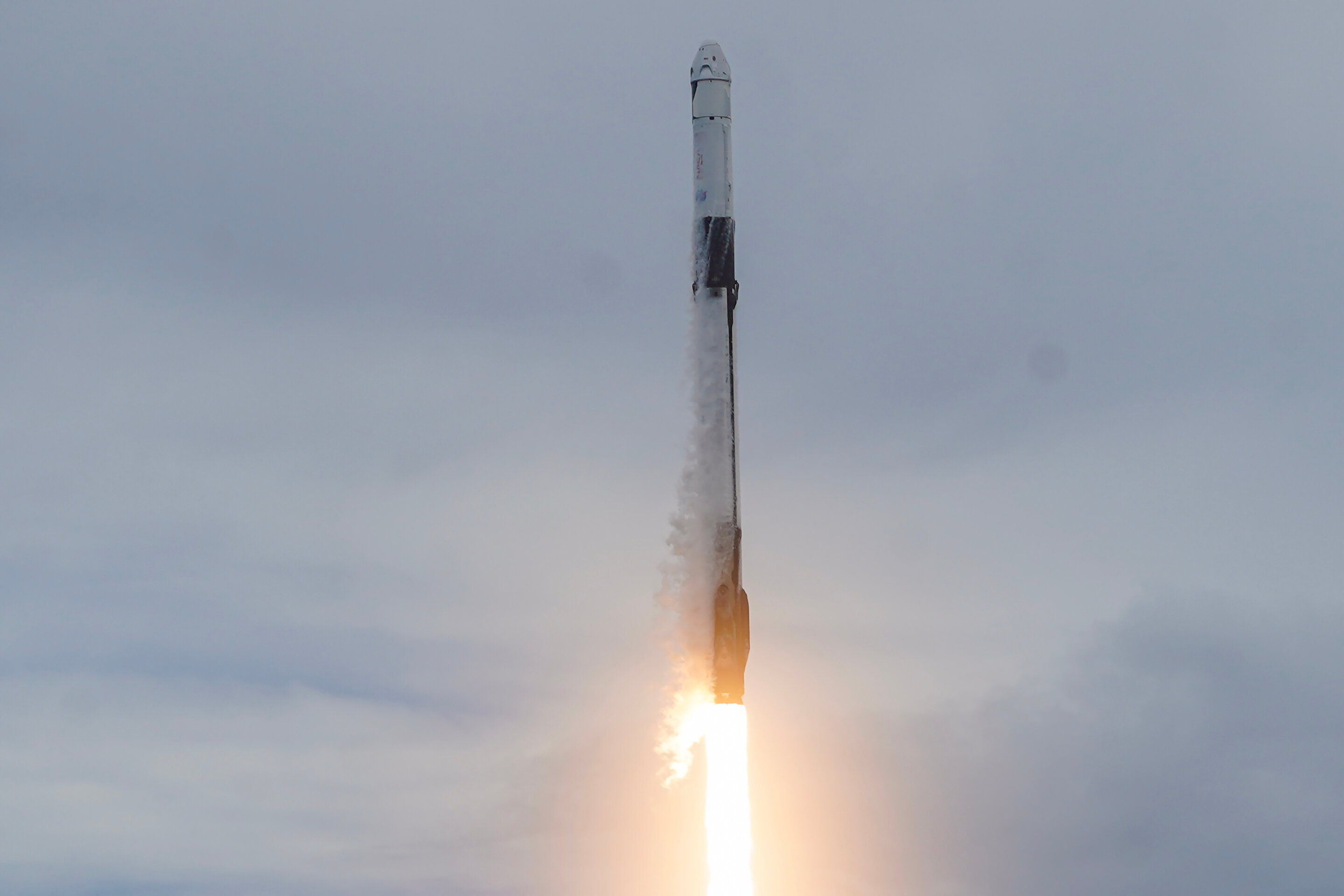
SpaceX aborted the launch countdown in the final minute of an early-morning attempt to lift 21 data-transport satellites for the U.S. Space Force’s Space Development Agency (SDA). The mission, called Tranche 1 Transport Layer A (T1TL-A), was scheduled to launch from Space Launch Complex 4 East at Vandenberg Space Force Base and was postponed with a new earliest opportunity of Oct. 6, 2026 at 1:17 a.m. PDT (0417 UTC), according to Spaceflight Now’s live coverage.
SpaceX did not provide an immediate explanation for the scrub. The abort occurred as the Falcon 9 was transitioning into its automated startup sequence in the final minute of the countdown. The booster assigned to the mission, B1103, was slated to make its sixth flight on T1TL-A after previous missions that included the SDA’s T1TL-E, NROL-179 and three Starlink launches. Less than 7.5 minutes after liftoff, SpaceX planned to recover B1103 at Landing Zone 4; if successful, that recovery would have been the booster’s return to land and part of SpaceX’s cumulative landing record noted in the live report.
The T1TL-A launch is one of many missions contracted to SpaceX under the National Security Space Launch (NSSL) Phase 2 awards; Spaceflight Now reports 23 missions for SpaceX under that contract, which is managed by the U.S. Space Force’s Space Systems Command. T1TL-A is the fourth mission inserting production Transport Layer satellites into orbit for the SDA. Earlier Transport Layer missions already launched include T1TL-B (Sept. 10, 2025), T1TL-C (Oct. 15, 2025) and T1TL-E (July 16, 2026), with manufacturer mixes across those flights: York Space Systems produced satellites for T1TL-B and -E, while Lockheed Martin supplied the satellites flown on T1TL-C.
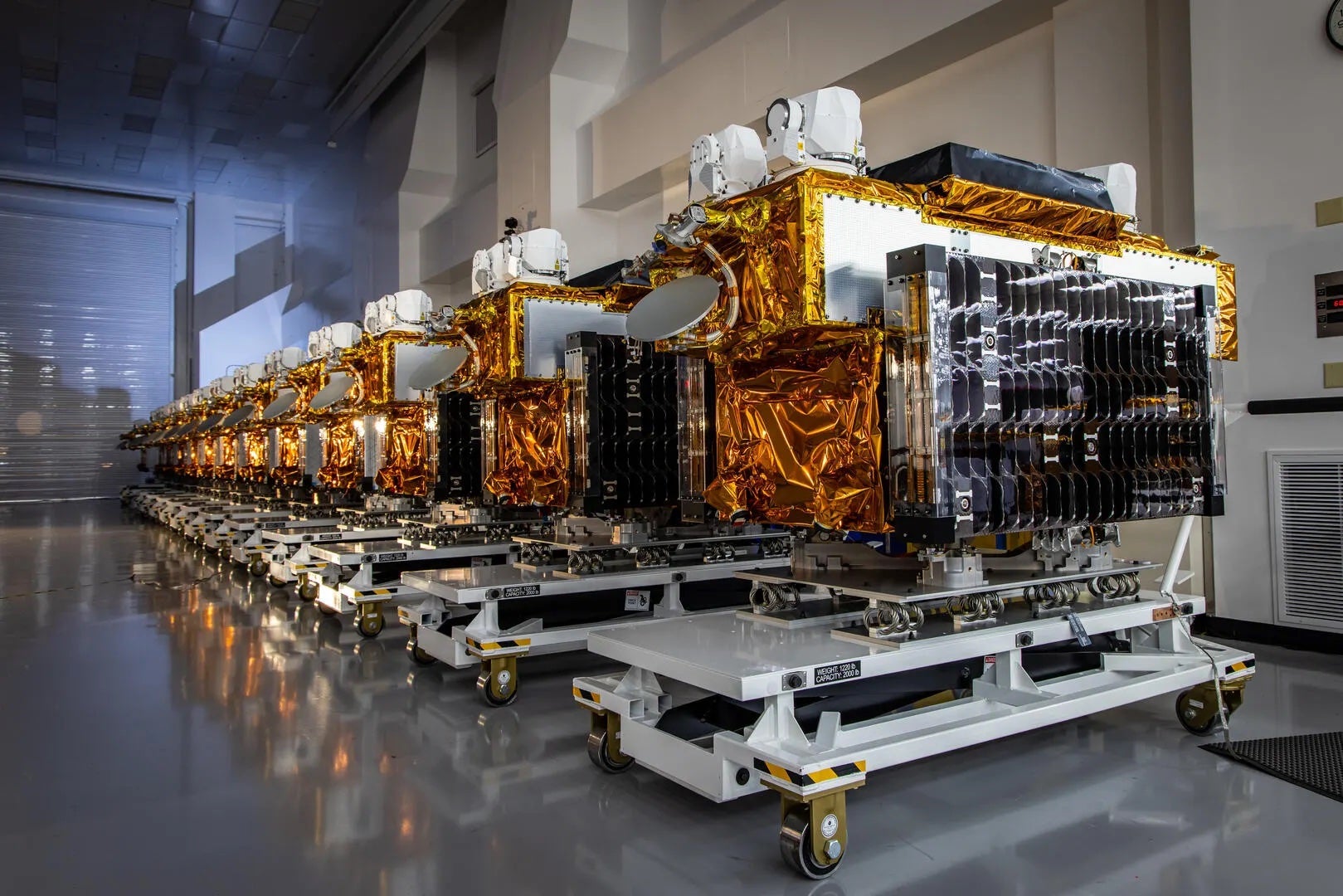
Northrop Grumman confirmed separately that 21 Tranche 1 Transport Layer satellites it built were delivered to Vandenberg ahead of this launch window. According to Northrop Grumman, the Transport Layer for Tranche 1 is to consist of 126 satellites in total: 42 by Northrop Grumman, 42 by York Space Systems and 42 by Lockheed Martin. Northrop Grumman’s statement said "Over the next six months, several dozen additional Northrop Grumman-built satellites for the PWSA will be launched into LEO, contributing to both the missile defense and data transport missions." The company’s T1TL program manager, Keith Matthews, noted the firm is leveraging its manufacturing capacity — referred to in the statement as "7-million square feet of manufacturing space dedicated to space programs" and equipped with advanced manufacturing systems and AI — to support production demands for the Proliferated Warfighter Space Architecture (PWSA).
The Transport Layer is the SDA’s element intended to provide high-rate data transport and secure communications across low Earth orbit, operating alongside the Tracking Layer that supports missile warning and tracking. Tranche 1 also includes 28 Tracking Layer satellites and four missile defense demonstration spacecraft, Northrop Grumman’s coverage notes. SDA has previously said it expects the second launch of T1TL satellites in early October and that all Transport and Tracking Layer satellites for Tranche 1 — the first set intended to conduct military operations — should be in orbit within the next six to eight months.
Delays have affected Tranche 1. Northrop Grumman’s summary repeats SDA’s earlier explanation that the effort is more than a year behind the original plan, with supply-chain constraints for Optical Communication Terminals singled out as a primary cause.
The T1TL program is a central element of the SDA’s Proliferated Warfighter Space Architecture (PWSA), a constellation concept intended to support missile tracking and secure military communications through distributed LEO systems. Spaceflight Now’s live coverage framed T1TL-A as part of an ongoing effort to build out that architecture; this mission would have been the fourth tranche of production Transport Layer satellites placed into orbit for operational use.
Context in SpaceX’s launch record
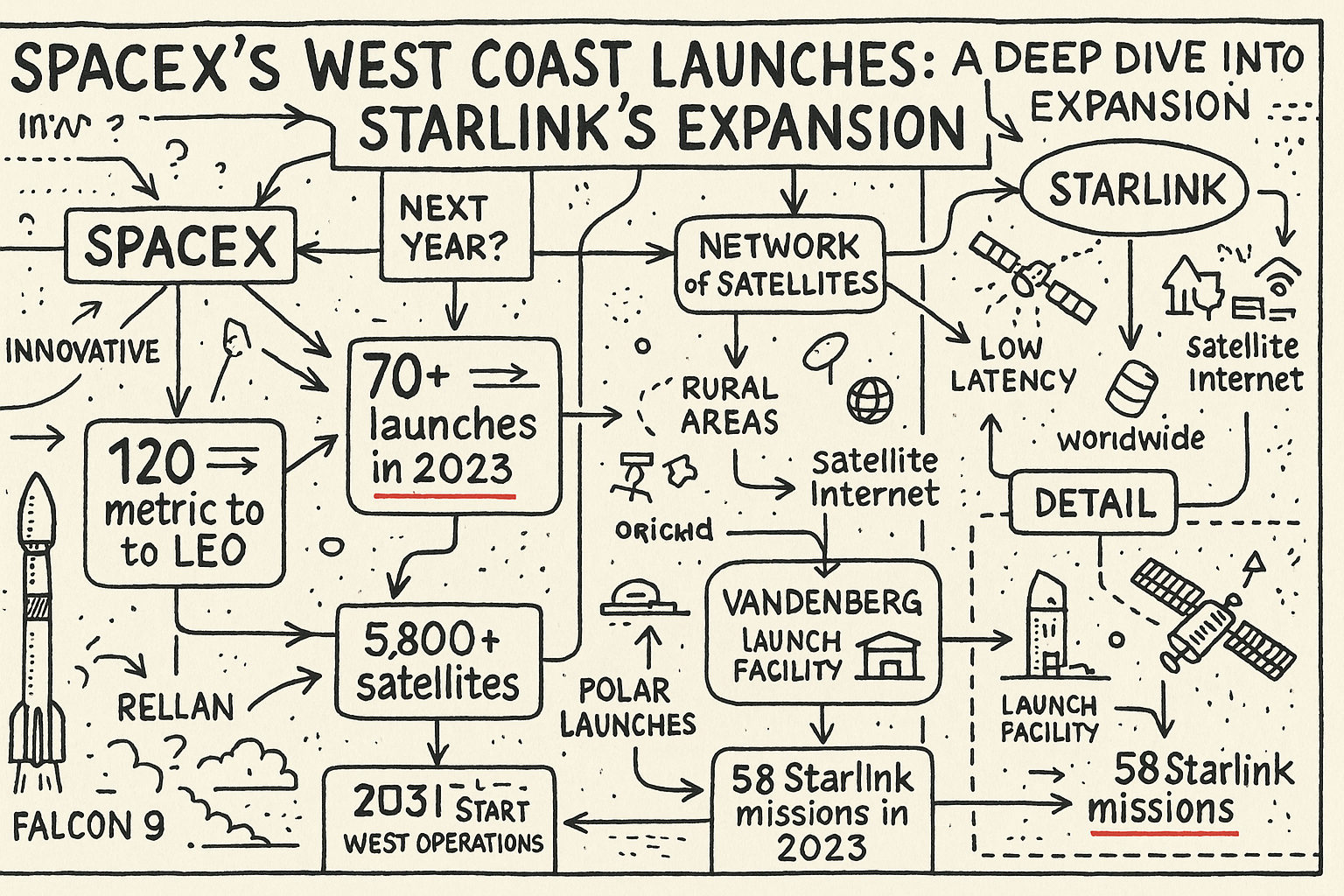
According to NovΔ mAInd's launch database, SpaceX has 149 launches tracked with a 99.3% success rate, a first flight on 2025-01-04, the most recent tracked launch on 2026-10-02, and a capacity figure of 22800 kg to LEO. This mission was scheduled in that context as another West Coast Falcon 9 flight contributing to SpaceX’s high cadence of national-security and commercial launches.
Operationally, the SDA’s Tranche 1 work is explicitly multipart: 126 Transport Layer satellites, 28 Tracking Layer satellites and four missile defense demonstrations form the first tranche intended to become operational, with manufacturers split evenly among the Transport Layer providers. Northrop Grumman’s public update emphasized ongoing integration and final checkouts for dozens of satellites described as "fully integrated," while the SDA’s schedule calls for all Tranche 1 spacecraft to be in orbit within months despite earlier slips.
With the scrub, SpaceX will make another attempt under the announced window no earlier than Oct. 6, 2026. The outcome of that attempt will determine how quickly the SDA resumes the planned cadence of Transport Layer deployments as part of the broader PWSA buildup.