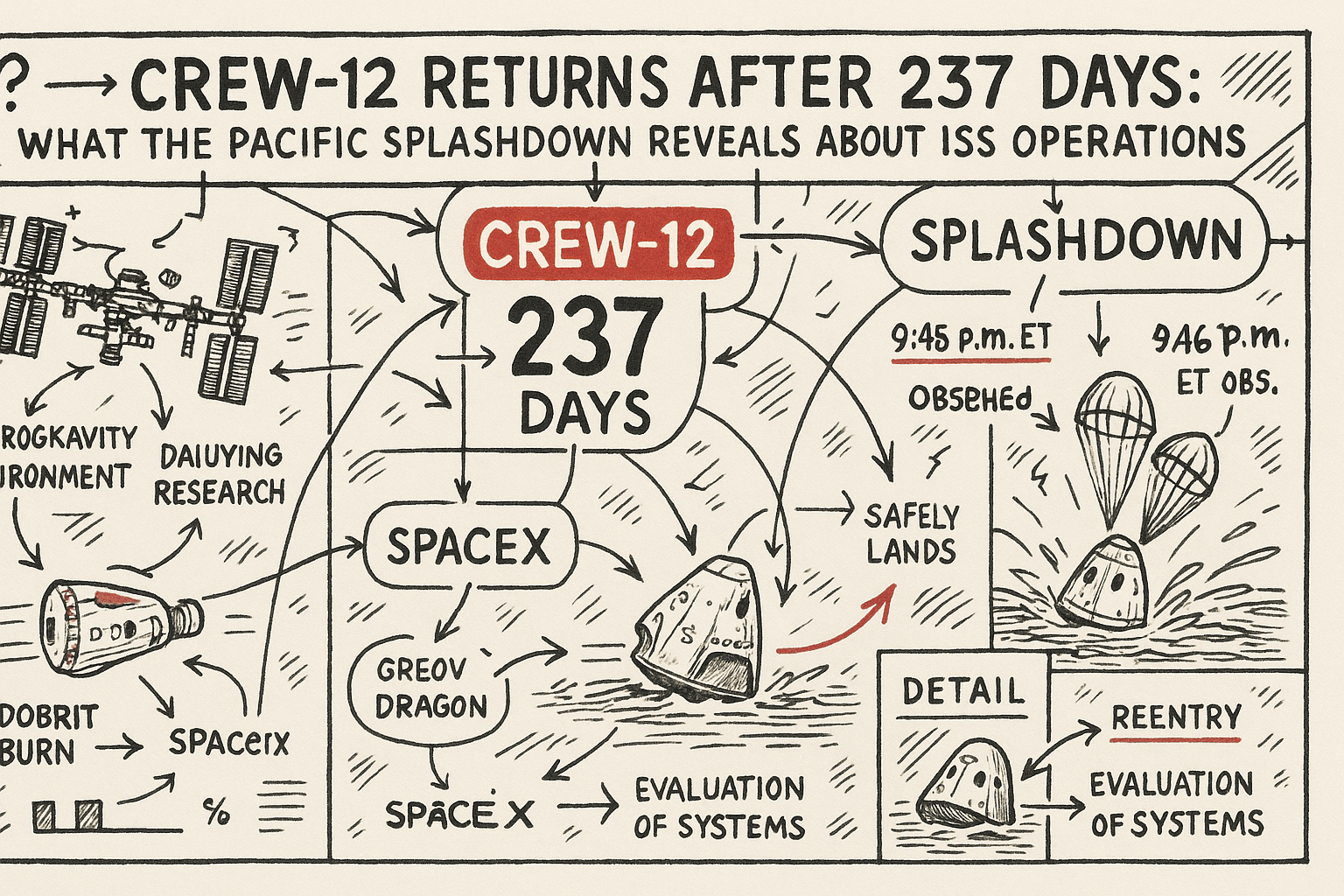
NASA’s SpaceX Crew‑12 mission concluded with a Pacific Ocean splashdown off the coast of Los Angeles on October 8, 2026, ending a 237‑day flight for the four‑person team and returning them to Earth after 235 days aboard the International Space Station (ISS).
At 11:34 a.m. EDT (8:34 a.m. PDT) the SpaceX Dragon carrying commander Jessica Meir (NASA), pilot Jack Hathaway (NASA), mission specialist Sophie Adenot (ESA) and Roscosmos cosmonaut Andrey Fedyaev splashed down. Within an hour the Dragon was aboard SpaceX’s recovery ship Shannon and the crewmembers were helped out of the capsule and placed on stretchers to begin readaptation to gravity.
Mission timeline and immediate recovery
The Crew‑12 return sequence began with hatch closure at 6:05 a.m. EDT the previous day, marking the start of the spacecraft’s departure operations from the ISS. The crew rode the Dragon to the planned splashdown site and, after recovery, were flown by helicopter to shore and then by airplane to Johnson Space Center in Houston, the headquarters for the astronaut corps. Sophie Adenot and Andrey Fedyaev are expected to travel on to their homes in Europe and Russia respectively following initial postflight processing.
Duration and crew composition
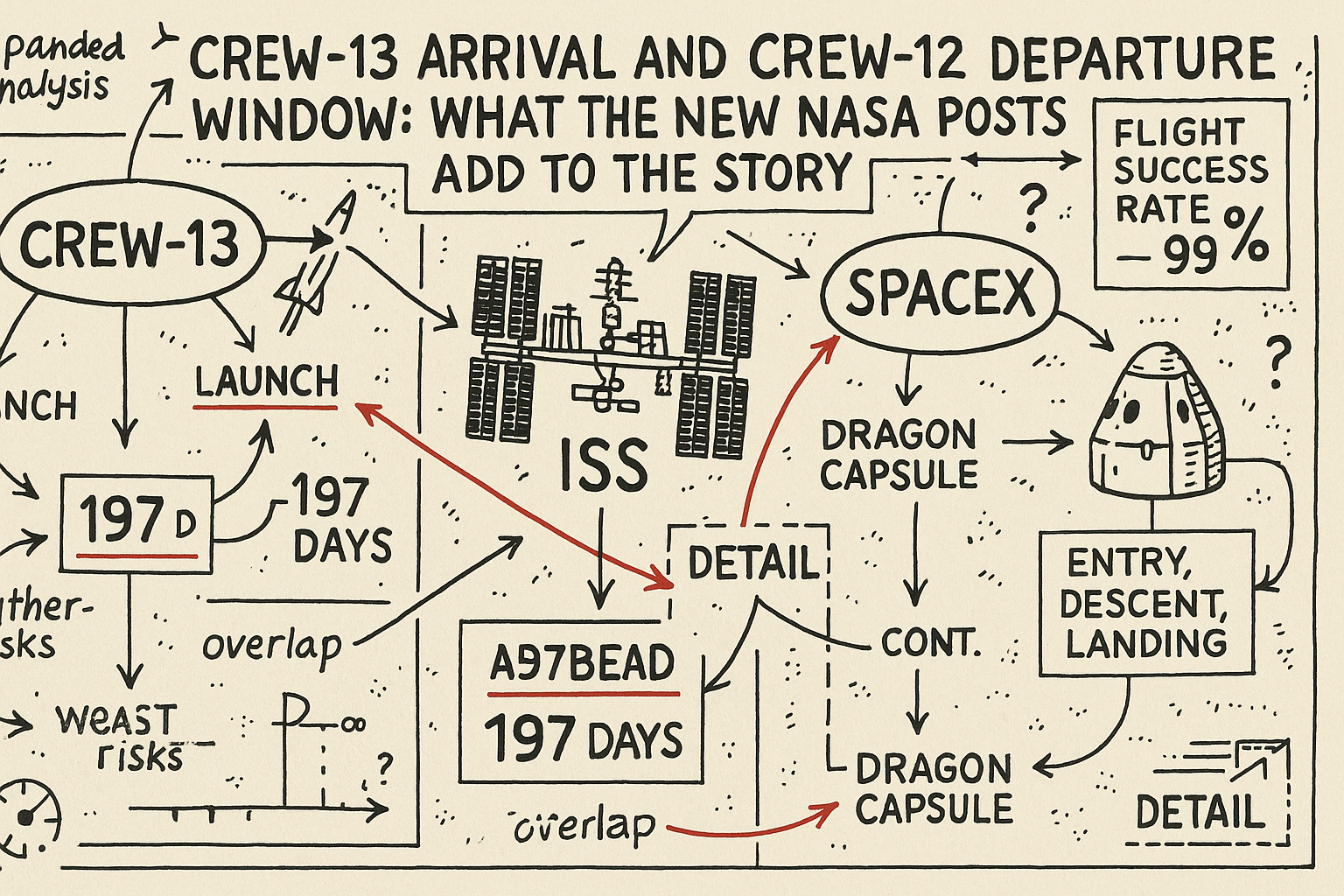
Public reporting and agency releases consistently state the mission length as 237 days in space and 235 days on station, figures that highlight the long‑duration nature of current NASA commercial crew rotations. The Crew‑12 quartet combined representatives from NASA, ESA and Roscosmos, reflecting the international makeup of station expeditions.
Operational context on the ISS
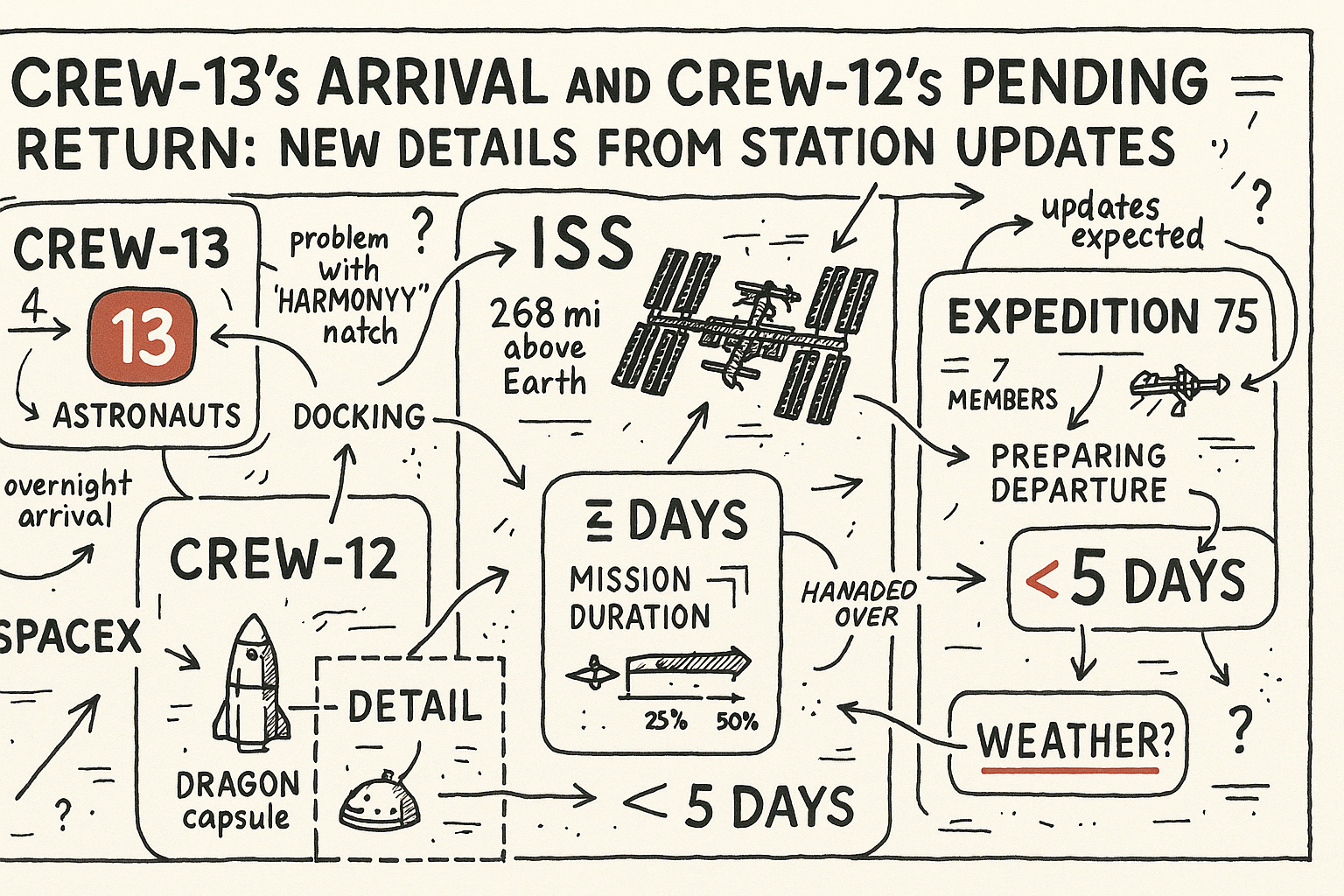
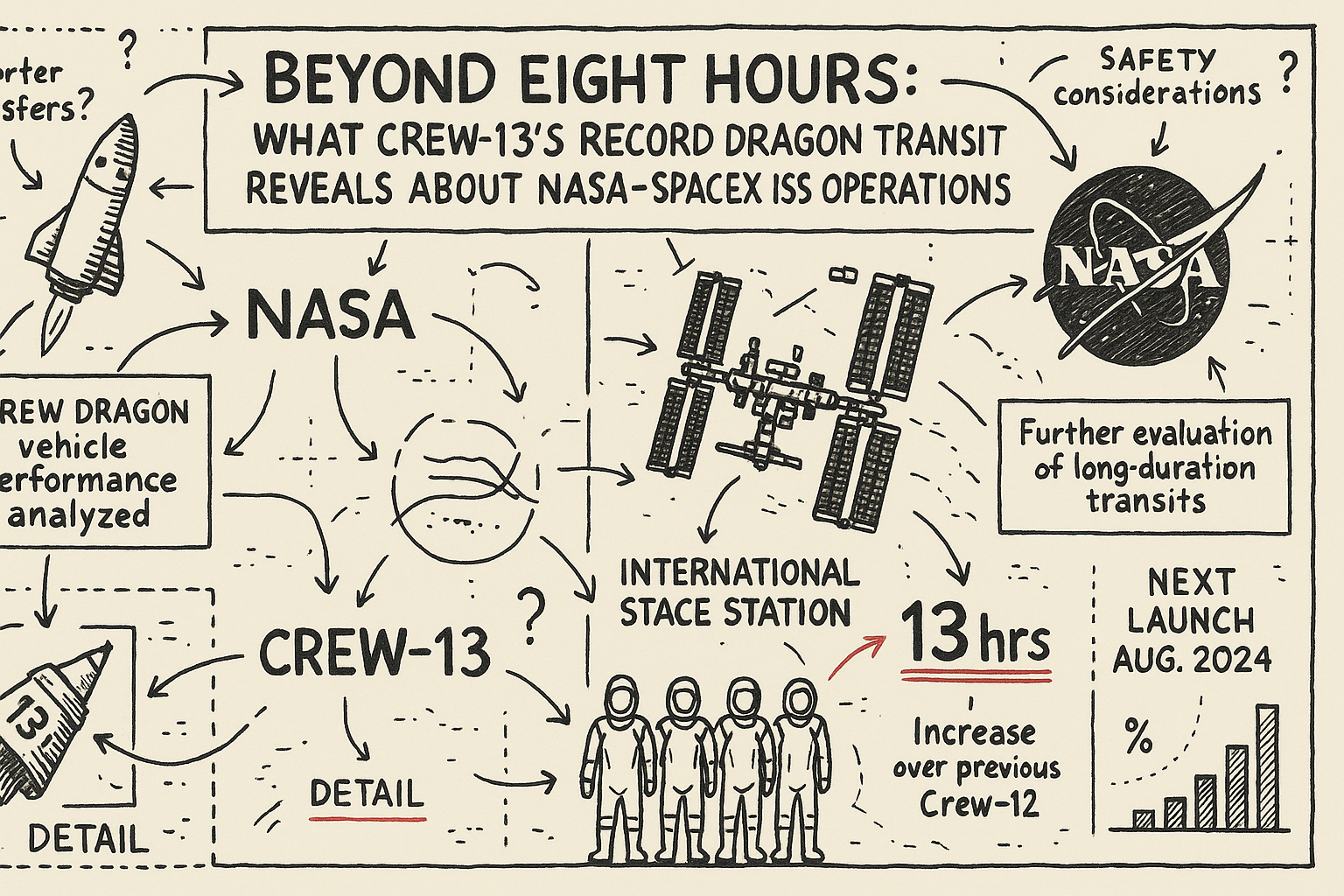
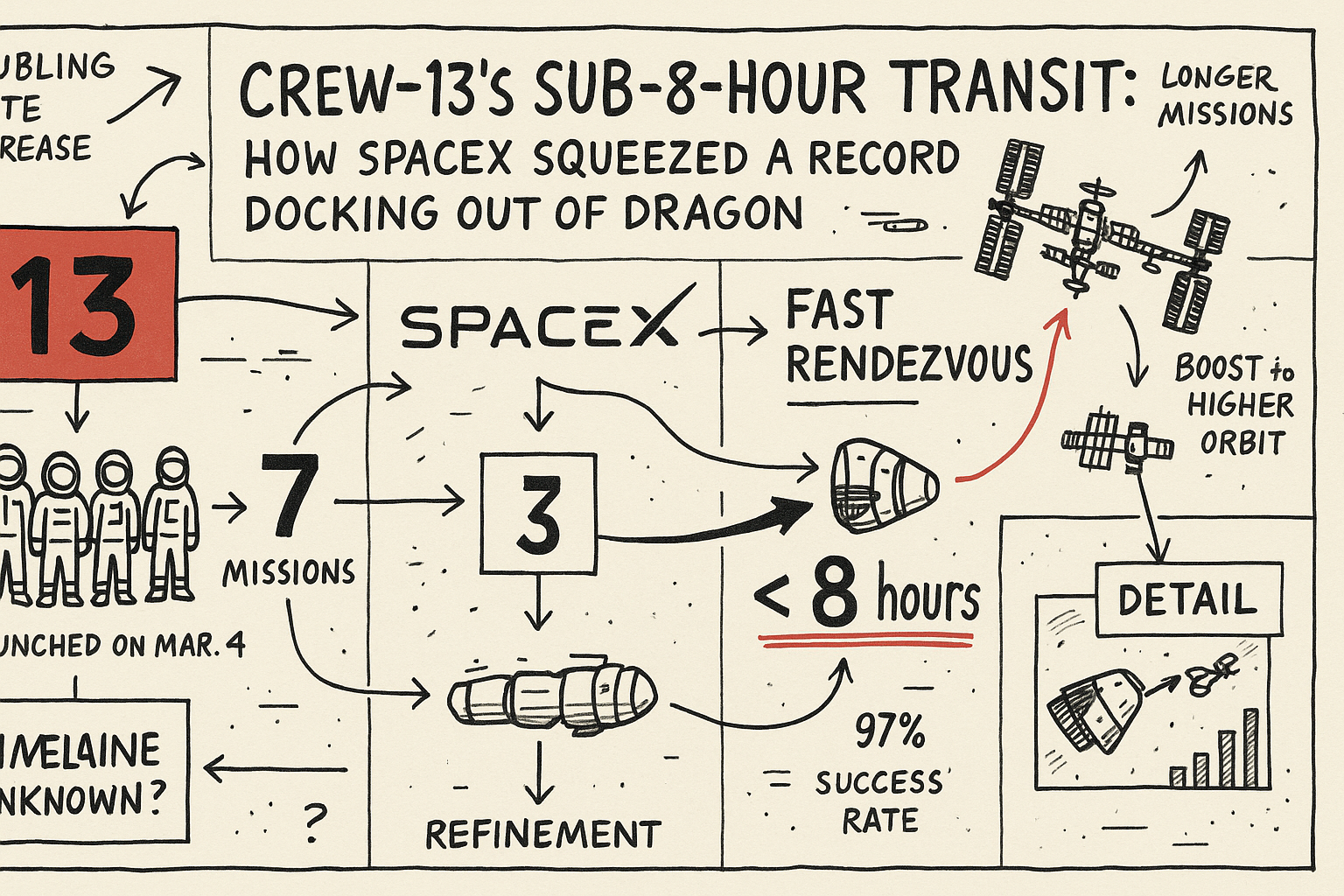
The splashdown occurred against a backdrop of active ISS logistics and crew changeover. Crew‑13 had arrived a week earlier, bringing the station’s crew complement to a new configuration while Crew‑12 prepared to depart. Activity on and around the station remained busy: reporting noted a Northrop Grumman Cygnus cargo craft was scheduled to depart the station the day after the splashdown and a SpaceX cargo Dragon was due to arrive the following week. Those overlapping cargo and crew movements illustrate the continuous cadence of cargo deliveries, crew swaps and research operations that sustain the ISS.
Recovery assets and procedures
Recovery proceeded using SpaceX assets: Dragon Freedom was recovered aboard the recovery ship Shannon. Standard rapid‑egress and medical assistance practices were employed, with crewmembers helped out of the capsule and onto stretchers shortly after recovery to begin medical checks and support for reconditioning after long‑duration weightlessness.
Why this splashdown matters
Beyond returning four crewmembers safely, the Crew‑12 splashdown is a reminder of how commercial crew and international partners operate together to keep the ISS continuously staffed and supplied. The mission’s 237‑day duration is in line with the extended expeditions that enable longitudinal science and station maintenance, while the closely timed arrivals and departures of crew and cargo vehicles demonstrate the operational tempo required to sustain those activities.
As the station continued its busy manifest with Cygnus departure and a cargo Dragon arrival, the Crew‑12 recovery closed one chapter of Expedition 75 operations and handed responsibility for station activities to the newer complement of crew on orbit.