SpaceX secures low‑band spectrum and FCC green light for a Gen2 D2D constellation
On October 8, 2026, SpaceX announced a definitive agreement to acquire a nationwide portfolio of low‑band 800 MHz spectrum from Grain Management that provides up to 14 megahertz of paired spectrum across the United States. The company says that, combined with Federal Communications Commission authorization to deploy up to 15,000 Very Low Earth Orbit (VLEO) satellites for its next‑generation Starlink Mobile service, the deal will enable Starlink Mobile to operate as a standalone, facilities‑based wireless operator.
SpaceX framed the acquisition and the Gen2 constellation authorization as complementary steps. The 800 MHz frequencies—below 1 GHz—have propagation characteristics that improve range and in‑building penetration compared with mid‑band and millimeter‑wave spectrum. SpaceX says the low‑band airwaves will let Starlink Mobile "provide Americans with a reliable service indoors, outdoors, in cellular dead zones, and everywhere in between," by combining satellite‑to‑device links with terrestrial mobile infrastructure.
The spectrum portfolio gives SpaceX up to 14 MHz of paired terrestrial low‑band airwaves in the 800 MHz band. Industry analysts and the reporting outlets note that low‑band spectrum can penetrate walls, energy‑efficient window glass and dense urban materials, addressing a core limitation of direct‑to‑device (D2D) satellite services: maintaining sufficient link margin to serve standard unmodified smartphones indoors without external antennas or boosters.
The transaction is the latest in a string of spectrum moves by SpaceX. Earlier this year the company committed roughly $17 billion to acquire 65 MHz of mid‑band AWS‑4 and H‑Block spectrum from EchoStar and pursued additional agreements to support its direct‑to‑device ambitions in the 2 GHz band. Grain Management acquired the 800 MHz portfolio from T‑Mobile in August 2026 as part of an asset swap that involved Grain’s 600 MHz holdings; SpaceX’s agreement to buy the Grain assets now places those low‑band airwaves under SpaceX control pending FCC approval.
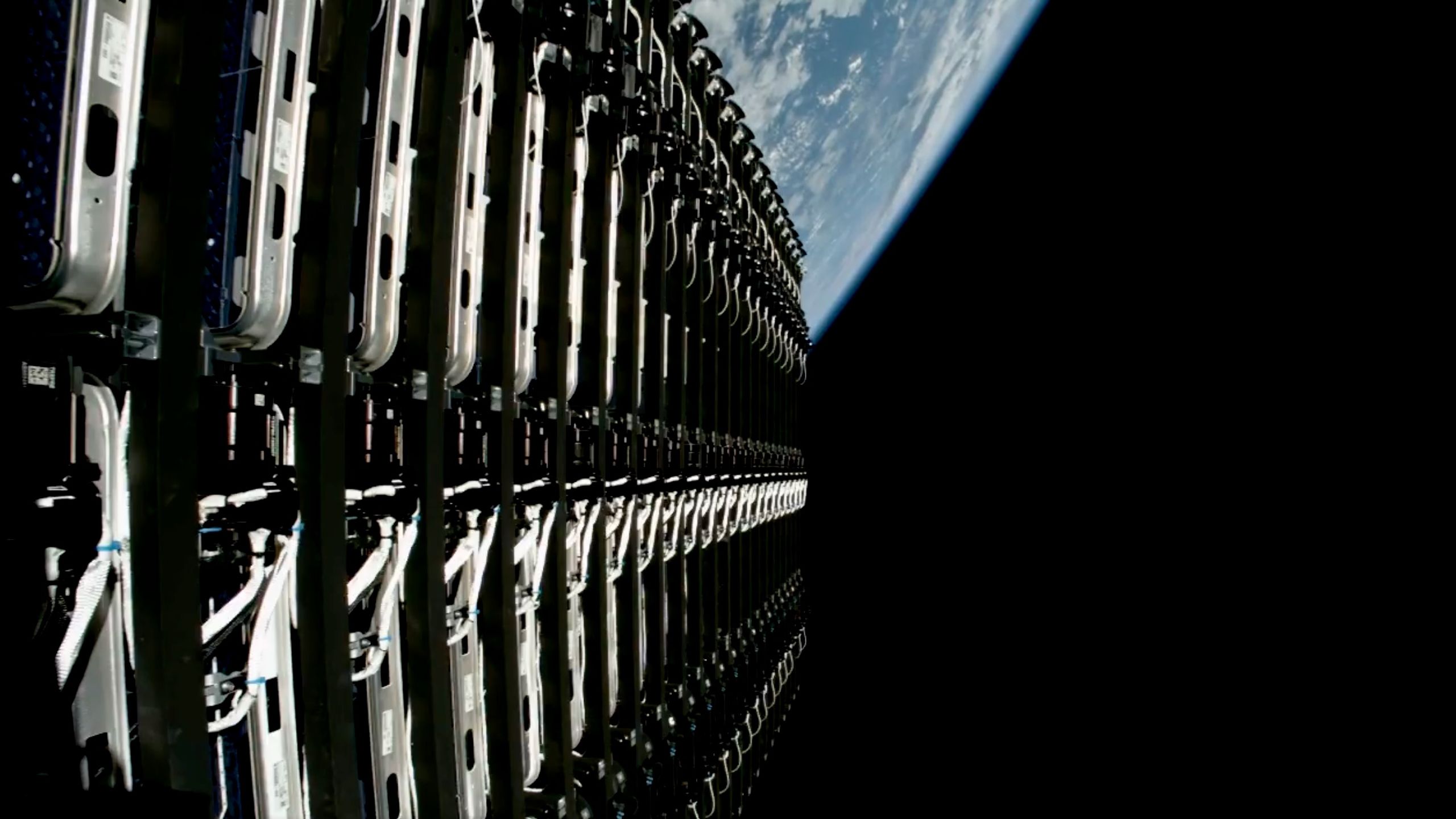
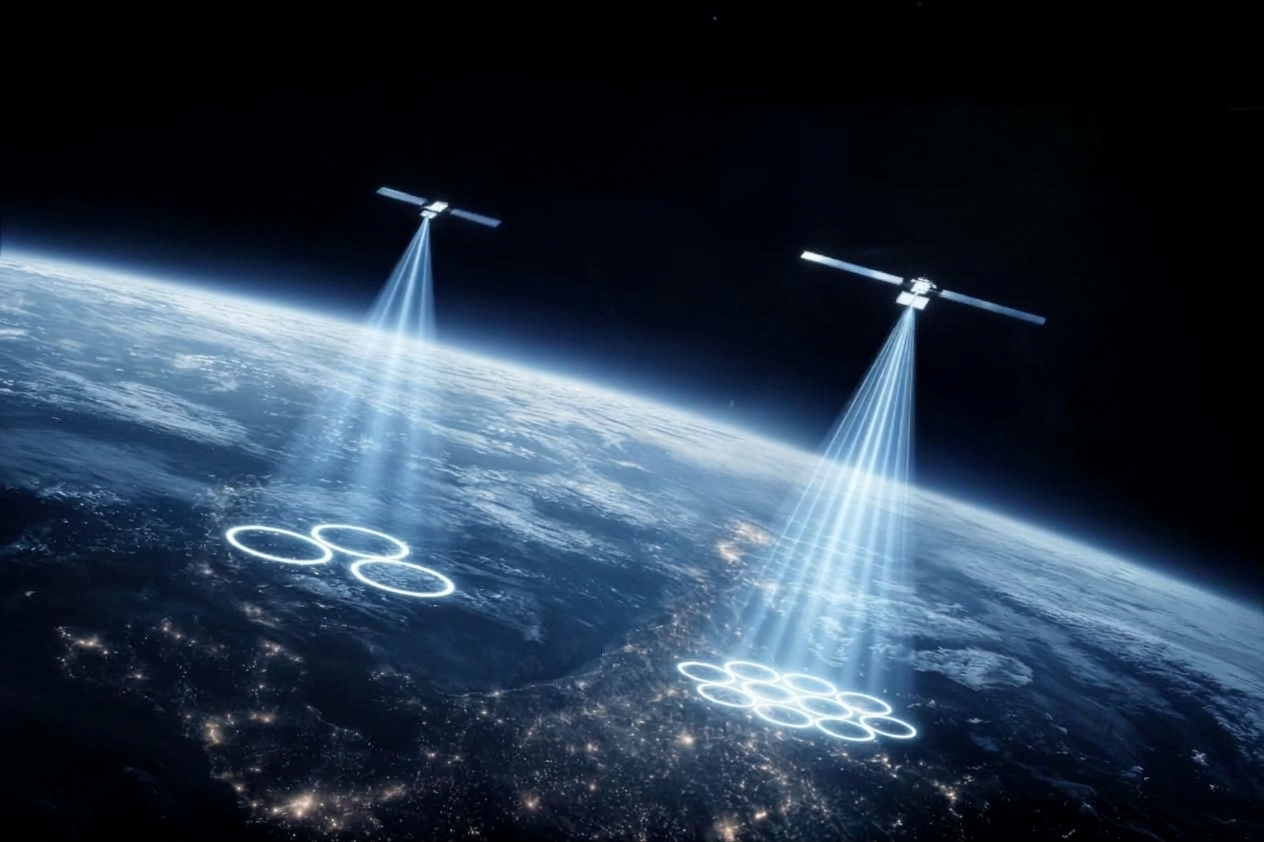
The FCC separately authorized SpaceX to deploy a constellation of up to 15,000 VLEO satellites dedicated to direct‑to‑device services. According to SpaceX, that Gen2 system will offer more than 100 times the bandwidth of the current generation of Starlink satellites and can be integrated with terrestrial spectrum to create a single network for mobile handsets. SatelliteWatch.Global and other outlets reported the commission issued its grant after more than a year of regulatory review.
Operationally, SpaceX envisions a hybrid architecture: satellites would provide coverage in areas lacking terrestrial infrastructure and extend reach to remote regions and true dead zones, while the newly acquired 800 MHz terrestrial spectrum and existing 2 GHz assets would supply in‑building coverage and capacity in populated areas served by ground infrastructure. Reporting from SatNews and Satellite Today emphasized the physical radio propagation benefits of 800 MHz for indoor use, while AstroSpace noted the role of combining the 800 MHz band with 2 GHz satellite links as complementary functions in a single network.
SpaceX will still require final regulatory approvals to complete the Grain Management acquisition and to deploy and operate the terrestrial components in combination with its satellite system. The company’s statements and industry reporting make clear the FCC’s consent is a prerequisite for repurposing the 800 MHz spectrum for a combined satellite‑and‑terrestrial service. The FCC’s 15,000‑satellite authorization applies to a VLEO D2D system but, as Satellite Today observed, the commission deferred some other requests in SpaceX’s broader application.
For the U.S. wireless market, the moves signal an ambition to compete directly with incumbent carriers. The Verge reported SpaceX’s own description that Starlink Mobile could become "the first network operator to deploy both satellite and terrestrial spectrum," positioning the company to challenge T‑Mobile, AT&T and Verizon by offering coverage that extends indoors and into areas where terrestrial systems are absent.
Historical context helps explain the strategic logic. Traditional mobile operators rely on a layered spectrum portfolio—low band for coverage, mid band for capacity and higher bands for ultra‑high throughput. Satellite D2D initiatives historically struggled with indoor coverage because satellite signals at higher frequencies attenuate rapidly through building materials. By securing low‑band ownership and pairing it with a large, low‑altitude satellite fleet optimized for D2D links, SpaceX is attempting to combine the coverage benefits of terrestrial low‑band spectrum with the ubiquity of space‑based coverage.
Looking ahead, the acquisition and the Gen2 satellite authorization introduce several technical and regulatory questions: how SpaceX will integrate terrestrial base stations with satellite beamforming and phased‑array payloads, the timeline for deploying the terrestrial network and satellites, and how the FCC will condition or approve the combined use of terrestrial and satellite spectrum. The transaction also raises competitive and policy issues for other carriers and regulators around spectrum holdings, wholesale roaming and emergency communications resilience.
SpaceX’s statements in the announcements emphasize consumer benefits—improved indoor coverage and service in cellular dead zones—while the industry coverage spells out the technical basis for those claims. Final completion of the Grain Management purchase and the operational rollout of SpaceX’s hybrid Starlink Mobile network will depend on regulatory approvals and the company’s ability to deploy both the terrestrial and spaceborne elements at scale.
Sources: SpaceX announcement as reported by The Verge (Oct 8, 2026); Satellite Today; SatNews (Oct 8–9, 2026); SpaceWatch.Global; AstroSpace.it.