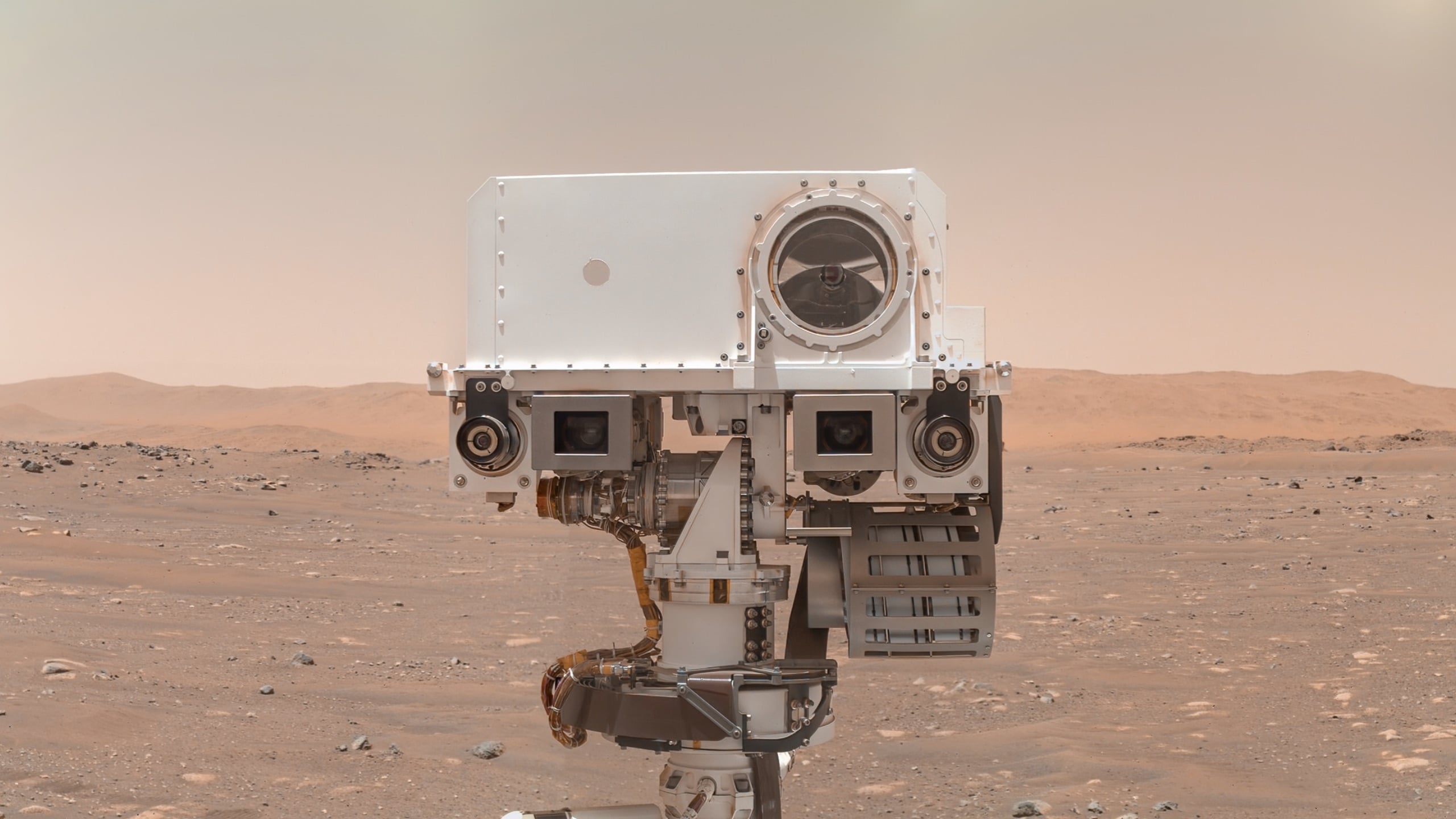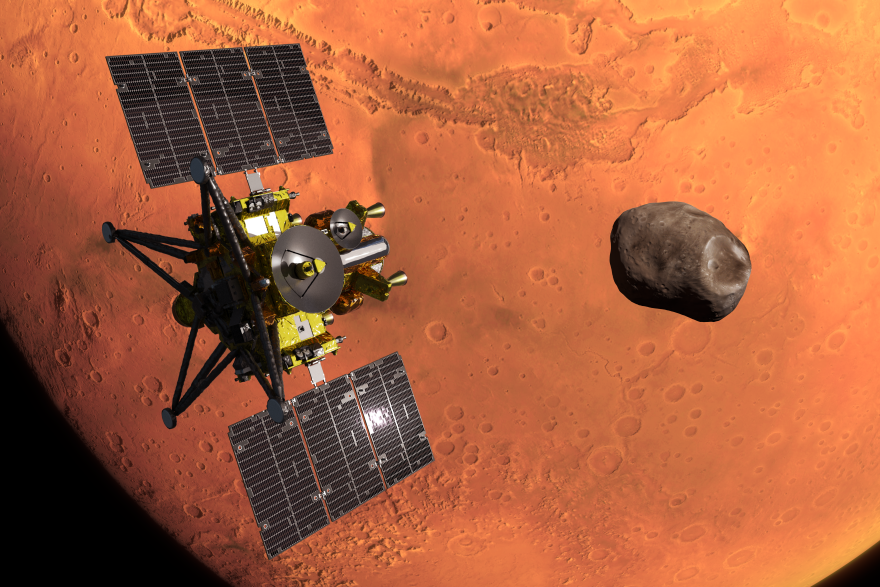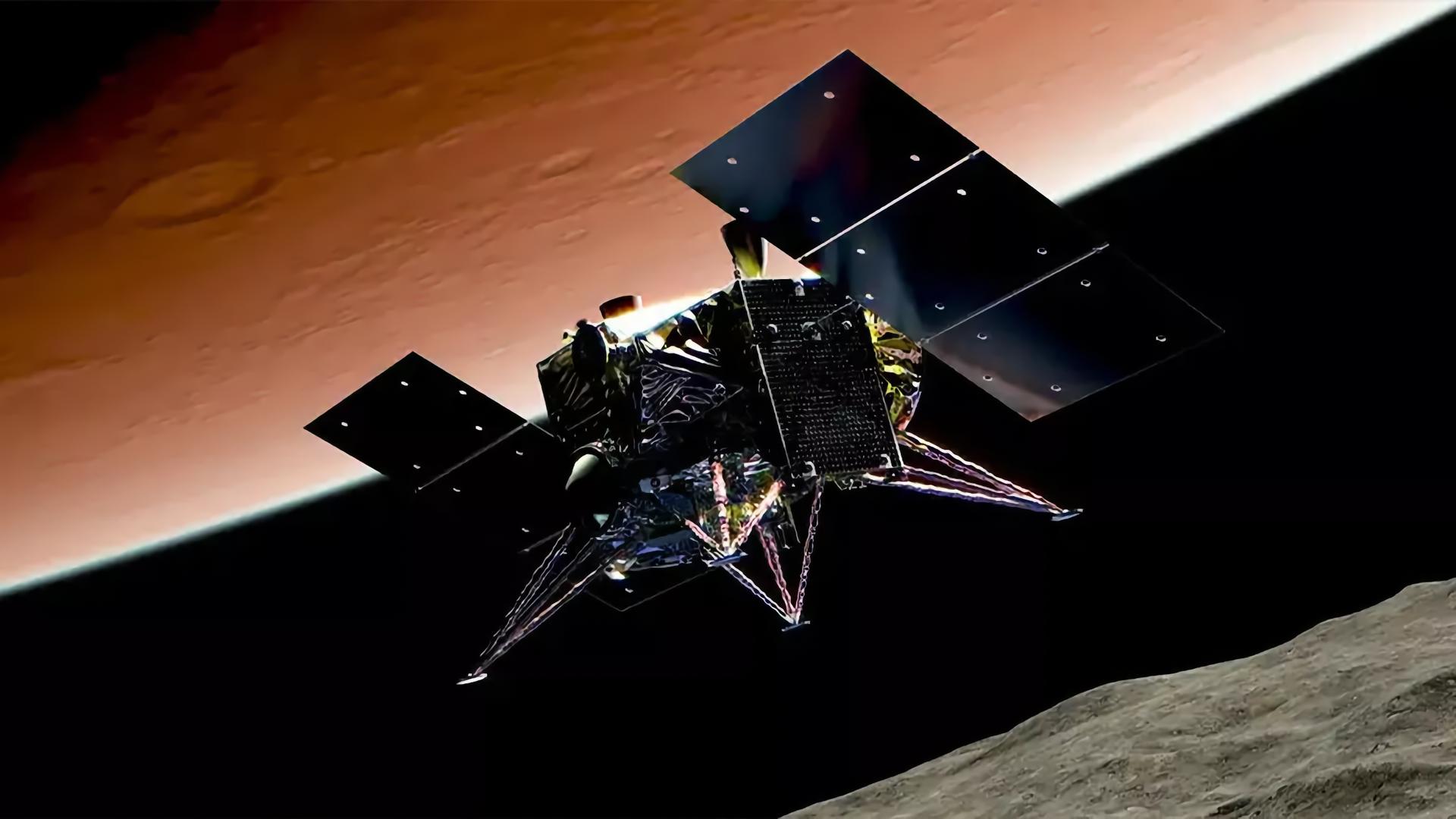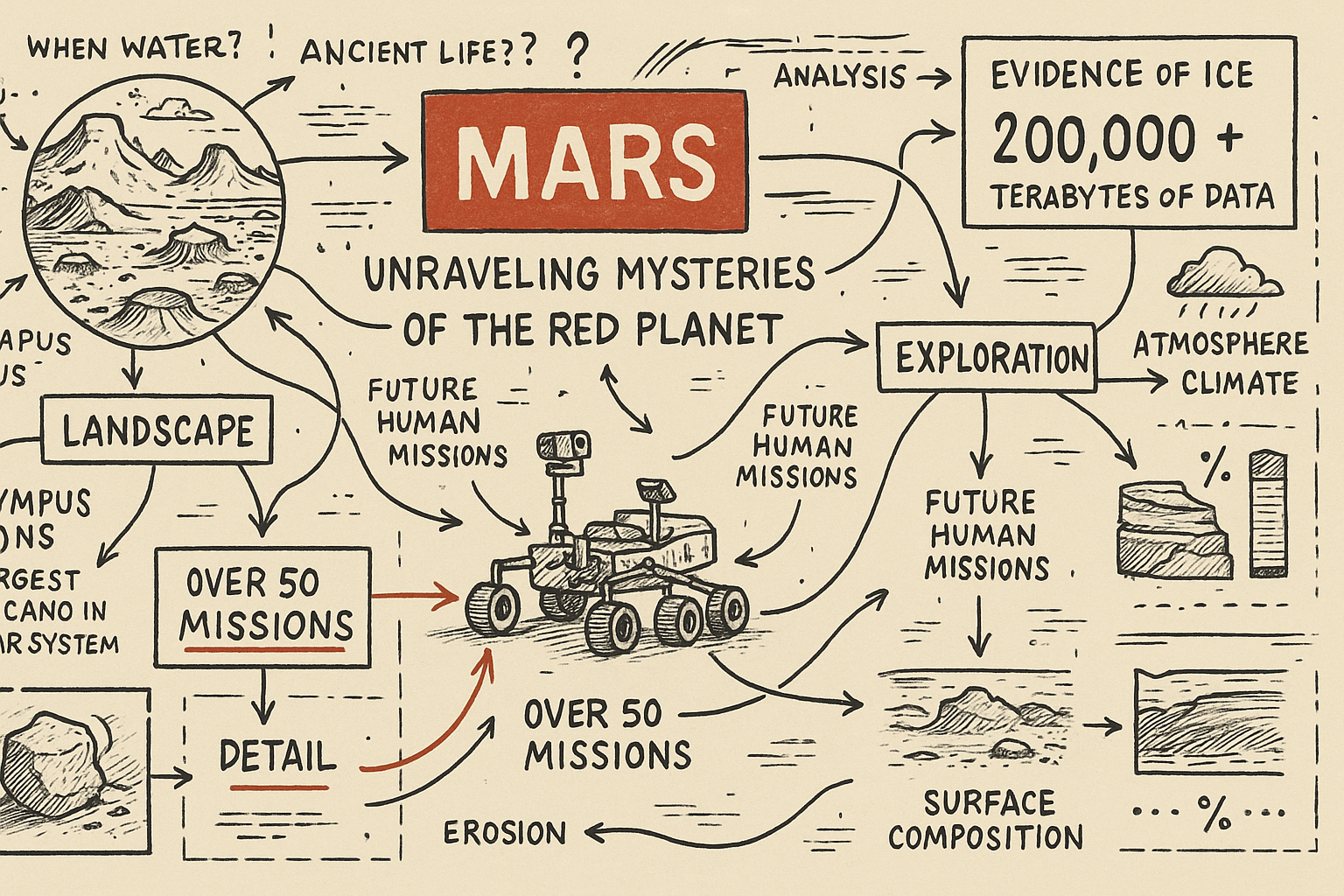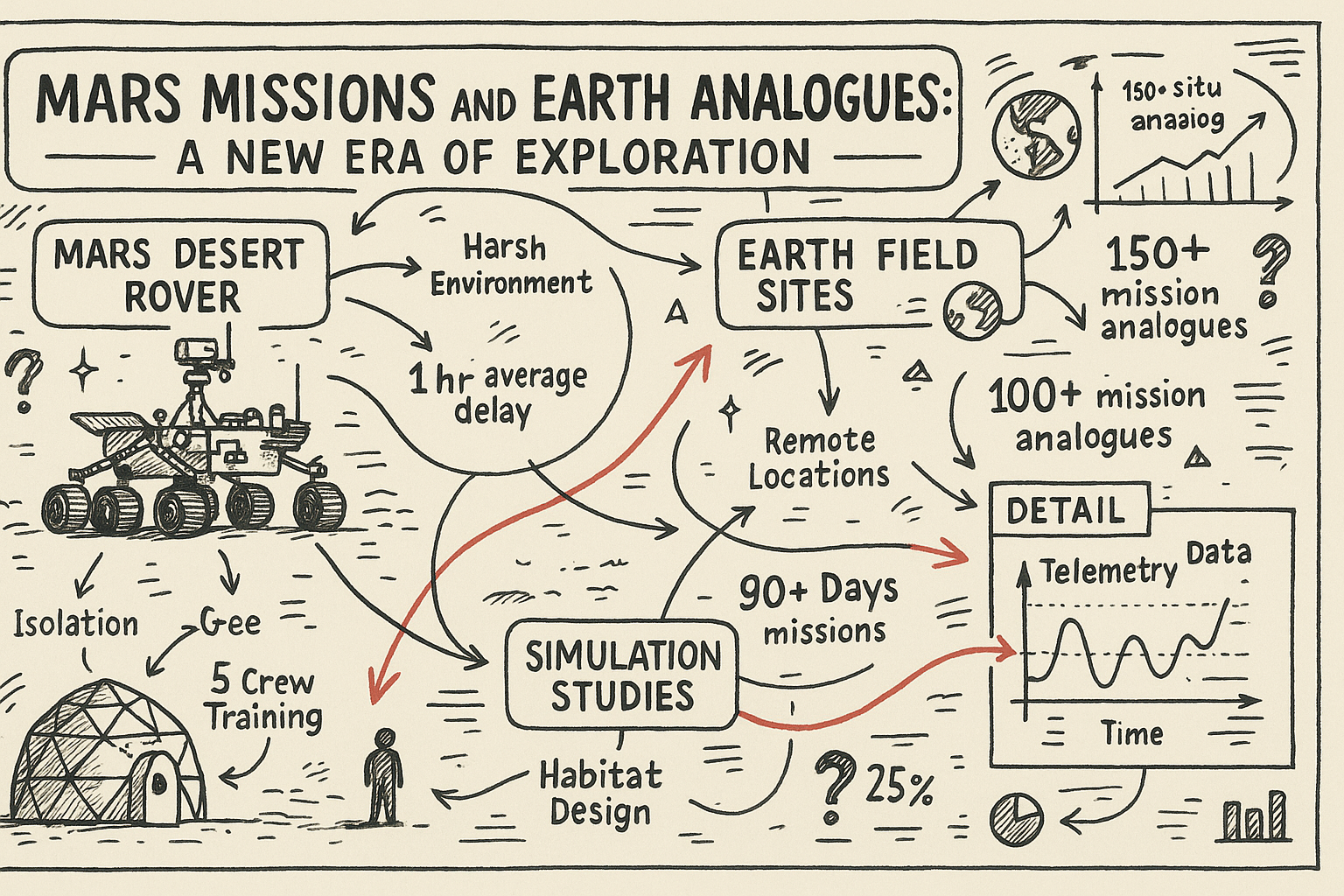
The quest to explore Mars is rapidly advancing, with European and international efforts shedding new light on the Red Planet and its Earth analogues. Recent developments highlight the intricate dance between technological innovation and natural Earth laboratories that mimic Martian conditions.
The Role of Earth’s Deserts in Mars Exploration
One of the focal points of recent Mars exploration efforts is the use of Earth's deserts as testing grounds for Martian missions. The desolate landscape of the Tabernas Desert in Spain has become a critical site for the European Space Agency's (ESA) rover testing. The Rosalind Franklin rover prototype, named Charlie, successfully navigated 220 meters of this terrain, a testament to its readiness for the Martian surface, as reported by AstroSpace.
Similarly, the Atacama Desert in Chile, known for its extreme aridity and Mars-like soil, serves as a vital field laboratory. This environment provides invaluable insights into potential soil interactions and atmospheric conditions that might be encountered on Mars.
Technological Advances and Reusability
Technological innovation remains at the forefront of these efforts. ESA's Themis reusable rocket demonstrator, which recently completed its second Wet Dress Rehearsal in Sweden, marks a significant step towards sustainable space exploration. As reported by AstroSpace, this development underscores Europe's commitment to reducing costs and environmental impact by integrating reusability into its space missions.
Visualizing Mars in Color
While traditionally known as the 'Red Planet', Mars is revealing its diverse palette through the eyes of the CaSSIS camera on the ExoMars Trace Gas Orbiter. This mission has unveiled a spectrum of Martian colors, from ice deposits to dune fields, challenging our previous monochromatic perceptions. As highlighted in Coelum, these findings are reshaping our understanding of Mars' geological and atmospheric processes.
Interdisciplinary Insights and Future Implications
The intersection of technology, Earth analogues, and new scientific data is crafting a comprehensive narrative of Mars exploration. The insights gained from these missions not only advance our understanding of Mars but also push the boundaries of planetary science and engineering. The continuous feedback loop of testing on Earth and implementing on Mars is refining mission strategies and enhancing the reliability of future missions.
Looking ahead, the integration of reusable technology like Themis and the nuanced understanding of Martian topography will likely influence the design and operation of future missions, including potential crewed missions. The knowledge gleaned from Earth analogues will play a crucial role in planning for sustainable human presence on Mars.
Conclusion
As we continue to unravel the mysteries of Mars, the synergy between Earth and Mars exploration offers a compelling narrative of innovation and discovery. Our planet, through its extreme environments, becomes a window into the future of space exploration, promising new horizons and uncharted territories.