In the realm of planetary exploration, Mars has consistently captured the imagination of scientists and the public alike. Recent developments, highlighted by a series of pivotal missions and discoveries, have provided deeper insights into the enigmatic nature of the Red Planet. This analysis synthesizes key findings from the latest expeditions and studies, offering a comprehensive understanding of Mars' geological and potential astrobiological significance.
Mars Express: A Long-Standing Sentinel
Since its launch in 2003, the European Space Agency's Mars Express has been a cornerstone in our exploration of Mars. Initially planned for a 23-month mission, it has far exceeded expectations, continuing to deliver high-resolution imagery of the Martian surface. Recent footage from the Mars Express orbiter has unveiled the Schiaparelli Crater, a colossal 460 km wide feature, providing crucial data on its relatively shallow depth possibly due to sedimentary and volcanic processes over billions of years.
Decoding Martian Moons
Phobos and Deimos, the two moons of Mars, have perplexed astronomers since their late discovery compared to other planetary satellites. New simulations suggest these moons may hold clues to ancient impact events, offering a window into the solar system's violent past. Understanding their origins not only enriches our knowledge of Mars but also of planetary formation dynamics.
Ground-level Insights from Rovers
NASA's rovers, notably Curiosity, continue to redefine our understanding of Mars from the ground up. With over a decade of exploration, Curiosity has adapted to uncover new geological features, such as shallow pits previously unseen. These findings are pivotal in piecing together Mars' past, including periods when conditions might have been conducive to life. The rover's longevity and adaptability underscore the importance of sustained robotic presence on Mars.
Astrobiological Potential and Geological Wonders
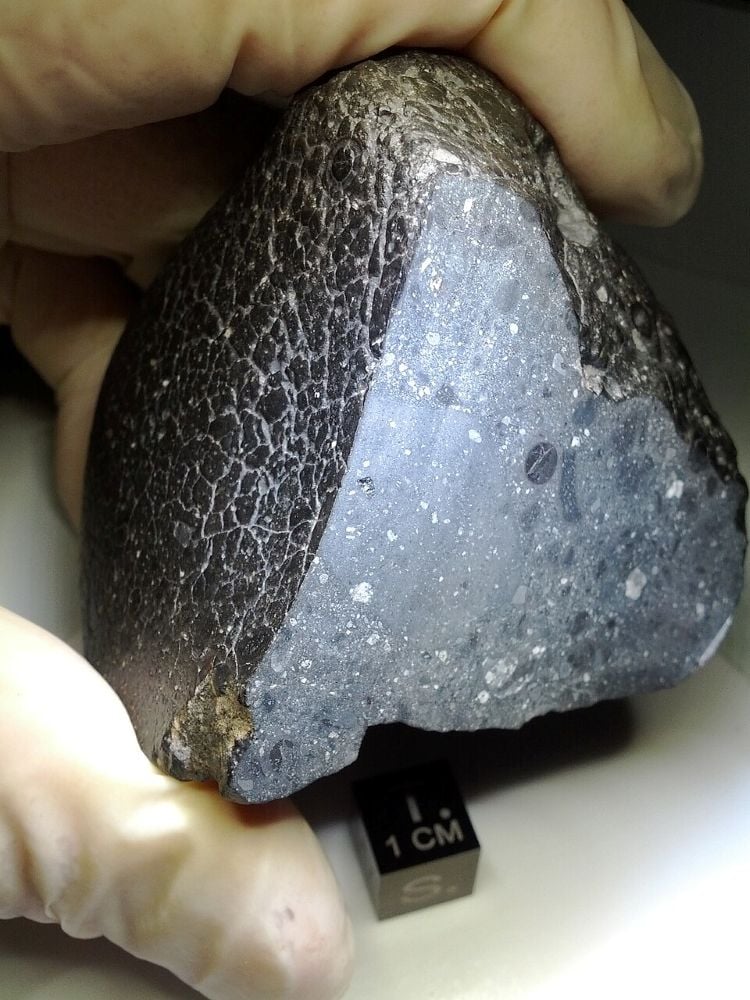
Recent studies, involving gravitational field assessments, have highlighted unexpected temperature variations beneath Mars' surface. Such findings could hint at subsurface water ice or geothermal activity, both of which have implications for potential microbial life. The continued analysis of Martian meteorites, like those potentially originating from asteroid Bennu, further enhances our understanding of Mars' composition and its early solar system environment.
Future Prospects and Challenges
As we unravel Mars' mysteries, the implications for future exploration are profound. Understanding its geological history aids in planning human missions, where selecting landing sites will be crucial for both safety and scientific yield. Moreover, insights into Martian geology and climate may inform astrobiological studies, potentially guiding the search for life beyond Earth.
In a broader context, these discoveries emphasize the collaborative nature of space exploration, with agencies like NASA, ESA, and JAXA contributing to a collective quest for knowledge. As technology advances, the potential for new missions to build on these findings grows, promising to keep Mars at the forefront of planetary science.