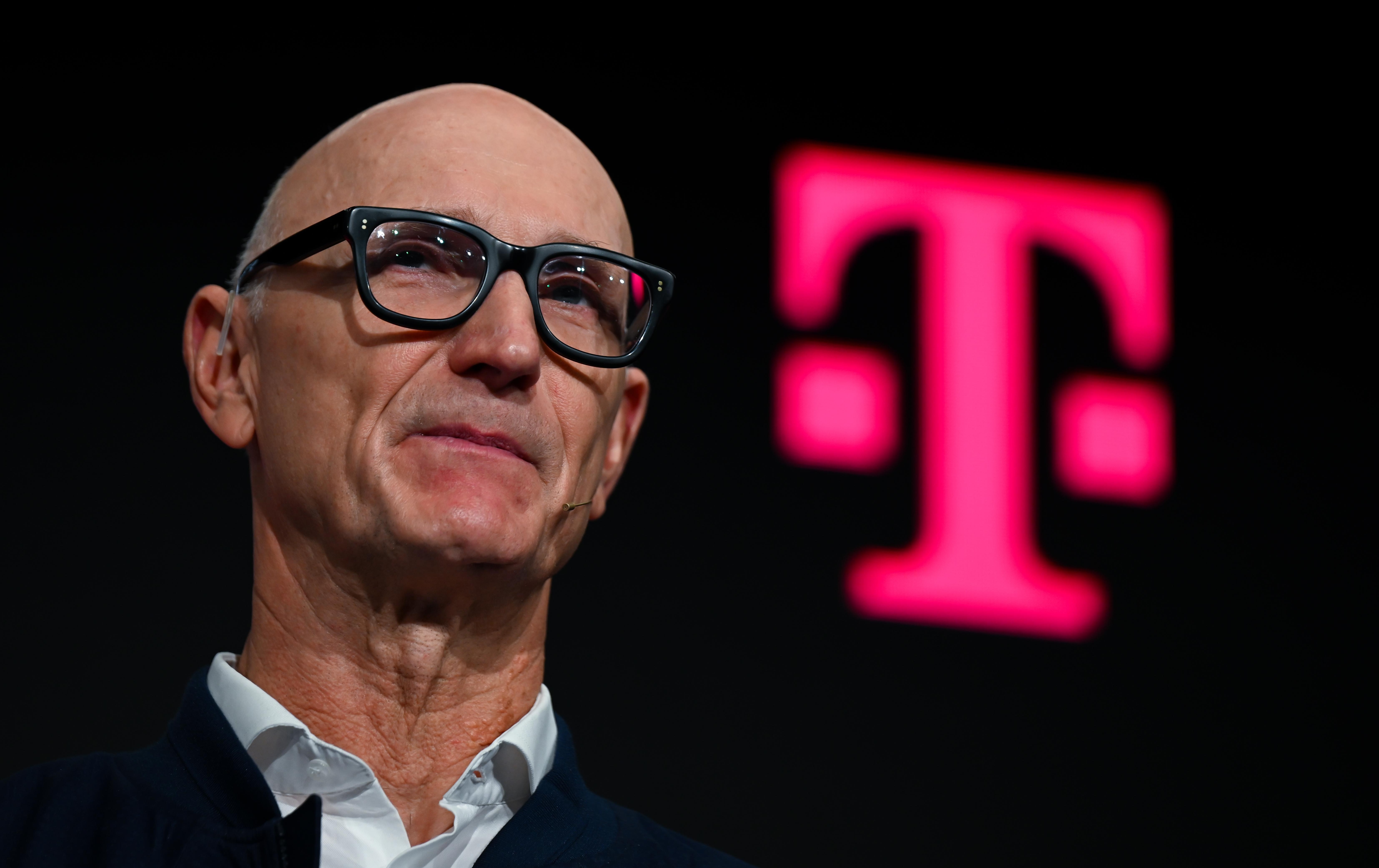
Deutsche Telekom CEO Tim Höttges said on Nov. 5 that SpaceX would need at least $200 billion to become a major U.S. mobile carrier with Starlink Mobile. Speaking during an earnings call, Höttges acknowledged that he takes SpaceX "super serious" but laid out the scale of investment he believes would be required to compete with incumbents such as T-Mobile, AT&T and Verizon.
Höttges noted that SpaceX has acquired 76 megahertz of spectrum, compared with Deutsche Telekom's parent company holding 400 megahertz. "If he has the money, go for it," Höttges said, adding that acquiring sufficient spectrum and building out a terrestrial network would cost "kind of triple-digit billions". He summarized his assessment by saying SpaceX would need "at least minimum $200 billion" to play in the industry at the level of today's major carriers.
Höttges broke the costs down further in the call. He pointed to tower infrastructure as a key expense: Deutsche Telekom has 85,000 towers, while SpaceX could rent existing towers but would still face another "$20 to $30 billion" to equip and integrate sites. He also mentioned the cost of antennas and other hardware, saying "you need money for that."
At the same time, Höttges acknowledged the disruptive potential of Starlink Mobile. He listed SpaceX's assets — "chipsets, data centers, AI, satellites" — and suggested the company could create a new type of communications service, perhaps integrating social media or agent models. "That is why I'm saying I take that super serious," he said, drawing a parallel to how established industries were surprised by Tesla's moves in cars.
The comments follow public details of SpaceX's Starlink Mobile plans. The company has told regulators it may operate up to 15,000 direct-to-cell satellites and recently acquired U.S. spectrum licenses. Reports also indicate SpaceX is planning to combine satellite-to-cell technology with a terrestrial network and has engaged suppliers such as Qualcomm for cellular infrastructure technology. Höttges reiterated, however, that such ambitions are not a "free lunch" given the scale and professionalization of the telecom industry over decades.