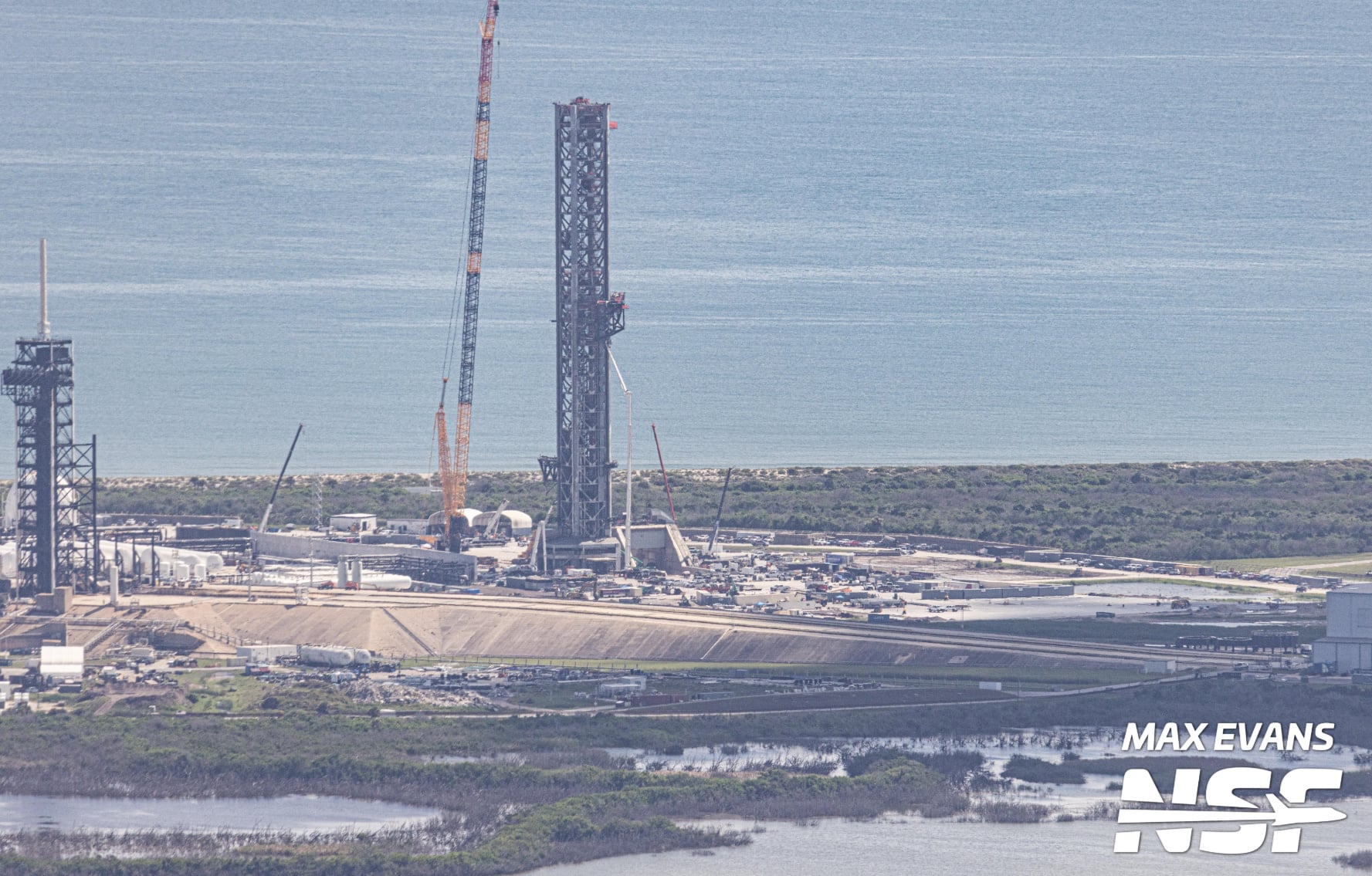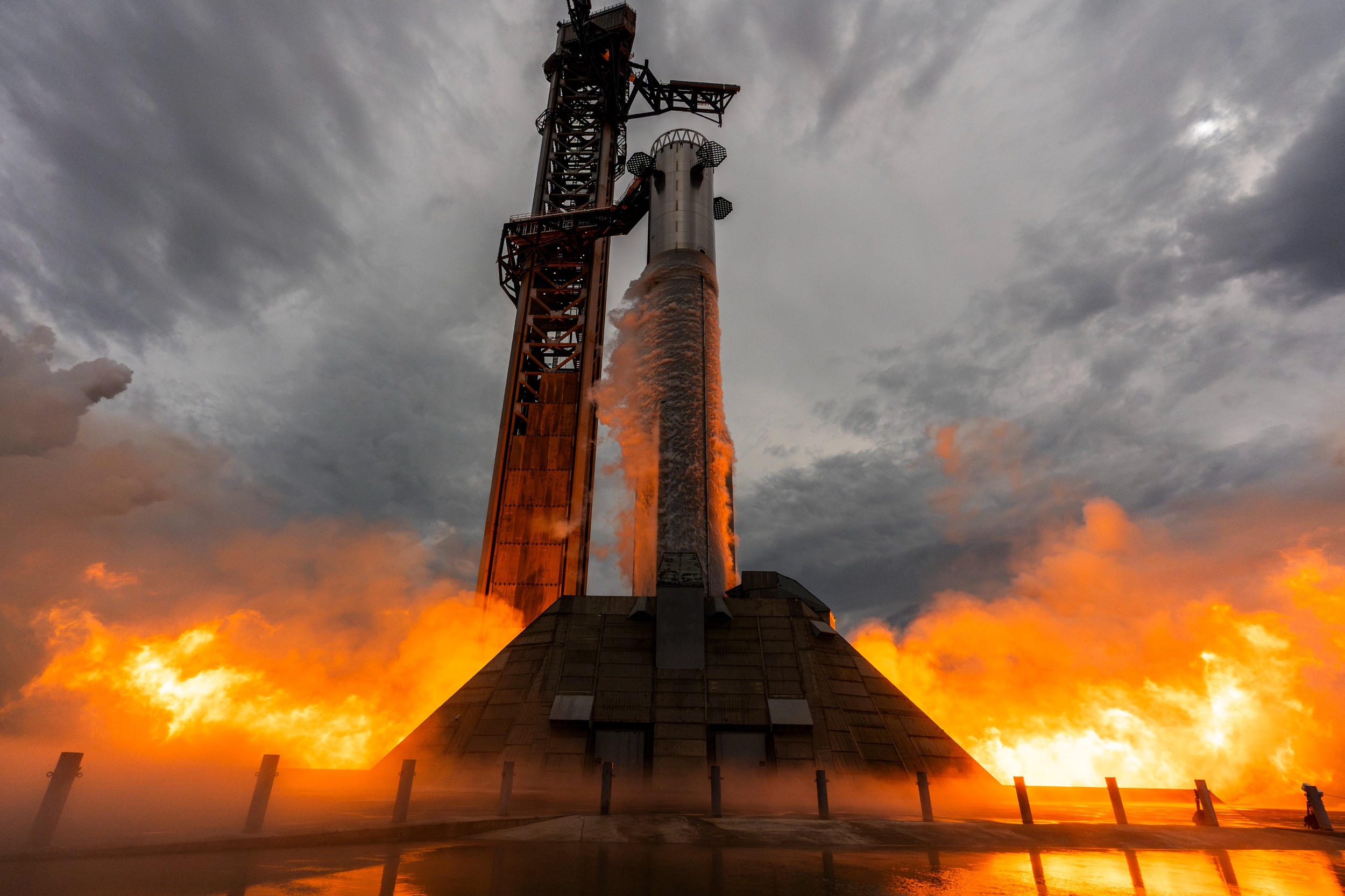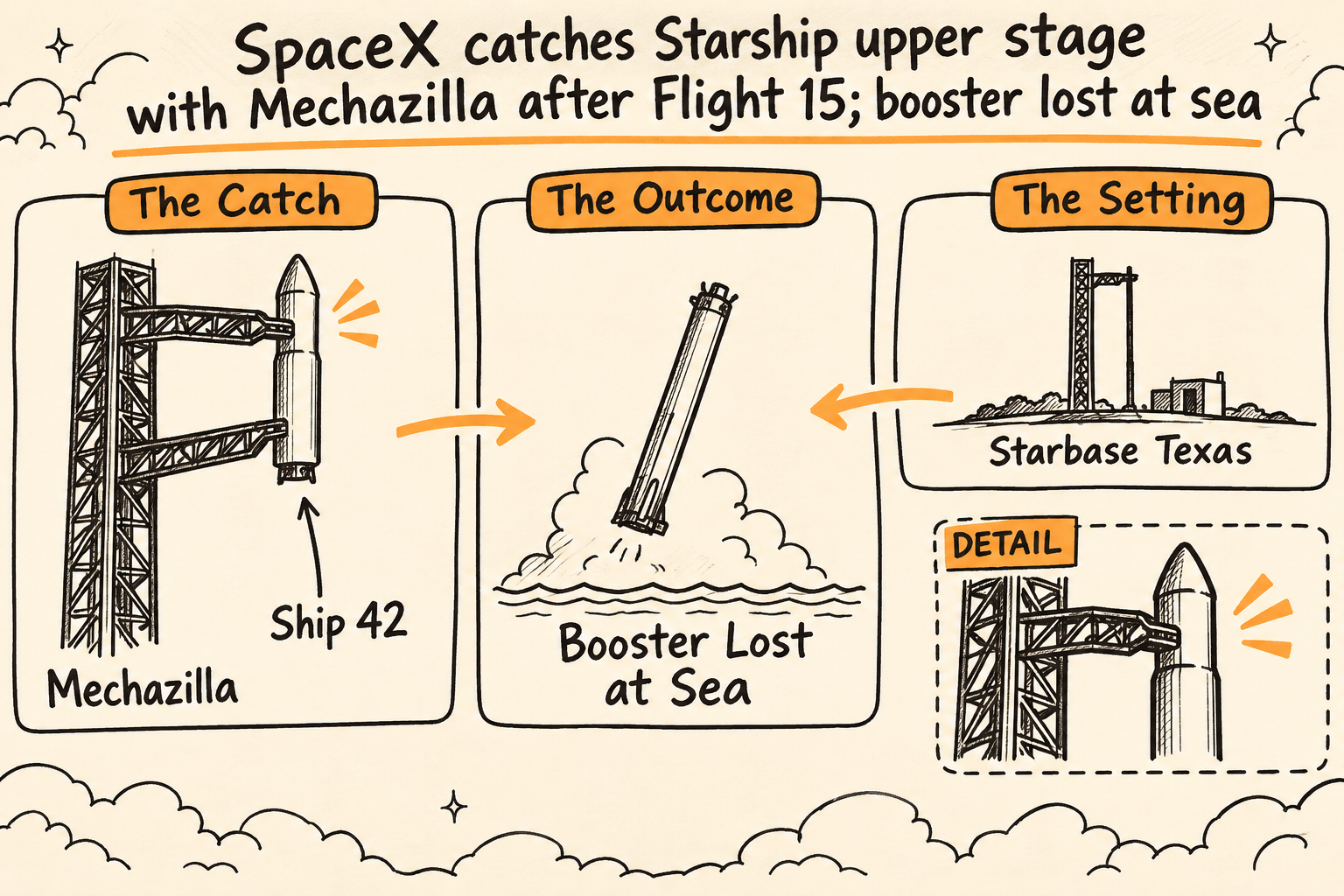
SpaceX caught the Starship upper stage with its launch‑tower arms on 14 November 2026, while the Super Heavy booster splashed down and was lost at sea.
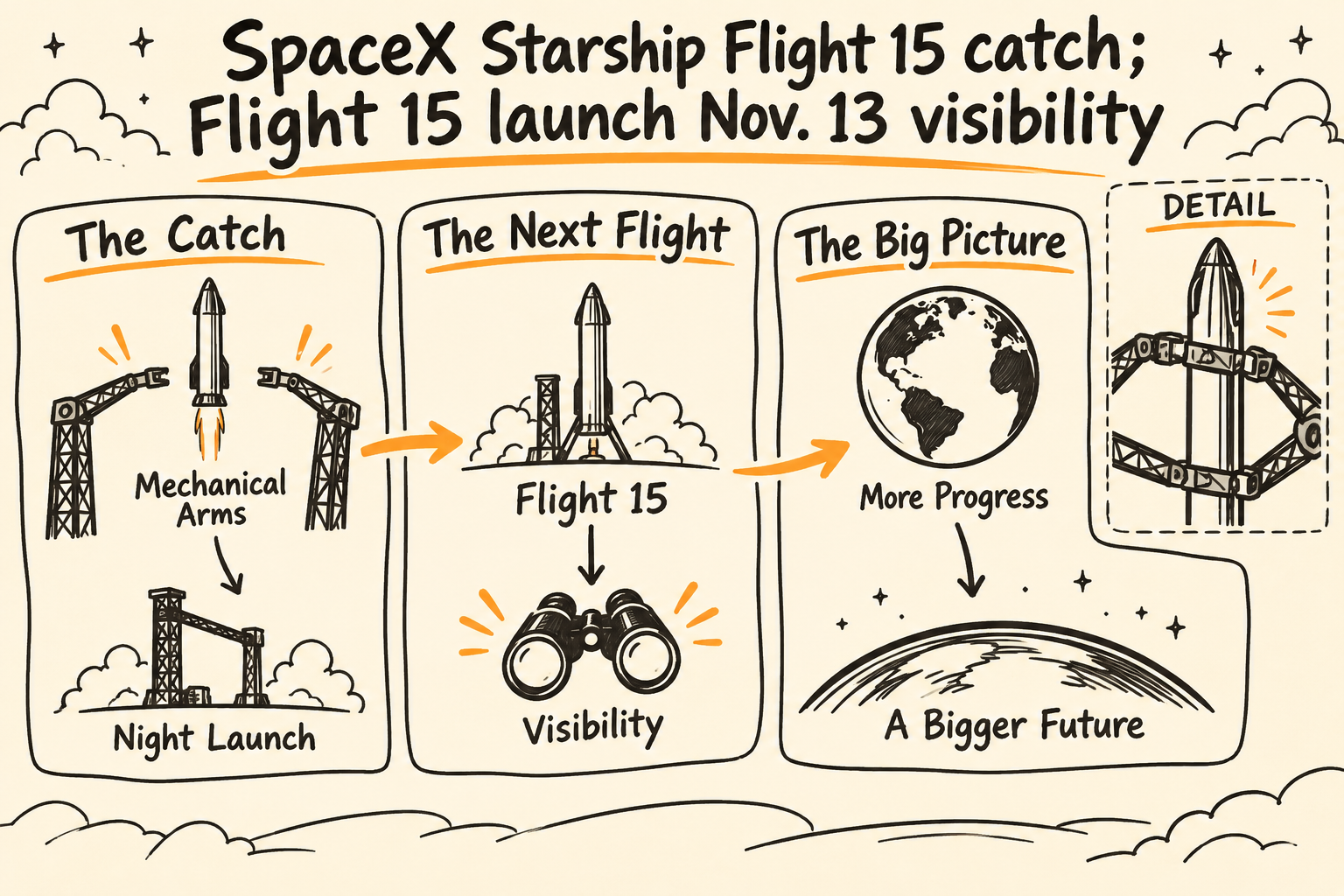
On Flight 15, which lifted from Starbase, Texas on 13 November, the Starship vehicle separated as planned and the upper stage—Ship 42—completed roughly 14 orbits before returning for a mid‑air capture. Around 15:20 local time on Saturday (21:20 GMT), Ship 42 relit engines, performed a flip and descent, and was plucked from the sky by the tower’s mechanical arms—nicknamed “Mechazilla”—in what SpaceX described on its webcast as the first successful catch of a Ship coming back from orbit.
That success came alongside a partial failure: SpaceX aborted the planned catch of the Super Heavy booster shortly after launch when the booster experienced a low‑fuel alarm. The booster was diverted to the Gulf of Mexico, where it detonated above the sea and left wreckage cordoned off by buoys while engineers investigate the anomaly. SpaceX communications staff said the booster’s engines stopped firing too soon on descent and its guidance system initiated the splashdown and self‑destruction.
Flight 15 also deployed payloads to orbit: Ship 42 carried and released 26 Starlink V3 satellites during the mission. SpaceX reported contact with each satellite and began initial orbit‑raising operations.
Commentary from SpaceX personnel and media captured the dramatic nature of the recovery. During the landing webcast SpaceX spokesperson Dan Huot said, “We caught a Starship, and now everything changes,” a line echoed in several outlets. On the webcast Jessie Anderson described the moment as “one of the most incredible and historic engineering feats of all time.” Elon Musk later climbed the launch tower, filmed the spacecraft up close and posted “Looks great” on X.
News outlets and SpaceX emphasised why catching Ship matters: whereas Super Heavy had been caught on three previous tests, rescuing the upper stage from orbital return is a tougher target because it comes back from higher altitude and velocity. SpaceX says the double‑catch concept—recovering both stages at the pad with Mechazilla—would be key to rapid inspection, refurbishment and reflight of Starship. Flight 15 did not achieve a double catch, but the capture of Ship 42 marks the first successful attempt at snatching a Ship from orbital return.
SpaceX is investigating the booster's early engine cutoff to determine the root cause; company officials including Kate Tice noted that engineers are analysing data to understand why the guidance system diverted the booster. Coverage also noted SpaceX’s broader ambitions for high launch cadence and large megaconstellations: Flight 15’s Starlink payloads mirror a recent push toward next‑generation V3 satellites that SpaceX plans to mass‑deploy.
NovΔ mAInd's launch database: SpaceX's Starship HLS LEO Demo is scheduled for 2027-06-30 and has NOT flown yet; it is listed as an operator mission to Low Earth Orbit.