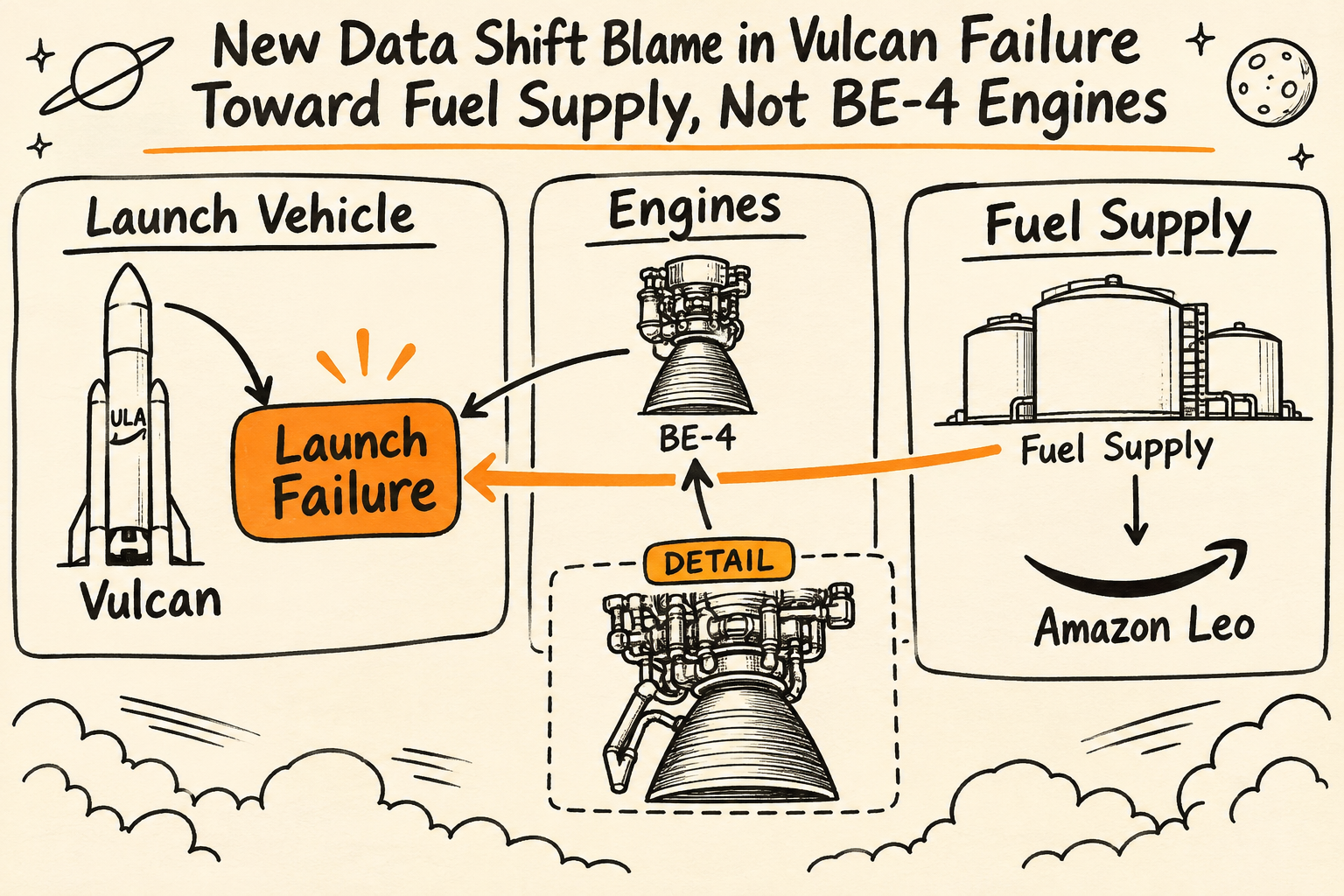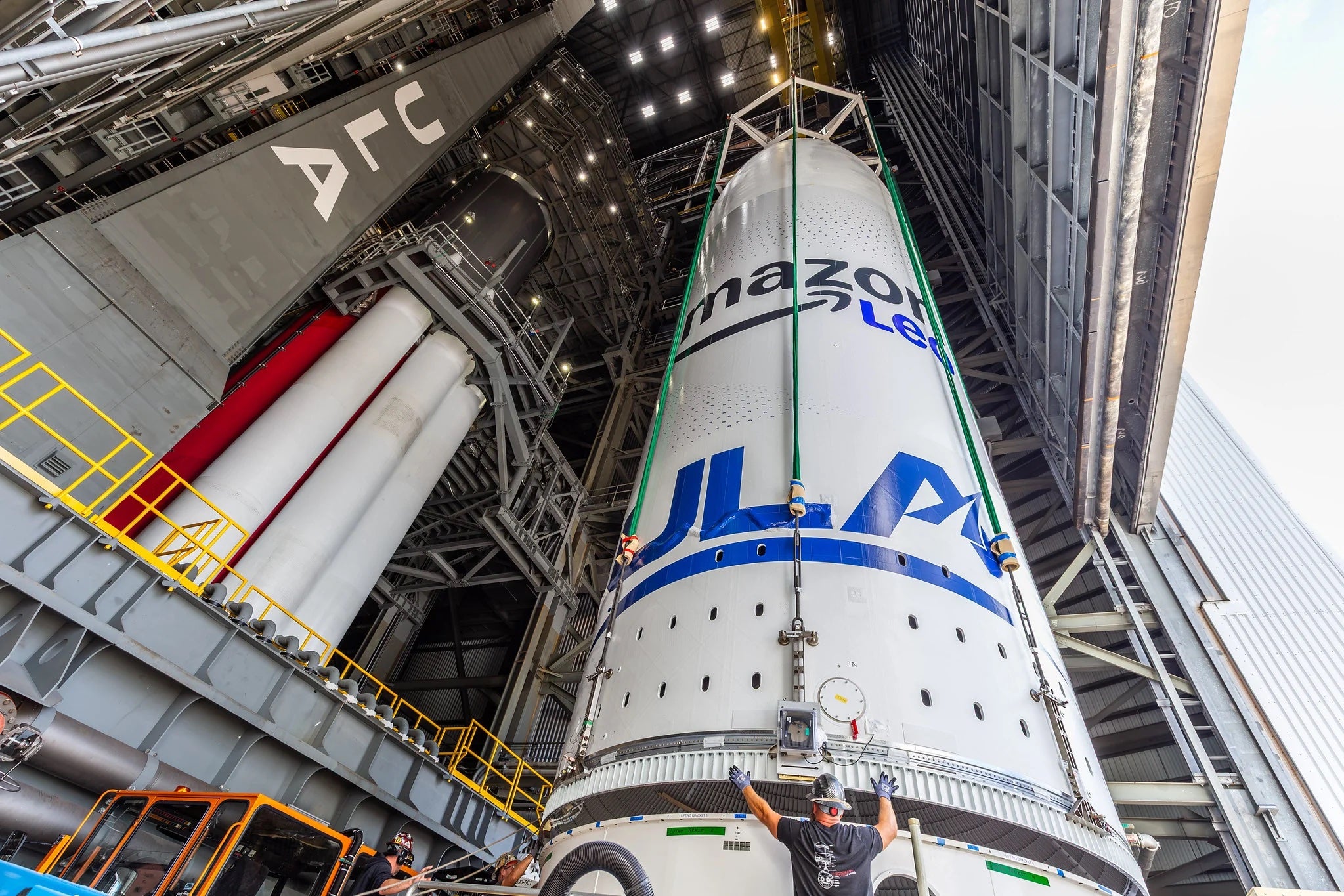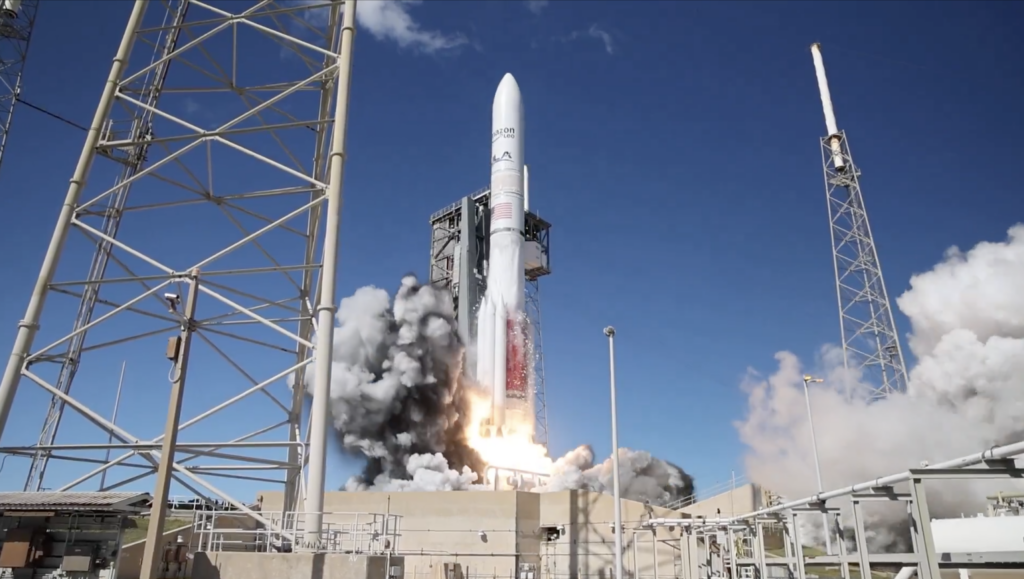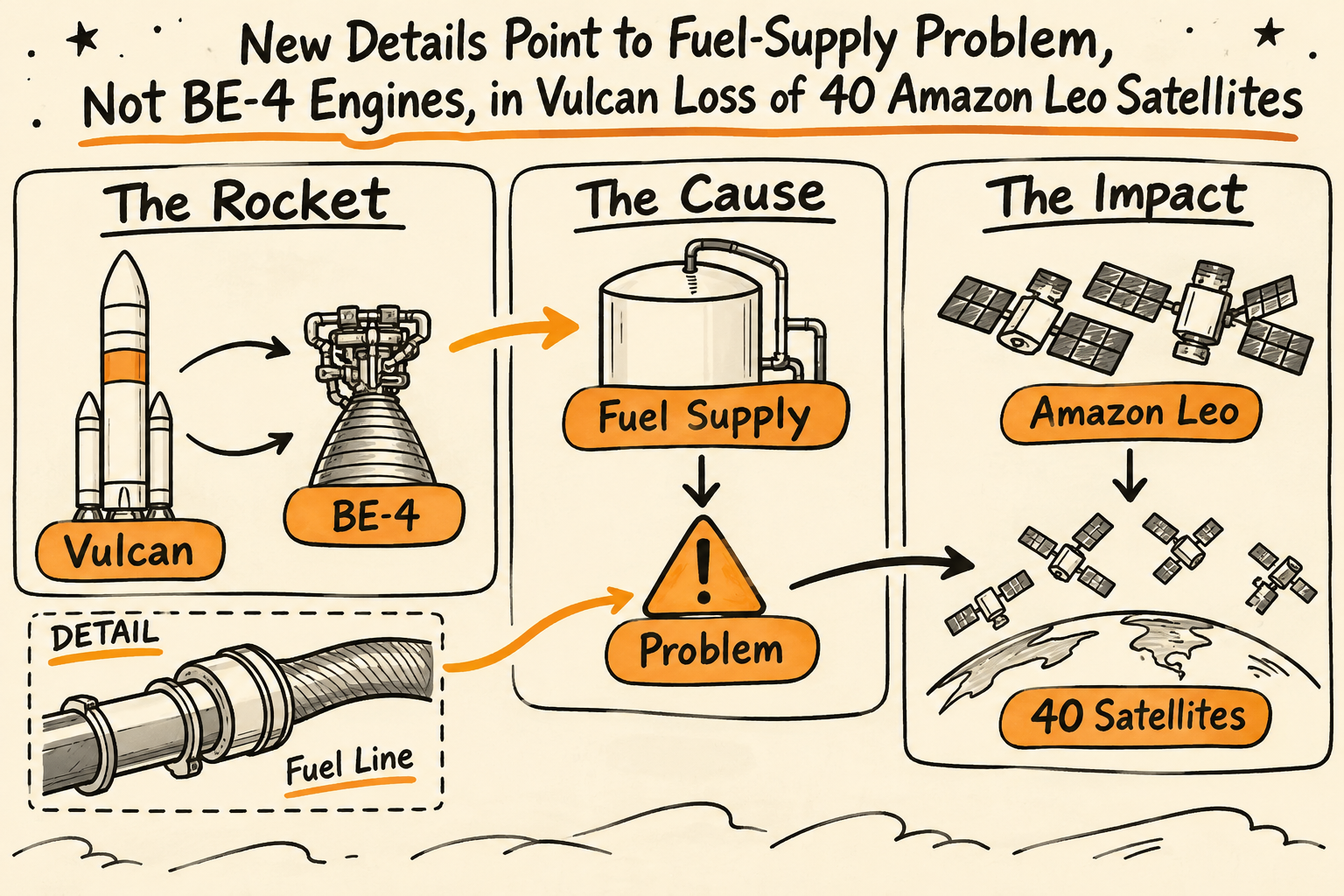
United Launch Alliance on Nov. 18 reported preliminary findings from its review of the Vulcan Centaur failure on Nov. 15 that cost Amazon Leo 40 satellites. The company says the anomaly originated in the rocket’s first stage and that early indications point to insufficient fuel supply from the vehicle to the two BE-4 engines, rather than to engine performance issues.
ULA said it completed an initial integrated review of flight data and that the vehicle exhibited low booster performance shortly after liftoff. Telemetry was lost at about 10 minutes into flight, but the review indicates stage separation occurred when the vehicle was already too low and below the velocity required to reach orbit. The second stage Centaur V and its two RL10 engines appear to have started and operated normally but were unable to recover from the first-stage performance shortfall.
What ULA and partners have said
In its update, ULA emphasized that "preliminary indications are that the low booster thrust was the result of inadequate fuel supply from the vehicle to the BE-4 engines, not from the performance of the engines." The company noted solid rocket booster performance was nominal for this flight after nozzle improvements had been implemented following earlier flights that saw SRB nozzle damage.
Blue Origin, the maker of the BE-4 engines, said it supported ULA’s investigation. Blue Origin CEO Dave Limp issued a statement noting the outcome was disappointing and praising the BE-4 team's rapid response and collaboration with ULA. The preliminary finding relieves, at least for now, immediate pressure on the BE-4 design because it suggests the engines themselves performed as intended.
Context and immediate consequences
The Nov. 15 mission, launched from Cape Canaveral, was Vulcan’s fifth flight and the first full mission failure in ULA’s 20-year history. It was also the first Vulcan mission for Amazon Leo and the first of 38 planned Vulcan launches for the constellation, which previously flew eight missions for Amazon Leo on Atlas V. The mission carried 40 Amazon Leo internet satellites that were lost when the vehicle failed to reach orbit.
Sunday’s flight had six Northrop Grumman solid rocket boosters attached; ULA said those SRBs performed normally after nozzle upgrades implemented for this launch. Previous Vulcan flights had experienced SRB nozzle burn-through incidents on the rocket’s second flight (October 2024) and on a February 2026 flight, prompting design changes.
The Federal Aviation Administration has initiated a mishap review and is overseeing ULA’s investigation. ULA described its findings as preliminary and said work remains to determine the root cause. The FAA will follow the investigation and must approve ULA’s final report and corrective actions before Vulcan returns to flight.
Broader implications
The finding matters beyond ULA because the BE-4 engine is used by Blue Origin’s New Glenn rocket. New Glenn had its own setback when a launch pad hotfire test in late May resulted in an explosion that Blue Origin attributed to a main oxygen valve issue; the company said it completed qualification testing on a modified valve in early November and incorporated that valve into engines slated for upcoming flights. ULA’s Nov. 18 statement that the BE-4s operated as planned is therefore notable for Blue Origin and for customers that have BE-4s in their launch plans.
Amazon has a near-term plan to continue deploying its constellation: the company is set to launch new satellites on an Ariane 6 mission operated by Arianespace, targeted for Nov. 23.
For now, ULA has grounded Vulcan pending completion of the investigation overseen by the FAA. The company said it understands the impact on customers and aims to return Vulcan to flight in the safest and most timely way once the full causes and corrective actions are determined.