Overview
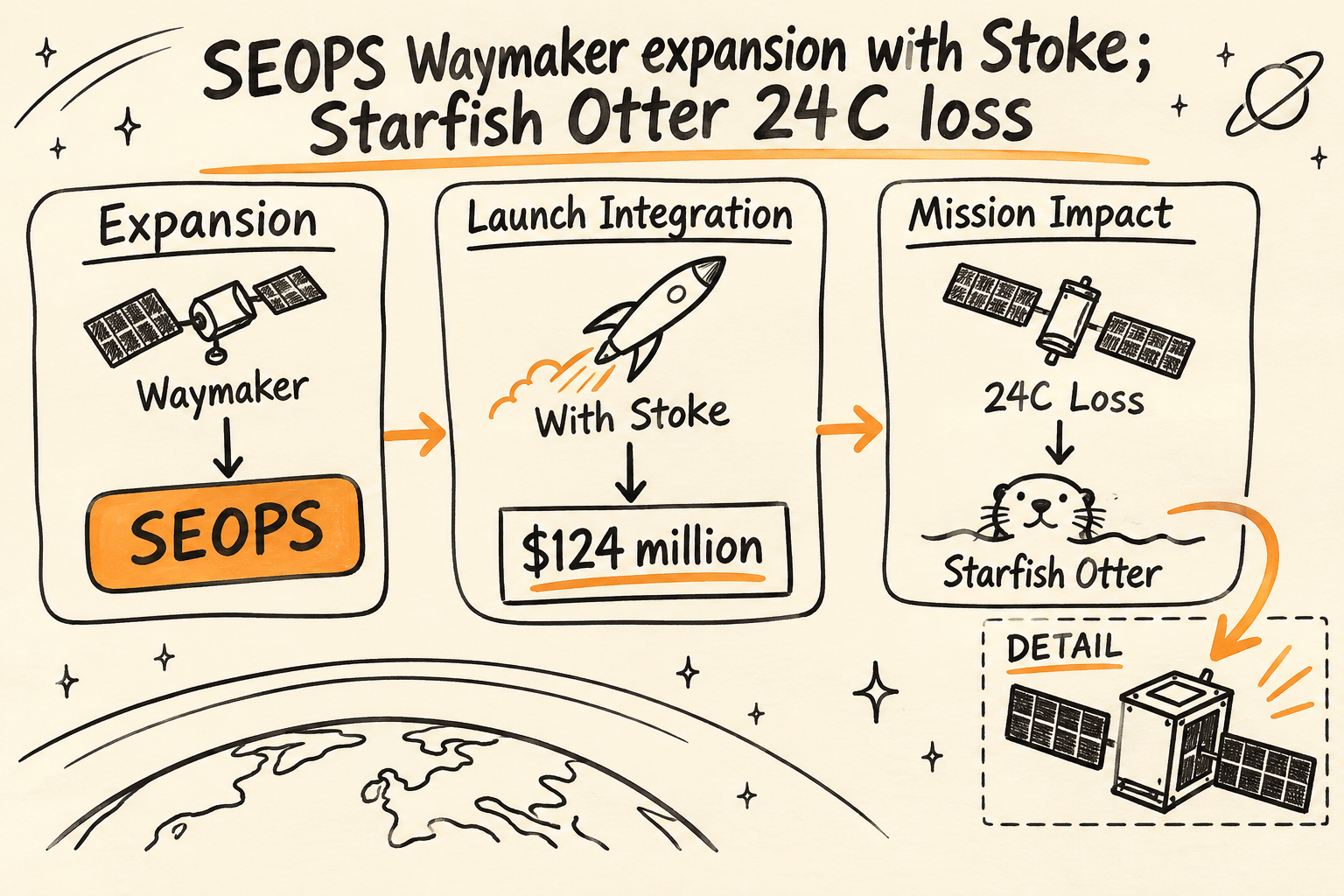
Recent commercial moves — SEOPS expanding its Waymaker rideshare program with Stoke Space and additional SpaceX missions, LEAP signing a three-launch agreement with Spargo Space, Ramon.Space securing $124 million to scale orbital computing, and Satellogic extending a non-Earth imaging deal with HEO — sit alongside operational setbacks such as Starfish Space’s loss of its Otter 24C servicing spacecraft and industry infrastructure partnerships like Seagate Space and Aurex’s offshore launch plans. Taken together, these developments illuminate an industry at an inflection point where commercial ambition is colliding with the realities of orbital complexity and a fragmented regulatory environment.
Consolidating launch options, but not evenly
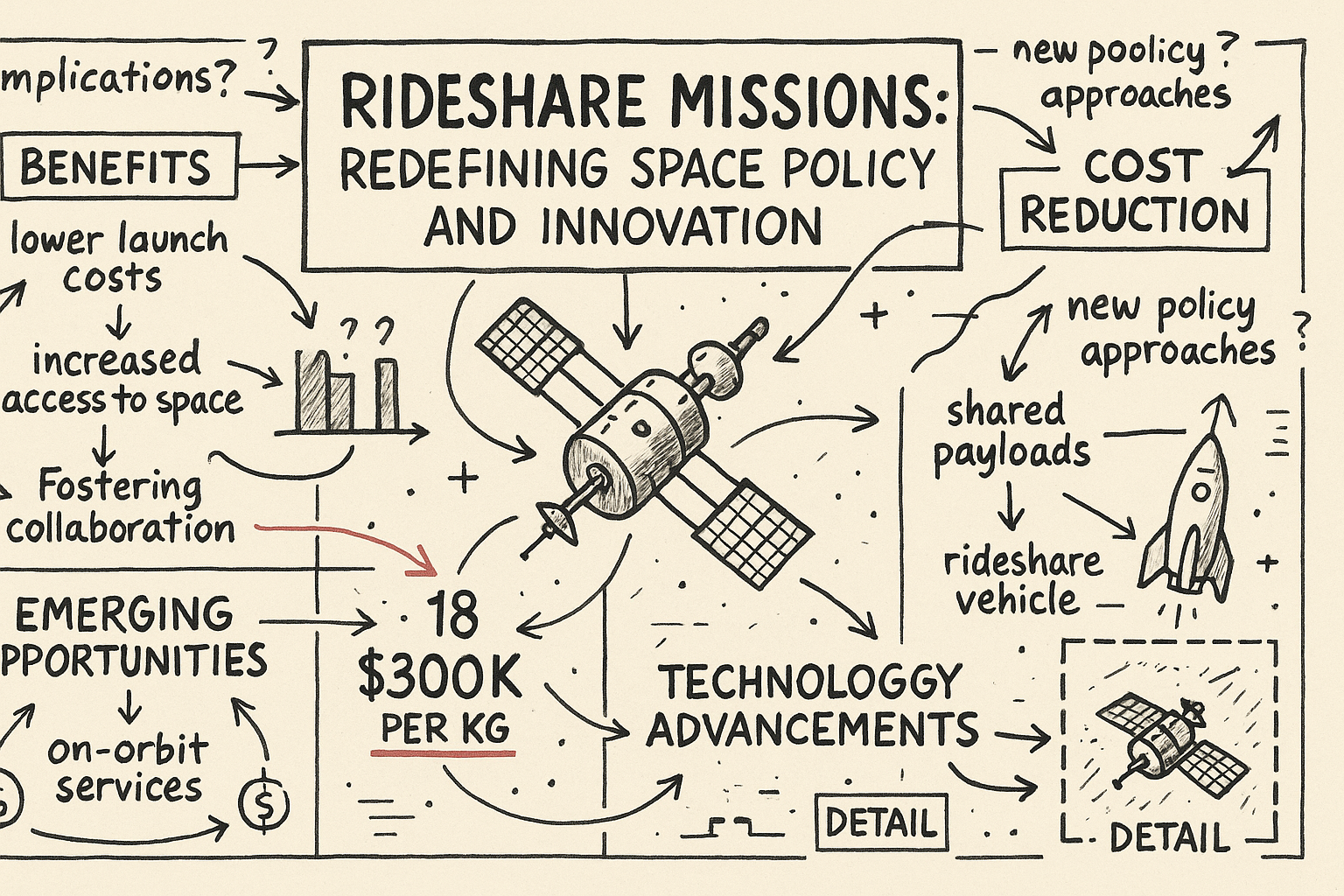
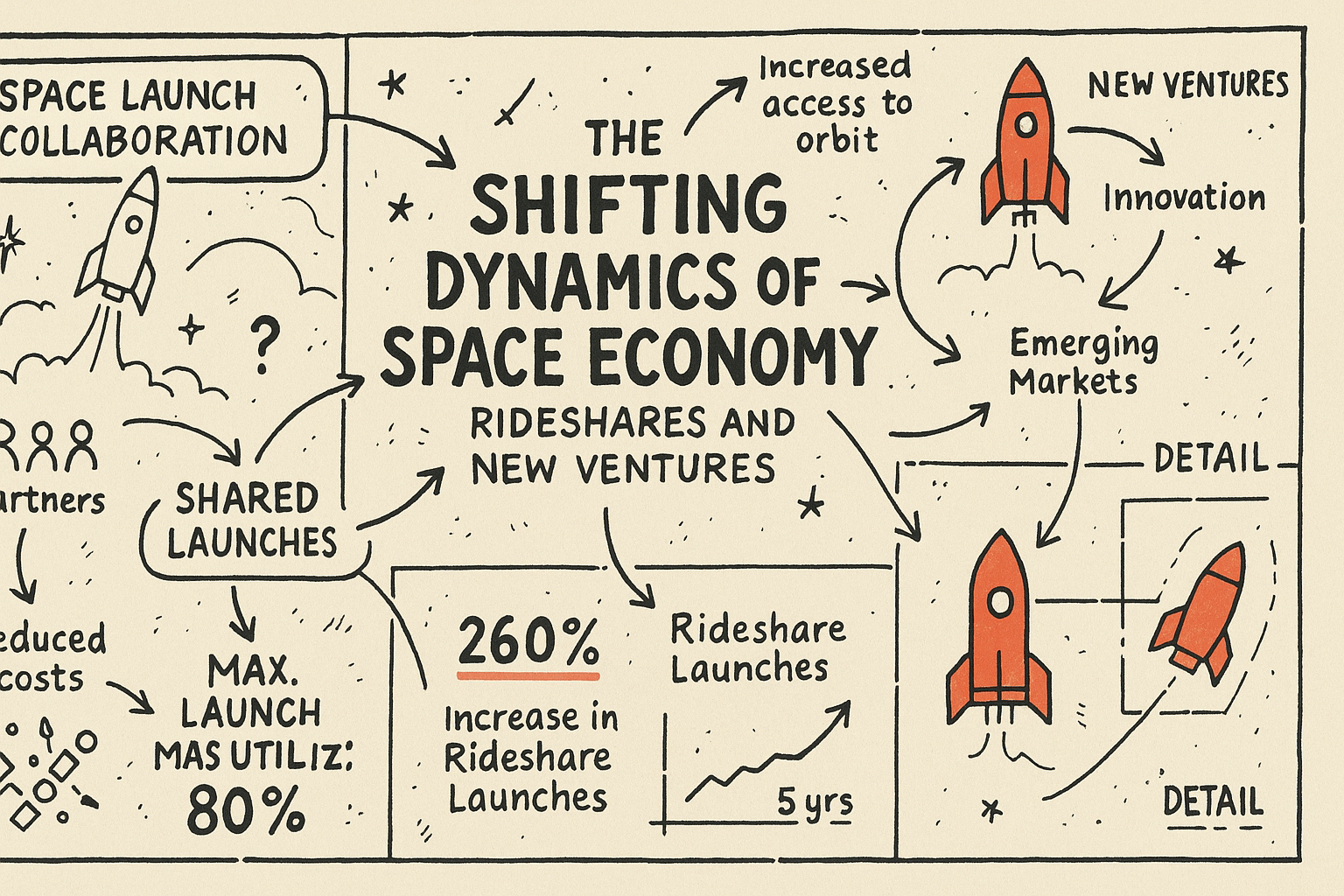
SEOPS’ widening of its Waymaker rideshare program — adding Stoke Space and another SpaceX mission — is emblematic of a broader market rebalancing. SpaceX’s announced plan to phase out Falcon 9 rideshare programs around 2029 has created a pinch-point for small-sat buyers. Third-party integrators and new small-launch providers are moving to capture that displaced demand. The SEOPS–Stoke deal and Seagate–Aurex offshore launch partnership are tactical responses: diversify access to orbital insertion and keep launcher competition alive.
Counterintuitively, greater launch competition does not instantly reduce systemic risk. As more operators chase similar orbital slots and time windows, coordination burdens on airspace and range managers — and on frequency and debris-mitigation regulators — increase. Policy frameworks that assumed a small number of dominant providers now face stress from increased launch cadence and heterogeneity of vehicle types and trajectories.
In-space logistics: commercial maturity meets engineering fragility
Deals such as LEAP’s three-mission launch agreement with Spargo Space to demonstrate cryogenic refueling, and Ramon.Space’s $124M Series B to expand onboard computing, point toward a fast-maturing in-orbit logistics and capabilities market. Orbital refueling and higher-performance edge computing on satellites enable longer missions, adaptable architectures, and new revenue models — from on-demand imaging to persistent inspection and servicing.
Yet the Starfish Space Otter 24C loss — a commissioning-phase communications failure that ended the life of a demonstrator meant to prove autonomous rendezvous with derelict satellites — underscores how brittle this maturation can be. The counterintuitive lesson here is that operational success at scale will depend less on headline funding rounds and more on resilient, repeatable engineering and robust post-launch support ecosystems. A single spacecraft failure can stall nascent service markets if regulators, insurers, and customers lose confidence.
Regulatory mismatches and governance lag
These commercial trends expose policy gaps. Rideshare proliferation and new launch modalities (including offshore platforms) raise questions about licensing harmonization across jurisdictions, range safety protocols for novel sea-based launches, spectrum coordination for denser constellations, and liability attribution for third-party payloads on shared vehicles.
On-orbit operations magnify governance challenges. Autonomous rendezvous, inspection and refueling activities can blur the line between benign servicing and potential dual-use proximity operations. Existing export-control regimes, mission authorization processes and debris-remediation obligations were drafted for different tempos and actors. Without clearer norms and faster licensing paths — including standardized technical demonstrations and interoperable safety protocols — commercial operators may face long delays and uneven enforcement globally.
Market signals and the role of insurance
Commercial contracts — SEOPS’ rideshare expansion, LEAP–Spargo’s refueling missions, Satellogic’s multi-year imaging deal — indicate strong demand for new on-orbit services. But insurers will price risk tightly after high-visibility failures like Otter 24C. That means higher premiums or stricter underwriting terms for early-stage servicing providers, which could slow adoption and raise barriers to entry. Paradoxically, the market could bifurcate: well-funded incumbents with flight-proven hardware and captive launch agreements will attract conservative customers, while agile startups might pursue niche markets where performance risk is tolerable.
Policy prescriptions and near-term implications
Policymakers and industry should consider three pragmatic steps. First, harmonize licensing and standards for rideshare payload integration and third-party payload liability, creating template agreements that reduce transaction friction. Second, establish rapid, transparent certification pathways for on-orbit servicing demonstrators, including pre-authorized test corridors in LEO and standardized telemetry/safety channels to reduce mission-abort risks tied to comms failures. Third, incentivize cooperative insurance pools or industry-backed fidelity mechanisms for early servicing missions to spread risk and de-risk the market for customers.
Looking ahead
The next 18–36 months will be decisive. If SEOPS and Stoke can deliver reliable, regular rideshares as Falcon 9 offerings taper, and if Spargo’s refueling demos succeed, the industry could pivot to architectures that assume refueling and on-orbit compute as primitive services. Conversely, repeated commissioning failures like Otter 24C without clearer norms and risk-sharing will slow capital flows and encourage conservative consolidation.
Ultimately, commercial creativity is outpacing regulatory adaptation. That gap is the new structural risk for the low Earth orbit economy, and closing it will determine whether recent deals become the scaffolding for a resilient orbital ecosystem — or a cascade of missed opportunities.