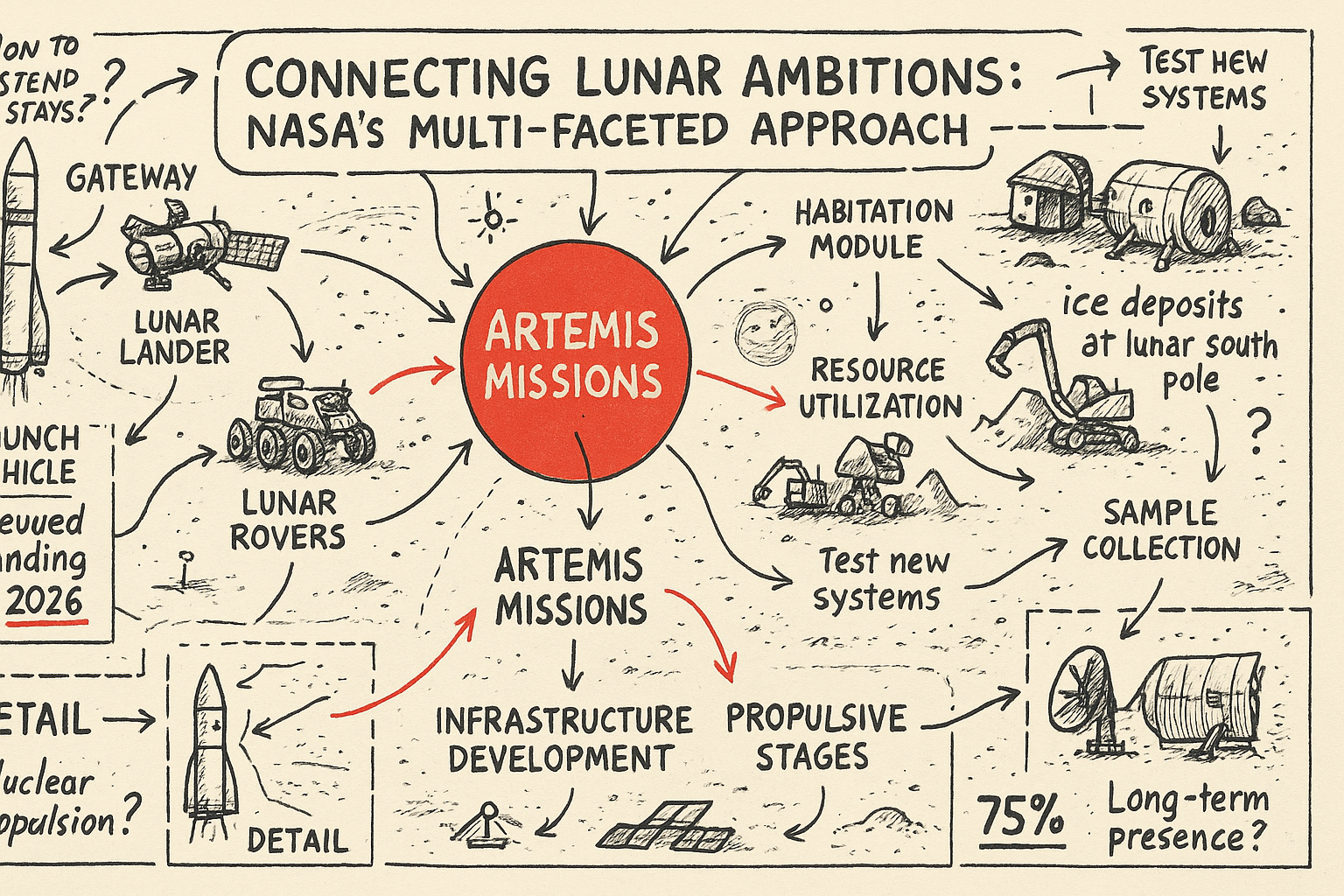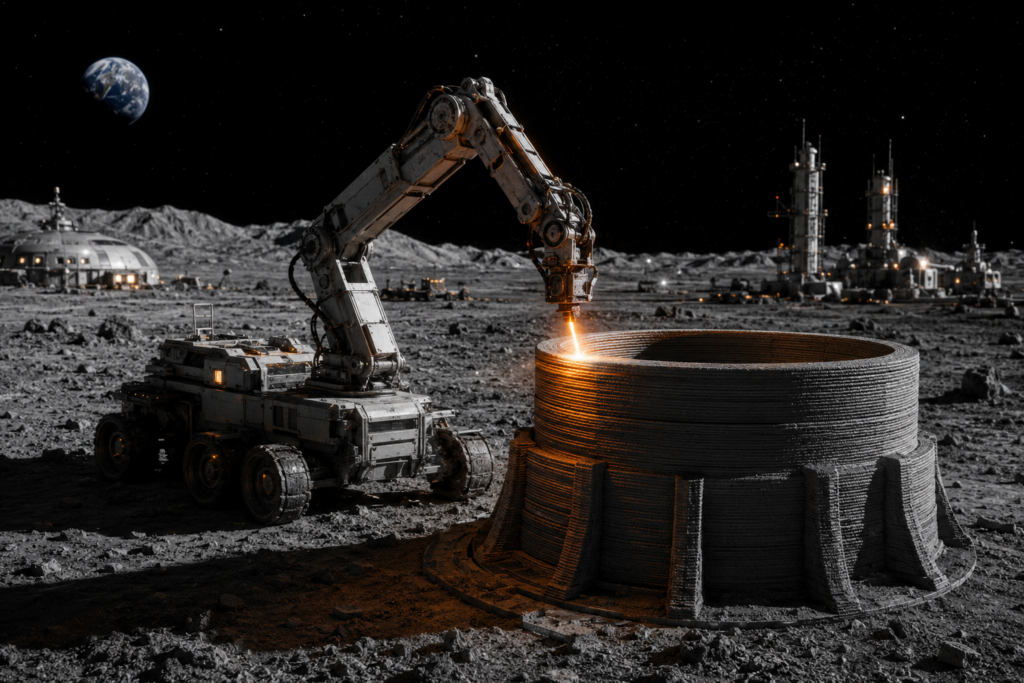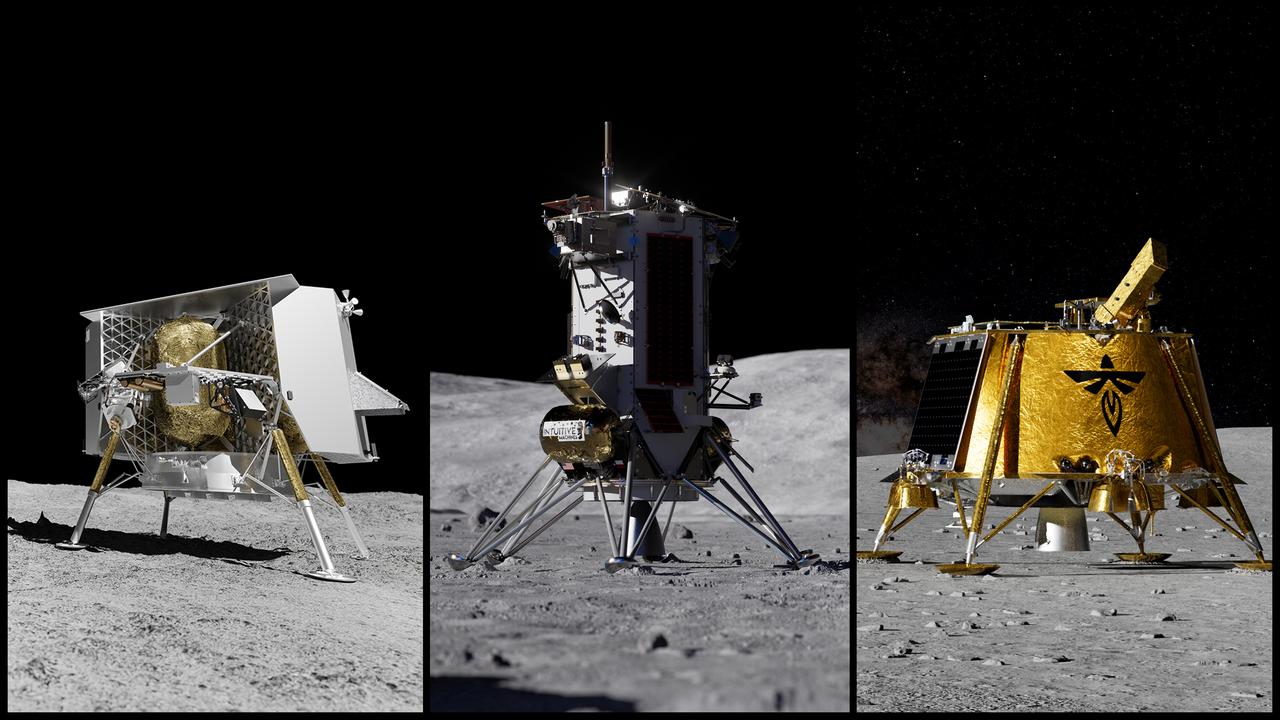
NASA has taken a significant step forward in its efforts to establish a permanent human presence on the Moon. At a recent event at NASA's Headquarters in Washington, the agency announced the awarding of new contracts for the development of lunar rovers for crew transportation and uncrewed cargo landers destined for the Moon. These developments are part of NASA's broader mission to create a sustainable Moon Base near the lunar South Pole.
The new contracts are crucial for the infrastructure needed to support both human and robotic exploration on the Moon. The lunar rovers will play an essential role in transporting astronauts across the rugged lunar terrain, allowing for more extensive exploration and scientific research. Meanwhile, the uncrewed cargo landers will be responsible for delivering necessary supplies, equipment, and scientific instruments to the lunar surface.
NASA leaders discussed the target launch timeframes for these missions, highlighting upcoming milestones that will mark the progress of the Moon Base project. These plans include both the construction of the base infrastructure and the exploration missions that will follow. The focus on the lunar South Pole is strategic, as the region is believed to have water ice deposits that could be crucial for sustaining future human missions.
The announcement underscores NASA’s commitment to international collaboration and commercial partnerships, which are considered pivotal in achieving the ambitious goal of a long-term human presence on the Moon. By engaging with both international space agencies and private companies, NASA aims to leverage a broad range of expertise and resources.
The Moon Base initiative is a key component of NASA's Artemis program, which seeks to land the first woman and the next man on the Moon. The program aims to use innovative technologies to explore more of the lunar surface than ever before, paving the way for future missions to Mars.
Although specific details about the contractors or the technical specifications of the rovers and landers were not disclosed in the announcement, the focus remains on ensuring that the technology is ready to support the complex logistics of establishing a Moon Base.
As NASA moves forward with these plans, the agency continues to engage with international partners and commercial entities, fostering a collaborative environment for space exploration. This approach not only enhances technological development but also ensures a sustainable and cost-effective pathway to achieving long-term exploration goals.