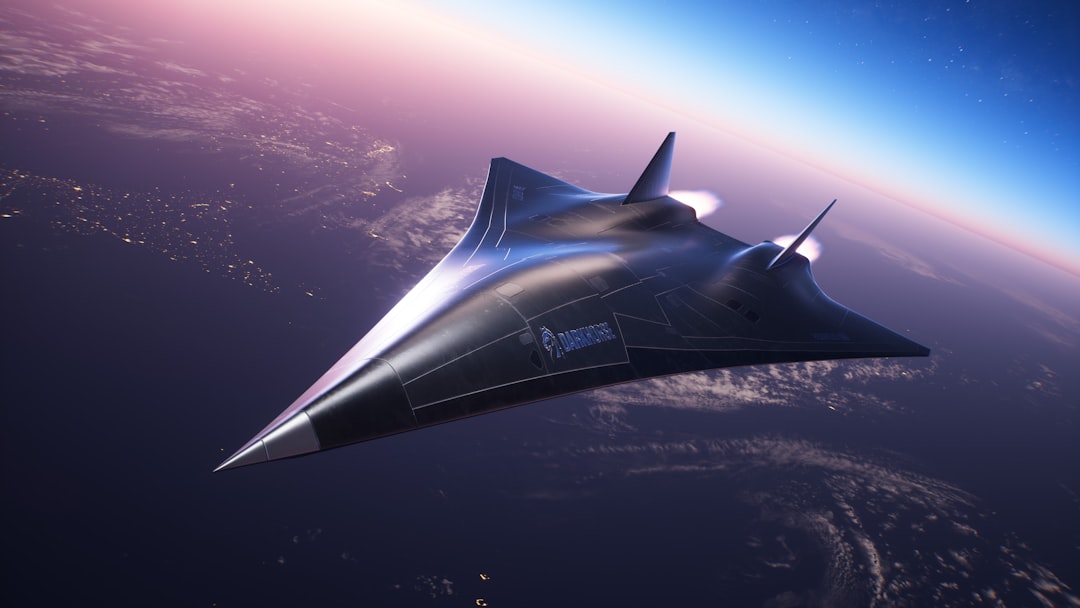
NASA's innovative X-59 aircraft is on the brink of a significant milestone in aerospace research as it prepares for a series of test flights that will include its first supersonic journey. This marks a pivotal step in NASA's ongoing efforts to revolutionize air travel by making supersonic flight over land a reality without the disruptive sonic booms.
The X-59, part of NASA's Quiet Supersonic Technology (QueSST) project, is designed to tackle the long-standing challenge of sonic booms—loud and often disruptive sounds generated when an aircraft exceeds the speed of sound. Traditionally, these booms have restricted supersonic flights to routes over oceans. The X-59 aims to demonstrate technology that reduces the noise to a barely audible 'thump', paving the way for future regulations that might allow supersonic travel over populated areas.
Currently stationed at NASA's Armstrong Flight Research Center, the X-59 is gearing up for a new phase of testing, which includes its first supersonic flight. According to NASA, these flights will be crucial in validating the aircraft's design and the sound-reducing technologies it incorporates. Such tests are essential for collecting data on the aircraft's performance and the resulting acoustic footprints.
The success of the X-59's mission is significant not just for NASA but also for the broader aerospace industry, which stands to gain from the potential opening of new markets and travel corridors. By proving that supersonic flight can be as quiet as subsonic flight, the X-59 could lead to a relaxation of current regulations that prohibit supersonic travel over land in many countries.
While the exact schedule of the test flights has not been disclosed, the progression to supersonic speeds will mark a major achievement for the QueSST project. The data gathered during these flights will help inform the development of commercial supersonic aircraft capable of quiet, overland operations—a prospect that could dramatically cut travel times across the globe.
As the X-59 edges closer to its historic flights, the aerospace community and aviation enthusiasts alike watch with keen interest. Success in these tests could redefine the future of air travel, making quieter, faster journeys an achievable goal.