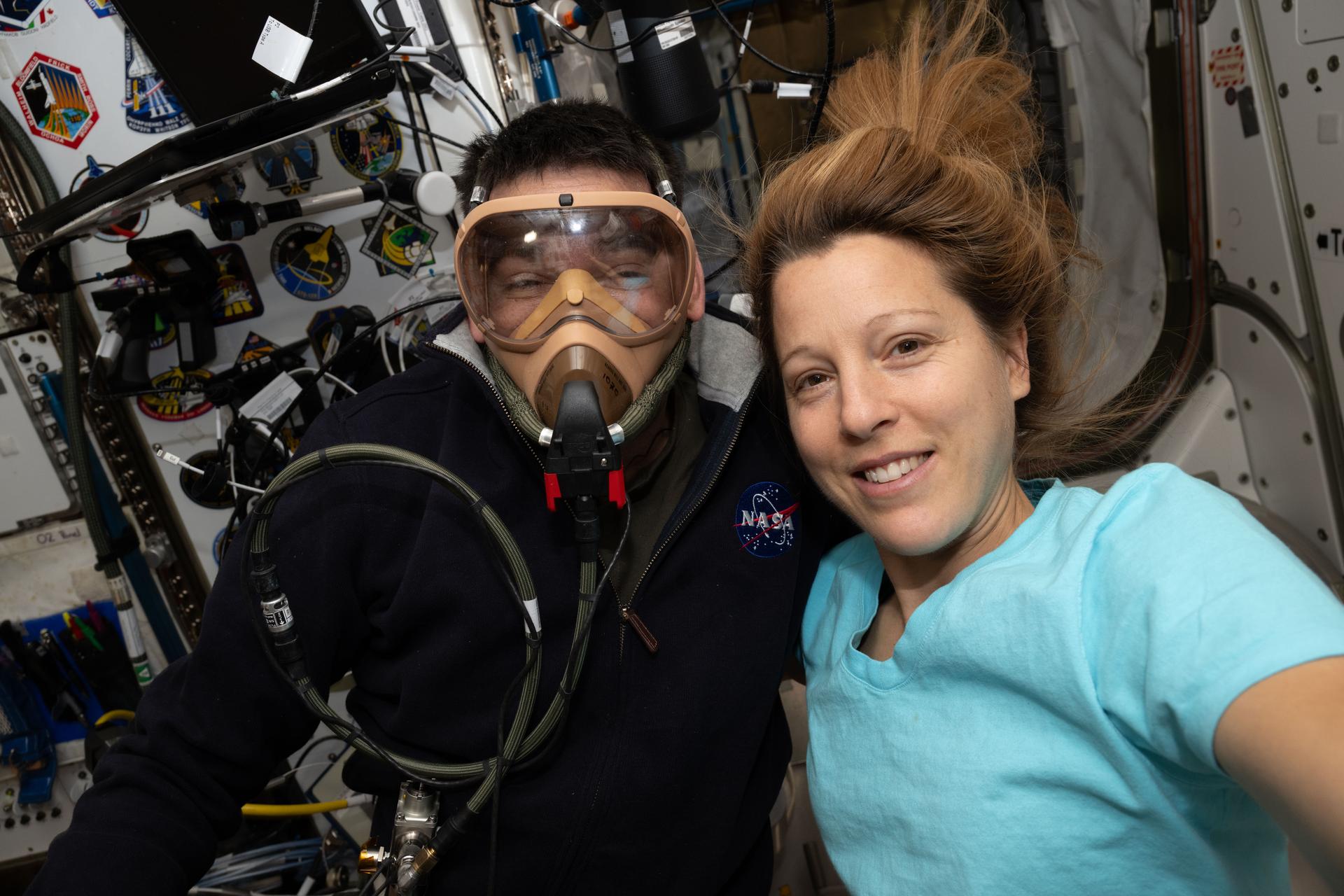
The International Space Station (ISS) remains a hub of intense activity as crew members prepare for upcoming spacewalks and undergo rigorous emergency training exercises. These activities are essential components of maintaining the safety and functionality of the orbiting laboratory, which, since its inception, has been a symbol of international cooperation and scientific exploration.
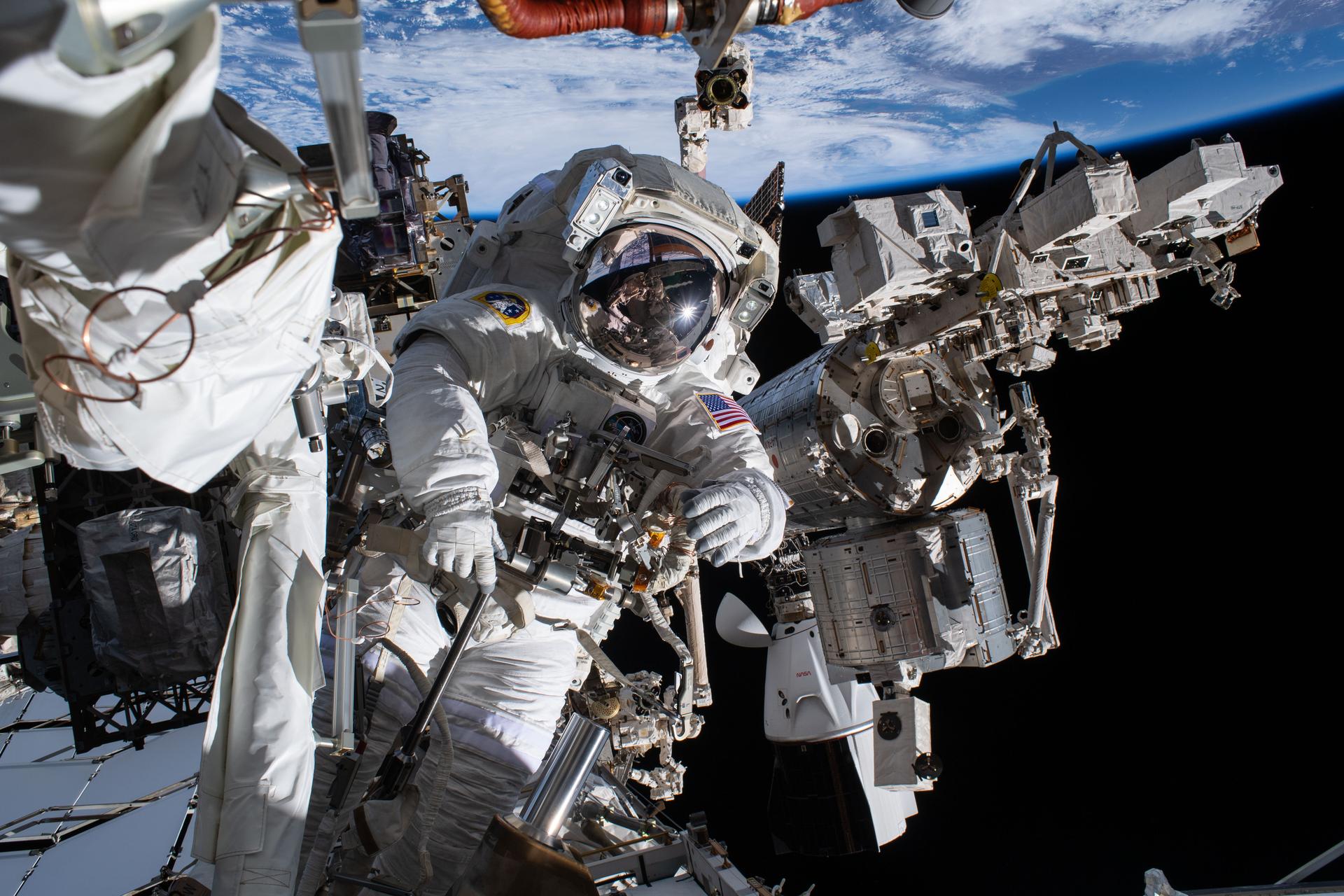
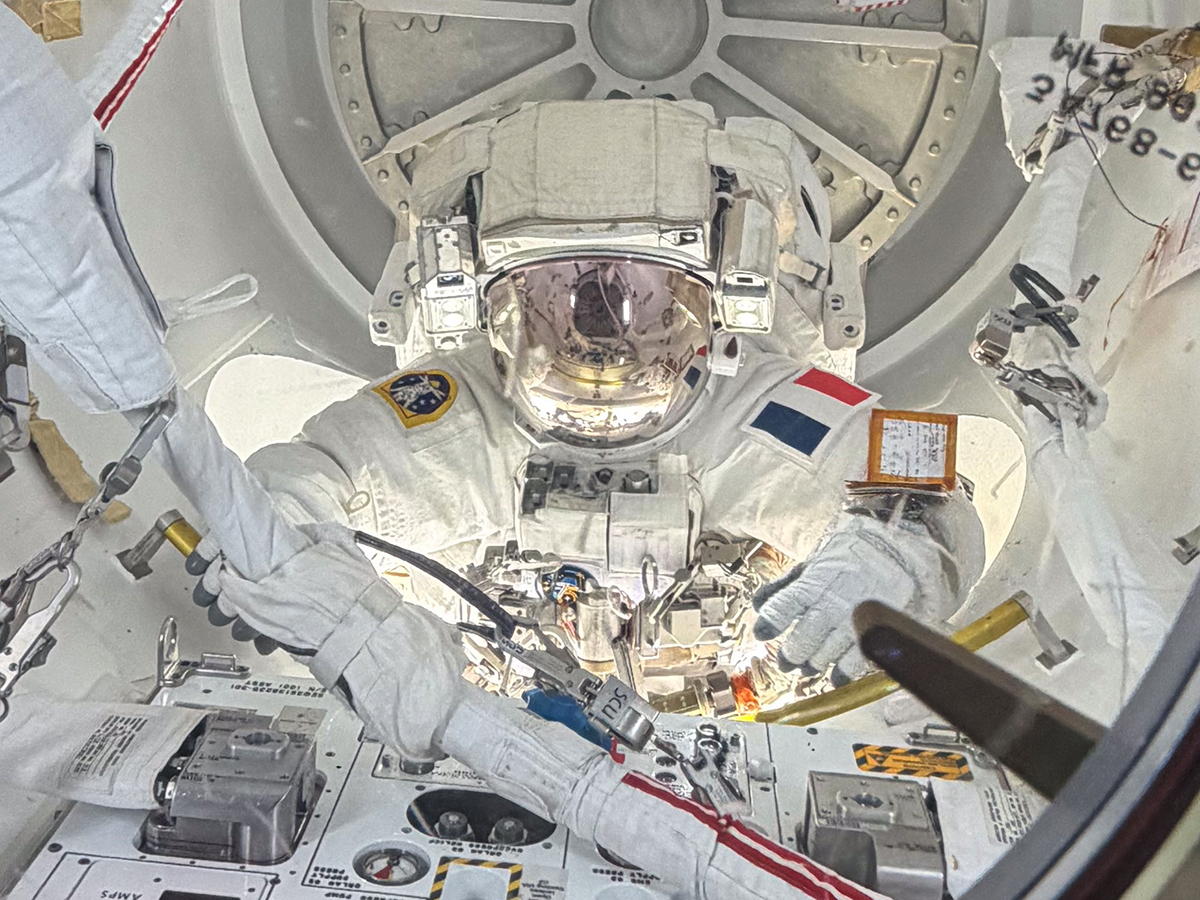
As of August 12, 2026, the ISS crew is actively engaged in a series of preparatory tasks for an upcoming spacewalk. Spacewalks, also known as extravehicular activities (EVAs), are critical operations that allow astronauts to conduct repairs, perform maintenance, and install new equipment outside the station. The success of these missions hinges on meticulous planning and practice, emphasizing the significance of the crew’s current preparations.
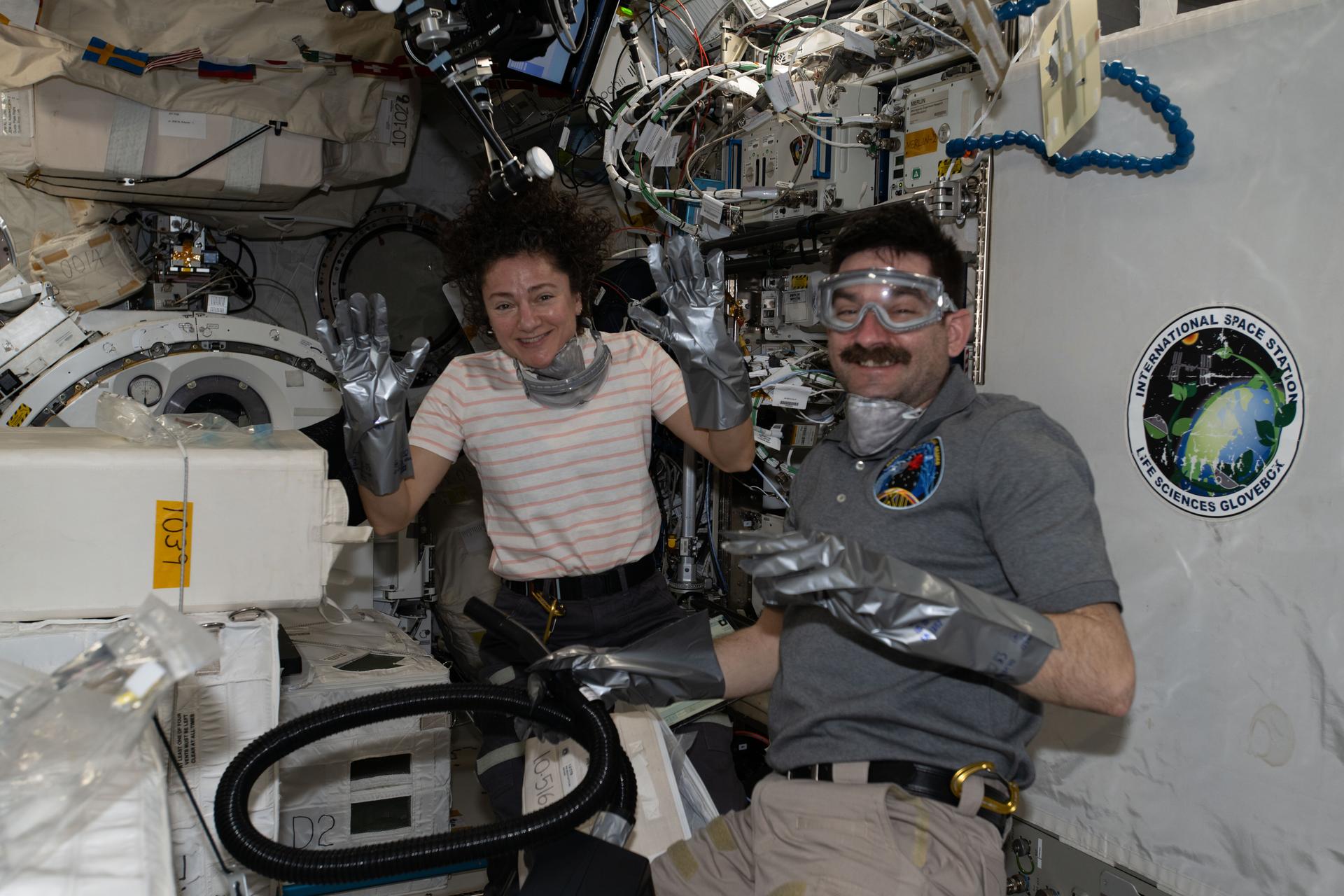
The spacewalk preparations are being complemented by emergency training sessions designed to equip astronauts with the necessary skills to handle unforeseen situations. Emergency scenarios in space demand a unique set of responses due to the microgravity environment and the absence of immediate external assistance. Therefore, astronauts undergo comprehensive training to ensure they can manage emergencies such as decompression events, fire outbreaks, or medical emergencies.
Such training is crucial given the potential hazards of living and working in space. The ISS, while engineered with multiple safety systems, requires its inhabitants to be well-versed in emergency protocols to mitigate risks effectively. This dual focus on spacewalk readiness and emergency preparedness underscores the multifaceted nature of astronaut training, which combines technical proficiency with crisis management skills.
The current preparations are part of NASA’s broader efforts to maintain the ISS as a pivotal platform for scientific research and technological advancements. The research conducted aboard the ISS spans various fields, including biology, physics, and materials science, and has profound implications for future space exploration missions. Notably, the knowledge gained from experiments on the ISS supports NASA’s long-term objectives of returning humans to the Moon and potentially sending crewed missions to Mars.
The ISS serves as a testbed for technologies and systems that will be crucial for deep space missions. For instance, the development of life support systems, radiation shielding, and autonomous robotic systems are all areas being explored on the station. These technologies will be integral to ensuring the safety and sustainability of future missions beyond low Earth orbit.
Historically, the ISS has been a cornerstone of international collaboration in space. It brings together space agencies from the United States, Russia, Europe, Japan, and Canada, among others, fostering a spirit of cooperation in pursuit of shared goals. As the station approaches the end of its third decade in operation, discussions about its future continue, with plans to extend its operational life and maximize its scientific output.
Looking ahead, the skills and experiences gained from current ISS missions will contribute to the success of NASA’s Artemis program, which aims to establish a sustainable human presence on the Moon. The program is pivotal in laying the groundwork for human exploration of Mars, with the ISS playing a critical role in preparing astronauts for the challenges of long-duration space travel.
In conclusion, the ongoing preparations for spacewalks and emergency training on the ISS highlight the dynamic and challenging environment of space exploration. These efforts not only ensure the immediate safety and success of ISS missions but also contribute to the broader vision of humanity’s future in space. As we look to the stars, the ISS continues to be a beacon of scientific discovery and international unity.