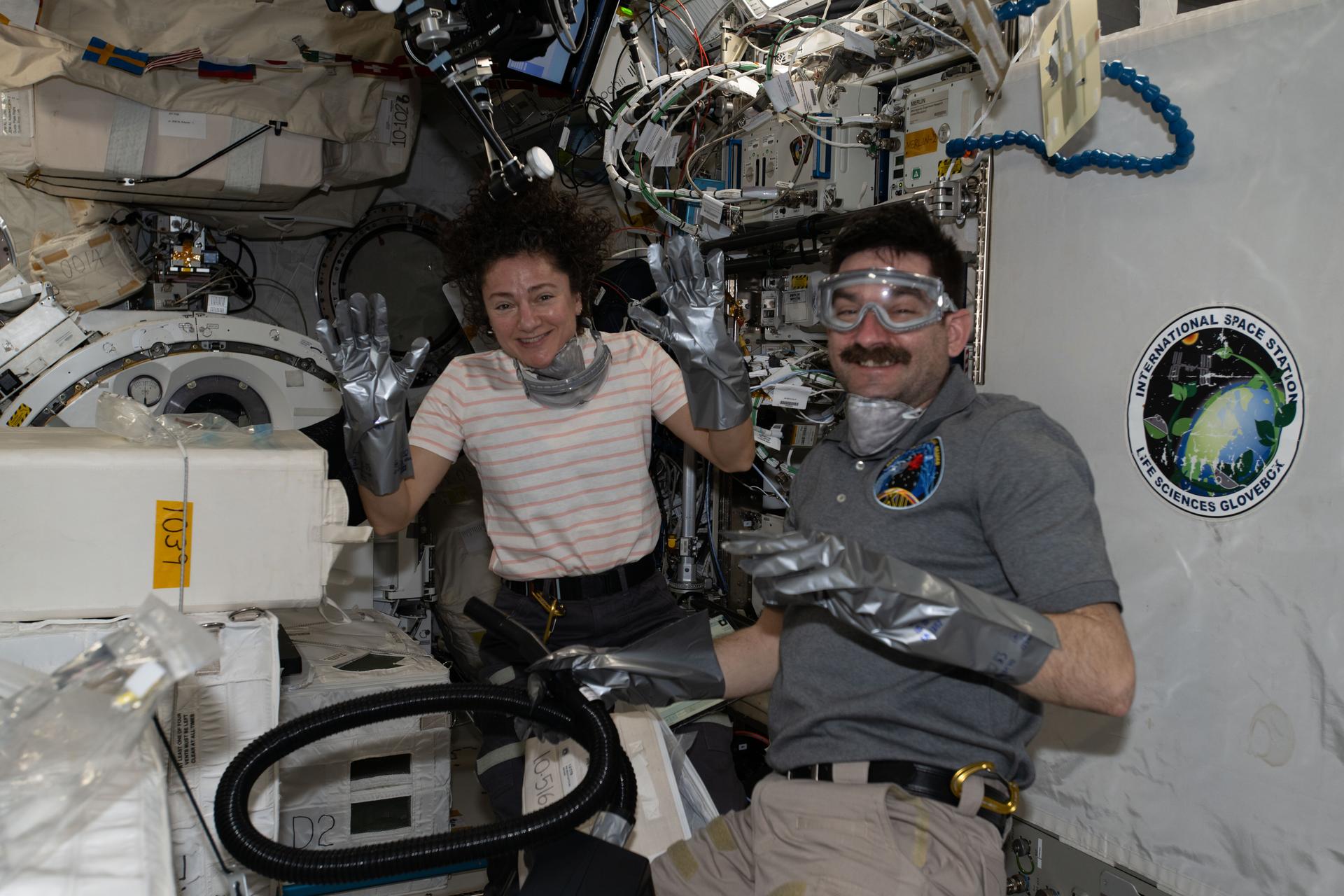
The International Space Station (ISS) remains a hub of scientific activity and logistical operations as the Expedition 74 crew prepares for multiple key events. This week, the focus is on both the safe return of scientific materials to Earth and the preparation for a critical spacewalk. These activities highlight the ongoing commitment to advancing scientific knowledge and ensuring the maintenance of the ISS's operational capabilities.
On Monday, the crew members of Expedition 74 engaged in detailed preparations for the departure of a U.S. cargo spacecraft, slated for Tuesday. The spacecraft is being loaded with sensitive scientific experiments and laboratory hardware, marking another phase in the continuous cycle of research and resupply that characterizes the ISS's operations. These experiments, upon their return to Earth, are expected to offer valuable insights, potentially contributing to advancements in various scientific fields.
While the logistics of returning critical research materials safely to Earth is a complex task, it is a routine part of the ISS's operations. The return of these experiments allows scientists on Earth to analyze data that has been collected in the unique microgravity environment of space, which can lead to breakthroughs in understanding biological and physical processes.
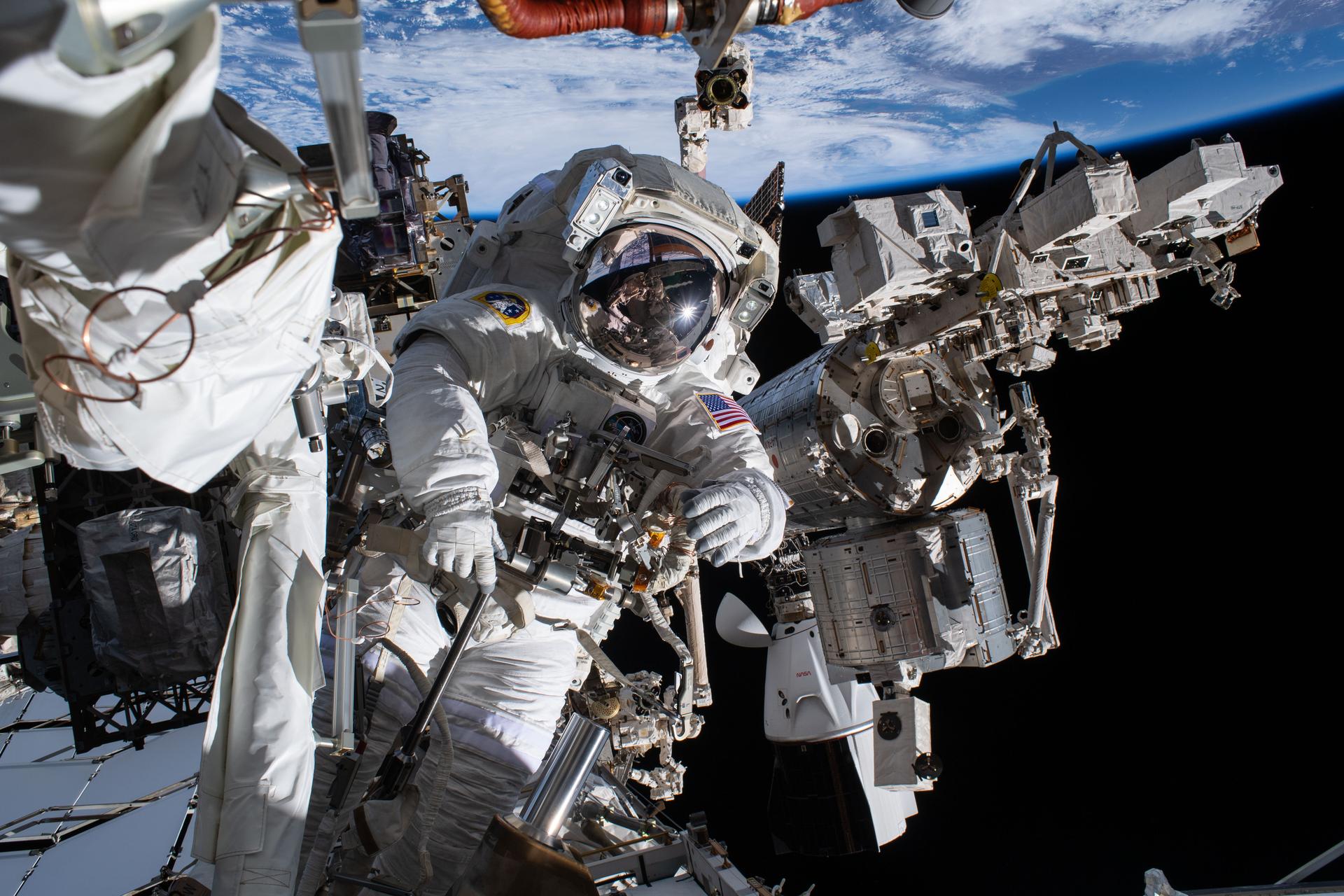
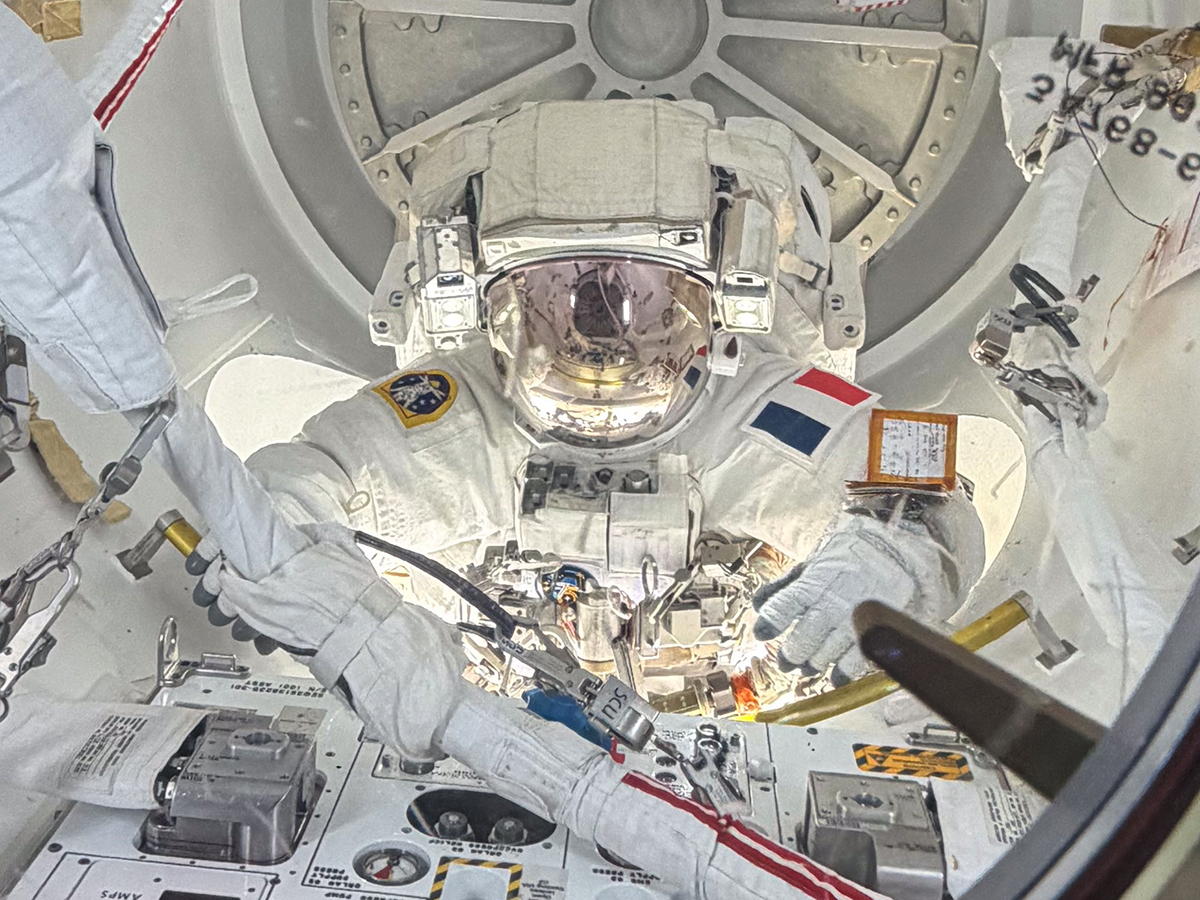
In addition to the cargo preparations, the crew is also configuring tools and systems for an upcoming spacewalk. Spacewalks, or extravehicular activities (EVAs), are essential for the maintenance and upgrade of the ISS. They allow astronauts to work outside the station, performing tasks that cannot be done remotely or automatically. The success of these spacewalks ensures that the ISS remains a vital platform for scientific research and international cooperation in space exploration.
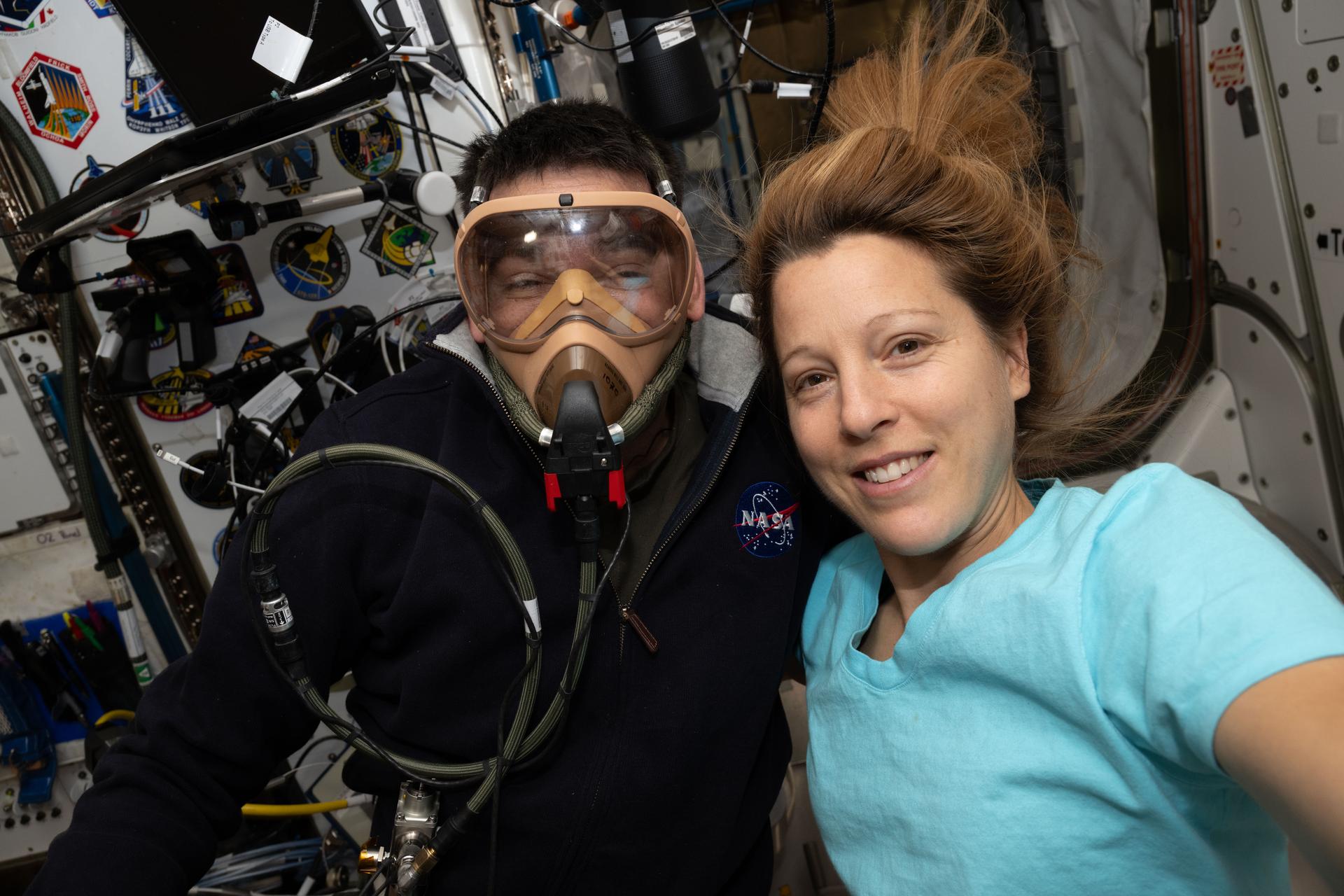
Meanwhile, aboard the station, the crew is also actively engaged in a series of cardiac research activities. This research aims to deepen our understanding of how the human heart adapts to conditions in space, a critical area of study given the cardiovascular challenges posed by long-duration spaceflight. The findings from these studies are not only crucial for the health and safety of astronauts but also have the potential to inform medical practices on Earth, particularly concerning heart health and disease prevention.
The studies conducted on the ISS benefit from the unique environment of microgravity, which provides a perspective that is impossible to replicate on Earth. This environment allows researchers to observe phenomena such as fluid shifts and changes in muscle mass and function, which can provide new insights into cardiovascular function and health.
The activities of Expedition 74 underscore the multifaceted nature of the ISS's mission. It serves as a laboratory, an observatory, and a factory in space where international teams collaborate to push the boundaries of what is possible in space science and exploration. Each new experiment and procedure contributes to our understanding of life in space and on Earth, advancing both scientific knowledge and the technology required for future exploration missions.
As the ISS continues to operate, the work being done by the Expedition 74 crew exemplifies the ongoing international effort to maintain and expand our presence in space. Through their efforts, we gain not only a deeper understanding of the cosmos but also insights that can improve life on our home planet.