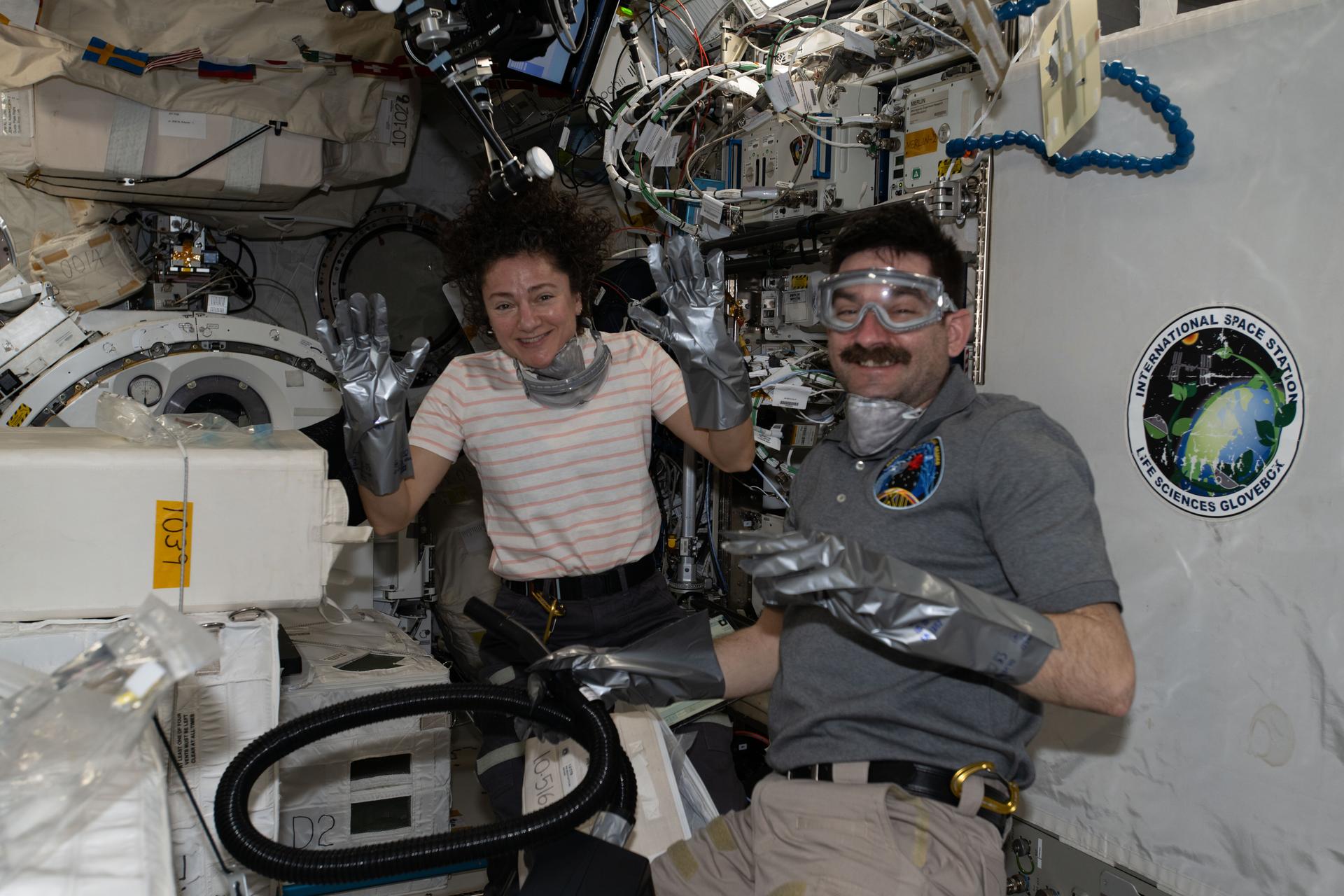
As the International Space Station (ISS) continues to serve as a microgravity laboratory orbiting Earth, its crew members are engaged in a diverse range of activities that balance scientific research, routine maintenance, and personal time for relaxation. Recent reports from NASA highlight these multifaceted operations onboard the station.
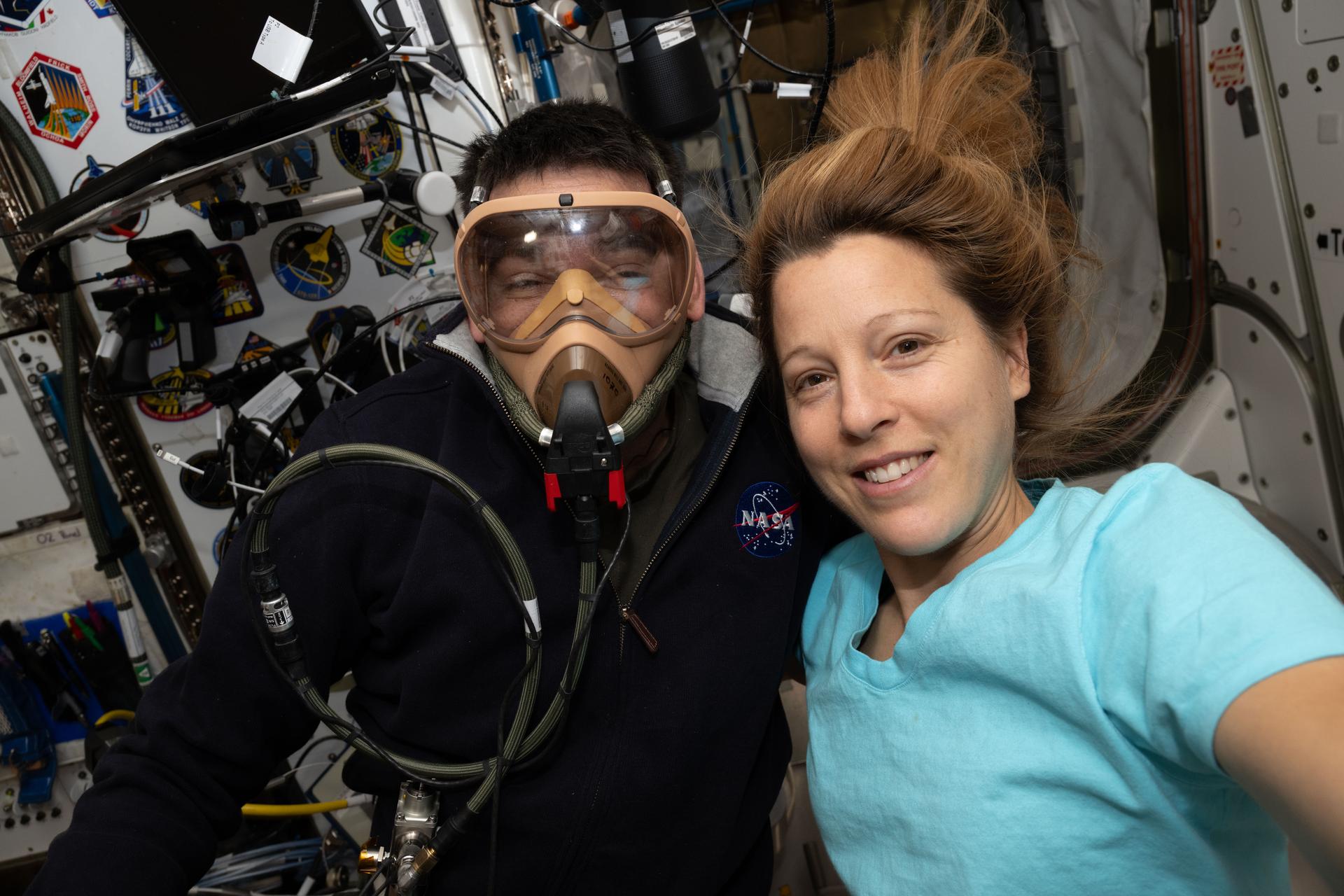
One of the core focuses of the current mission involves various health checks and scientific experiments crucial for understanding the effects of microgravity on human health. These include cardiac research, which is a central part of ongoing studies. The crew's schedule includes blood pressure and heart rate monitoring to gather data that could illuminate the long-term impacts of space travel on cardiovascular health.
In addition to health-related research, the crew is also engaged in the maintenance of CubeSats. These small, modular satellites are an increasingly vital tool in space exploration, offering cost-effective means to conduct a myriad of scientific experiments. The maintenance tasks ensure that these units continue to function optimally, contributing valuable data back to Earth.
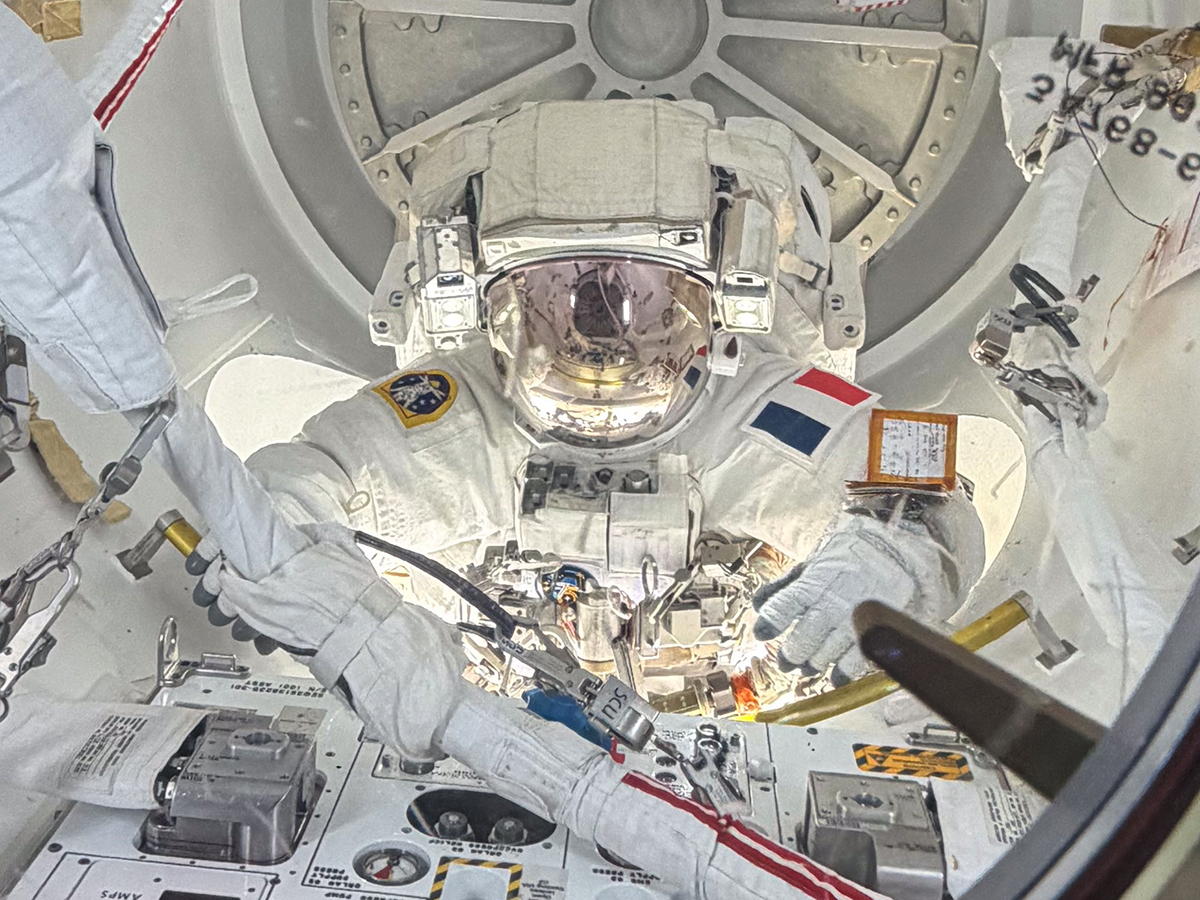
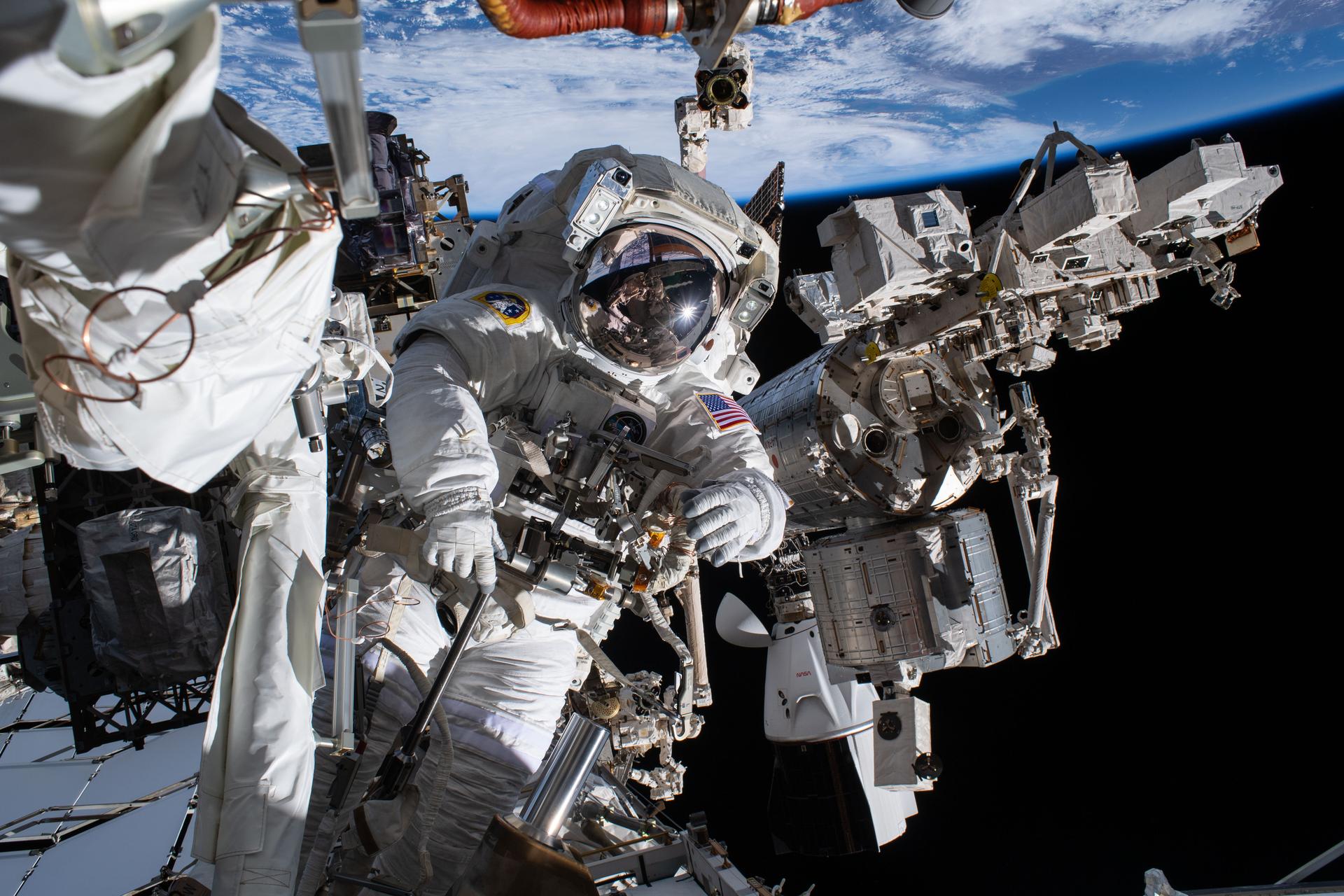
Another critical aspect of the crew's activities involves preparing for upcoming spacewalks. These excursions are essential for the maintenance and repair of the station's external components. Scheduled for next week, a robotics repair spacewalk is at the forefront of the crew's agenda, necessitating extensive preparation. This preparation includes spacesuit work and familiarization with the tasks to be performed outside the station.
In tandem with these activities, the crew performed checks on the Soyuz spacecraft seats. These seats are crucial for the safe return of crew members to Earth, and regular inspections ensure they are in optimal condition for any eventualities, including emergency evacuations.
While the crew maintains a rigorous schedule, NASA ensures that personal time is not overlooked. Recent reports indicate that four members of the Expedition 74 team enjoyed a well-deserved off-duty day, providing them the opportunity to relax and recharge. This balance of work and rest is vital for the crew's well-being, enhancing their performance in the demanding environment of space.
These diverse activities highlight the complex nature of life aboard the ISS, where scientific research, technical maintenance, and personal health are intertwined. The ongoing cardiac and cartilage studies not only aim to benefit future space missions but also have implications for medical advancements on Earth. Understanding the impact of microgravity on human physiology could lead to breakthroughs in treating various health conditions.
Looking ahead, the culmination of these efforts contributes to the broader goals of space exploration. As NASA continues its partnerships under the Commercial Crew Program, with companies like Boeing and SpaceX, the insights gained from ISS missions will inform future endeavors, such as lunar exploration under the Artemis program and eventual missions to Mars.
The work being conducted on the ISS underscores the collaborative spirit of international space efforts. Each task, whether it's a routine health check or a complex spacewalk, plays a role in humanity's quest to explore and understand our universe.