On May 26, 2026, NASA released a critical update regarding the orbital status of the Neil Gehrels Swift Observatory, marking a significant preparatory step ahead of what will be a historic first in space operations — an orbital elevation mission for a scientific satellite.
A Pioneer in Gamma-Ray Burst Science
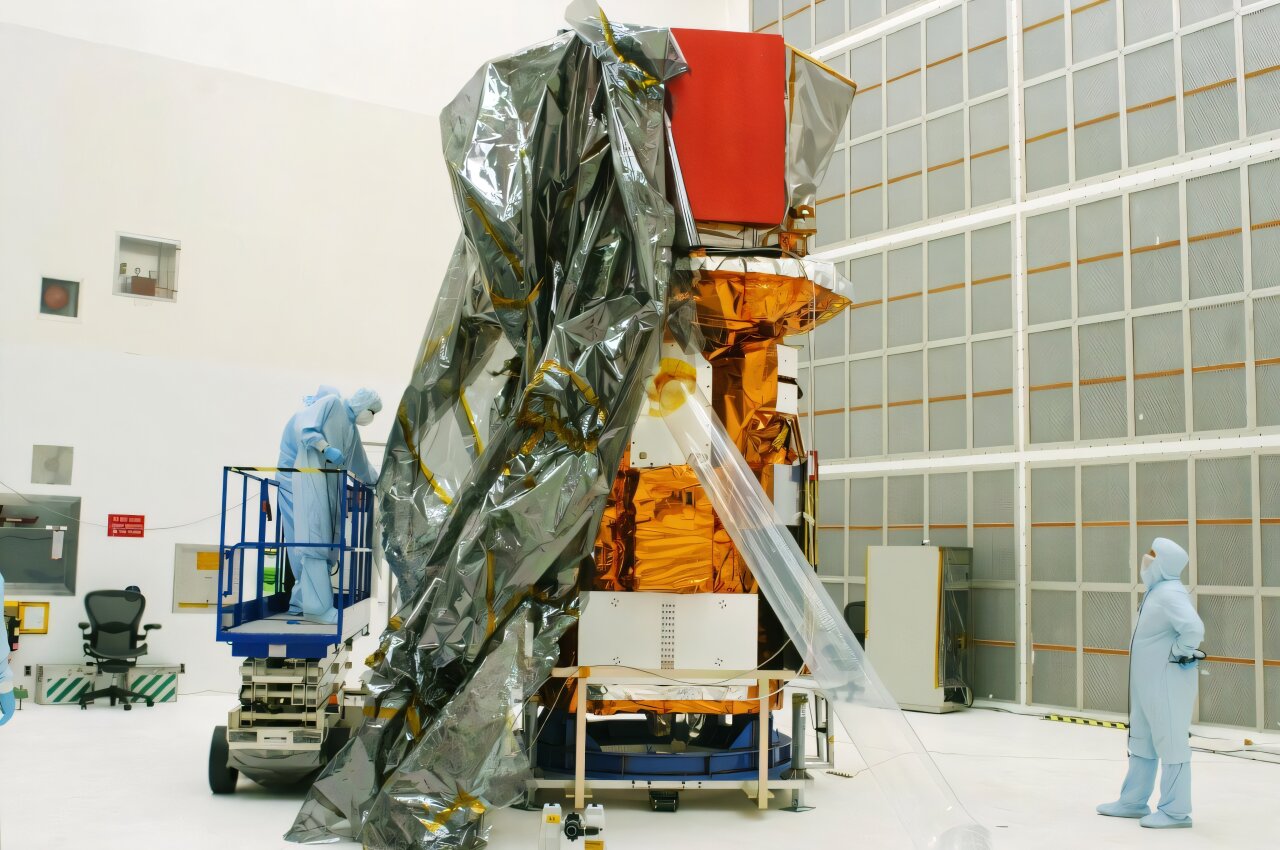
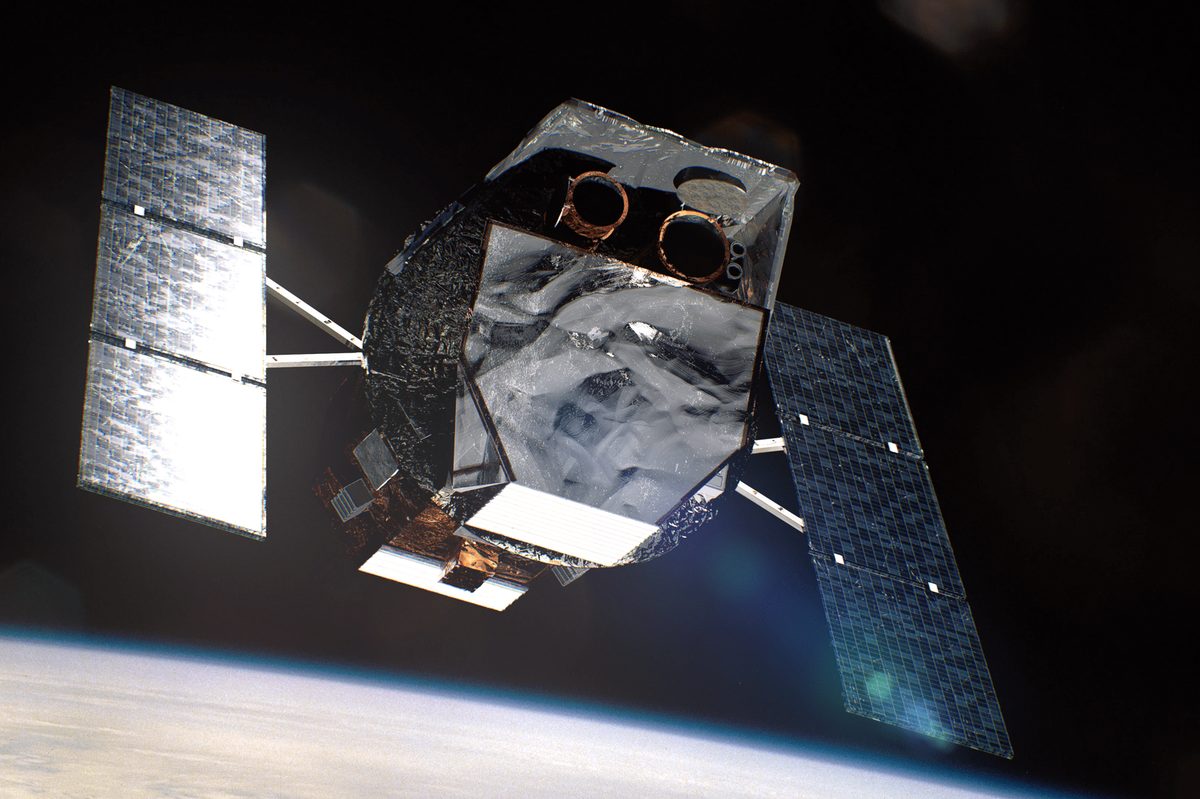
Since its launch in 2004, the Neil Gehrels Swift Observatory has been one of NASA's most productive and enduring scientific instruments. Designed primarily to observe gamma-ray bursts — among the most energetic and violent explosions in the known universe — Swift has delivered real-time data to researchers around the globe for more than two decades. Its contributions to astrophysics have been immense, helping scientists better understand the origins and mechanics of these extreme cosmic events, as well as a wide range of other high-energy phenomena.
The observatory is the result of a broad collaborative effort, bringing together NASA's Goddard Space Flight Center in Greenbelt, Maryland; Penn State University in University Park; the Los Alamos National Laboratory in New Mexico; and Northrop Grumman Innovation Systems in Dulles, Virginia. This partnership has underpinned Swift's long operational success and continues to guide efforts to preserve its future.
The Challenge of Orbital Decay
Like all spacecraft operating in low Earth orbit, Swift is subject to a gradual but relentless process of orbital decay. Atmospheric drag — even at the thin upper reaches of Earth's atmosphere — slowly reduces the satellite's altitude over time. Left uncorrected, this process would eventually lead to atmospheric re-entry and the loss of the observatory entirely.
The problem has been significantly compounded in recent years by the intense solar activity associated with the 2024 solar maximum. Heightened solar activity causes Earth's upper atmosphere to expand, increasing drag on low-orbiting satellites. Throughout 2025, several predictive models suggested that Swift could face atmospheric re-entry as early as the summer of 2026, raising urgent concerns about the observatory's survival.
In response, the Swift mission team took proactive steps to slow the decay. Engineers modified the way the satellite is oriented in space to minimize atmospheric drag as much as possible. These operational adjustments have already produced measurable results, slowing the rate of orbital decay and improving the overall outlook for the observatory's near-term future.
NASA's Latest Orbital Predictions
The updated orbital predictions, continuously refined by specialists at the Goddard Space Flight Center, draw on a combination of orbital tracking data from the U.S. Space Force, solar activity information, and operational details provided by the Swift mission team. The goal is to forecast, with as much precision as possible, how Swift's altitude will evolve over the coming months.
According to the latest projections, Swift is now expected to remain above the critical threshold of 300 kilometers at least until the beginning of autumn 2026. This revised timeline is an improvement over earlier, more pessimistic forecasts and provides a wider window for the planned rescue mission to reach the observatory.
Michael Shoemaker, deputy chief of flight dynamics for NASA science missions, has noted that these predictions are inherently dynamic, changing as new data on space weather and satellite orientation become available. Every operational adjustment made by the Swift team is modeled and simulated to determine how much additional time it can buy for the mission.
Enter LINK: The Mission to Save Swift
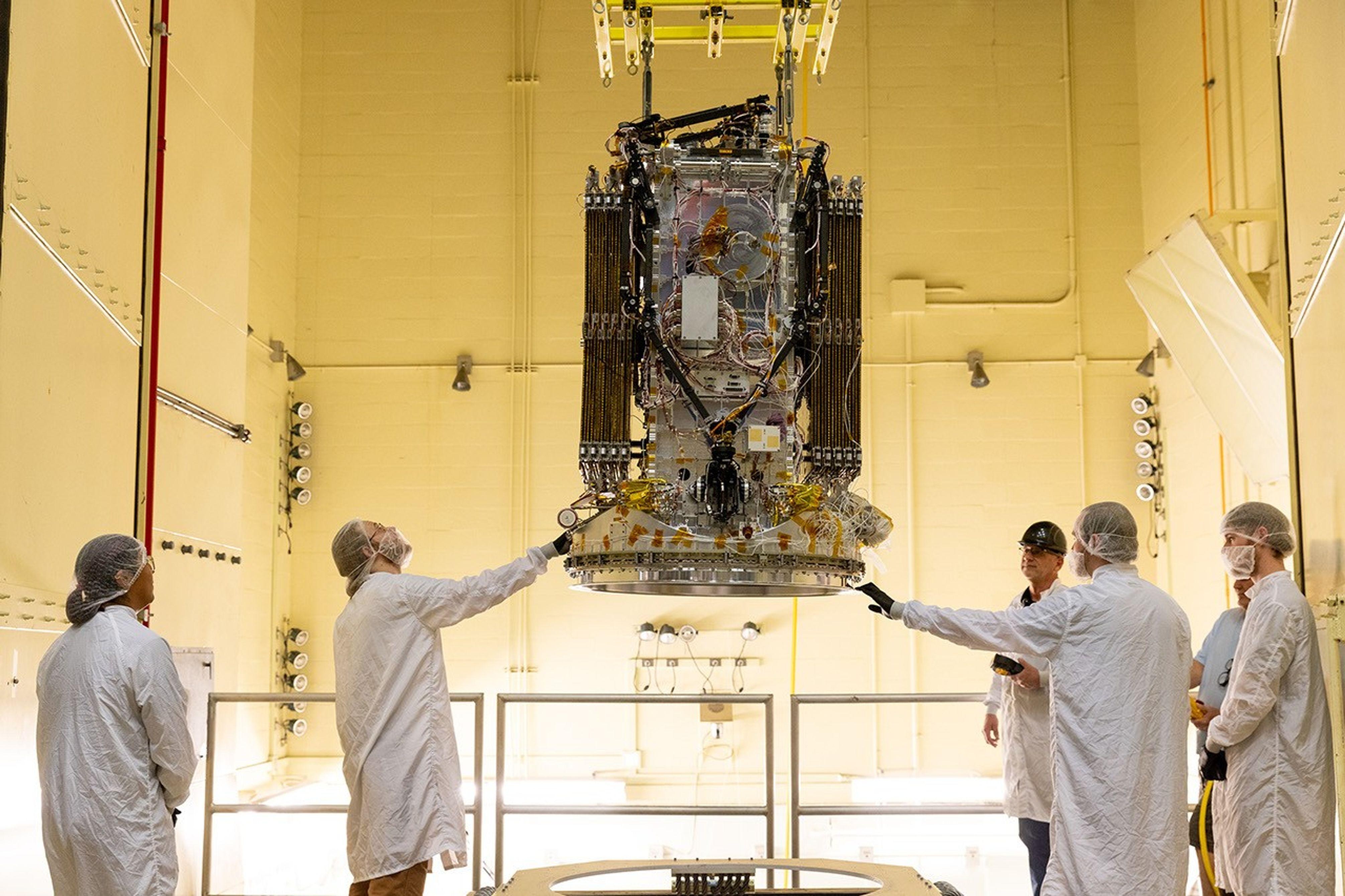
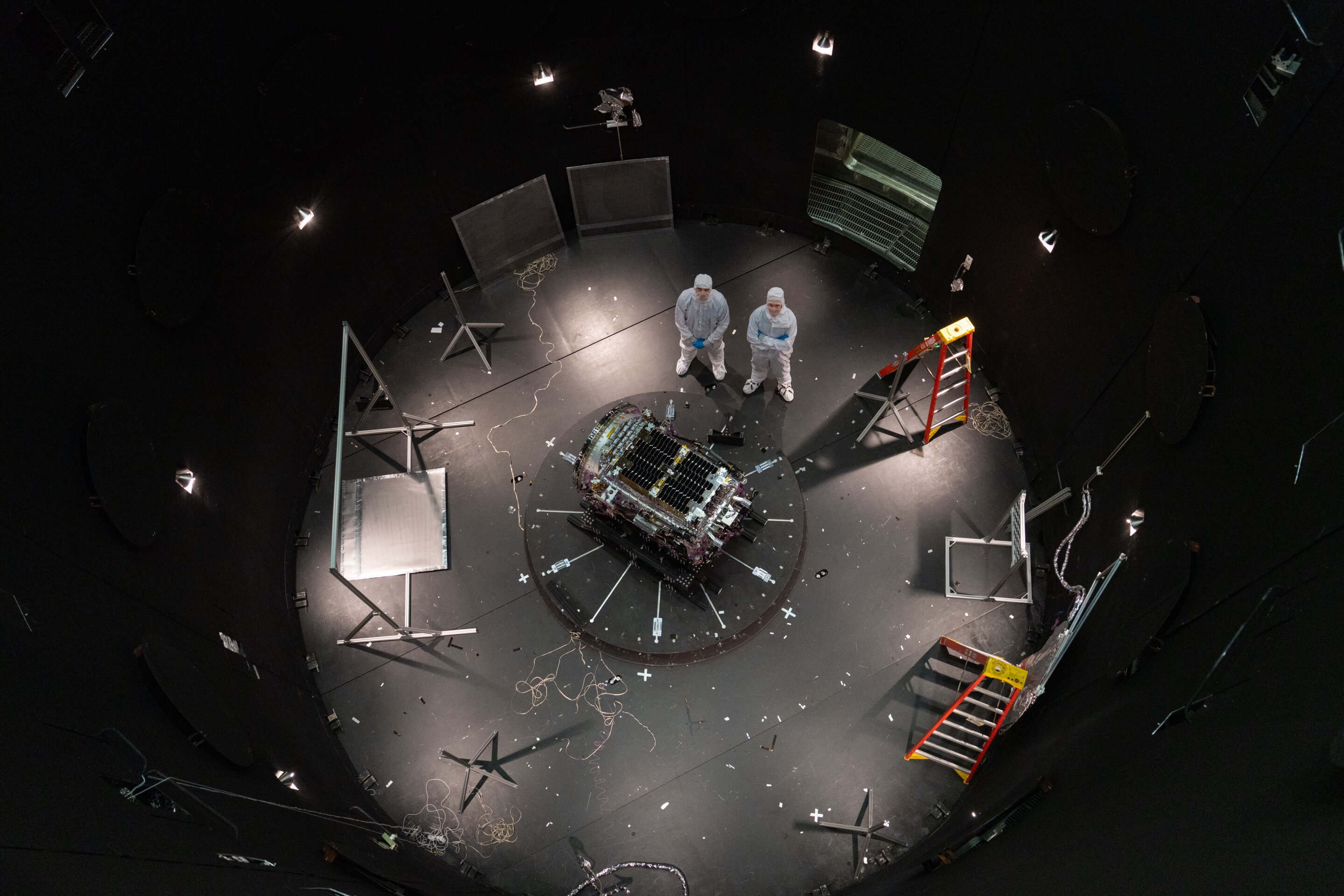
To address Swift's orbital decline, NASA awarded a contract to Katalyst Space to develop an orbital servicing mission capable of boosting the telescope's orbit. The mission, carried out by a vehicle called LINK, is currently being prepared for launch. Once it reaches Swift, LINK will perform a reboost maneuver designed to raise the observatory's orbit and significantly extend its operational lifespan.
This mission is not just about saving one telescope. It represents the first-ever orbital elevation mission for a scientific satellite, making it a landmark demonstration of in-space servicing technology. Success would prove that aging but scientifically valuable spacecraft can be rescued and extended through targeted servicing missions — a capability with profound implications for the future of space science and satellite operations more broadly.
What Comes Next
With the improved orbital forecasts now providing a more comfortable timeline, the LINK mission team has additional preparation time to ensure a safe and successful rendezvous with Swift. The scientific community is watching closely, aware that the outcome of this mission could shape how space agencies and commercial operators approach the long-term management of orbital assets for years to come. In the meantime, Swift continues its scientific work, observing the high-energy universe even as teams on the ground work tirelessly to secure its future.
Stay up to date with the latest space news at NovA mAInd.