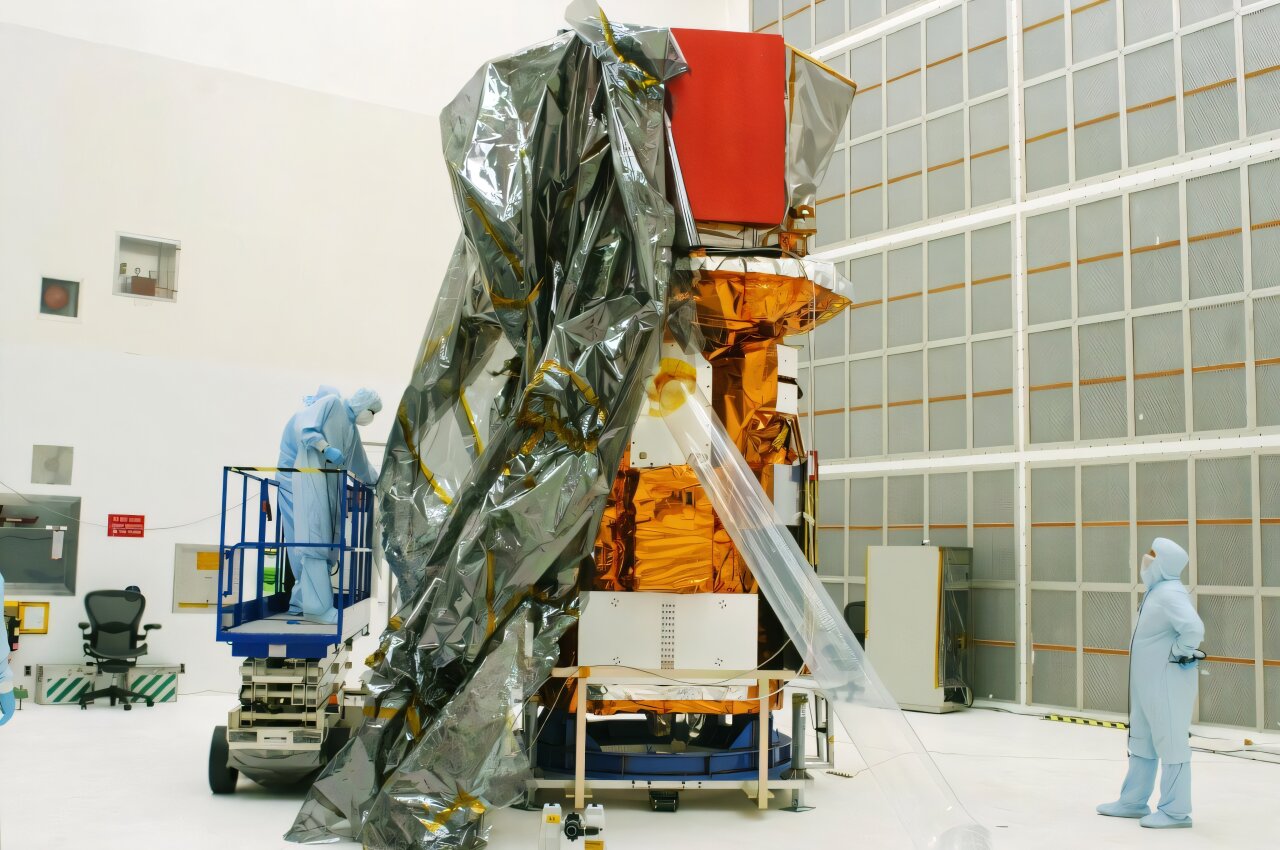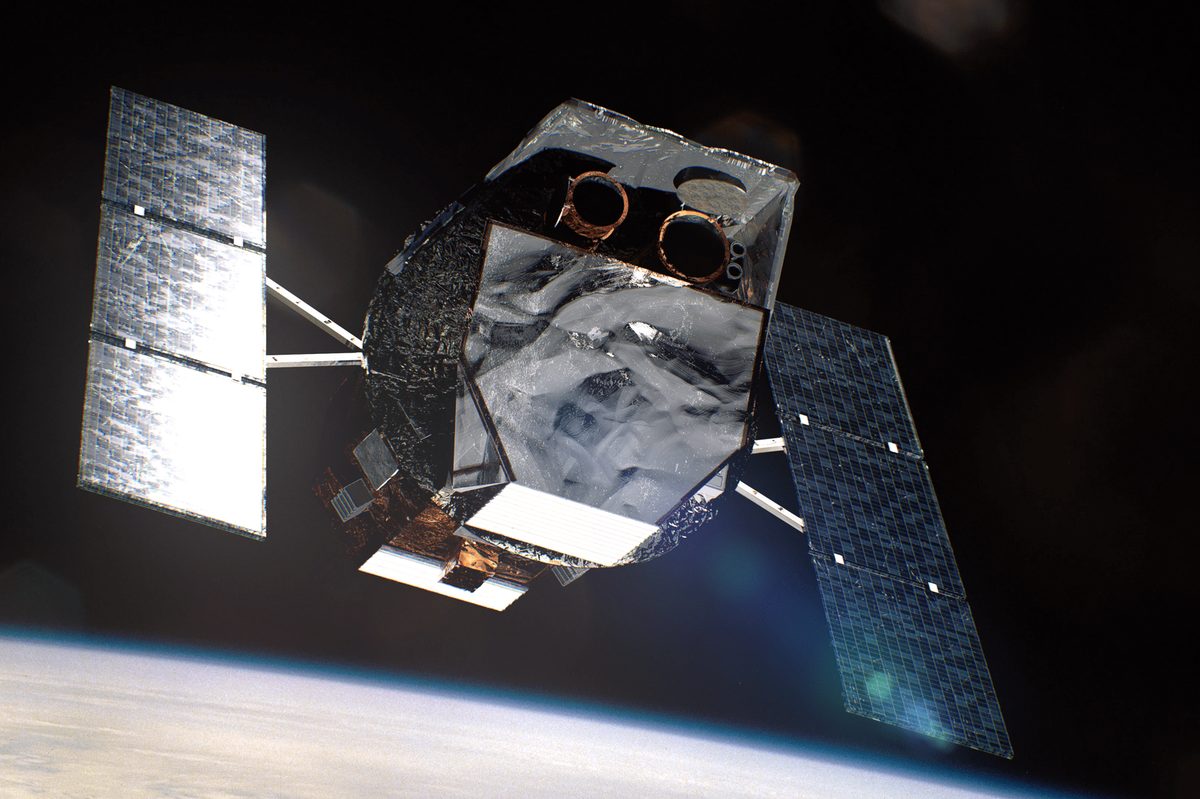
NASA is preparing to launch an unprecedented mission that aims to prolong the life of the Neil Gehrels Swift Observatory, a critical piece of the agency's astronomical fleet. This daring rescue is set to utilize a robotic servicing mission, marking a significant milestone in space operations.
The Swift Observatory, launched in 2004, has been pivotal in capturing images across visible, ultraviolet, X-ray, and gamma-ray wavelengths. Among its notable achievements is the creation of the highest-resolution ultraviolet mosaic of the Andromeda galaxy, spanning a region 200,000 light-years wide and 100,000 light-years high.
However, the observatory's future hangs in the balance. Positioned in low-Earth orbit, Swift has been steadily descending due to atmospheric drag, a common issue for satellites lacking propulsion systems. This descent has been exacerbated by recent intense solar activity, pushing the telescope toward a perilous re-entry into Earth's atmosphere.
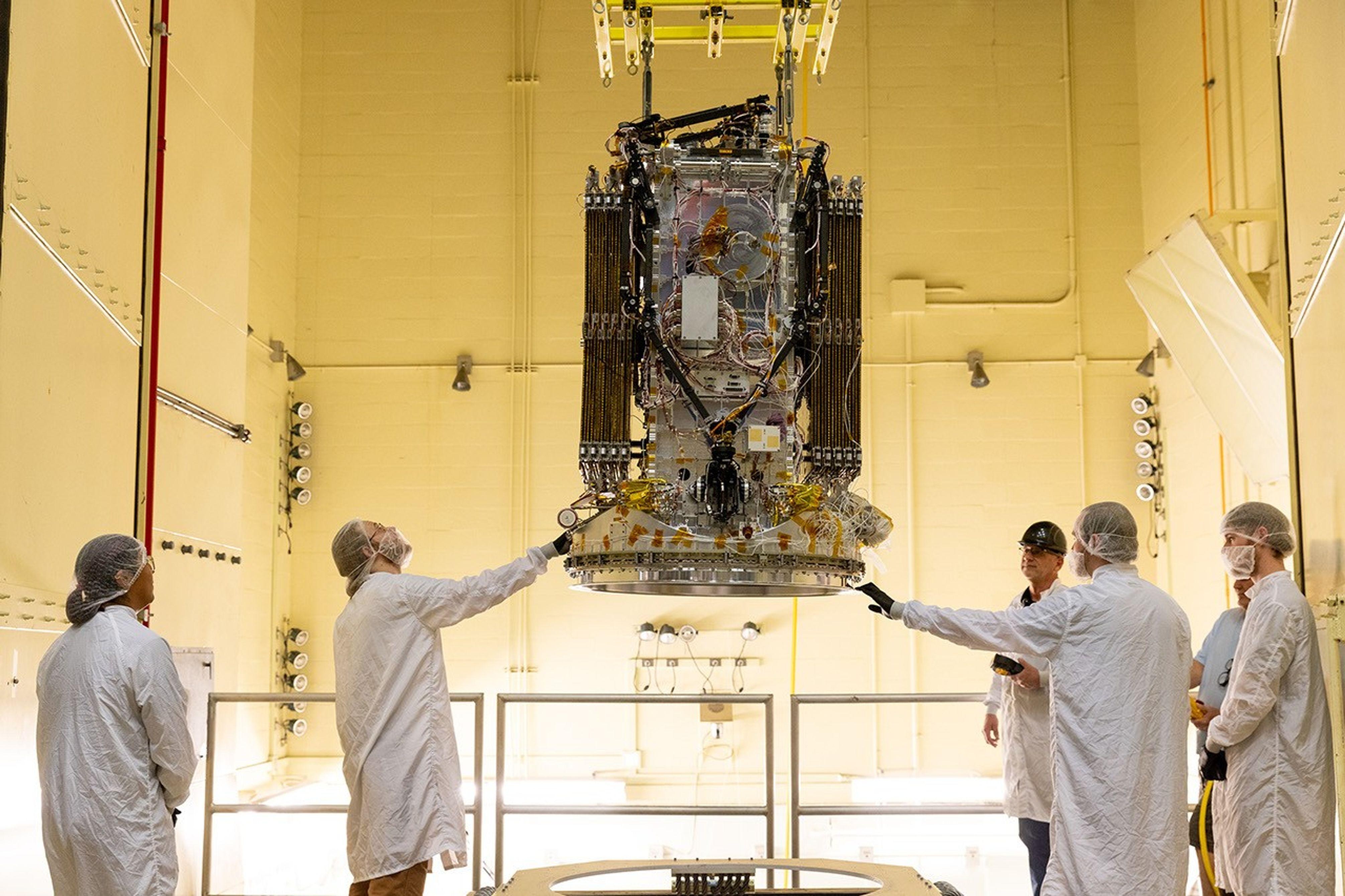
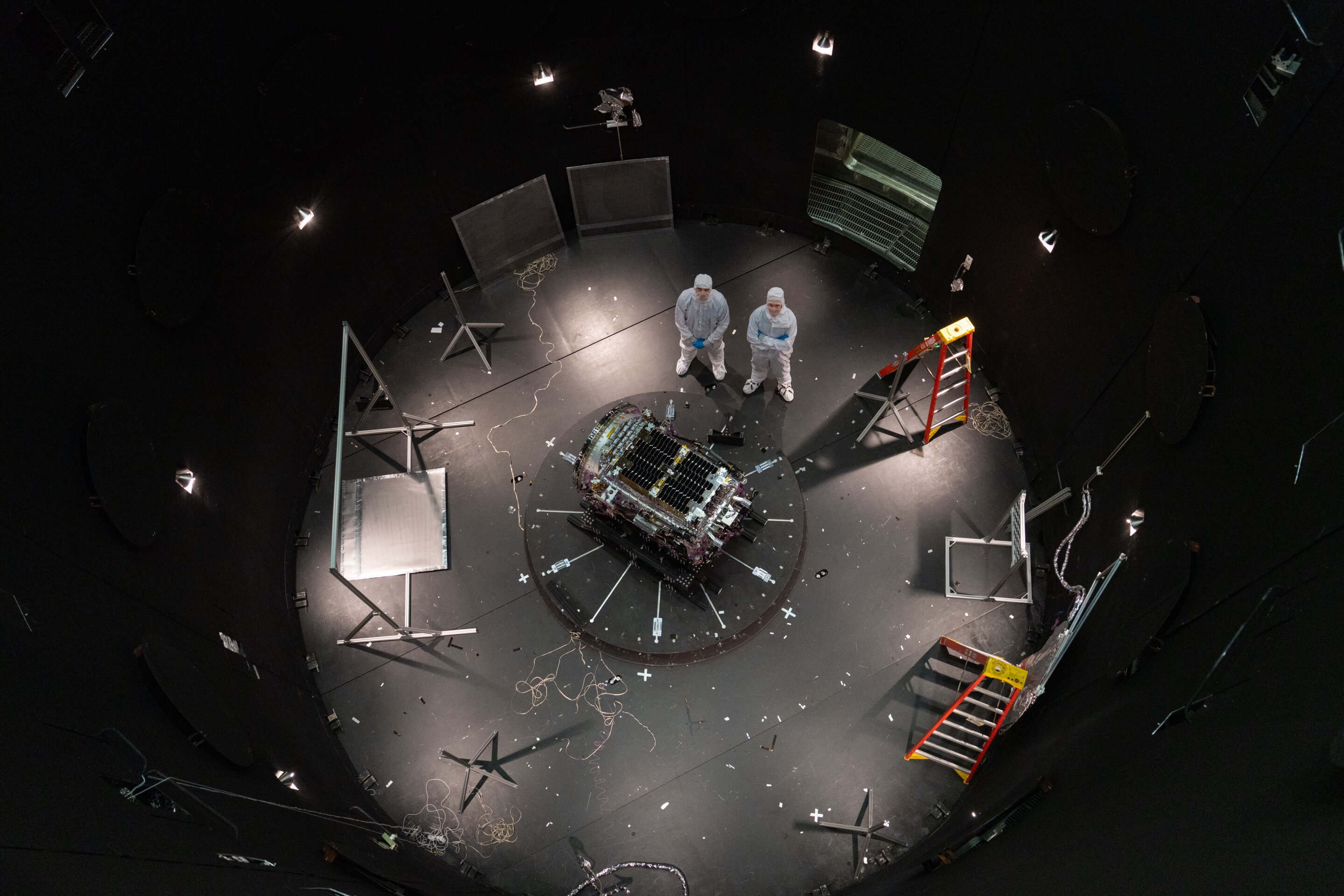
In response, NASA has contracted Katalyst Space to execute a mission that aims to boost Swift into a more stable orbit. Ghonhee Lee, CEO of Katalyst Space, highlighted the unique nature of this mission, noting that it is the first time an American space robot has been tasked with such an operation. Shawn Domagal-Goldman, NASA's Astrophysics division director, emphasized the mission's high-risk, high-reward nature, underscoring Swift's significant role in NASA's fleet and the potential advancements in satellite servicing that successful execution could bring.
The mission's significance extends beyond just saving Swift. If successful, it could pave the way for similar operations on other aging telescopes, such as the Hubble Space Telescope, further extending their scientific contributions. This approach could also transform the satellite servicing industry, making it more cost-effective to maintain existing assets rather than replace them.
The mission, originally scheduled to launch on June 30, faced a delay due to weather conditions, with a new launch window set for July 2. This $30 million endeavor represents a strategic investment by NASA into the future of space operations, with the potential to set a new standard for how aging satellites are managed.
As the space industry evolves, the ability to service and extend the life of existing space assets becomes increasingly important. This mission not only aims to save a valuable scientific tool but also to demonstrate the feasibility and cost-effectiveness of in-orbit servicing, a capability that could revolutionize satellite management.
The world watches as NASA undertakes this ambitious mission, eager to see if this robotic lifeline can secure Swift's continued contributions to our understanding of the universe. Success would not only preserve Swift's legacy but also bolster future endeavors to explore and understand the cosmos.