A critical rescue mission orchestrated by NASA, aimed at salvaging the Swift Observatory, has encountered a new obstacle. The mission, which hinges on a specialized launch system, was delayed due to a technical issue that emerged shortly before the launch was to proceed. This development marks the latest in a series of setbacks for the operation designed to extend the life of this invaluable space telescope.
The launch involved a rocket-launching aircraft operated by Northrop Grumman, which took off from the Marshall Islands. However, while in flight, the mission team detected a warning signal from the data stream. The ambiguity concerning whether the issue originated from the rocket or the plane prompted the team to abort the release of the Pegasus rocket, which carried the critical rescue spacecraft.
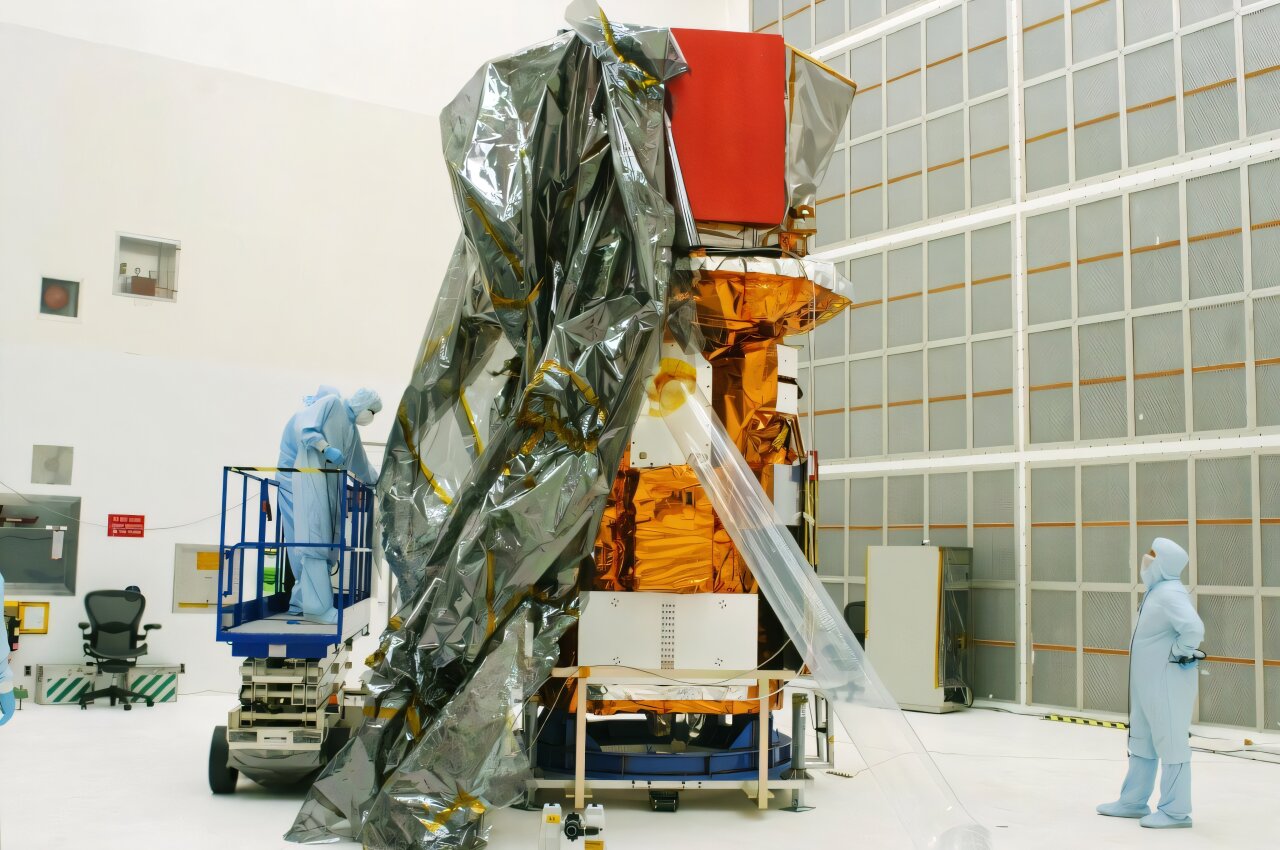
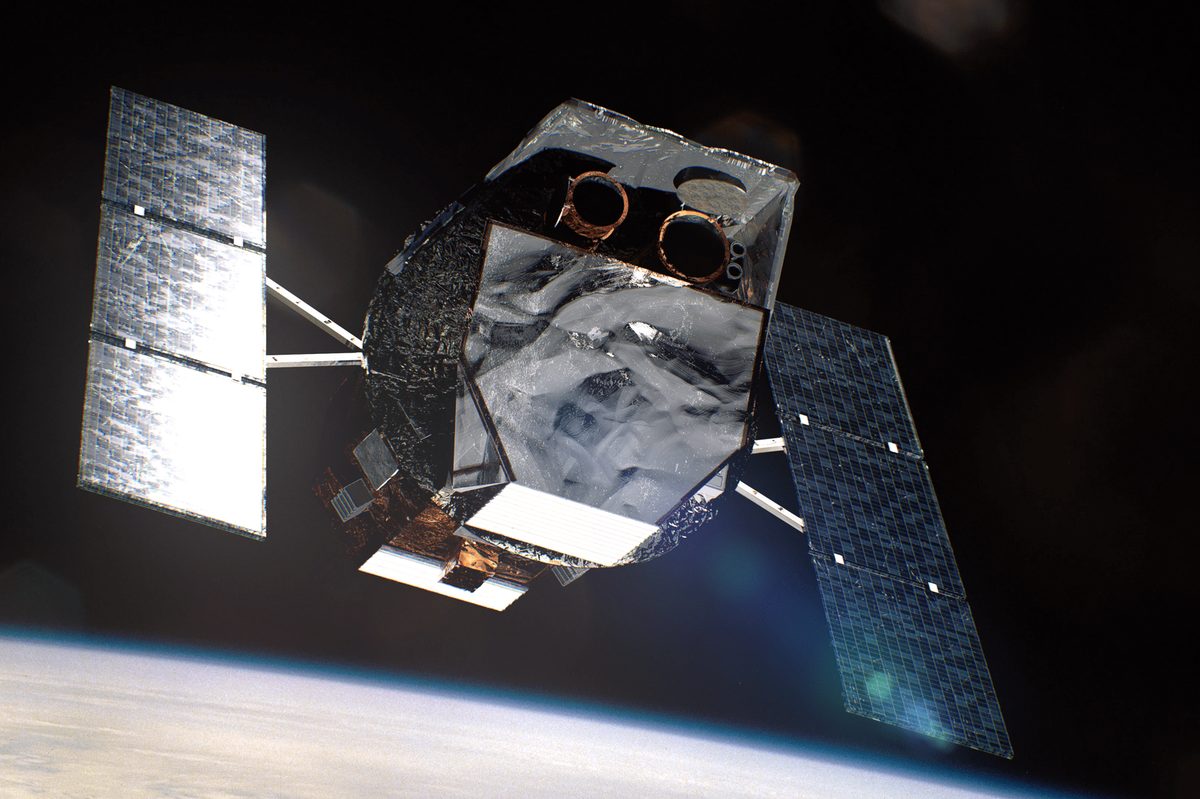
This mission, valued at $30 million, is particularly urgent as the Swift Observatory, which has been a cornerstone of astronomical discoveries since its launch in 2004, is at risk of descending uncontrollably from its orbit by October. The observatory has been pivotal in detecting gamma-ray bursts and exploding stars, significantly contributing to the field of X-ray astronomy by alerting other telescopes to these phenomena. However, earlier this year, NASA had to pause its scientific operations to conserve its orbit, setting the stage for this rescue mission.
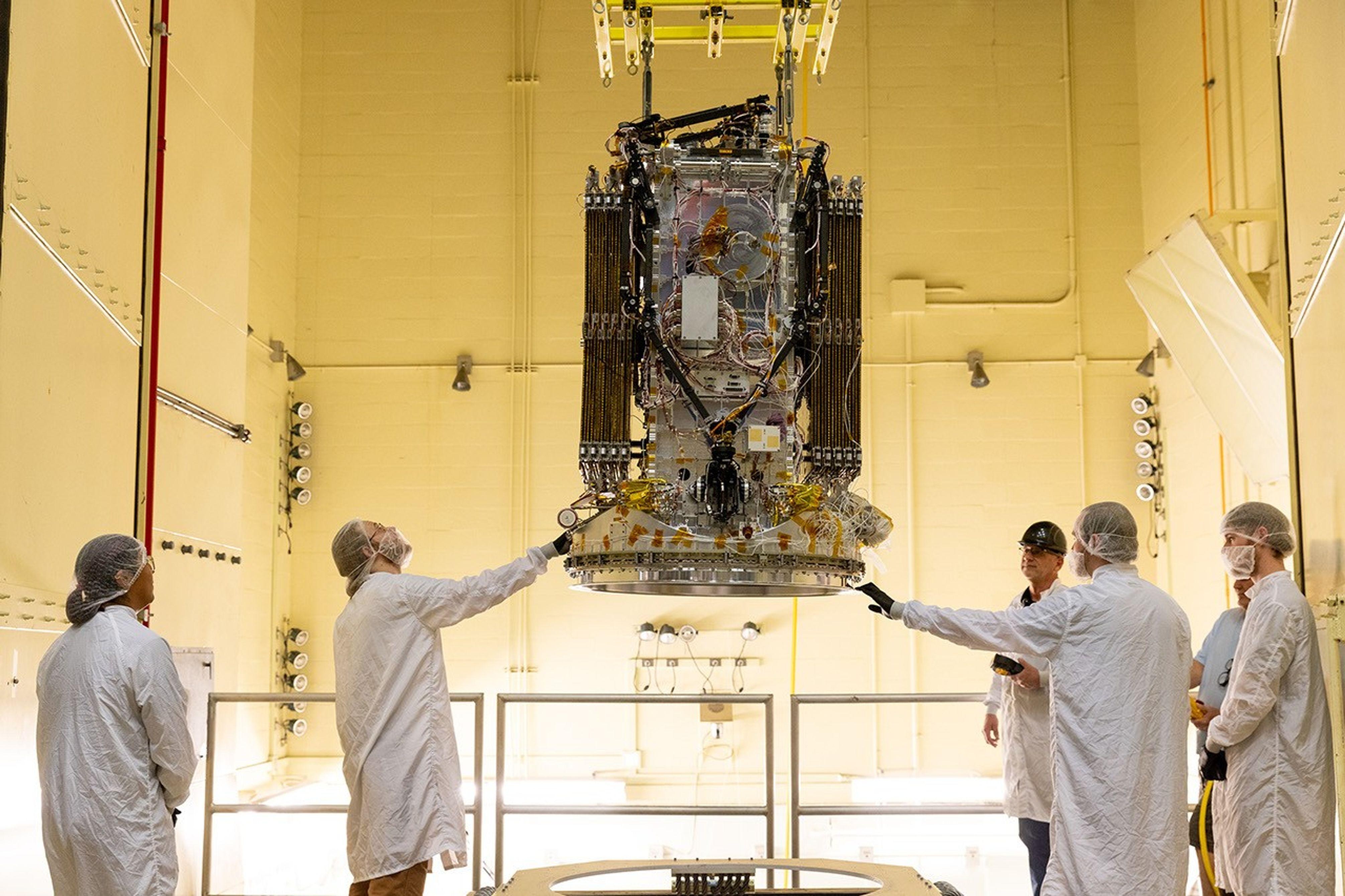
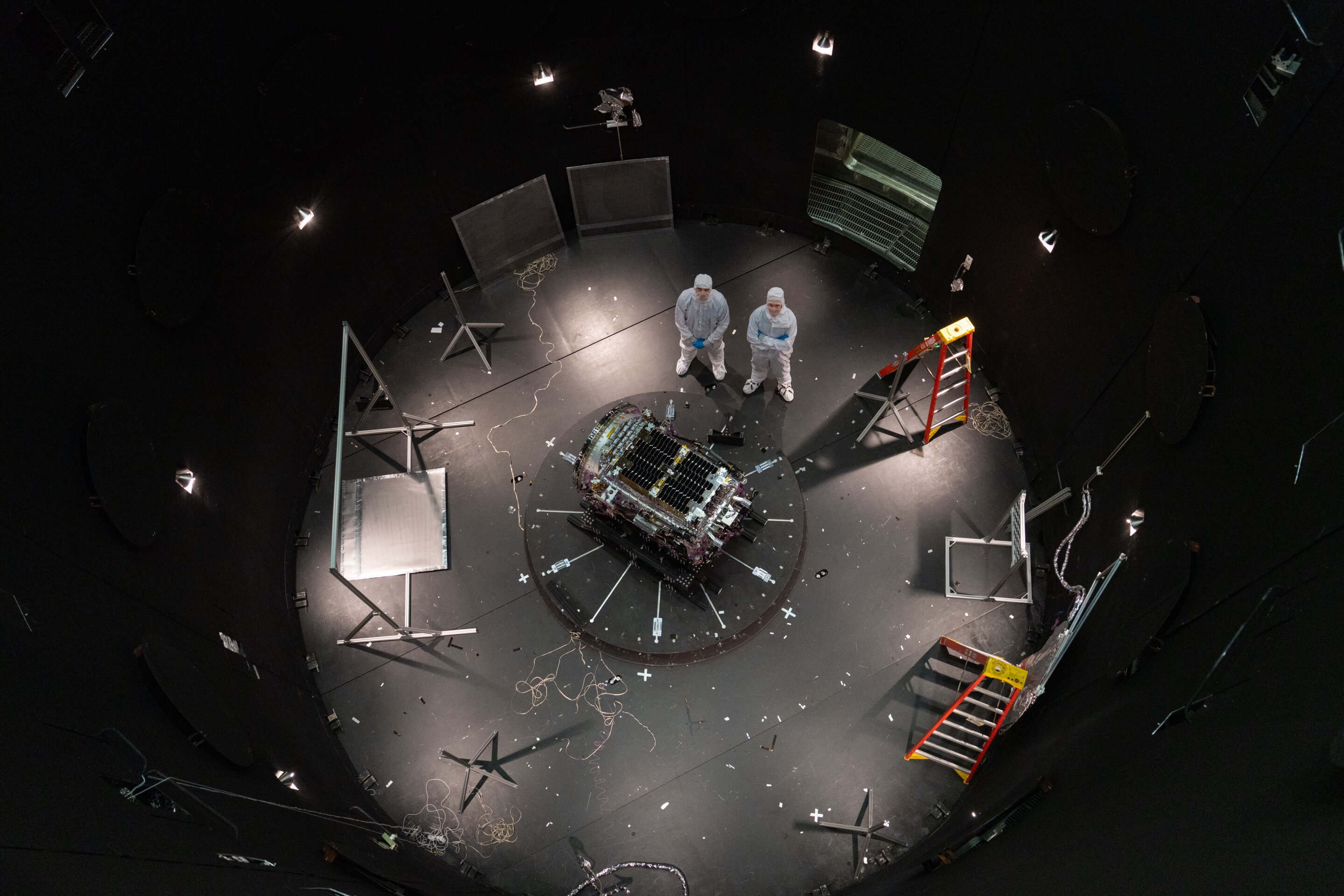
At the heart of this mission is a three-armed robotic spacecraft designed by Katalyst Space Technologies. The spacecraft is engineered to rendezvous with the Swift Observatory, providing the necessary boost or adjustments to stabilize its orbit, thereby extending its operational life. This innovative solution underscores the growing trend of employing robotic technology for in-orbit servicing and repair, a concept that holds promise for future satellite longevity and sustainability.
The delay follows a week of adverse weather conditions that had already hampered the launch schedule. Currently, there is no new launch date, leaving the mission team and the scientific community in suspense. The swift resolution of these technical challenges is critical, given the approaching deadline for the observatory's orbital lifespan.
The operation underscores the complex logistics and technological challenges inherent in space missions, particularly those involving aging satellites. The Swift Observatory itself, launched over two decades ago, has exceeded its original mission parameters, reflecting the robust engineering and scientific foresight of its creators. Its contributions to our understanding of transient and explosive astronomical phenomena have been substantial, making its preservation a priority for NASA.
As the mission team works to resolve this latest issue, the broader implications of the Swift Observatory rescue mission extend beyond immediate technical challenges. It highlights the evolving landscape of space exploration, where the emphasis is increasingly on sustainability and the extension of satellite lifespans through innovative technologies. The ability to service satellites in orbit not only maximizes return on investment but also reduces space debris, addressing one of the growing concerns in the space industry.
The delay of the Swift Observatory rescue mission serves as a reminder of the unpredictable nature of space operations, where even the most meticulously planned missions can face unforeseen hurdles. However, it also illustrates the resilience and ingenuity of the teams involved, who must navigate these challenges to achieve their scientific and operational goals.
As the space community awaits the resolution of the current issues, the mission to save the Swift Observatory remains a testament to human ingenuity and the relentless pursuit of scientific discovery. The successful continuation of this mission could set a precedent for future satellite servicing missions, potentially transforming how we manage and maintain our assets in space.