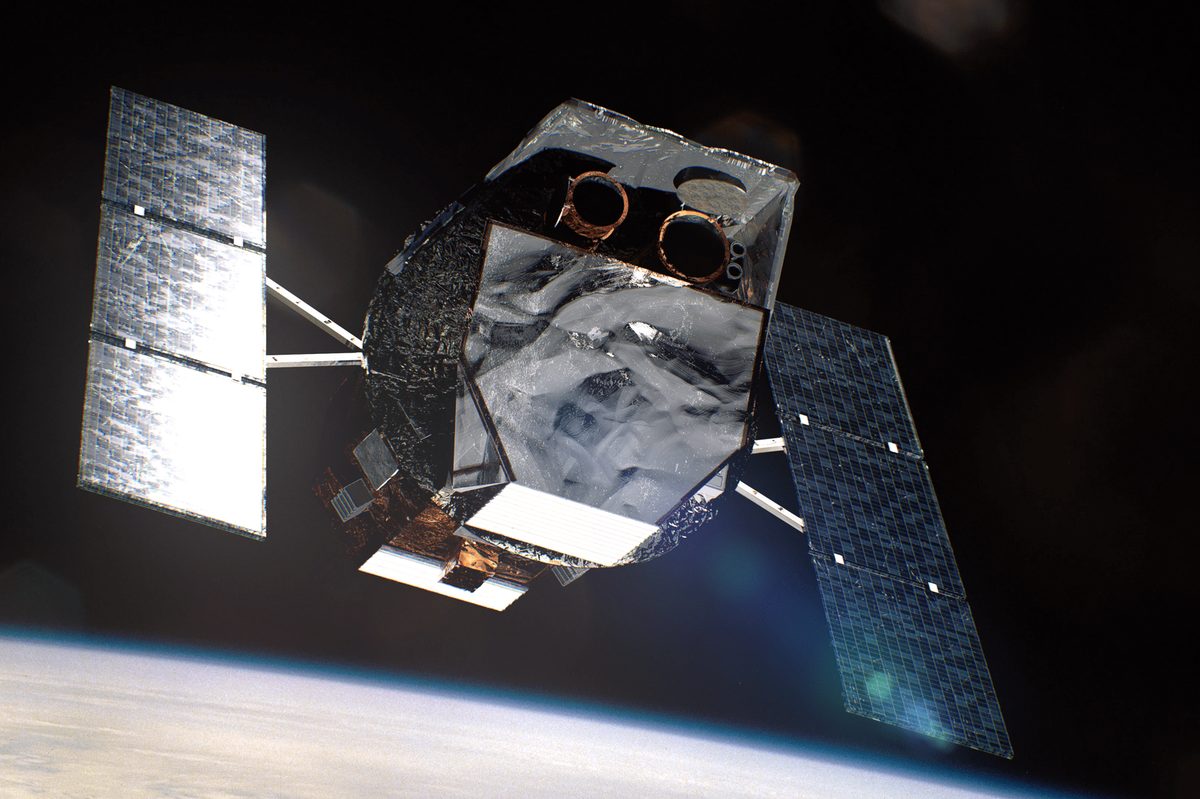
On June 30, 2026, NASA is embarking on an ambitious mission to rescue the Neil Gehrels Swift Observatory, a space telescope that has exceeded its expected lifespan by over two decades. Originally launched in 2004 for a two-year mission, the Swift Observatory has continued to contribute significantly to astrophysics by studying gamma-ray bursts, which are among the most energetic phenomena in the universe.
Despite its extended service, the Swift Observatory is now facing a critical challenge: it is slowly descending towards Earth and, without intervention, is expected to burn up in the atmosphere. To prevent this, NASA has teamed up with the U.S. startup Katalyst to initiate a daring rescue operation. The mission is remarkable not only for its technical complexity but also for its potential to set a precedent for future satellite life-extension missions.
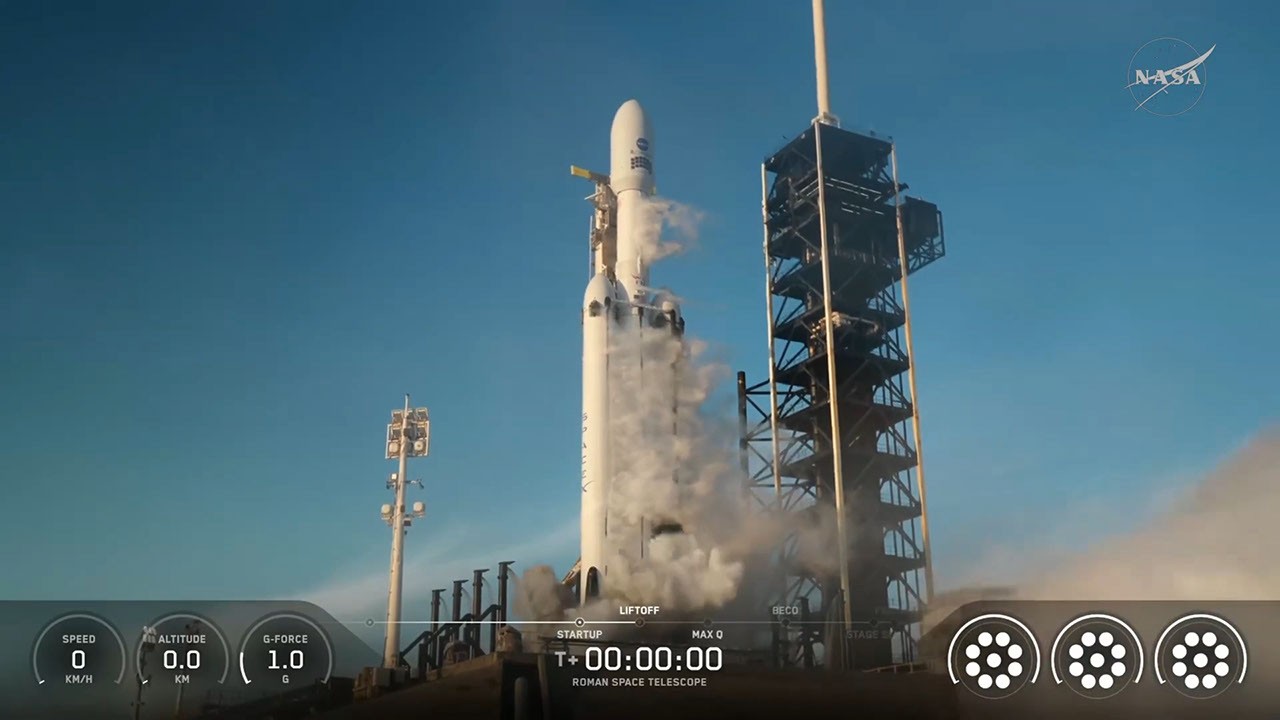
The rescue mission involves launching a specially designed robot that will attempt to locate and secure the Swift Observatory in space. This operation kicks off with the launch of the robot aboard a small rocket named Pegasus, which will be released from a jet above the Pacific Ocean atoll. This unconventional launch method is one of several firsts for the mission, reflecting the innovative approaches being employed.
Once in space, the robot faces the formidable task of identifying the Swift Observatory amidst the vast expanse of space. It will then use three movable arms to latch onto the telescope, a maneuver that requires precision and dexterity. The ultimate goal is to elevate the telescope by approximately 300 kilometers (186 miles) into a stable orbit, thereby extending its operational life by avoiding a fiery re-entry into Earth's atmosphere.
NASA's director of the astrophysics division, Shawn Domagal-Goldman, highlighted the significance of this mission during a recent press call, expressing gratitude for the opportunity to attempt such an unprecedented feat. The mission's success could pave the way for similar rescue operations for other aging satellites, potentially revolutionizing satellite maintenance and extending the productive life of valuable space assets.
The Neil Gehrels Swift Observatory has earned its reputation as a 'special' telescope. Regina Caputo, a NASA astrophysicist, explained that the telescope was designed to study gamma-ray bursts, which she described as supercharged versions of supernovae—the explosive deaths of stars. These bursts are exceptionally brief and require swift detection and monitoring, a role that Swift has fulfilled from its position approximately 600 kilometers (373 miles) above Earth.
Swift's high-altitude orbit allowed it to maintain constant communication with researchers, but this advantage also came with a downside. Without its own propulsion system, the telescope has gradually drifted closer to Earth over time. This slow descent underscores the importance of the current rescue mission, which embodies both technological ingenuity and a commitment to scientific preservation.
As the mission unfolds over the coming months, it serves as a testament to human ingenuity and the relentless pursuit of knowledge through preservation and innovation. Whether the mission succeeds or not, it will undoubtedly provide valuable insights and lessons for future endeavors in space exploration and satellite management.