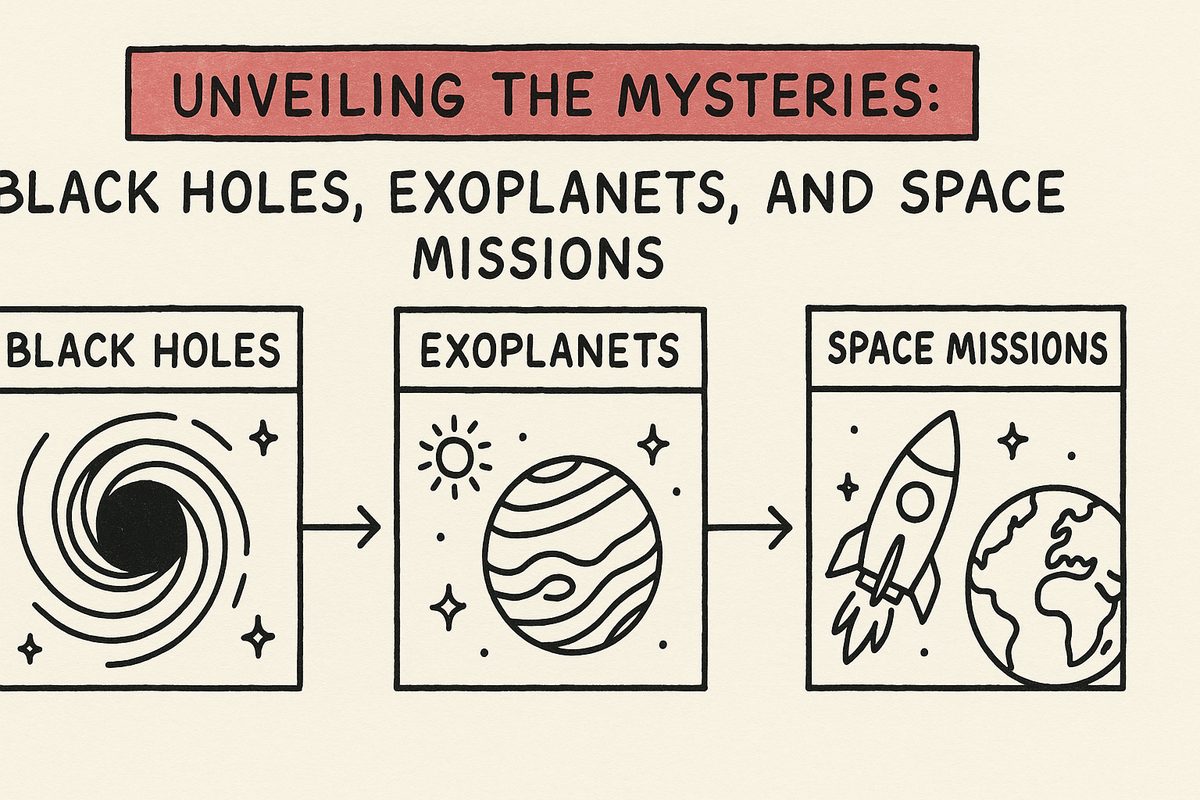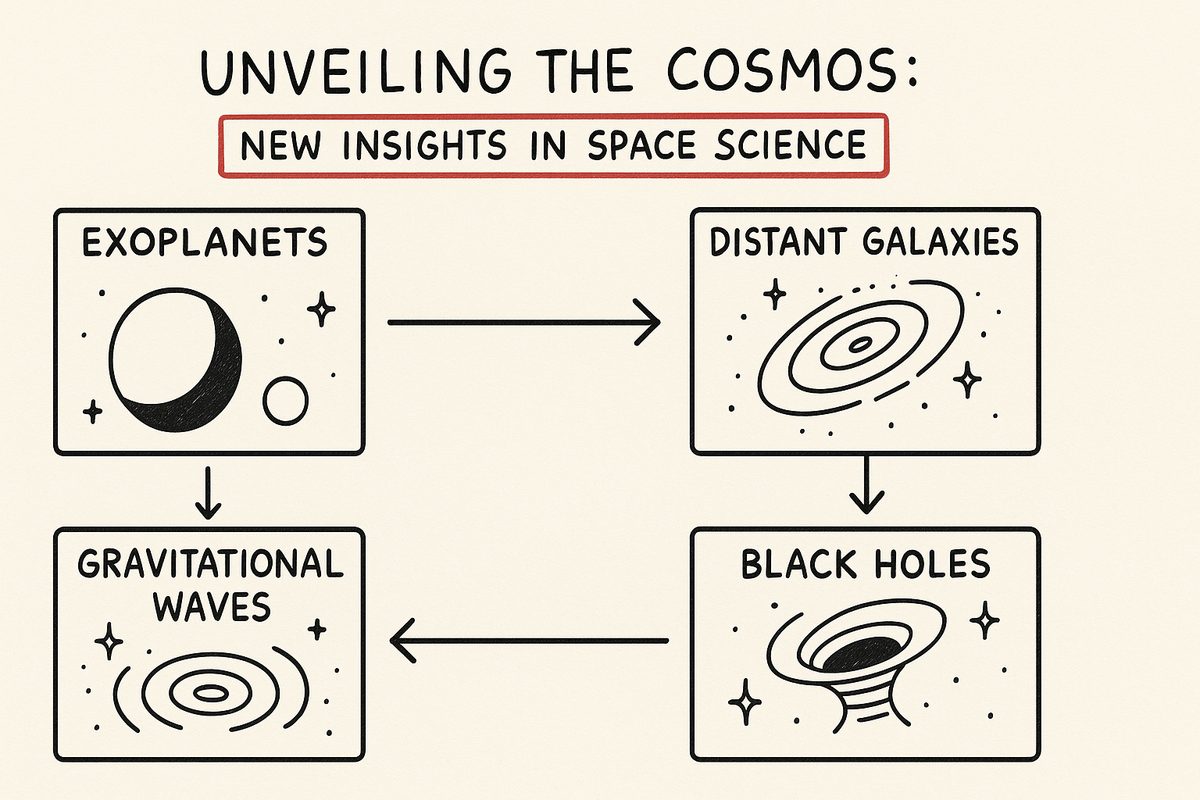
In the ever-expanding field of space science, recent discoveries continue to challenge our understanding of the cosmos. From the atmospheres of distant planets to hidden black holes, these findings not only expand our knowledge but also raise new questions about the universe.
Mars' Mystical Shield
The MAVEN spacecraft's recent observation of unusual plasma activity in Mars' atmosphere suggests that the Red Planet might have a dynamic atmospheric shield. This plasma 'squeezing' could hint at previously unknown atmospheric processes influenced by solar wind interactions. Historically, Mars has been perceived as a barren world, but these new findings challenge that view, hinting at complex atmospheric behaviors that could protect the planet's surface from solar radiation.
Exoplanetary Wonders
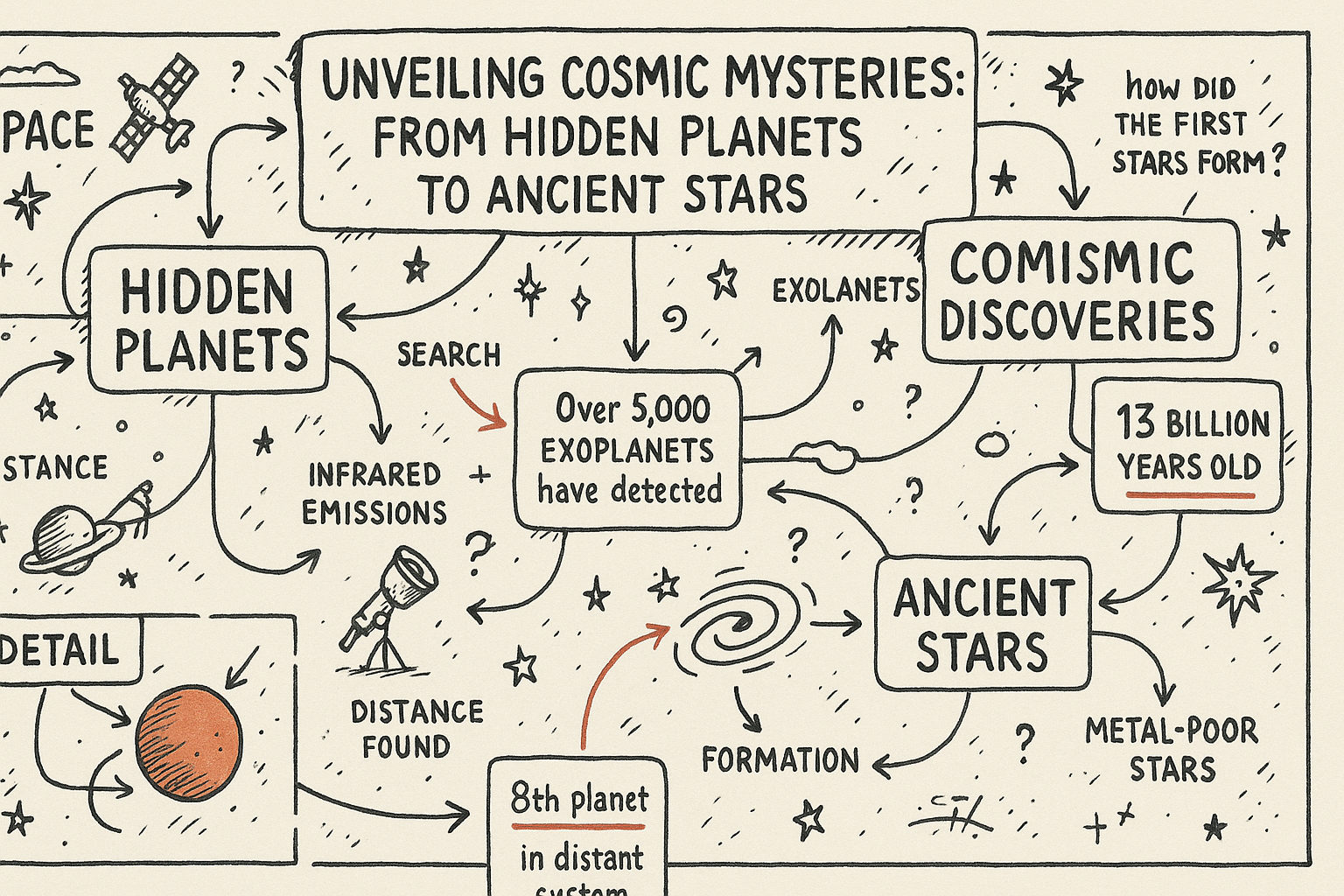
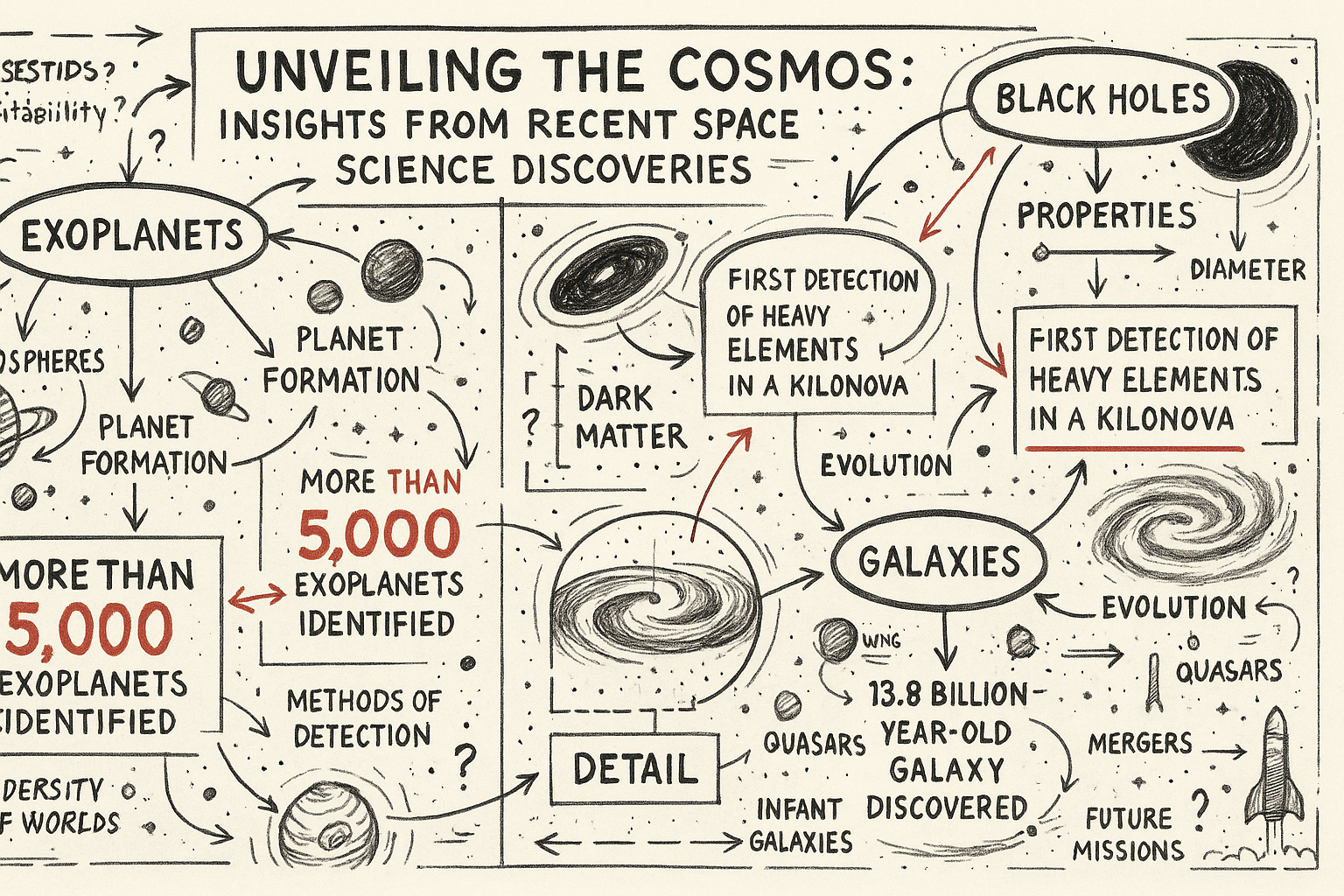
Meanwhile, the James Webb Space Telescope (JWST) has identified a star-scorched planet, larger than Earth, yet bearing similarities to Mercury. This discovery is pivotal as it underscores the diversity of exoplanets and their atmospheres. Another intriguing find is Toi-199b, a temperate exo-Saturn with a methane-rich atmosphere, adding depth to our understanding of how planets form and evolve in different stellar environments. These discoveries remind us of the vast array of planetary compositions and conditions beyond our solar system.
The Hidden Depths of the Universe
In the realm of galactic phenomena, the potential discovery of a hidden supermassive black hole within the Antennae galaxies is a testament to the complexity of cosmic structures. These galaxies, known for their star-forming bursts, now appear to harbor enigmatic forces that could reshape our understanding of galactic evolution. This finding is particularly surprising given how well-studied these galaxies are, yet it underscores the limits of current astronomical observation techniques.
The Spectroscopic Challenge
Despite the breathtaking images captured by modern telescopes, spectroscopy—the science of analyzing the composition of distant objects—remains a bottleneck in astronomy. While images provide us with visual data, spectroscopy is essential for understanding the underlying physics of celestial bodies. This gap is a reminder of the technological advancements still needed to fully leverage our observational capabilities.
As we continue to explore space, the need for comprehensive spectroscopic data becomes ever more apparent. Future missions must prioritize this aspect to unlock deeper cosmic mysteries.
The intertwining of these discoveries reflects a broader narrative of space science: one of complexity, interconnectedness, and the perpetual need for innovation. Each new finding not only answers questions but prompts further inquiries, driving the field forward.