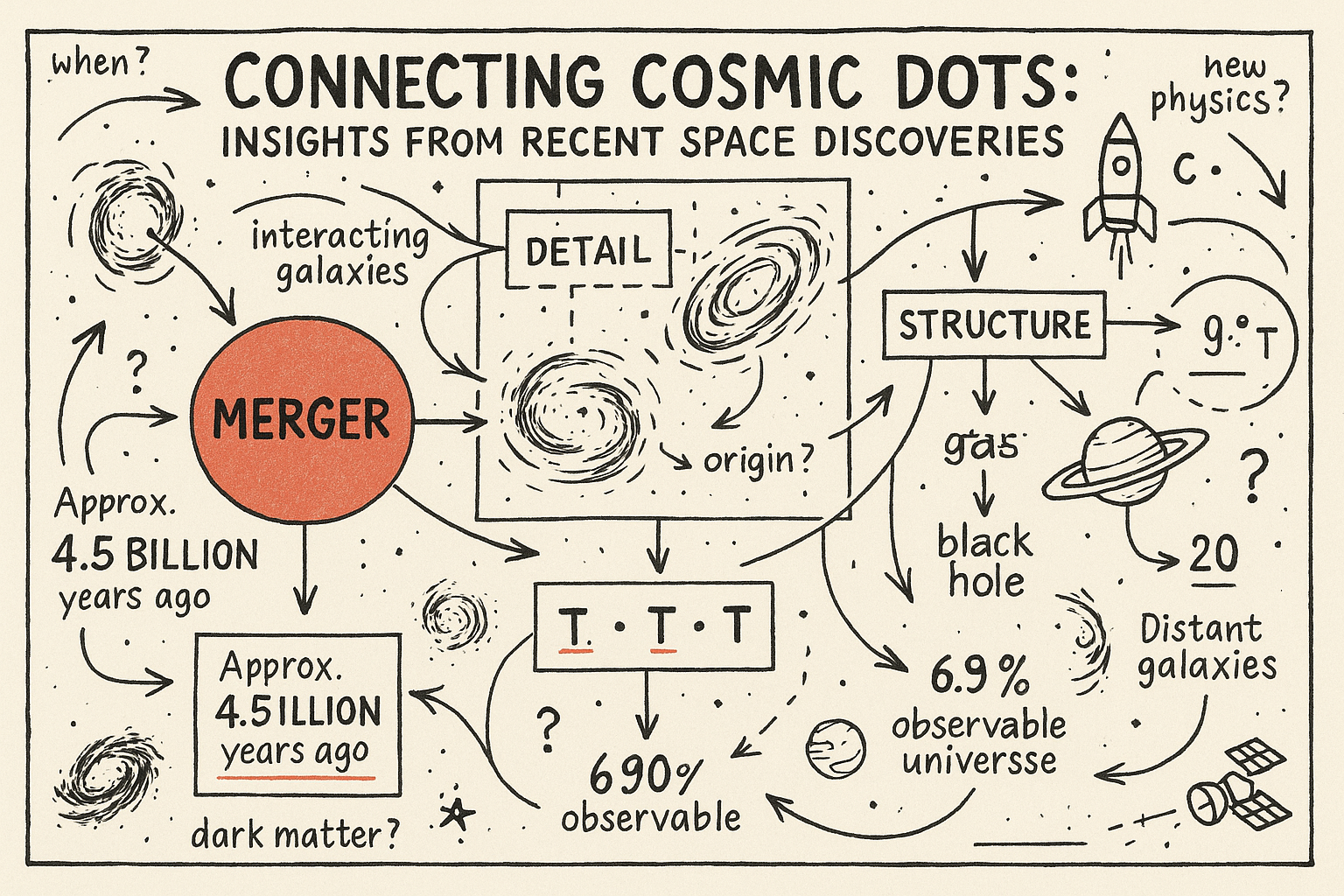
The recent wave of discoveries in space science offers a fascinating glimpse into the universe's complexity, from the microcosmic details of Mars to the macrocosmic events of galaxy mergers. These findings, while disparate, collectively deepen our understanding of cosmic processes and the potential for life beyond Earth.
Galaxy Mega-Mergers: Cosmic Collisions
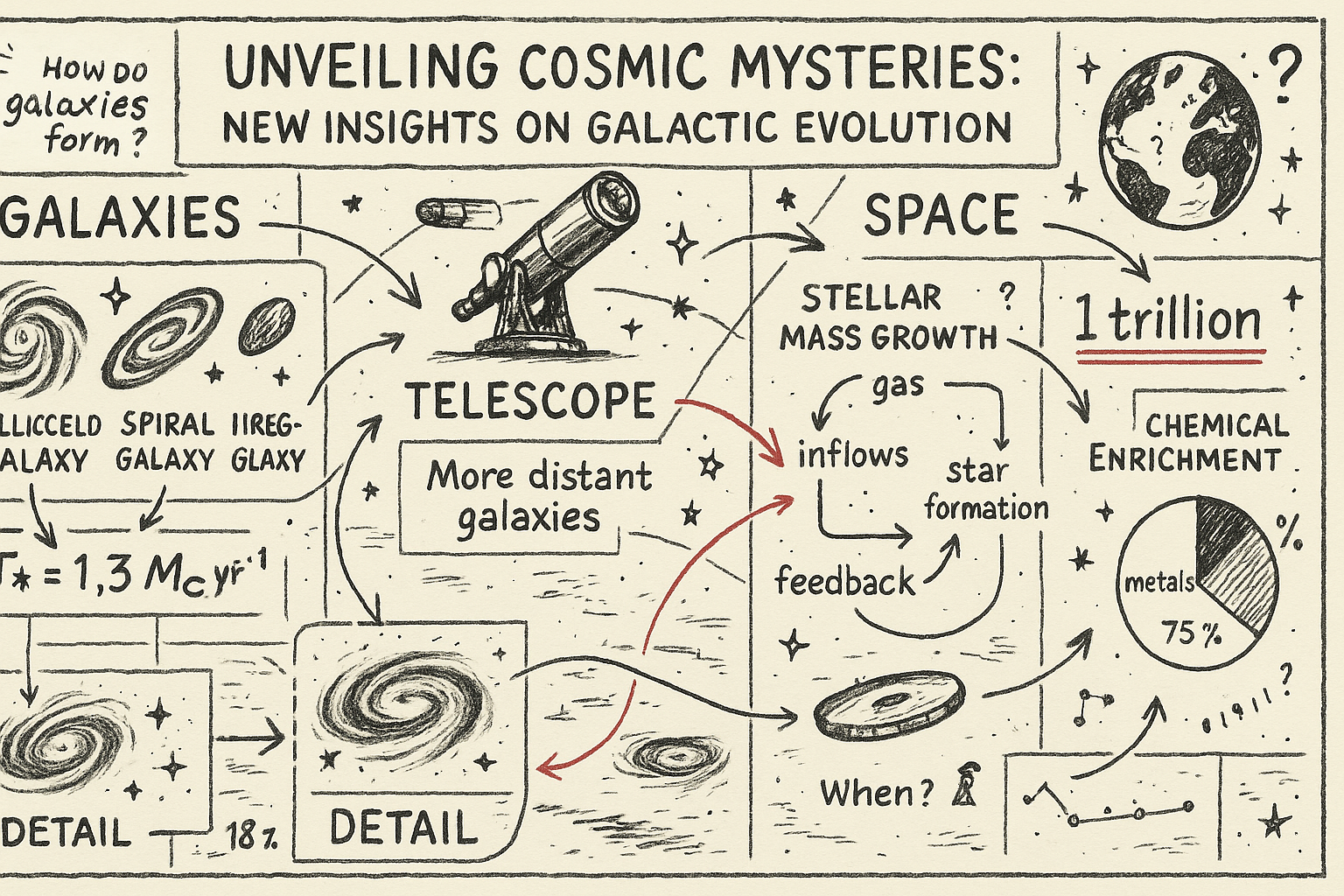
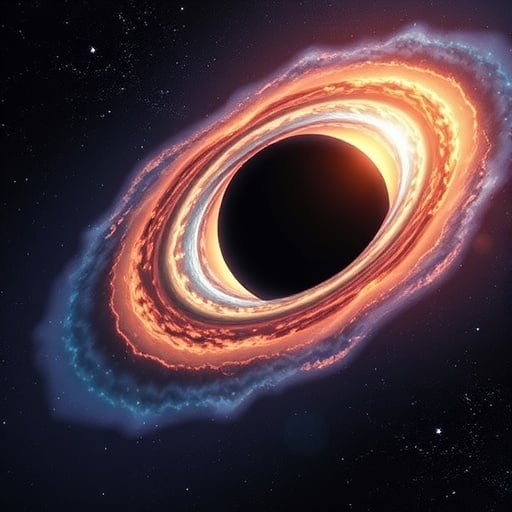
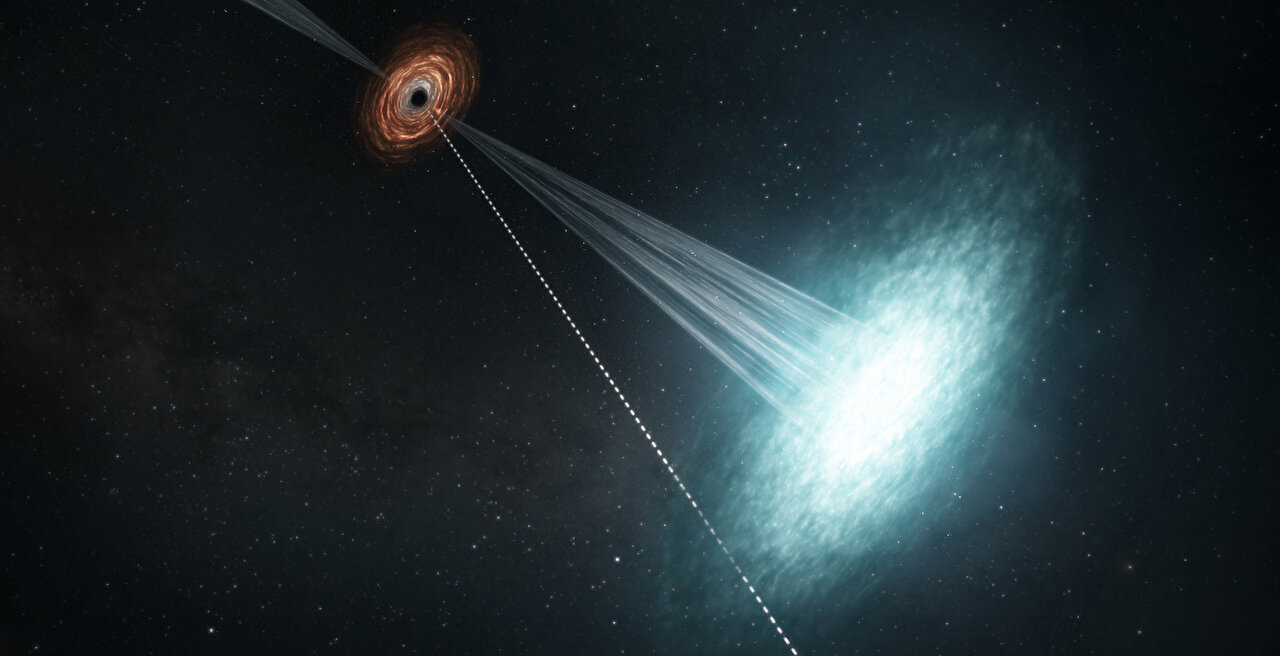
Astronomers have recently observed an extremely rare galaxy mega-merger, a monumental event that challenges our comprehension of scale and distance. Such mergers are pivotal in shaping the universe's structure, offering clues about the evolution of galaxies. The dynamics of these cosmic collisions are not just about the amalgamation of stars but also the eventual formation of supermassive black holes—a subject of intense study and simulation, as evidenced by recent laboratory experiments that mimic black hole evaporation.
Simulating Black Holes in the Lab
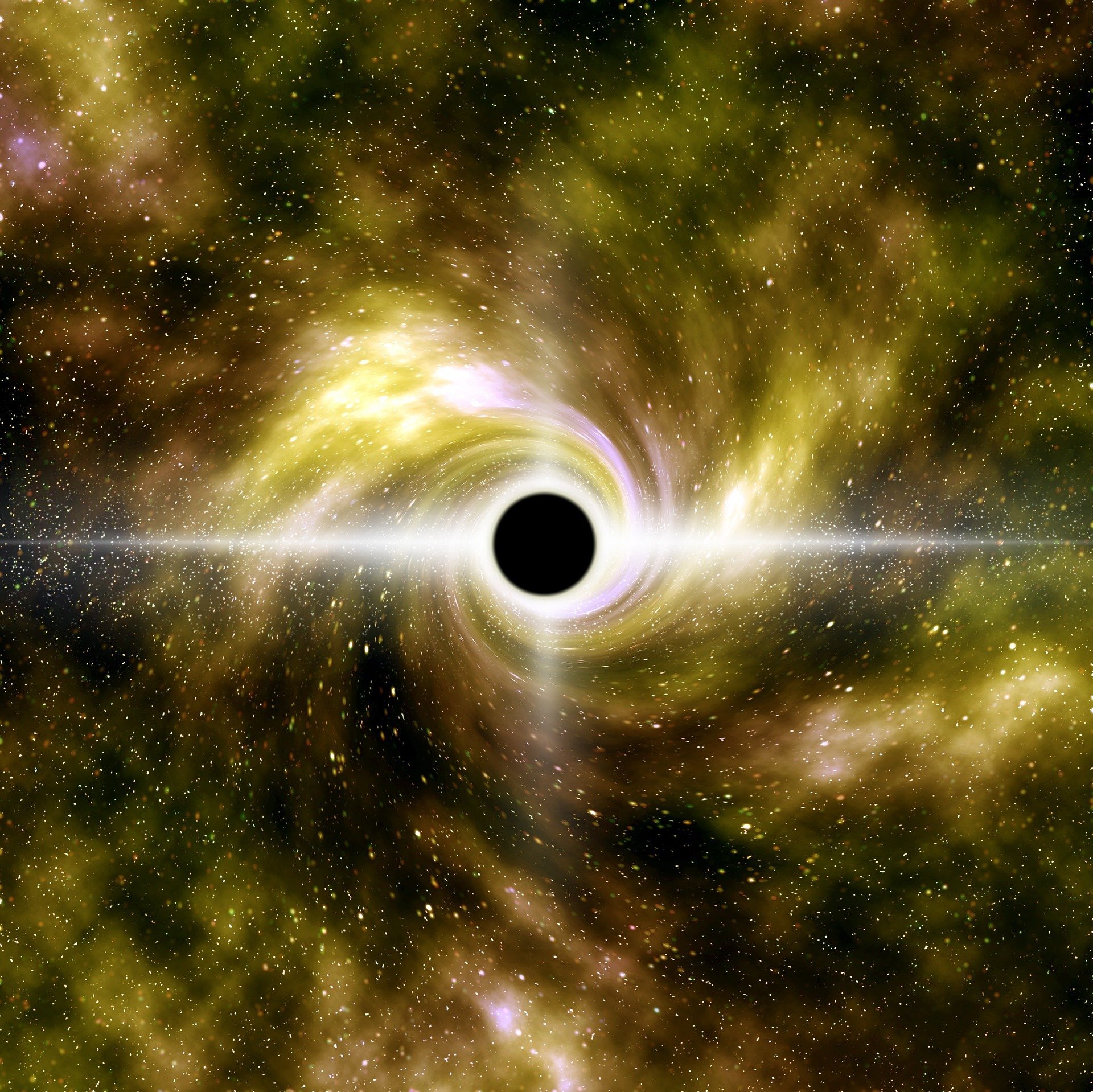
In a groundbreaking experiment, physicists have simulated a black hole in a laboratory setting, witnessing its 'evaporation.' This phenomenon, a nod to Hawking's theoretical predictions, provides a unique window into black hole physics, offering experimental validation of concepts previously relegated to mathematical theory. These experiments bridge the gap between theoretical astrophysics and tangible, observable phenomena.
Martian Mysteries: Organic Molecules and Magmatic Systems
Parallel to these cosmic events, Mars continues to intrigue scientists with its geological and chemical secrets. The discovery of complex organic molecules in the Bright Angel formation by the Perseverance rover rekindles the debate about life on Mars. While the biotic or abiotic origins of these molecules remain uncertain, their presence suggests a history of aqueous alteration, hinting at past habitable conditions.
Adding to this intrigue, recent geological studies propose that Mars may have hosted vast, Earth-like magmatic systems. This revelation challenges previous assumptions that plate tectonics are necessary for such geological complexity, opening new avenues for understanding rocky planet formation and habitability.
Enceladus: A Celestial Ocean World
Beyond Mars, Saturn's moon Enceladus has emerged as a prime target for astrobiological research. The European Space Agency's plans for a high-tech lander by 2050 aim to probe its subsurface ocean, accessible via geysers at the moon's south pole. This mission underscores the moon's potential as a habitat for life, driven by its liquid water and geological activity.
The Unseen: Methane on Mars
Despite advancements, some mysteries persist. The ESA's ExoMars Trace Gas Orbiter, tasked with detecting methane on Mars, has yet to find definitive traces. This absence is puzzling, considering previous reports of methane spikes. It raises questions about the planet's atmospheric dynamics and the potential for microbial life.
Future Implications and Surprising Connections
These discoveries, while individually significant, collectively paint a picture of a universe rich with interconnected phenomena. The simulation of black holes complements our understanding of galaxy formation through mergers. Mars' magmatic history and organic molecules parallel Enceladus' potential for life, suggesting that the search for life should extend beyond traditional paradigms.
These insights not only enhance our scientific knowledge but also emphasize the importance of continued exploration and collaboration in space science. As telescopes like the Vera C. Rubin Observatory begin their all-sky surveys, the potential for new discoveries remains boundless, promising to unravel more cosmic mysteries.