June 2026 promises to be a captivating month for skywatchers around the globe. NASA's skywatching tips highlight a series of astronomical events that will offer both seasoned astronomers and casual observers a chance to witness the wonders of our solar system.
Venus and Jupiter's Celestial Encounter
One of the most anticipated events this month is the conjunction of Venus and Jupiter. These two bright planets will appear remarkably close to each other in the evening sky, shortly after sunset. This striking conjunction offers a splendid opportunity for observation, with the two planets appearing as the brightest objects in the twilight sky.
The Moon's Journey
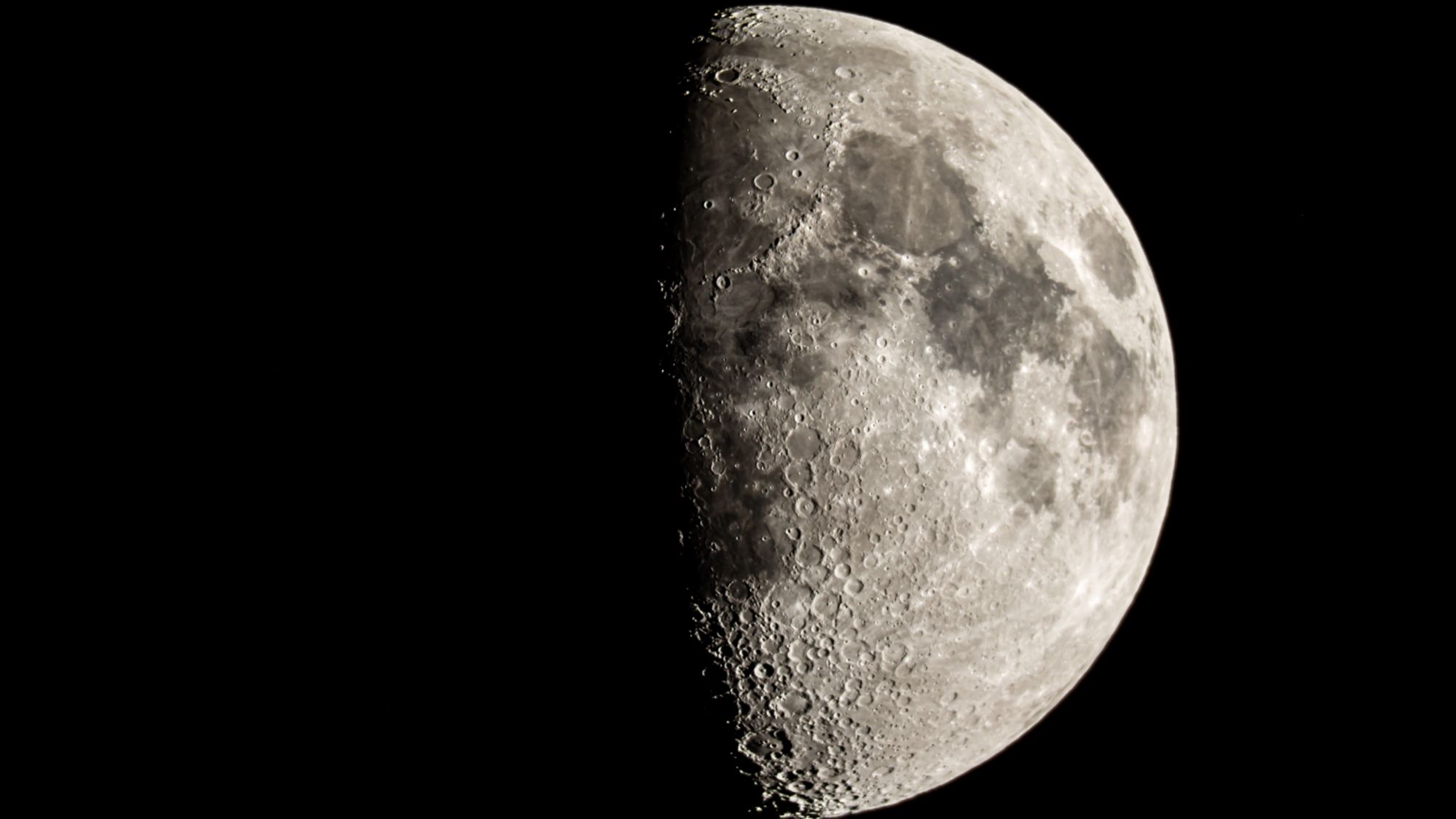
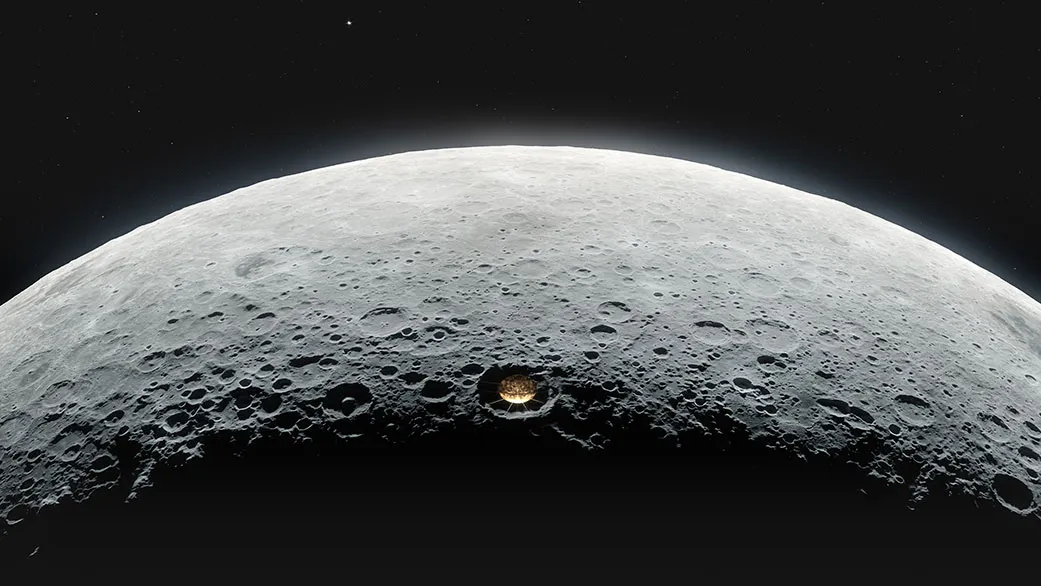
Adding to the celestial display, the Moon will pass in front of Venus, creating a dramatic occultation visible from certain parts of the world. This event is a reminder of the dynamic nature of our solar system, where celestial bodies often engage in intricate dances.
The Arrival of Summer
In the Northern Hemisphere, the summer solstice marks the official start of summer. On this day, the Sun reaches its highest point in the sky, resulting in the longest day of the year. This astronomical event has been celebrated by various cultures throughout history and continues to be a significant marker in the calendar.
Deep-Sky Treasures
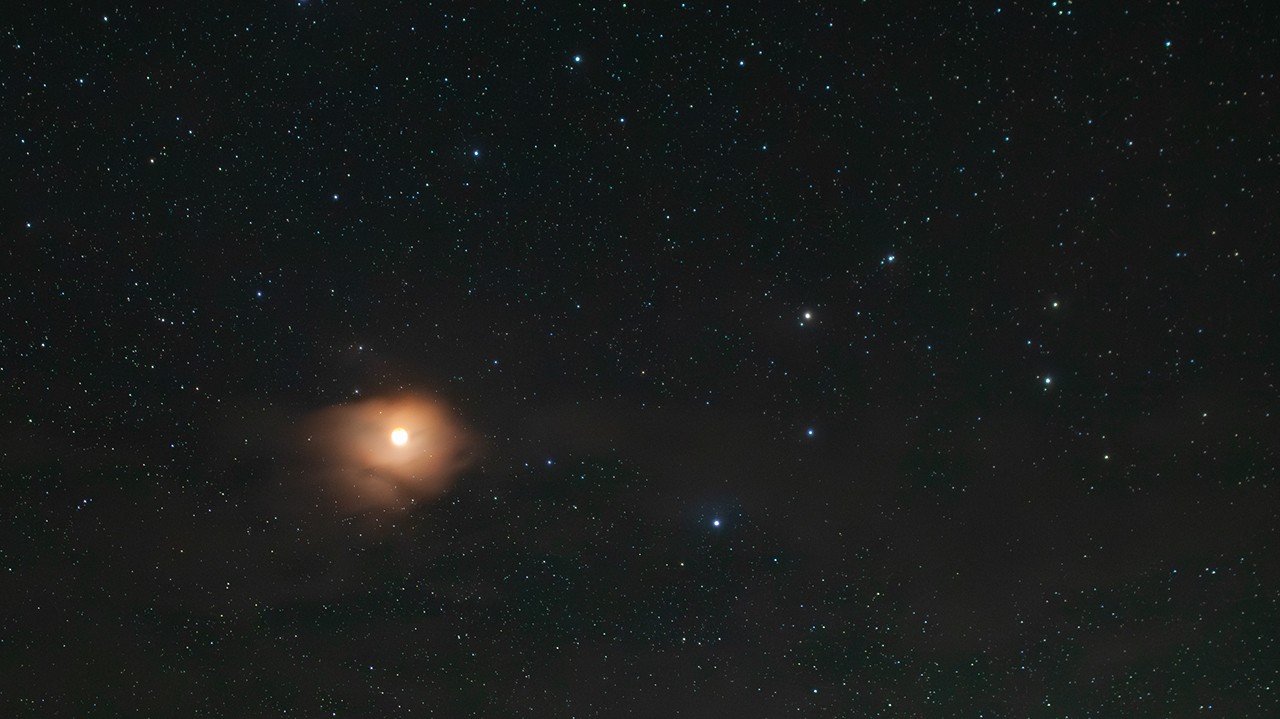
June also brings a host of deep-sky objects into view, ideal for those interested in exploring beyond our solar system. As the nights grow warmer and longer, constellations such as Sagittarius and Scorpius become prominent. These constellations are home to numerous star clusters and nebulae, offering rich fields for exploration through telescopes.
Overall, June 2026 is a month filled with astronomical phenomena that remind us of the beauty and complexity of the universe. Whether you're gazing at the conjunction of Venus and Jupiter, witnessing the Moon's passage, or exploring the depths of the night sky, there's something for everyone to enjoy.