The recent Operation Epic Fury has highlighted significant vulnerabilities in the United States Space Force's capabilities, underscoring an urgent need for enhanced distributed operations and electronic warfare (EW) sites. Brigadier General Christopher Fernengel emphasized the operation's revelations, noting that for the first time, space capabilities were targeted and destroyed.
During the operation, it became evident that adversaries are increasingly focusing on space-based assets, making them a critical target in modern warfare scenarios. As Brig. Gen. Fernengel stated, "We expect that to happen more," indicating that the targeting of space capabilities is likely to become a recurring strategy in conflict situations.
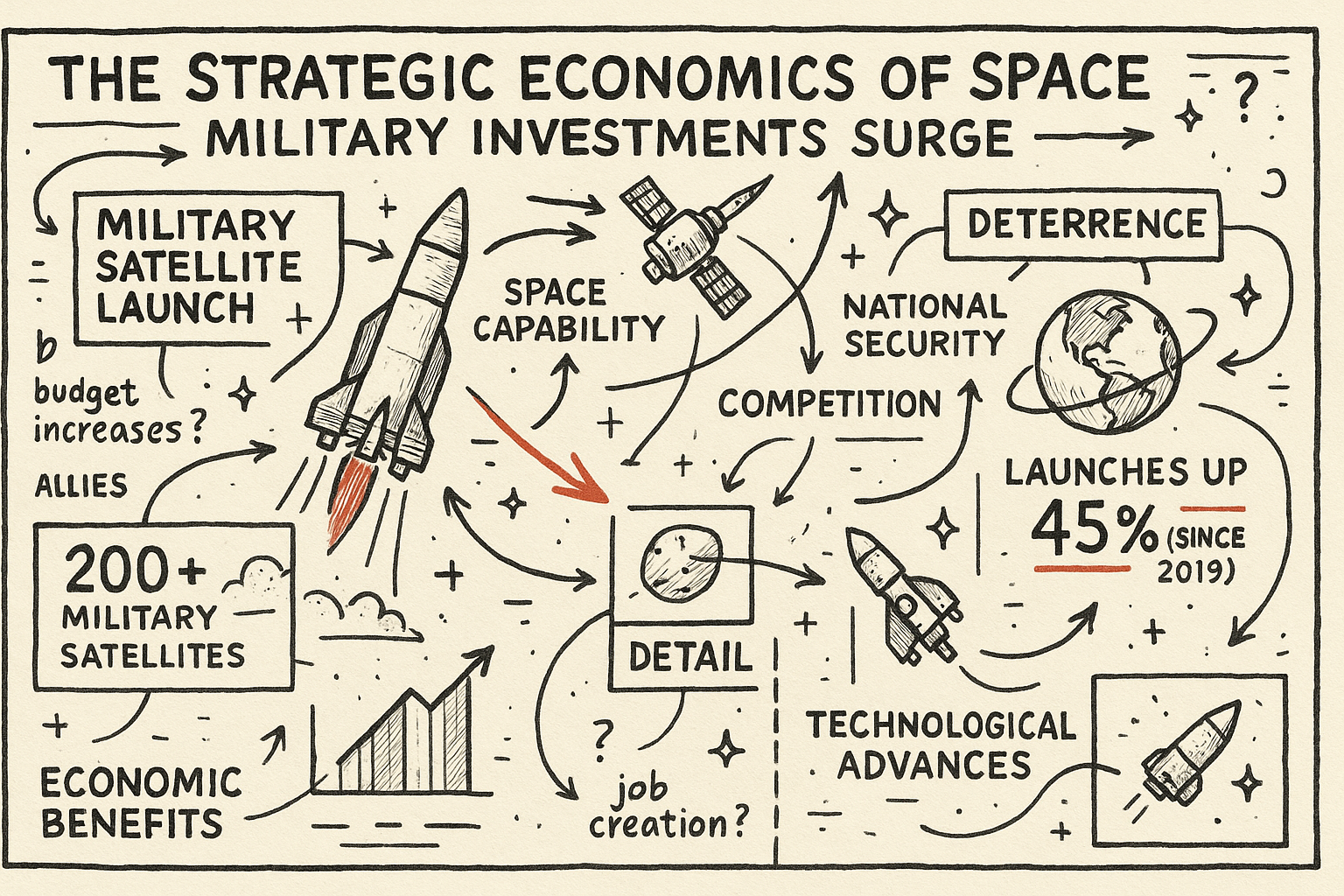
The Space Force, a relatively new branch of the United States Armed Forces, has been tasked with protecting national interests in space. However, as demonstrated by Operation Epic Fury, the current infrastructure does not fully meet the demands of contemporary warfare, which increasingly relies on space-based technologies for communication, navigation, and intelligence gathering.
Distributed operations and the establishment of more robust electronic warfare sites are now seen as essential steps in bolstering the resilience of space capabilities. Distributed operations involve dispersing forces and resources across a wider area, thereby reducing the risk of a single point of failure. In the context of space, this could mean distributing satellite assets and communication nodes more broadly to ensure that the loss of any single asset does not compromise the entire system.
Electronic warfare sites, on the other hand, provide the ability to disrupt or disable adversarial electronic systems. These sites are vital for protecting space assets from electronic attacks and ensuring the integrity and security of communication links.
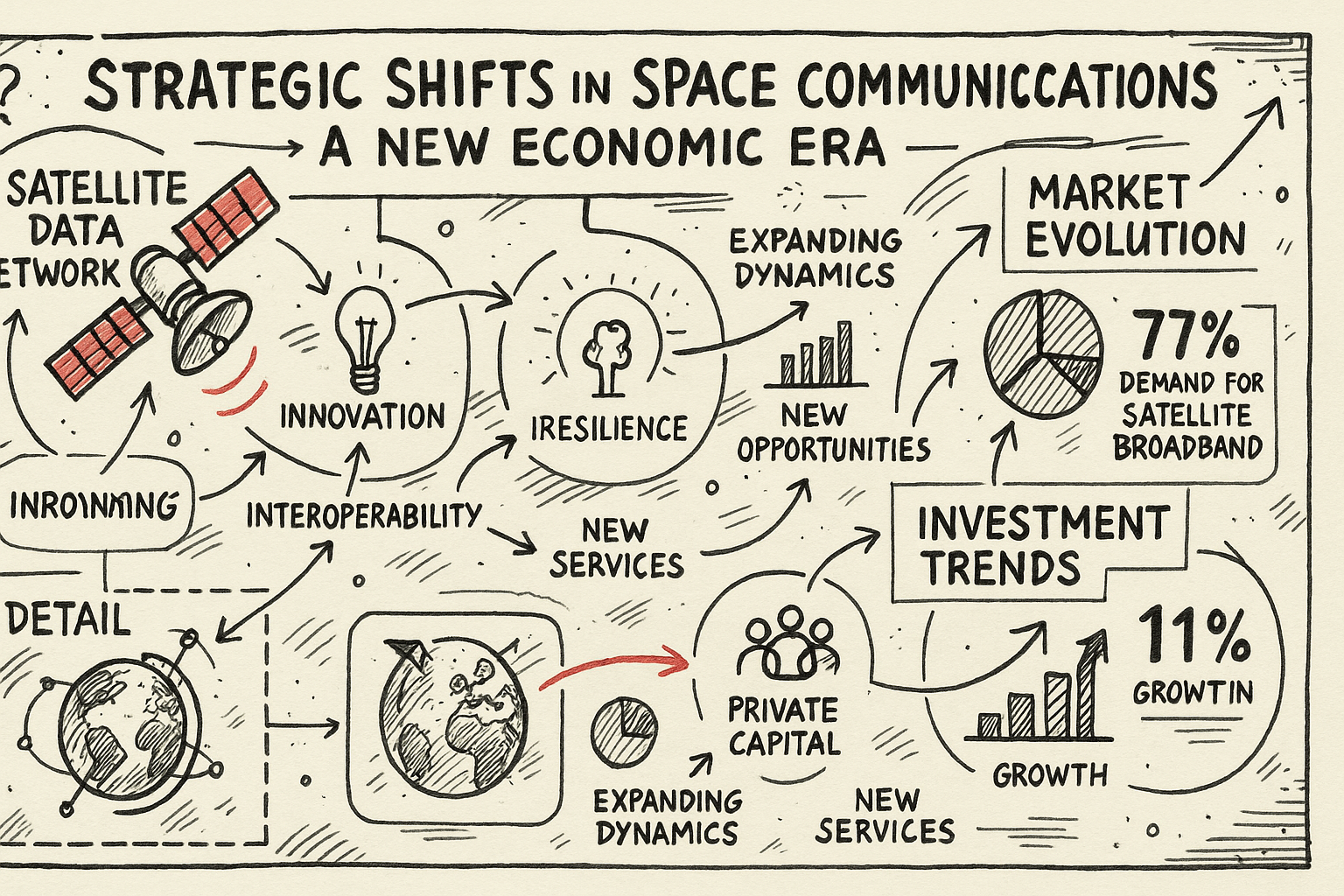
The insights gained from Operation Epic Fury are expected to drive strategic changes within the Space Force, prompting investments in new technologies and infrastructure to counter emerging threats. As space becomes an increasingly contested domain, nations must adapt to the evolving landscape of warfare to maintain a strategic advantage.
This operation serves as a crucial reminder of the dynamic nature of space security and the ongoing need for innovation and adaptation in military strategy. The Space Force's future initiatives will likely focus on enhancing resilience, improving situational awareness, and developing new capabilities to protect national interests in space.