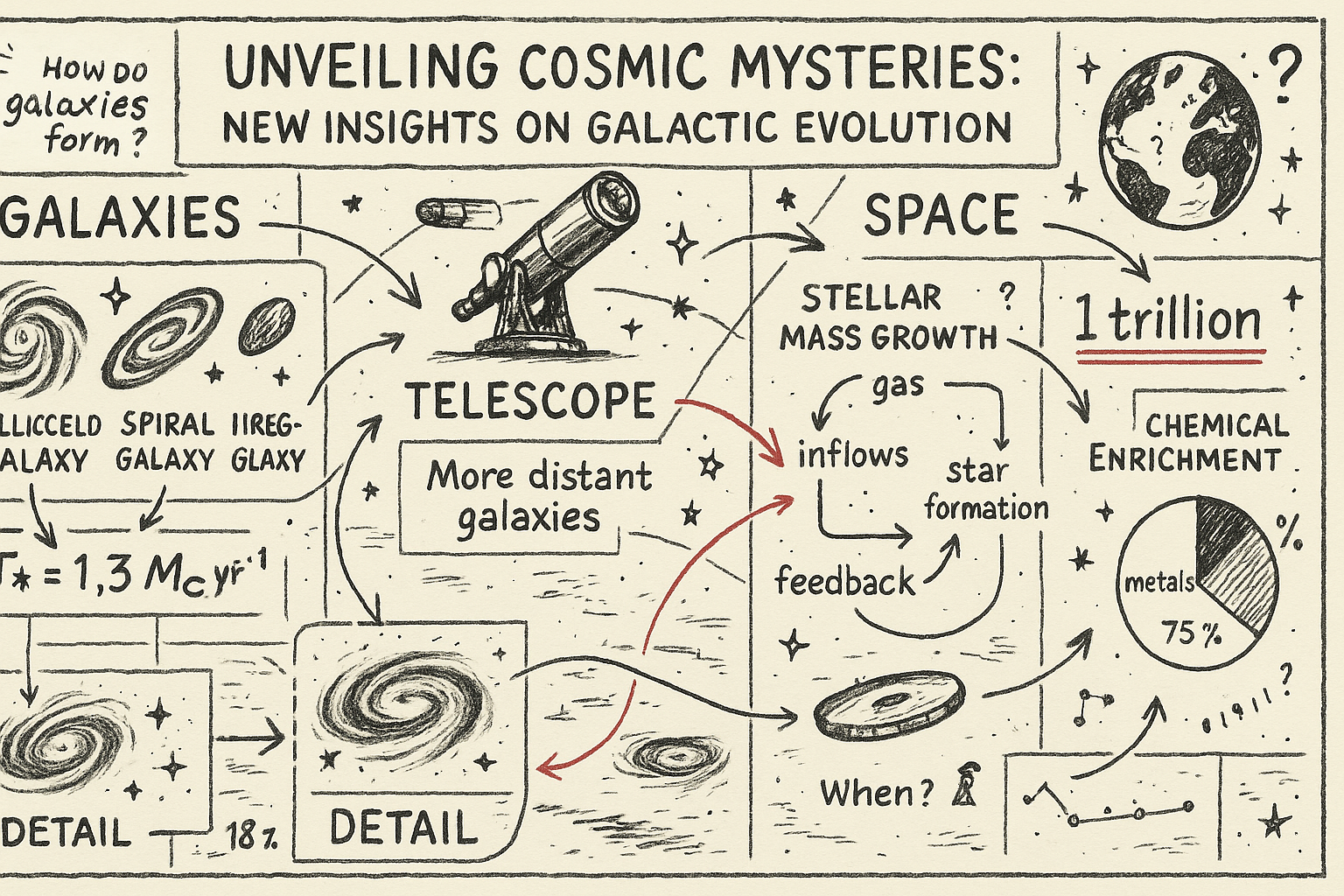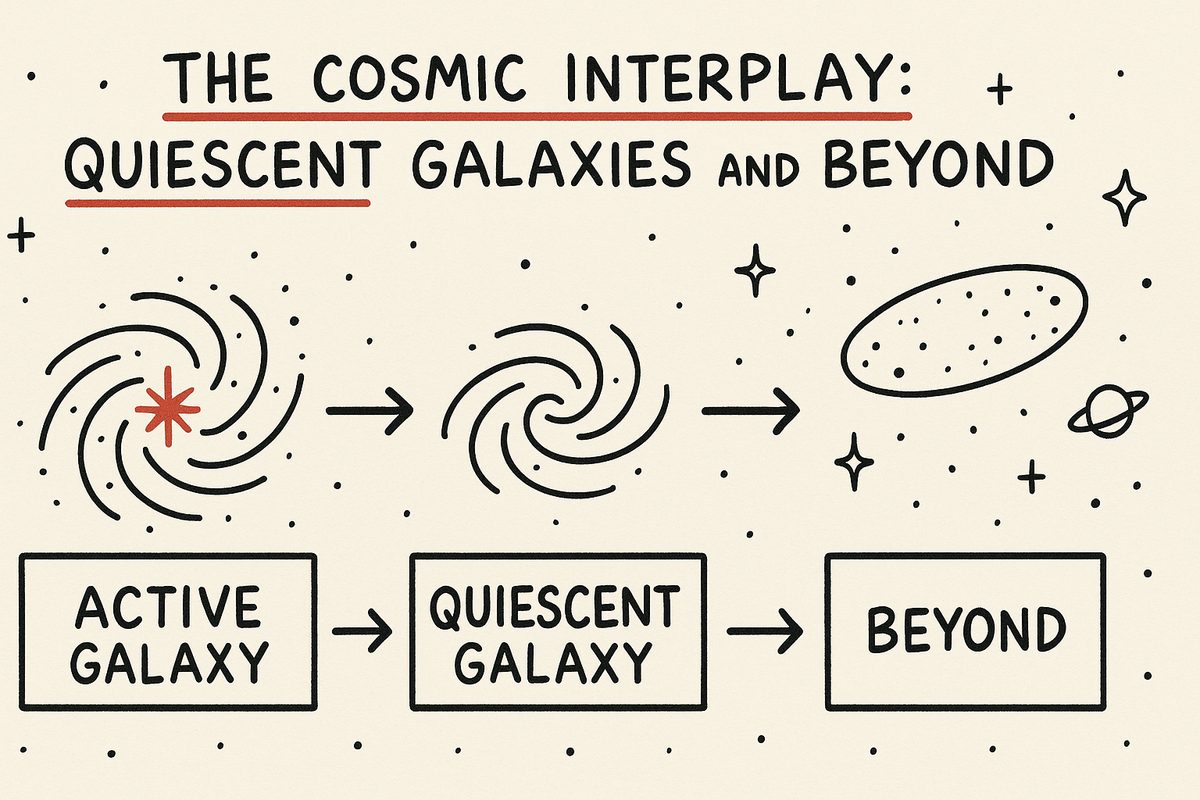
In the vast tapestry of the universe, the early cessation of star formation in massive galaxies, known as massive quenchers (MQs), presents a conundrum for astronomers. Recent studies suggest these quiescent galaxies owe their evolution to dusty star-forming galaxies (DSFGs), with galaxy mergers and active galactic nucleus (AGN) feedback playing crucial roles. As these galaxies collide, the resultant starburst depletes the gas needed for future star formation, while the AGN feedback from supermassive black holes likely sterilizes the galaxies, halting their star-forming activities.
Interestingly, the narrative of galactic evolution is not confined to star formation. The Euclid space telescope's discovery of a red-dwarf brightness gap in ancient globular clusters adds another layer to our understanding. Such gaps, previously detected by the Gaia observatory in nearby stellar populations, suggest underlying astrophysical processes that might echo the conditions seen in MQs.
The Role of Black Holes
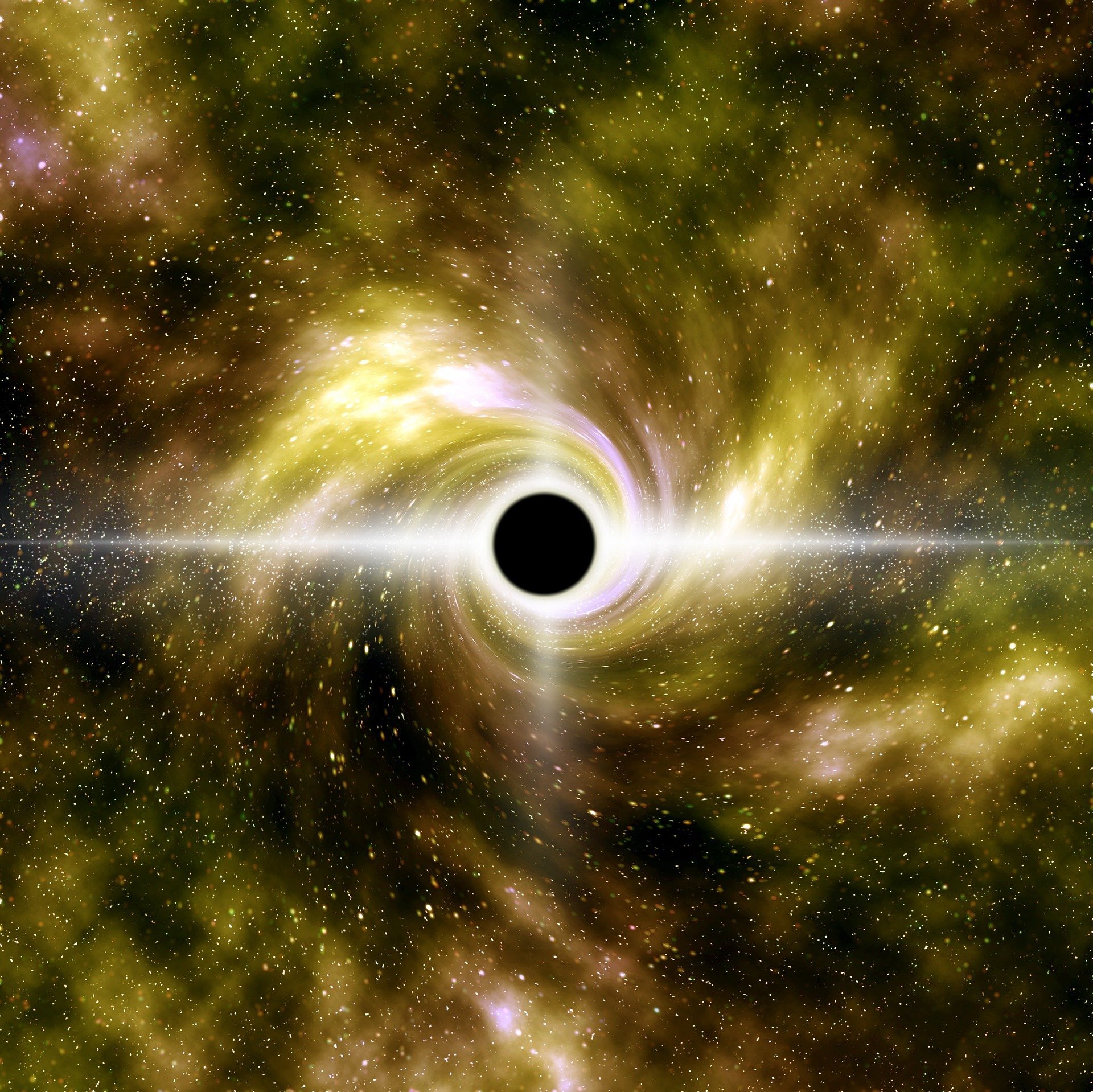
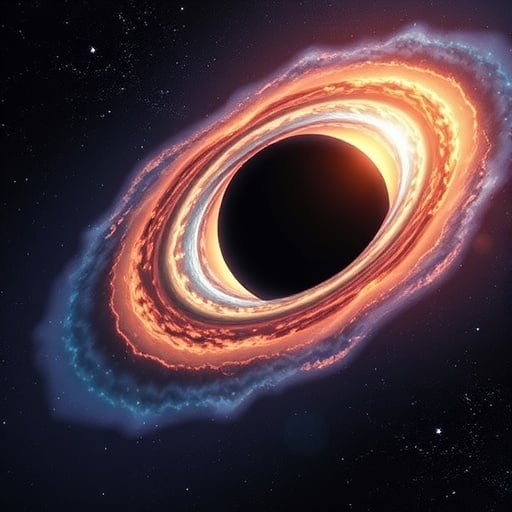
Black holes, particularly supermassive ones, are pivotal in shaping galaxies. The recent discovery of a powerful wind from the Milky Way's central black hole, Sagittarius A*, after a 50-year search, underscores the dynamic influence these entities exert on their cosmic neighborhoods. These winds have profound implications, not only affecting the star formation processes but also contributing to the broader cosmic environment.
Space Science and Technological Challenges
While the cosmos unravels its mysteries, terrestrial challenges persist. NASA's decision to abandon a plan to use the International Space Station as a bridge to commercial space stations marks a significant shift in the agency's strategy. This move reflects the evolving landscape of space exploration and commercialization, where private enterprises are increasingly taking the helm.
Meanwhile, on the technological front, Blue Origin faces its own hurdles. Rebuilding its launch pad, a project scrutinized by industry veterans, highlights the operational challenges that lie within the commercial space sector. Such endeavors are crucial for maintaining our momentum in space exploration.
Asteroids and Space Weather
On the frontier of space exploration, China's Tianwen-2 mission to the asteroid Kamooalewa challenges previous assumptions about the rock's lunar origin. This mission, poised to return samples by 2027, could redefine our understanding of asteroid formation and their role in the solar system's history.
Additionally, the unpredictable nature of space weather, driven by solar flares and geomagnetic storms, poses significant risks to our technology-dependent society. While predicting space weather is possible, the notion of actively mitigating its effects remains a tantalizing prospect for future research and innovation.
Future Implications
The cosmic dance of galaxies, black holes, and asteroids paints a picture of a universe rich with interactions and influences. Each discovery adds a piece to the puzzle, helping us understand not just the mechanics of the cosmos but also the nuances of its evolution. As we continue to explore these celestial phenomena, our technological and scientific advancements will be crucial in navigating the challenges and opportunities that lie ahead.