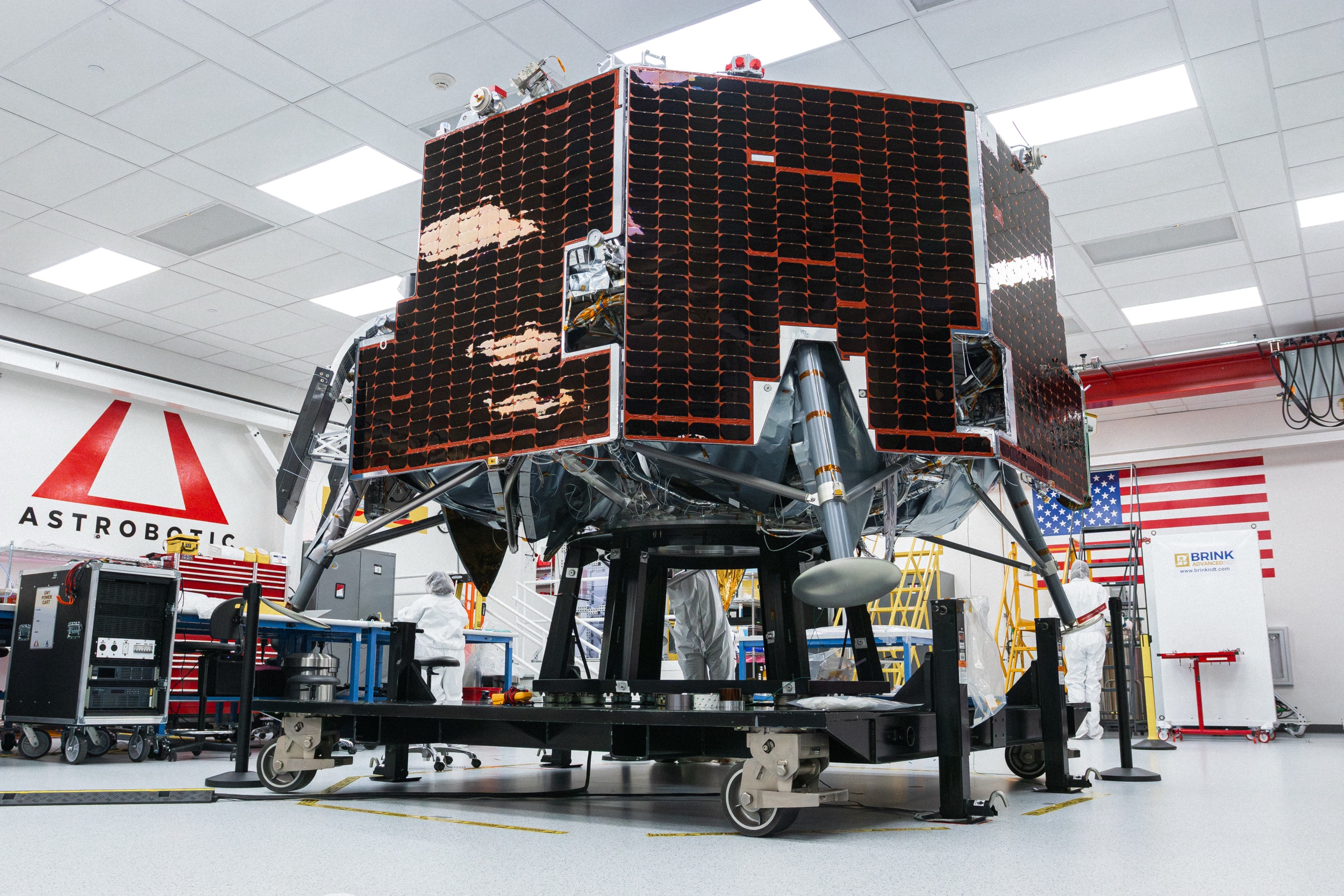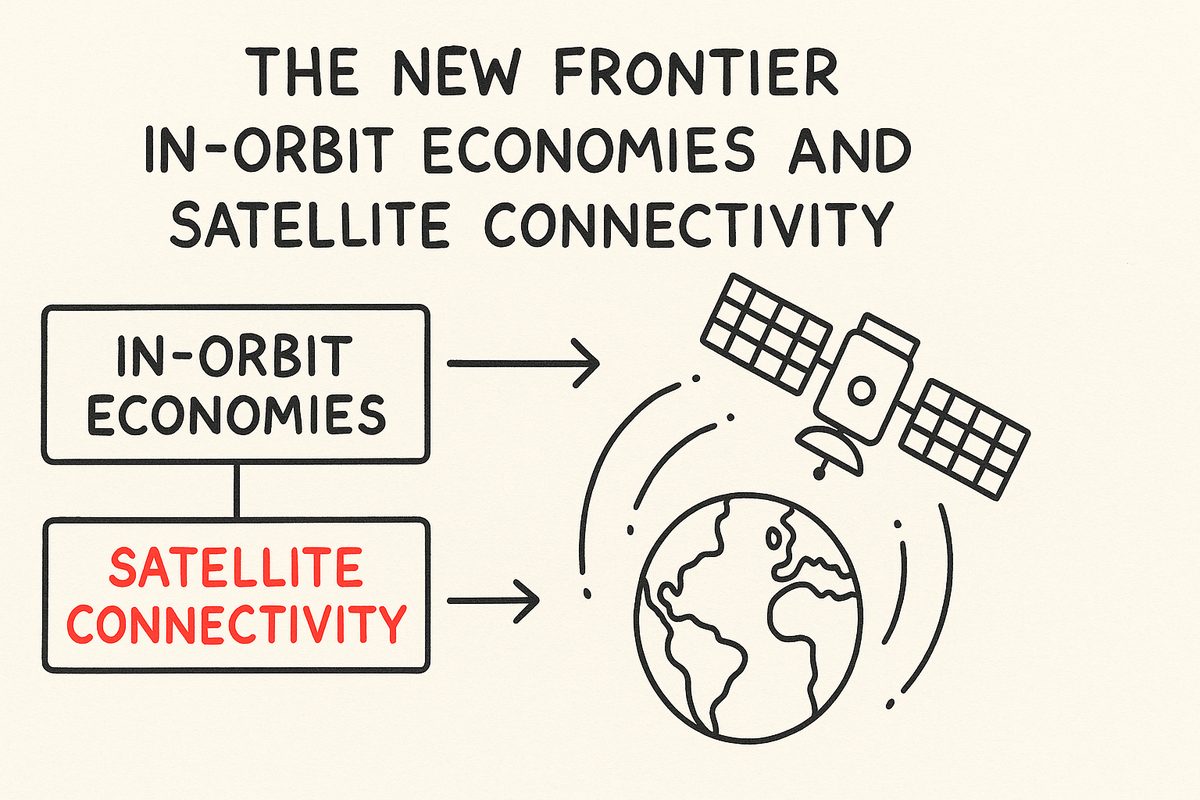
The landscape of space exploration and utilization is undergoing a remarkable transformation. Recent developments signal a pivot towards an in-orbit economy and enhanced satellite connectivity, reshaping traditional paradigms and opening new opportunities for both commercial and governmental sectors.
In-Orbit Maintenance: A New Economic Model
The alliance between Astroscale and SKY Perfect JSAT is a landmark in establishing an in-orbit maintenance economy (Source 1). This partnership aims to extend the life of satellites, reduce orbital debris, and ultimately lower costs for operators. Historically, space missions have been linear in nature; once an asset reaches the end of its lifecycle, it typically becomes space debris. This new model challenges that notion by introducing sustainable use and recycling of orbital assets.
Astroscale's efforts underscore a broader shift towards service-based models in space, akin to terrestrial markets where maintenance and sustainability are valued over mere deployment. This is not just a technological evolution but a fundamental economic one, potentially reducing the barrier to entry for smaller players in the space sector.
Expanding Horizons with Satellite Connectivity
Simultaneously, the satellite connectivity sector is witnessing significant advancements. Eutelsat's partnerships with Tototheo Global and Voimatel highlight a strategic push towards low Earth orbit (LEO) connectivity, particularly in maritime and governmental sectors (Sources 5 and 7). This expansion is crucial for providing reliable communication in remote areas, thereby bridging digital divides and enhancing global communication capabilities.
IEC Telecom's establishment in Indonesia further underscores the escalating demand for satellite communication in archipelagic regions (Source 6). As an archipelago with thousands of islands, Indonesia presents unique challenges for connectivity, which satellite communications can effectively address.
Technological Innovations Fueling Growth
Technological advancements are the backbone of these shifts. The introduction of Viasat's high-bandwidth satellite communications for NOAA's next-gen aircraft (Source 3), and iDirect Government's WCore, a virtualized platform for military communications, illustrate how cutting-edge technology is enabling these developments (Source 8). These innovations enhance data transfer rates and reliability, essential for both civilian and military applications.
Moreover, these technologies are not just augmenting existing capabilities but are also paving the way for new applications and sectors. For instance, the virtualization of satellite modems could lead to more flexible and responsive communication networks, essential for dynamic environments such as disaster zones or military operations.
The Role of Mega-Corporations in Space
SpaceX, with its staggering valuation of $1.75 trillion, although only 7% is grounded in tangible revenue, represents the speculative yet influential nature of the space industry (Source 4). It exemplifies how investor perceptions and market forecasts can drive the sector forward, even when immediate tangible returns are limited. This speculative investment is crucial for funding long-term, high-risk projects, which are often essential for breakthroughs in the field.
Future Implications and Challenges
The shift towards an in-orbit economy and expanded satellite connectivity presents both opportunities and challenges. While these developments promise to democratize access to space and enhance global communications, they also raise questions about regulation, security, and sustainability. As space becomes more accessible, ensuring that its use remains safe and equitable will require careful governance and international cooperation.
Furthermore, the growth of these sectors will necessitate advancements in space traffic management and debris mitigation technologies. As more satellites are deployed, maintaining a safe and clutter-free orbital environment will be paramount to avoid collisions and ensure mission success.
In conclusion, the space industry is at a crossroads, driven by economic models that prioritize sustainability and broad access. As we move forward, balancing innovation with responsibility will be key to unlocking the full potential of this new frontier.