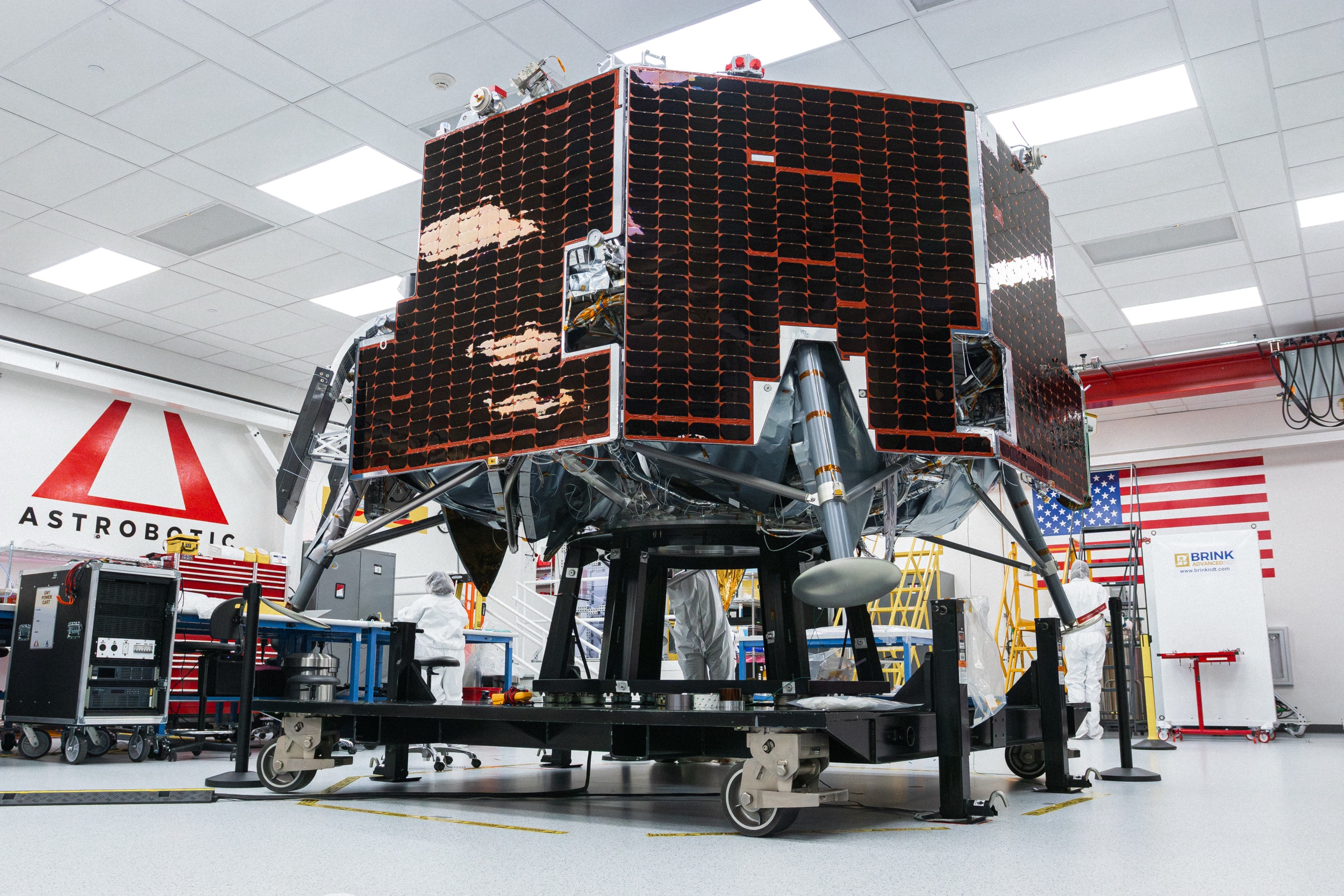
In a significant development for the space industry, Voyager Technologies has completed its acquisition of Astrobotic Technology, a move that underscores an ambitious push into lunar exploration and infrastructure. Announced on July 13, 2026, the acquisition comes at a time when Astrobotic has recently secured two critical NASA lunar lander missions.
The acquisition involves a transaction valued at $162 million in cash and stock, alongside the assumption of $9 million in debt. Additionally, there are $129 million in potential earnout payments tied to performance milestones, illustrating the high stakes and expectations involved in this strategic maneuver.
This acquisition is not just a financial transaction; it represents a strategic realignment and expansion of Voyager's capabilities into lunar exploration. Astrobotic’s operations, now under the banner of Voyager Lunar Systems, remain under the leadership of John Thornton, who has been instrumental in steering the company towards making the Moon accessible to broader audiences.
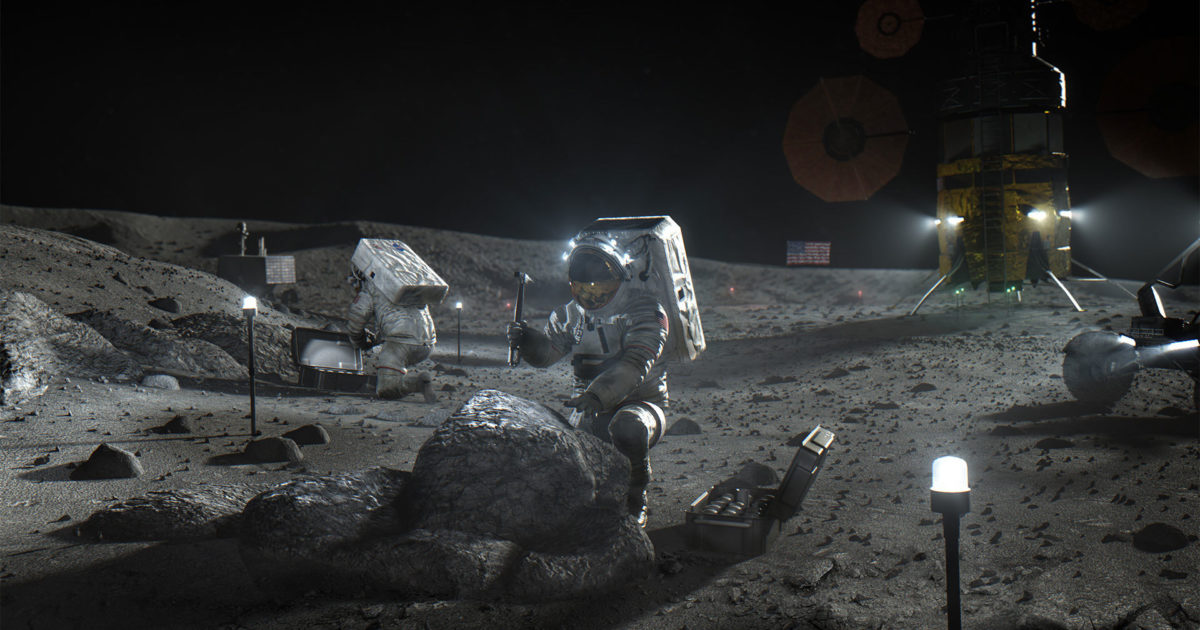
Astrobotic has recently shipped its Griffin-1 lunar lander from its Pittsburgh headquarters to NASA’s Jet Propulsion Laboratory for environmental testing. This lander is slated to launch as early as the fourth quarter of this year, carrying Astrolab’s FLIP rover and several other smaller payloads to the Moon. These missions are part of NASA's broader initiatives aimed at establishing sustainable lunar exploration capabilities.
Moreover, NASA awarded Astrobotic two missions of its smaller Peregrine lander on June 30, 2026, with a contract valued at $298 million. These landers are expected to launch in 2028, each carrying an identical set of three NASA payloads, with the possibility of accommodating additional payloads.
Voyager's acquisition of Astrobotic is a strategic fit within its broader lunar initiatives. The company is also investing in Max Space, which is developing inflatable habitats potentially usable on the Moon, and has developed technologies like a coating to prevent lunar dust buildup—a persistent challenge for lunar operations.
Matthew Kuta, the president of Voyager, emphasized the significance of this acquisition in an interview, stating that it aligns with a comprehensive lunar strategy that Voyager is developing. This includes investing in Astrobotic’s Pittsburgh facilities to expand capacity and hiring additional staff, thereby bolstering the company’s capability to meet the growing demands of lunar exploration and infrastructure development.
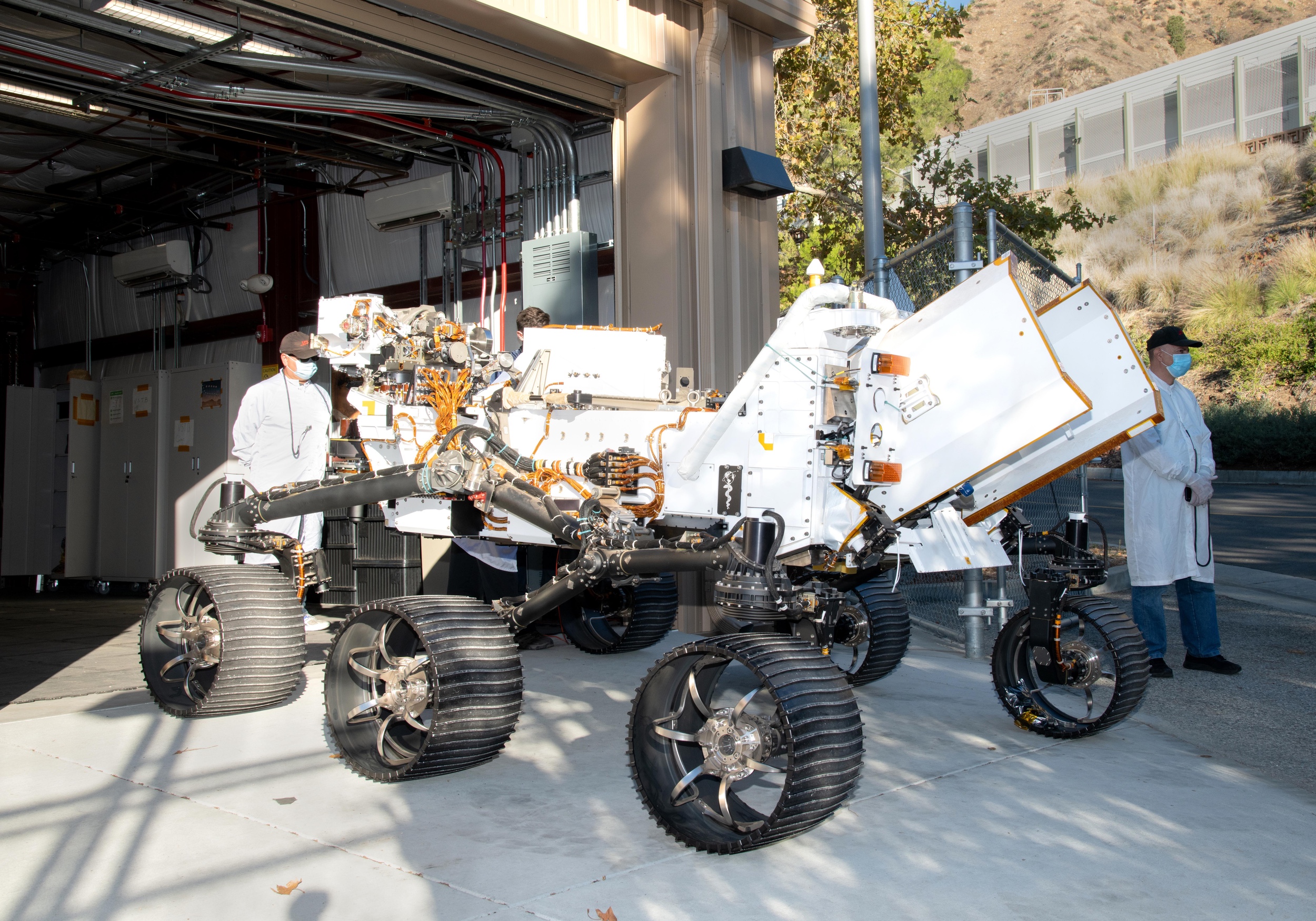
Astrobotic’s expertise is not confined to lunar endeavors alone. The company was recently selected by NASA for its Science Transport and Robotic Innovation for Deployment and Exploration (STRIDE) program, which focuses on developing robotic mobility technologies for Mars exploration.
As the space industry continues to evolve, Voyager's acquisition of Astrobotic is indicative of a trend towards consolidation and strategic partnerships aimed at advancing space exploration capabilities. With other companies like Japan's ispace entering the lunar infrastructure market and Firefly Aerospace acquiring autonomous space operations technology, the competition and collaboration in this sector are intensifying.
The implications of these developments are profound. As companies like Voyager and its newly integrated Voyager Lunar Systems expand their reach and capabilities, the groundwork is being laid for a new era of lunar exploration that could serve as a stepping stone for future human and robotic missions beyond Earth’s orbit.