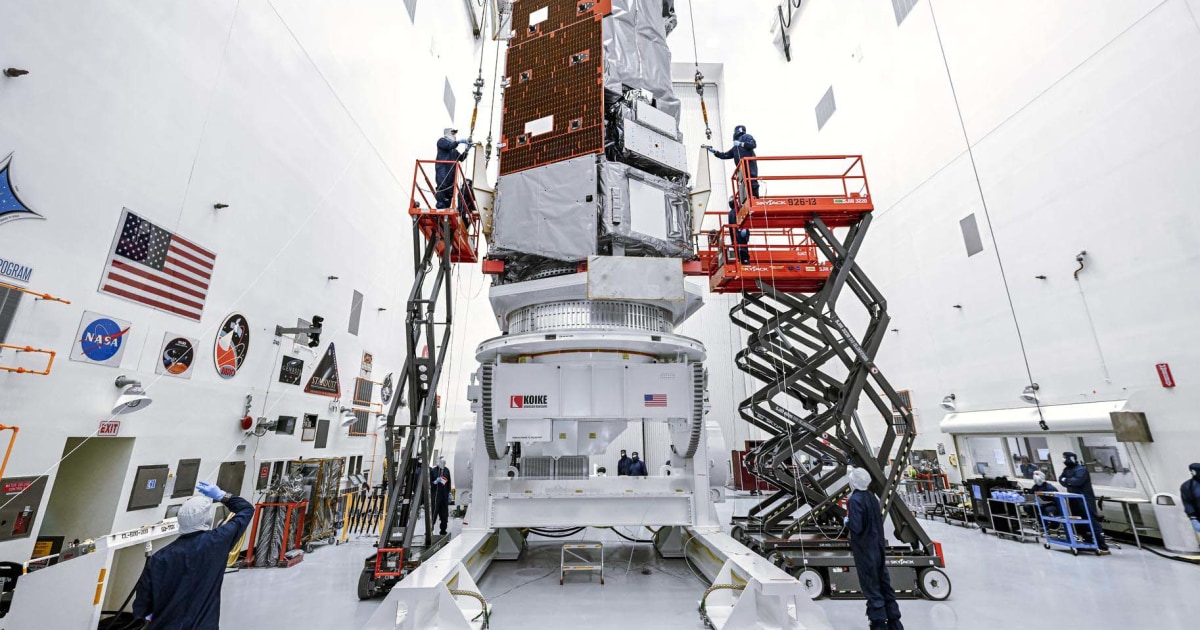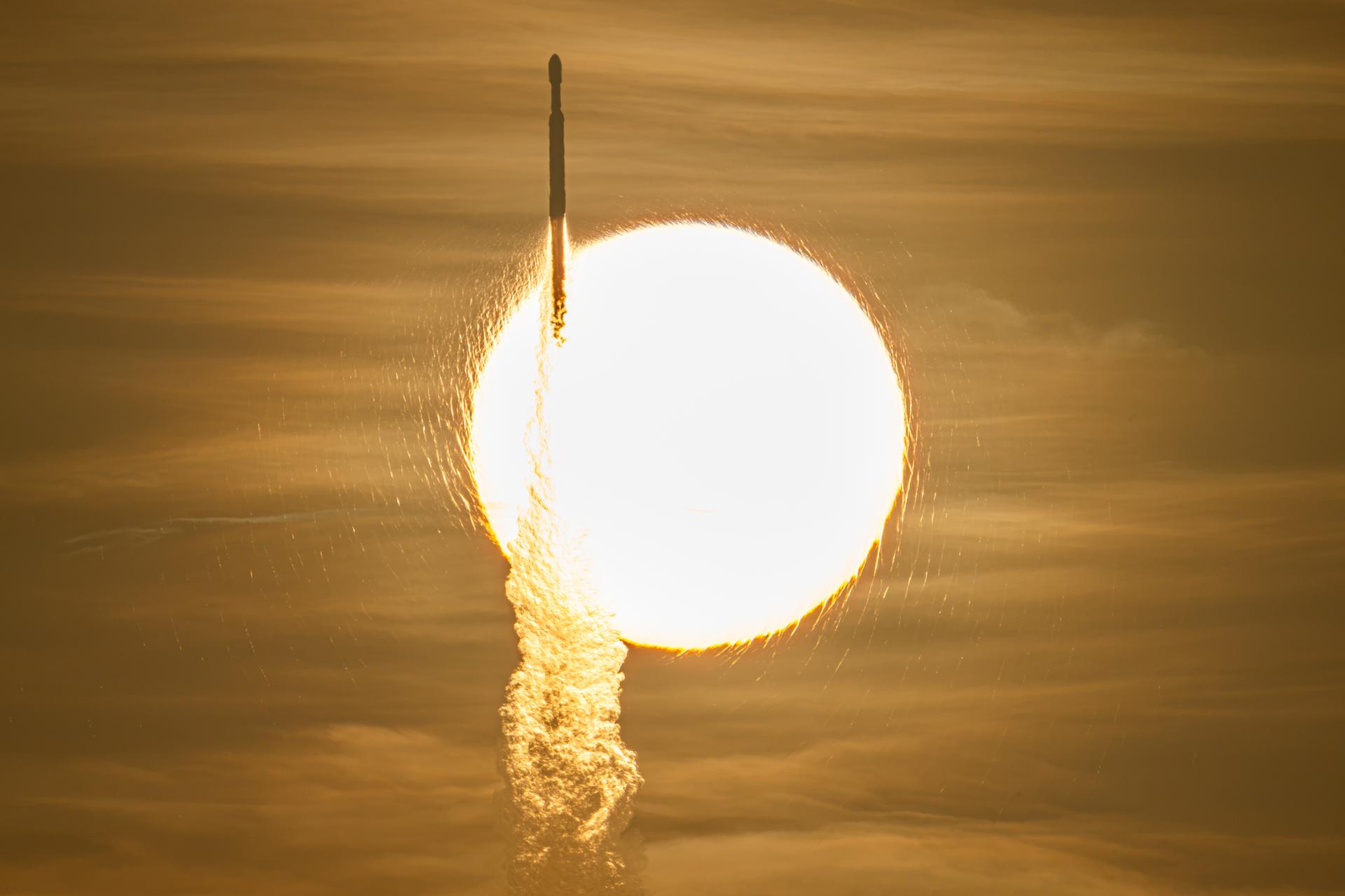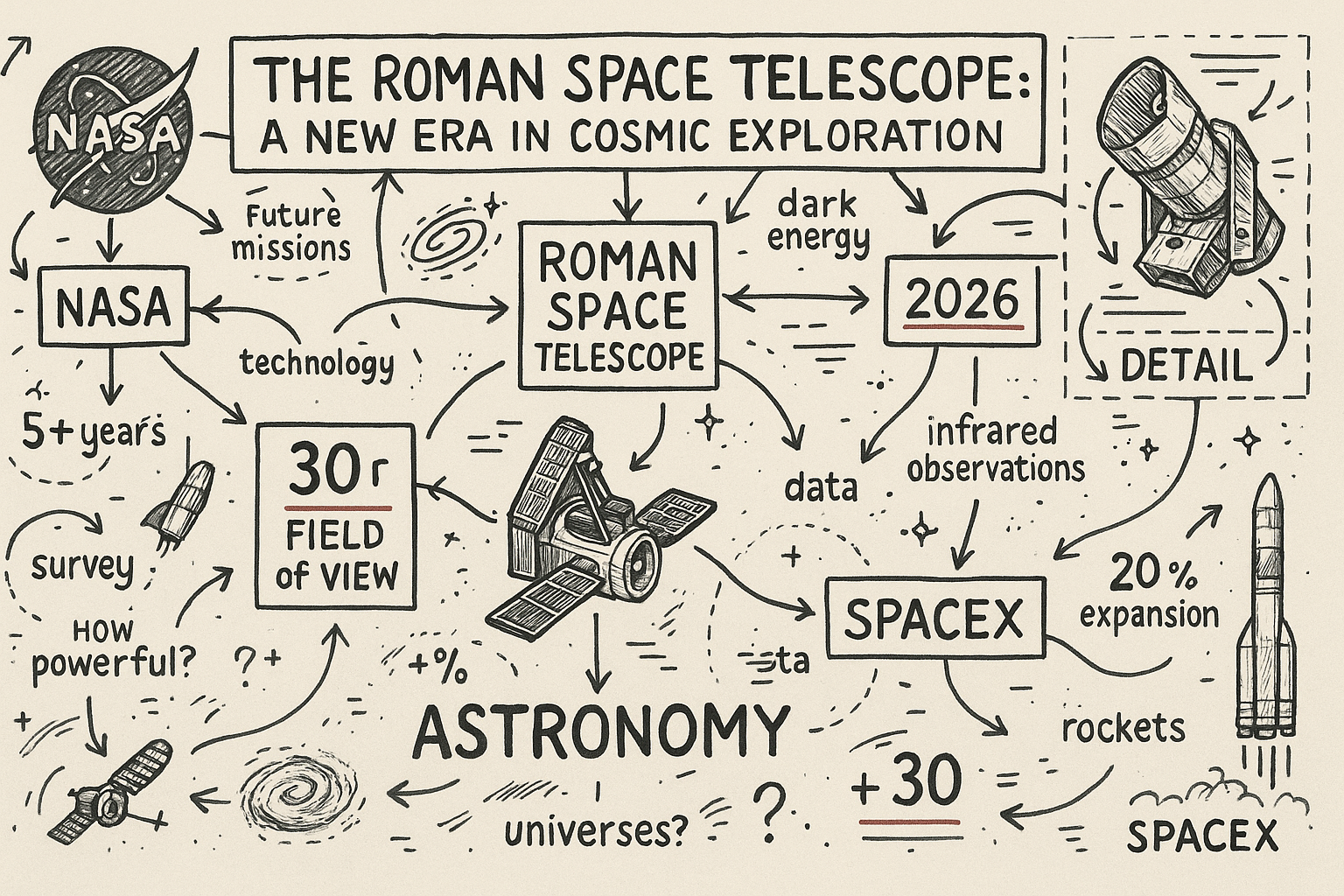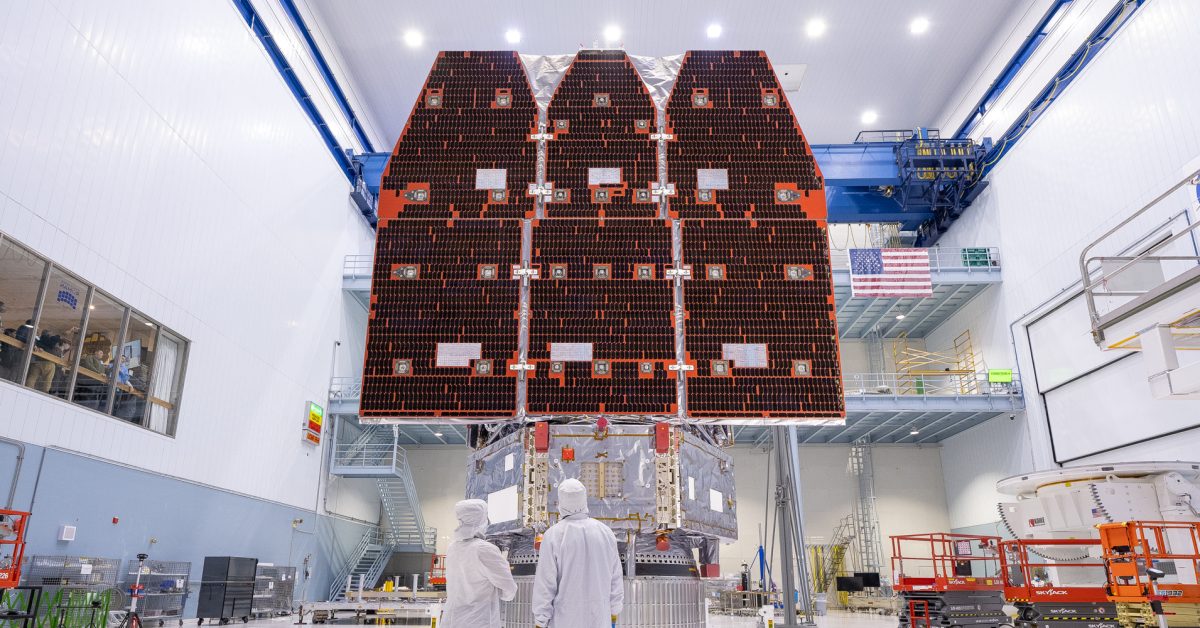
The completion of NASA's Nancy Grace Roman Space Telescope development marks a significant milestone in space exploration, as the mission approaches its imminent launch, eight months ahead of the planned schedule. The telescope is now in its final stages, shifting from conceptualization and development to preparation for its journey into space.
Named after Nancy Grace Roman, NASA's first Chief of Astronomy and an influential figure in expanding the agency's astronomical research capabilities, this telescope is poised to revolutionize our understanding of the cosmos. It is designed to tackle some of the most profound questions in astrophysics, with a particular focus on dark energy, dark matter, and exoplanets.
According to reports from Space Explored, the telescope's development has accelerated significantly, which has generated considerable excitement within the space science community. This advancement not only underscores NASA's commitment to maintaining leadership in space exploration but also provides a rare instance of a project of this magnitude beating its timeline expectations.
The Roman Space Telescope is equipped with a 2.4-meter diameter primary mirror, which is the same size as Hubble's, but with a field of view that is 100 times greater. This will allow scientists to observe vast regions of space with unprecedented detail and efficiency. The telescope's Wide Field Instrument will measure the light from a billion galaxies over the mission's lifetime, offering insights into the structure and evolution of the universe.
Another innovative feature is the telescope's ability to detect and study exoplanets using a technique called microlensing. This method is expected to identify tens of thousands of planets, ranging from gas giants to Earth-like bodies, in the Milky Way. Such data is crucial for understanding planetary systems' formation and development.
The mission's advancement ahead of schedule is attributed to several factors, including streamlined manufacturing processes and advanced testing procedures. The progress is a testament to the dedicated teams at NASA and their partners, who have worked tirelessly to ensure that the telescope is ready for its ambitious objectives.
As the space telescope transitions from the development phase to launch preparations, it stands as a beacon of scientific potential, promising to unlock mysteries that have perplexed astronomers for decades. The successful deployment and operation of the Roman Space Telescope will not only enhance our knowledge of the universe but also pave the way for future explorations into the cosmic frontier.